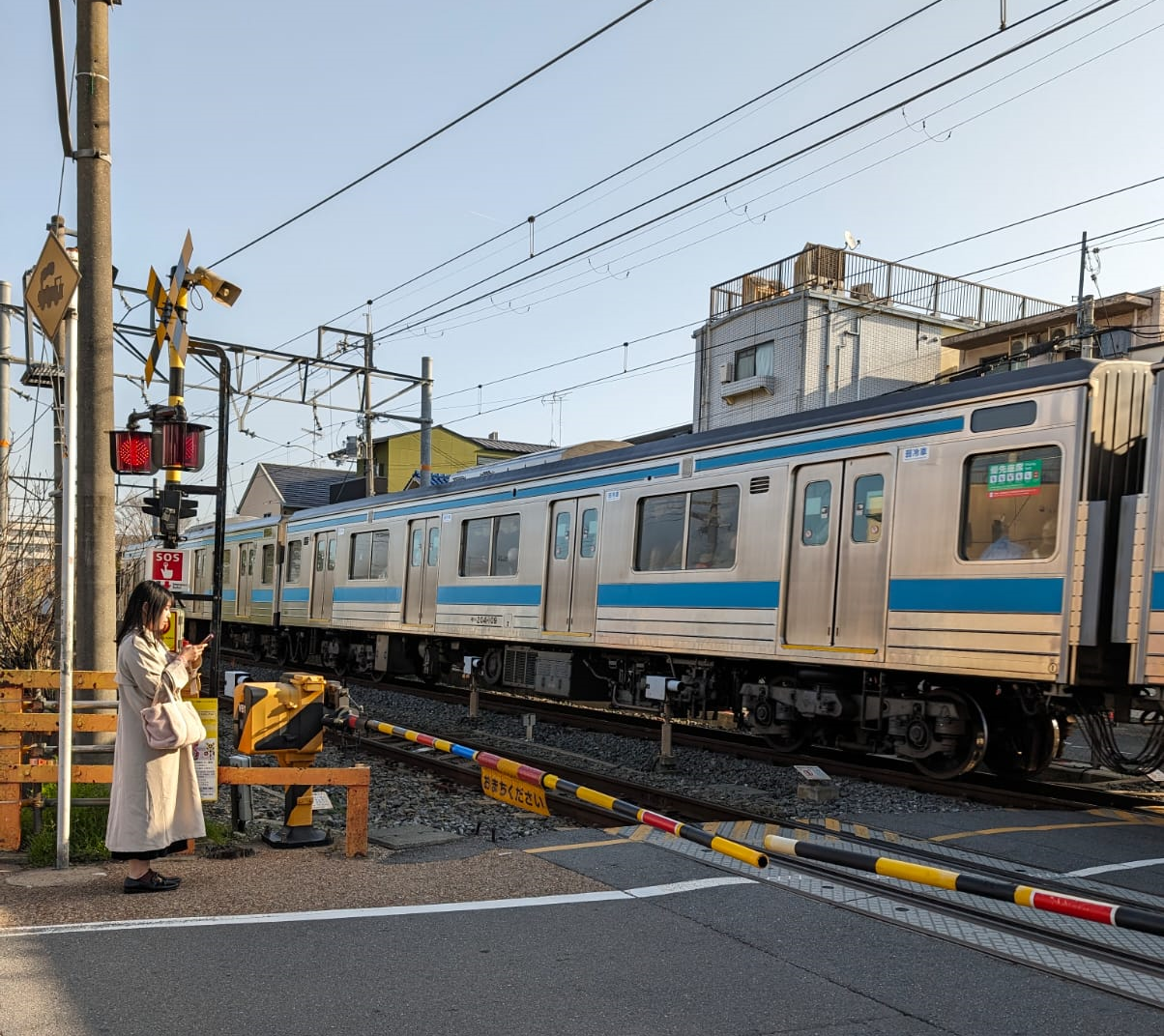
Japan has a well established public transportation system which can seem intimidating at first, but once you get to know more about it, you will start appreciating the simplicity of it. The intra and inter-city train network is vast and well connected. This should suffice for most of your needs. In odd cases where this doesn’t work for you, there are public buses to help you go places, as well as the taxis.
The Train Networks
Airport Trains
Tokyo
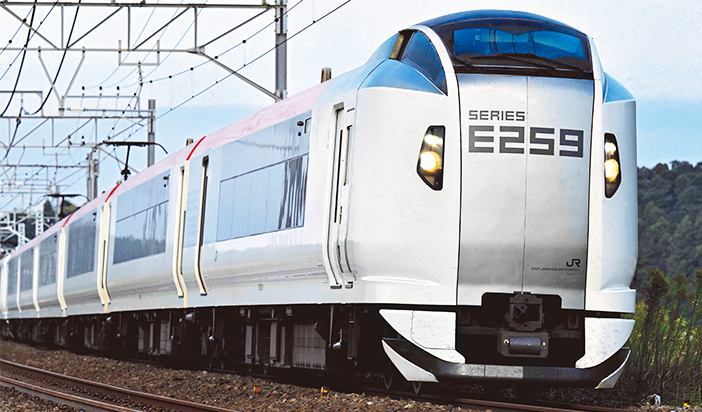
Narita International Airport (NRT) is located approximately 65 km east of central Tokyo. The easiest and fastest way to travel to Shinagawa is by the Narita Express (N’EX) as it provides direct rail access between Narita Airport and Shinagawa. After exiting the airport terminal, follow the “N’EX” signs to reach the Narita Express train station located on the basement (B1F) level.
Haneda Airport on the other hand is located much closer to the central Tokyo. The easiest way to travel to Shinagawa from Haneda Airport is to take Keikyu line train as it connects the airport to Shinagawa station as little as in 11 minutes.
Osaka
Kansai International Airport, located in the middle of Osaka Bay, is a key international hub for Japan: connecting the Kansai region, which includes the major cities of Osaka, Kyoto, and Kobe, to various destinations worldwide.
There are multiple train routes available between Kansai Airport and Osaka/Kyoto.
Nankai Airport Line: The Airport Express and the Limited Express Rapi:t
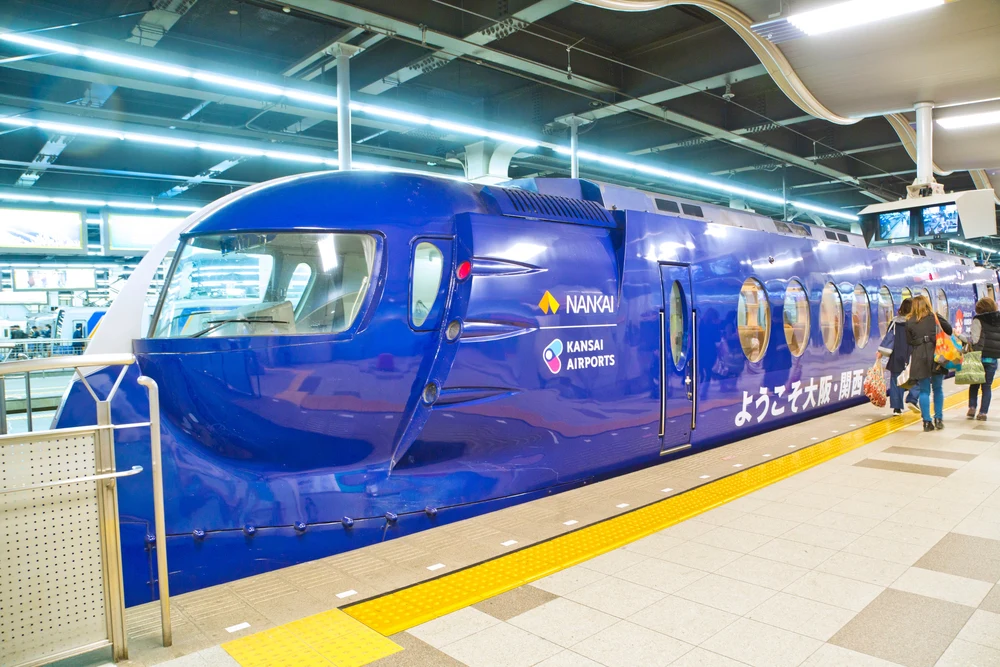
The Nankai Airport Line is a short rail line operated by the private company, Nankai Electric Railway, that connects Kansai International Airport with the rest of the Nankai railway network in Osaka. The line runs between Kansai Airport Station and Izumisano Station with just one stop at Rinku Town Station. Two important through services make use of this line: The Nankai Airport Express and the Limited Express Rapi:t. Both of these services connect Kansai Airport with Namba Station. If you are staying in Osaka and aren’t using the JR passes, these should be your preferred train to board, purchased through an IC pass.
JR Airport Express HARUKA

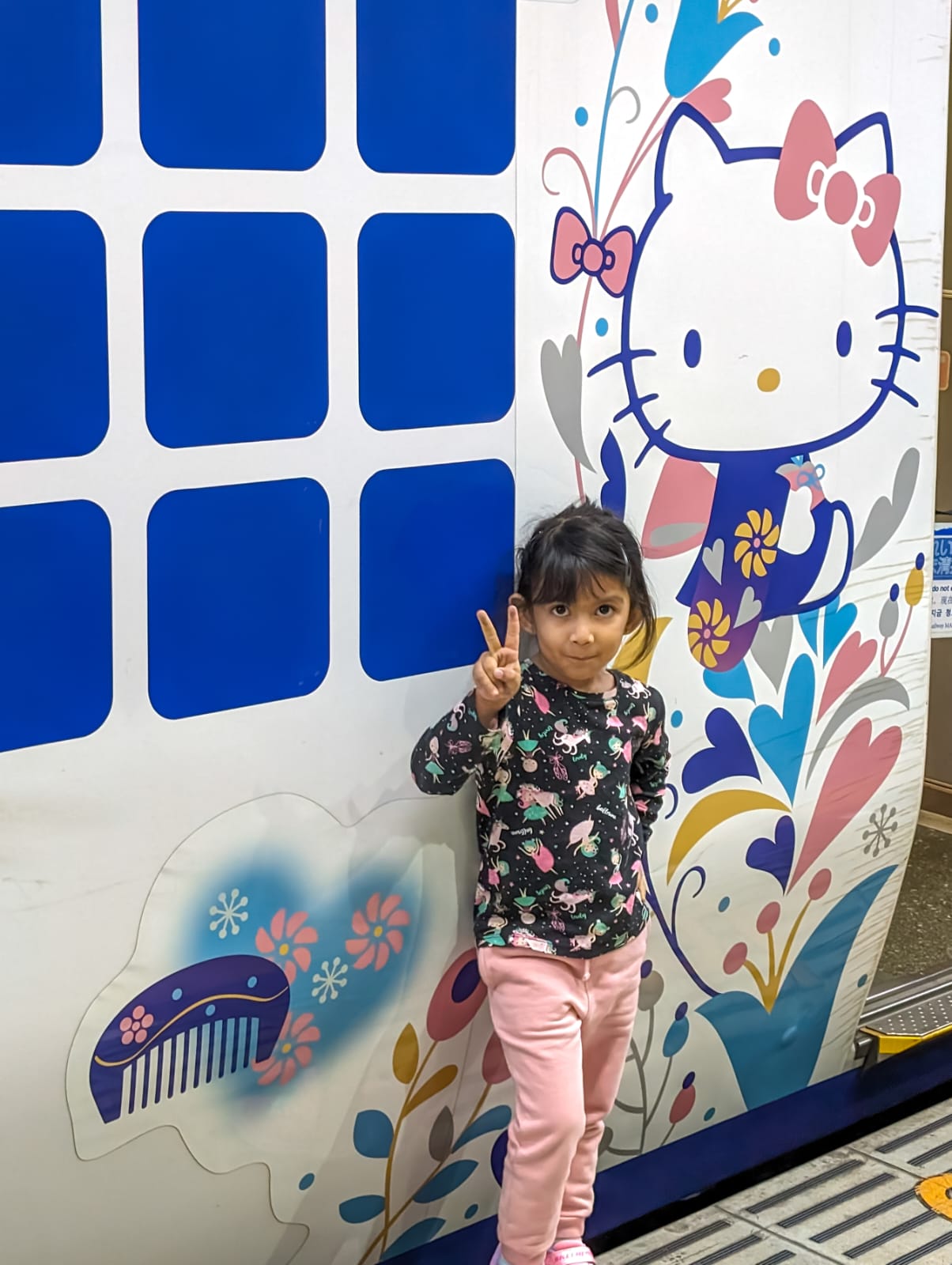
Traveling on the JR network, the HARUKA takes a different route than the Nankai lines and is particularly beneficial for passengers with a JR Pass, as they can use this service without any additional cost. It will connect Kansai Airport directly to Tennoji Station, Osaka Station, and Shin-Osaka Station, before heading directly to Kyoto. These trains are also “Hello Kitty” themed which is an added reason to board these and makes for an interesting experience. This is what we took from Kansai airport to Kyoto station and remains one of the fastest way to reach between these two stations.
JR Kansai Airport Rapid Service
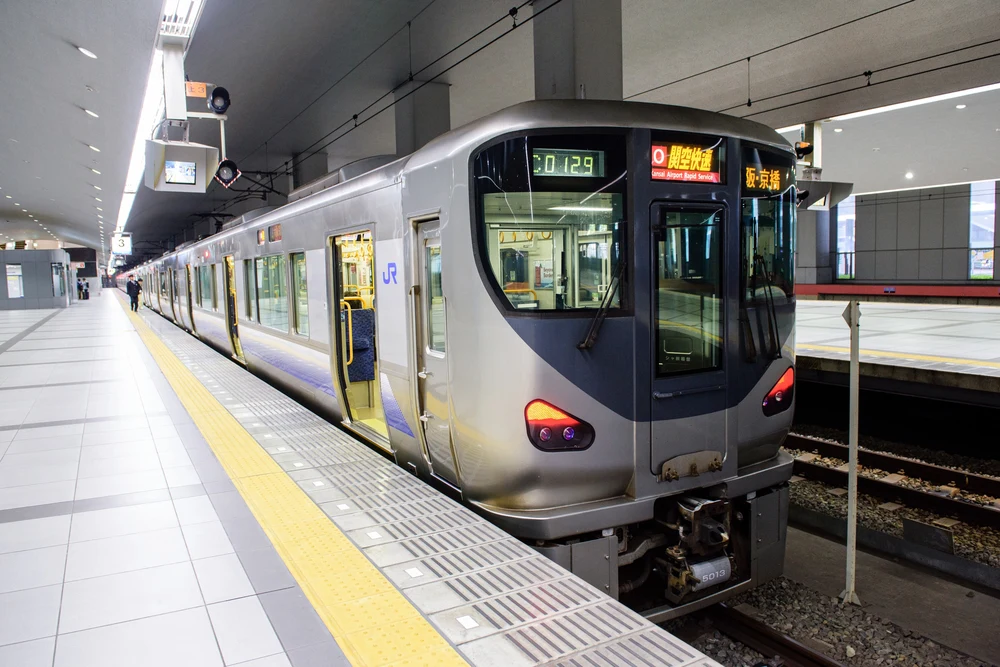
The JR Kansai Airport Rapid Service is tailored to accommodate the budget-conscious traveler and stops at more stations compared to HARUKA express. This doesn’t directly connect to Kyoto and you have to transfer to a different train from Tennoji station in Osaka to reach Kyoto.
Intra-city Trains
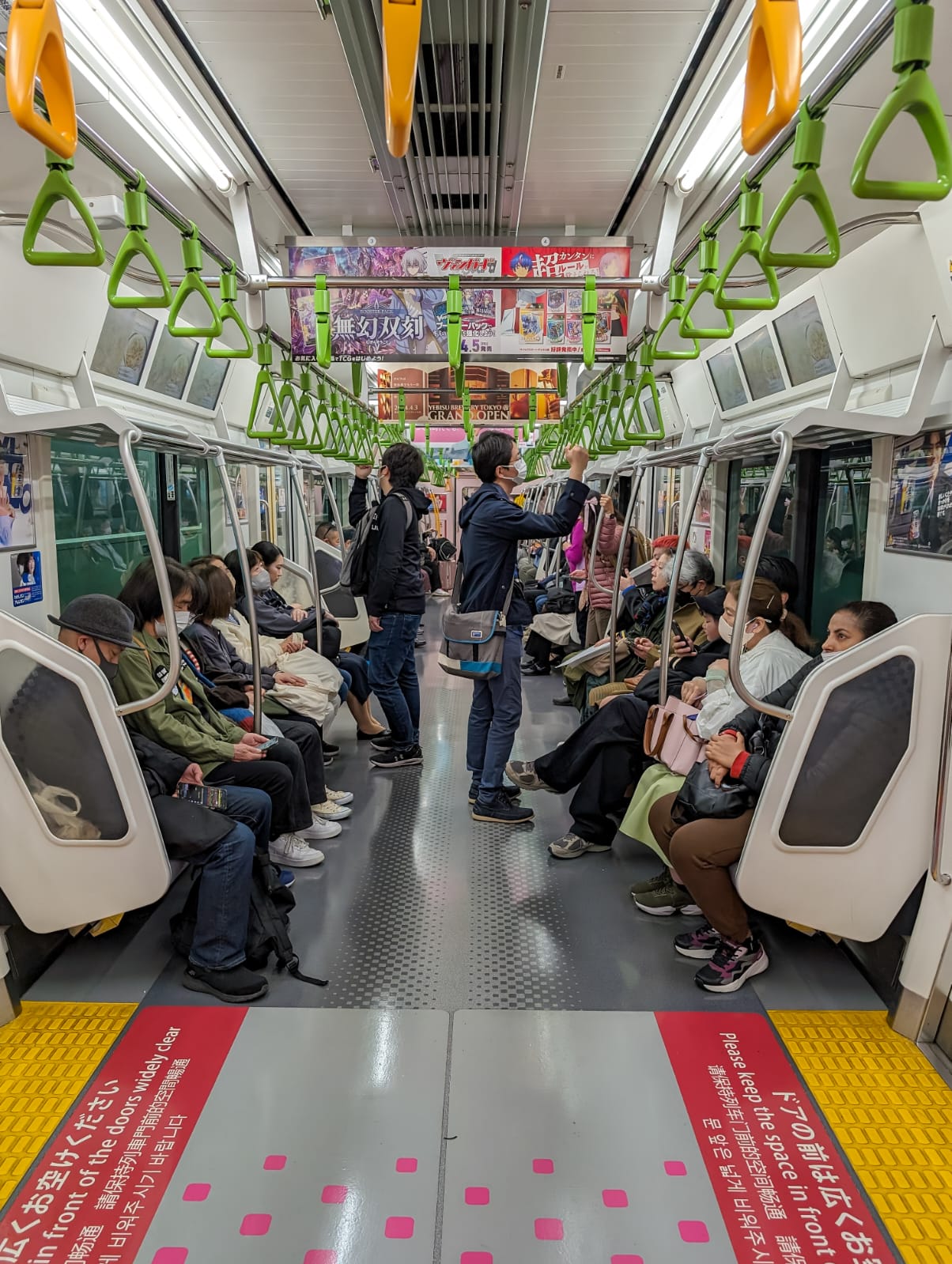
Tokyo by far has the most advanced and robust network of train system in place within Japan. It has numerous public and private lines transporting people from one point to another each day. For a complete guide on Tokyo train network, refer to this guide.
The Kansai area rail network covering the cities of Kyoto and Osaka are much less robust compared to Tokyo but still is sufficient for the needs of these cities. You might have to use alternative modes like buses and taxis a bit more here if you are trying to be very efficient at your commute. Refer to this post for more information on this region’s network.
Inter-city Trains
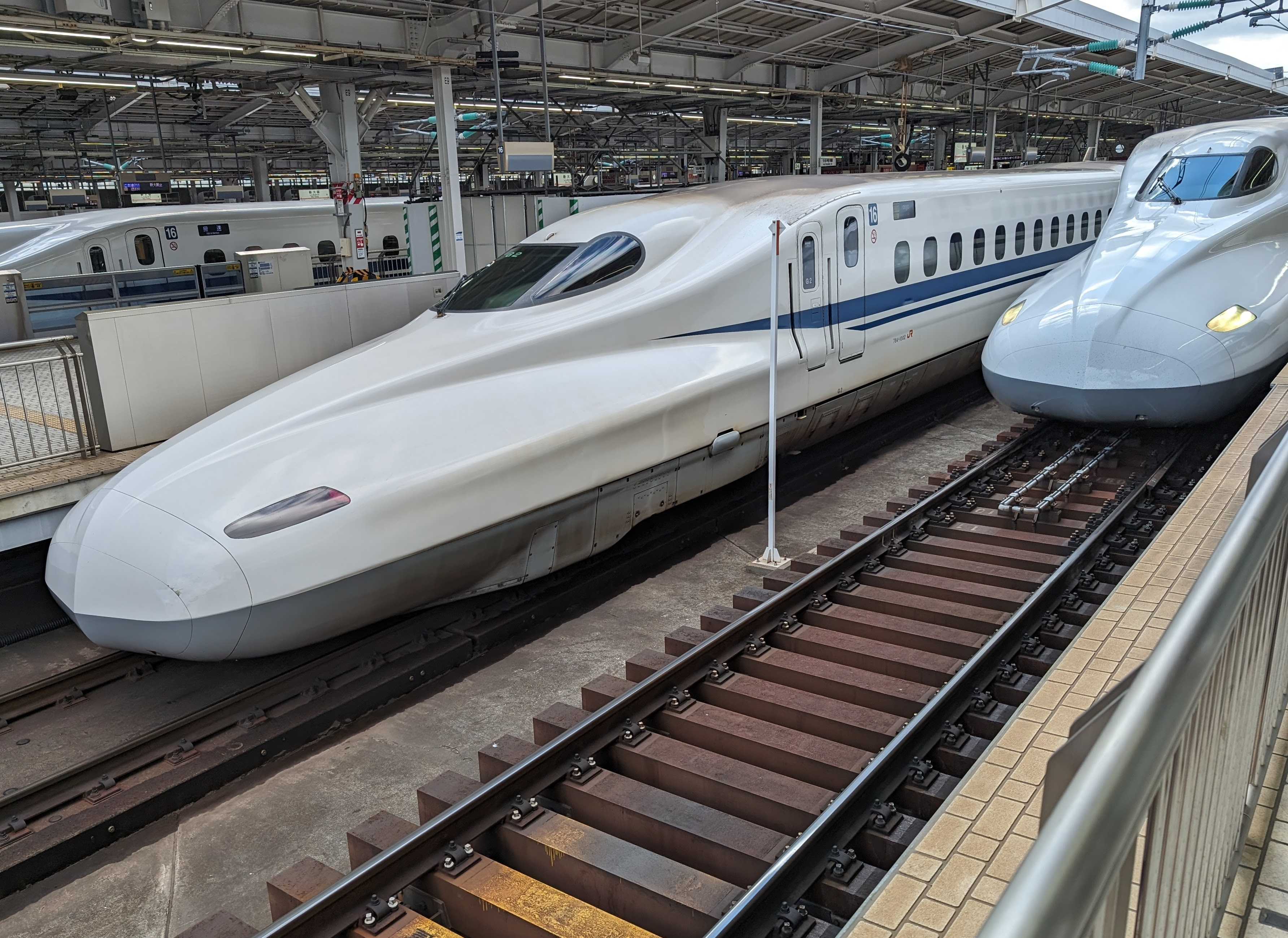
The bullet trains popularly called the Shinkansen remains the main mode of transportation between different cities in Japan. They are fast and convenient and run very frequently between places. Please refer to this guide for more information on the Shinkansen trains.
Buses
Airport Limousines

One can also consider the Limousine buses from and to the airports as alternative mode of transportation to and from the city. It may save you the hassle of transferring between trains as the limousine bus goes around different parts of the city dropping people off. Do consider this option if your hotel is close to one of the drop off points. More information on the Tokyo airport buses can be found here. For more information on Osaka airport transfers, refer here.
City buses
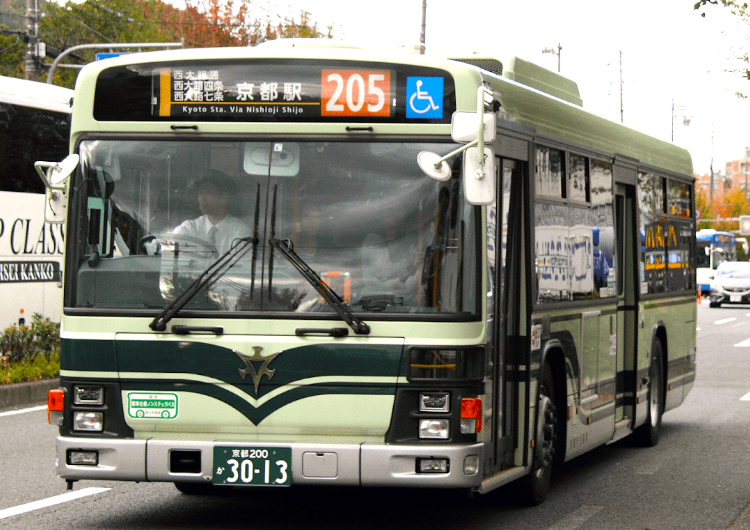
You may find the need to use the buses for travelling within the cities like Kyoto which lacks rail coverage to some of the places of interest. For example, we had to use the buses to reach places like Ginkakuji and Kinkakuji in Kyoto. They run on a fixed fare model meaning you have to pay same fare irrespective of where you board and de-board. These also aren’t too friendly for people with strollers or large luggage.
Sightseeing buses
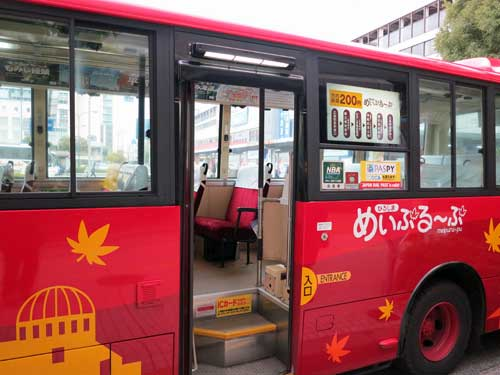
Sightseeing buses are a thing in many parts of the country. In places like Hiroshima, Kawaguchiko (Mt. Fuji) etc. these form the main modes of transportation for the tourists. The tickets tend to be issued as day passes and can be used unlimited number of times in the day.
Taxis
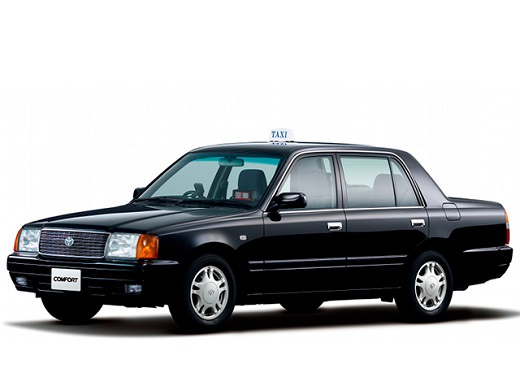
Taxis are the most expensive mode of commute within Japan. These cost roughly 400 to 500 Yen per km of travel and should be avoided most times. Though, there are very specific instances when this might make bit more sense – for example, if you are travelling with lots of luggage, and want to avoid the painful transfers in the station, if you are 3 or 4 people, travelling with a small kid etc.
We took the taxis couple of times in Kyoto and Tokyo mainly to and from the stations when we were travelling in/out of airports with big suitcases. If you are at the station, you can just flag a taxi (or sometimes stand in the queue) to get one. For hailing one closer to your hotel/BNB, you can use the “Go Taxi” app. You can only install and use the app once you are in the country as it detects the location and doesn’t work at all outside of the country. Credit cards are also accepted in the app and pick up can be scheduled for a later day/time as well.
 Unending Vacations