
Tokyo is one of the most populous cities in the world and is a world unto itself, an absolute must-see for any travel lover. It is where ancient tradition seamlessly blends with the ultramodern. From their museums, temples & ancient parks to neon-lit skyscrapers, modern digital art installations – it has it all. There is so much to do in this city for all ages that it even puts a city like Singapore to shame. 3 to 4 days in this city is obviously not enough to cover them all, but just about enough to cover the major attractions.
We started in Kyoto and made our way to Tokyo by the end of our Japan itinerary. We reached Tokyo around afternoon and had roughly 3 and a half days to cover the main highlights in the city spread across different days in the week. This is our guide to explain the same for anyone looking to visit Tokyo for similar duration. As we were chasing cherry blossoms, we also realized that Tokyo has lot more places to offer for cherry blossoms viewing and spectacular ones at that, compared to what was on offer in Kyoto.
Where to stay
We booked this accommodation on Airbnb and would recommend this for others as well. It is a 1 bedroom apartment and fairly typical of a Tokyo accommodation, but at an excellent price and conveniently located. Host was very responsive and the listing was accurate. It is close to the JR Osaki station which is on the famous JR Yamanote line and just one station away from Shinagawa station (where you can get down from Shinkansen lines). It is also well connected to the private “Rinkai” line which is a handy line connecting the city to places like Disneyland.
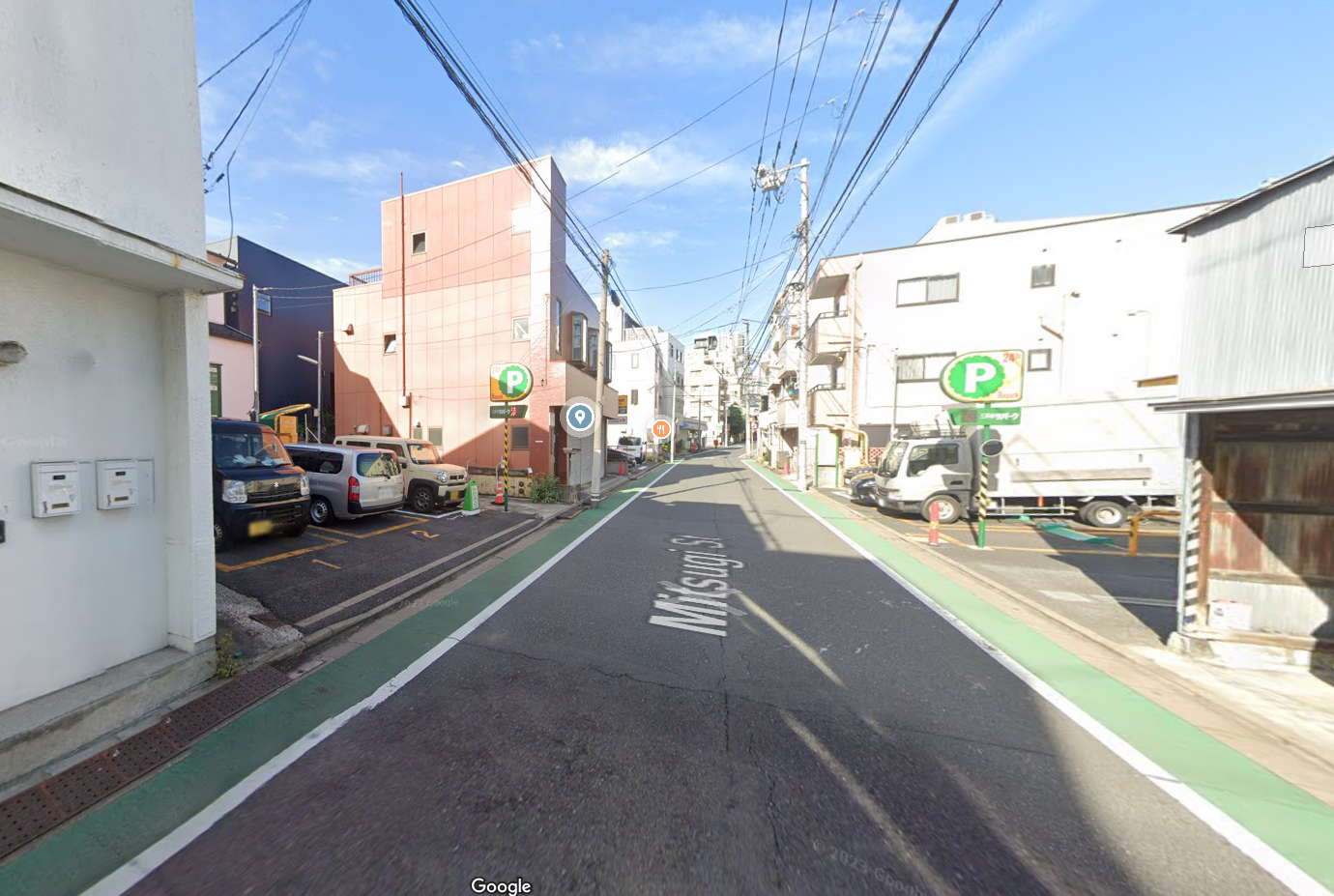
In general, if you are looking for stays in Tokyo, consider the ones close to areas like Shinjuku, Shibuya. Any place closer to JR Yamanote line will also do since you will be opting to travel on that for most of your commute in Tokyo to reach places.
IC vs JR Pass for Transportation
Tokyo has some of the best public transportation in the world. Places are well connected through numerous train line (JR or private) that runs throughout the city. There are numerous JR passes as well to save you on your journeys. You can also use your IC cards everywhere. We just used our IC cards everywhere which was convenient and mostly cost effective as well for the itineraries we had planned.
For more information on JR pass, please refer to this post.
For information on Tokyo’s train networks, refer to this post.
Itinerary
Since we visited Tokyo during the spring time in 2024 when the cherry blossoms were in full bloom, we dedicated major portion of our itinerary to chasing the cherry blossoms. If you are visiting Japan in a different season, you might want to consider other itineraries as well.
Day One
We reached Tokyo by mid afternoon from Kyoto on Shinkansen. We only had half a day to cover few places in Tokyo that day.
Late Afternoon/Early Evening: Visit TeamLab Planets
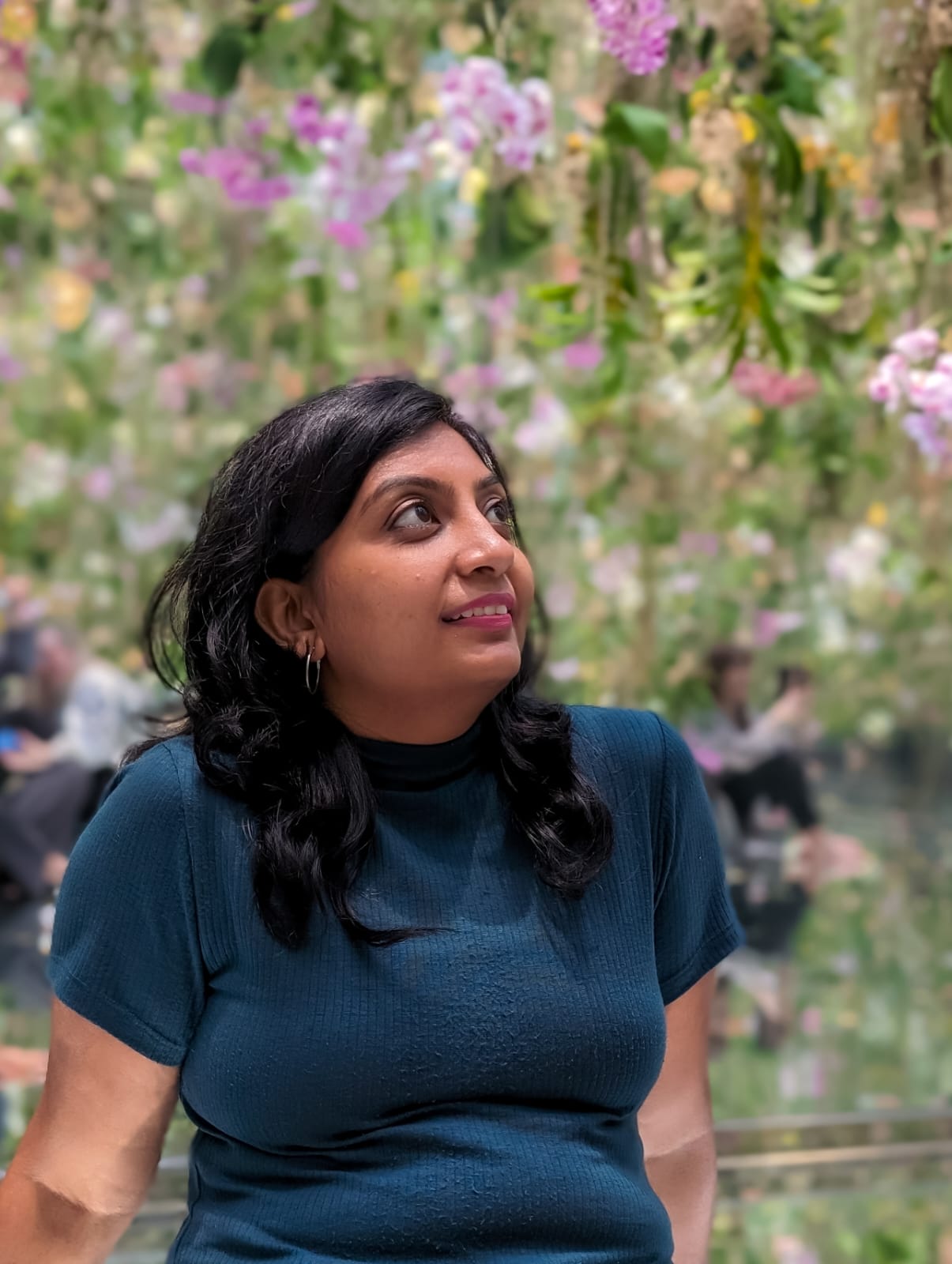
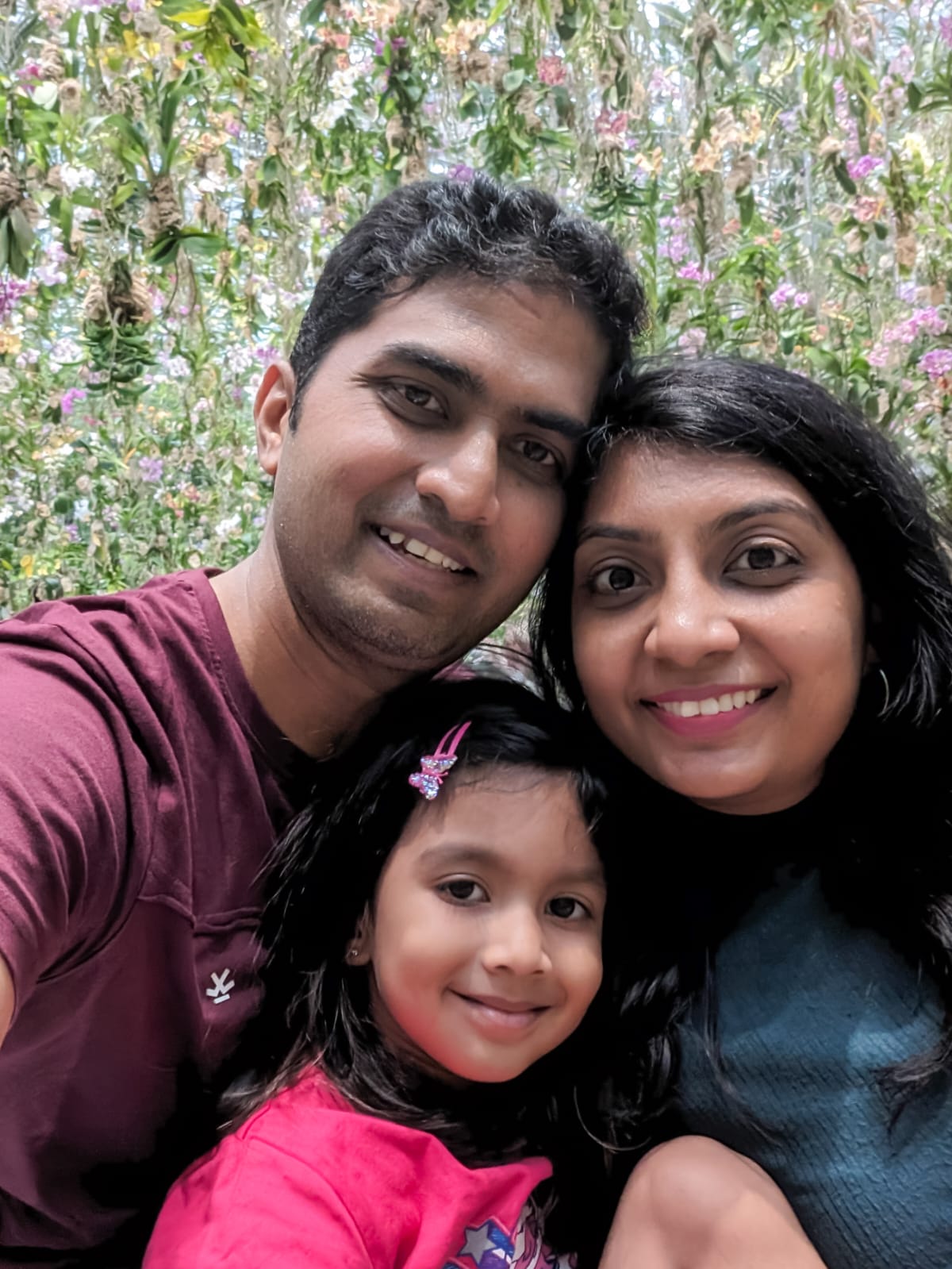
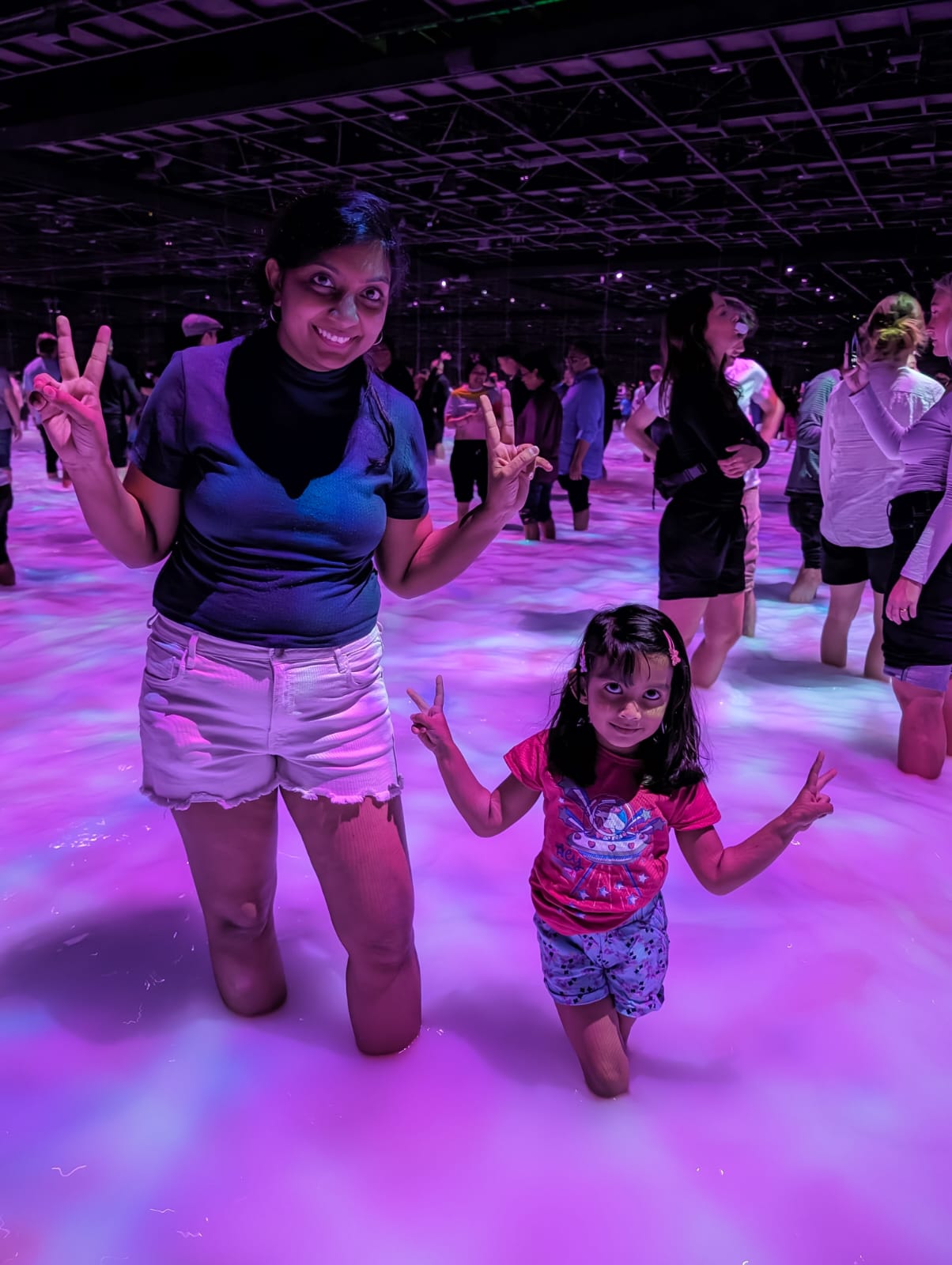
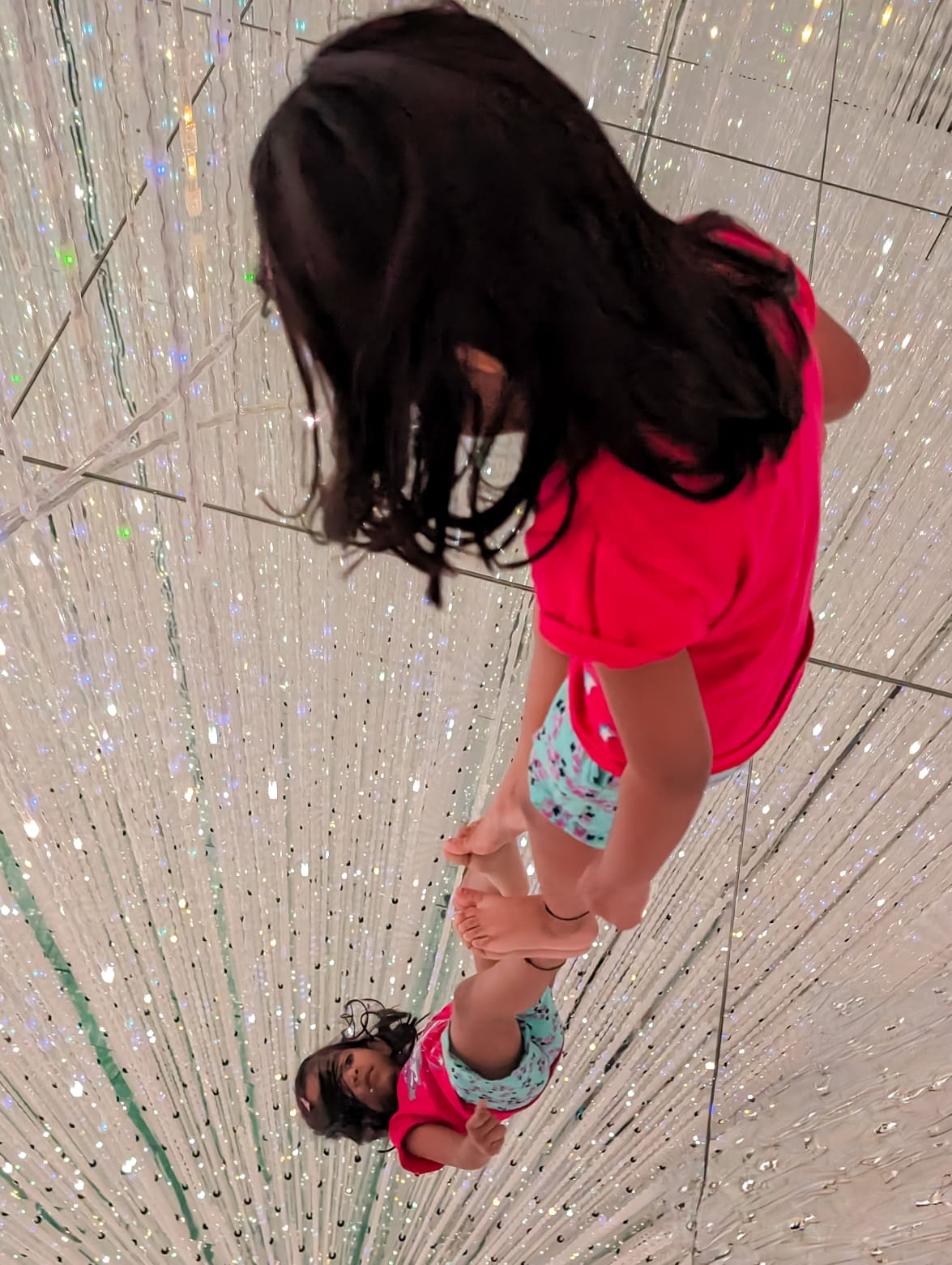
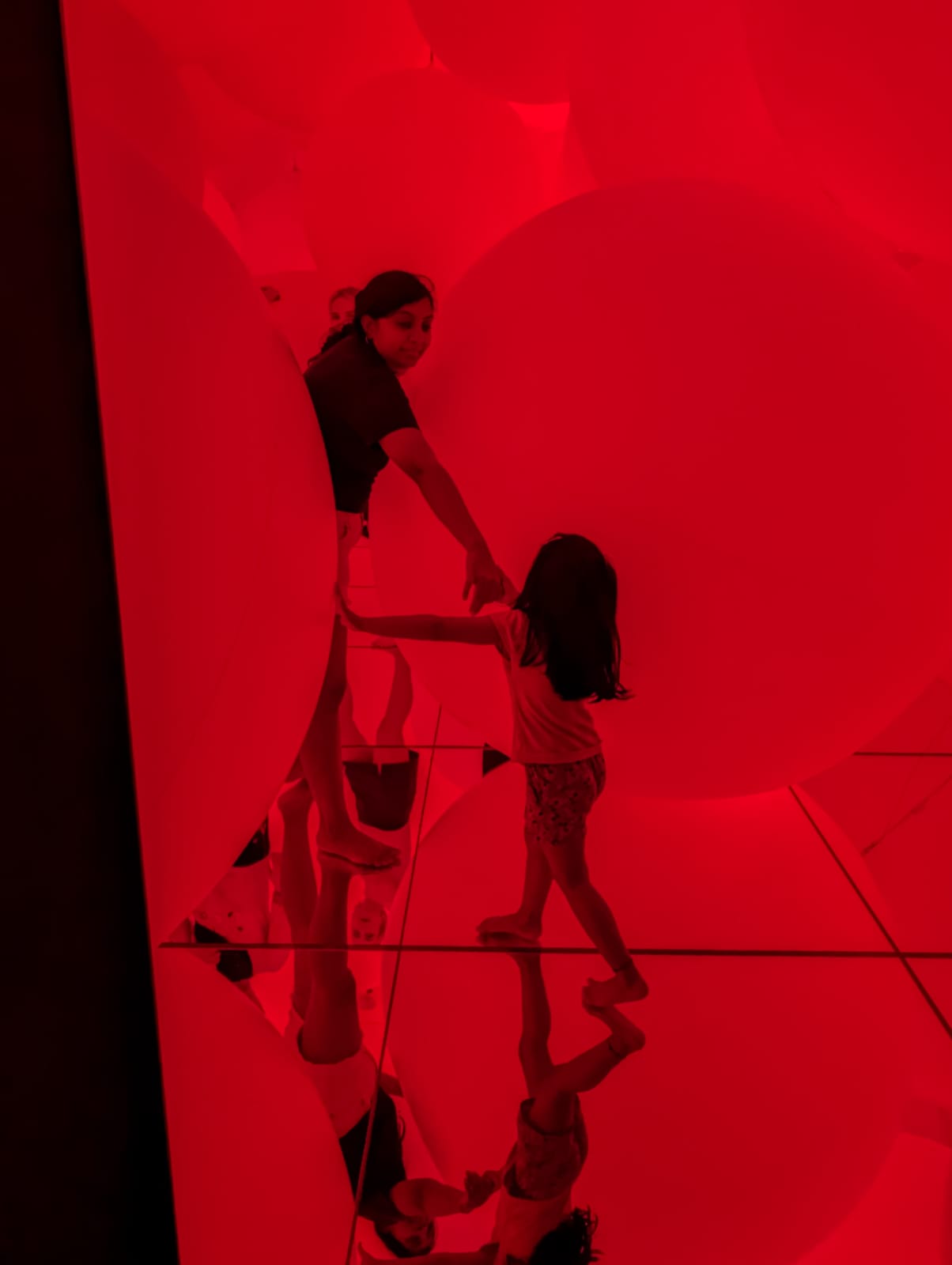
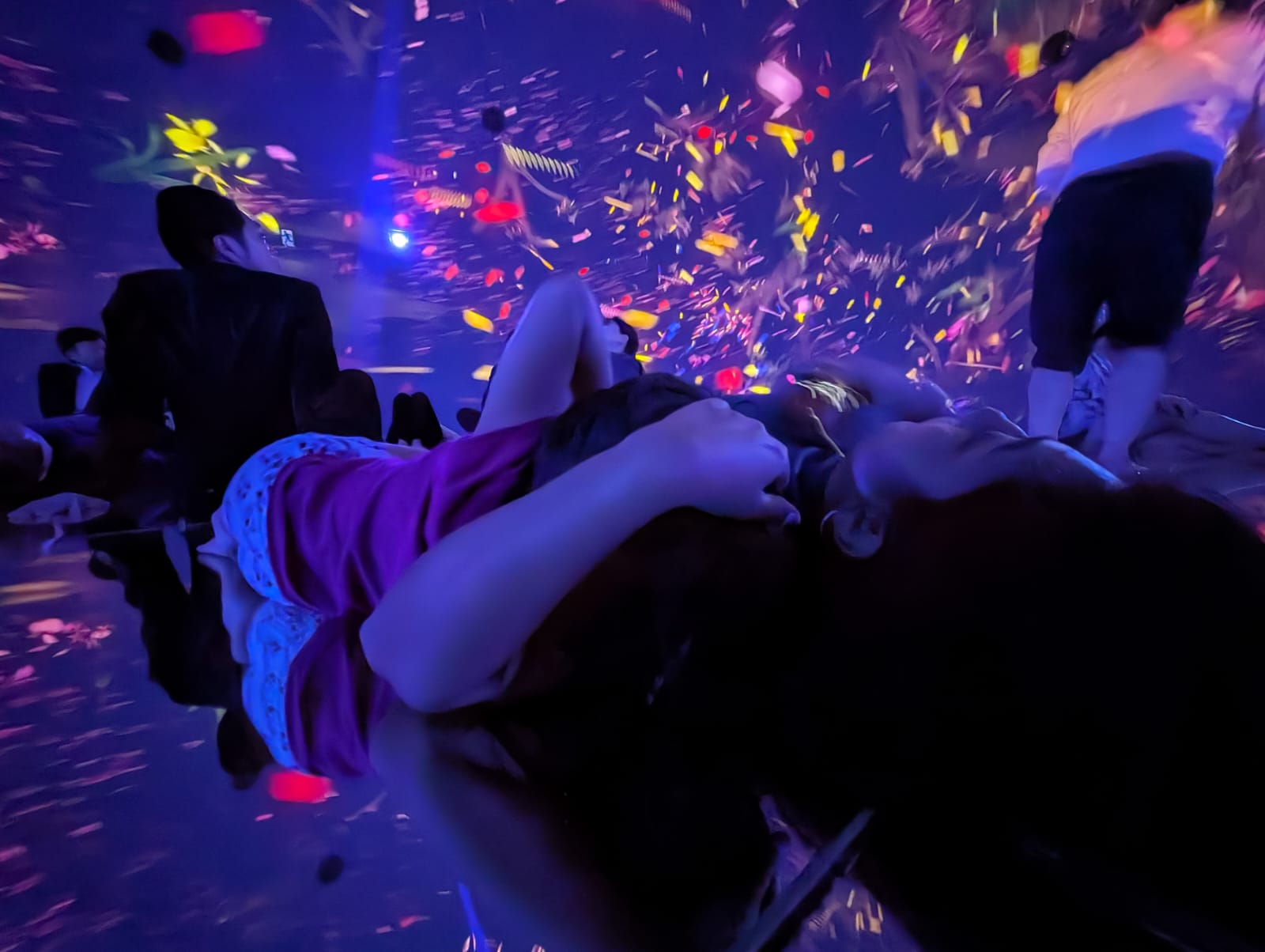
TeamLab Planets is an art facility that uses digital technology to create a one of a kind immersive experience that allows you to experience all 5 senses. There are 4 large-scale artwork spaces and 2 gardens created by art collective TeamLab. TeamLab Borderless on the other hand is a group of artworks that form a one continuous, borderless world. Both are somewhat similar concept, but hosted at completely different sites in Tokyo. Both are immensely popular things to do while in Japan and have their fan followings. These are one of a kind art installations that are unique to Japan and not to be missed. But it also means that the tickets get sold out fairly quickly. One can’t be hopeful of booking something in the last minute as these gets over about a month in advance most times (unless you are visiting in the lean season). Tickets are sold in slots of 30 mins each and can be booked directly on their website or through any third party site like Klook.
We chose teamLab Planets over borderless since it is more structured (you visit one room after another) and better suited when travelling with a kid. We had booked a 4 pm slot for entry and had to wait for 30 mins before getting in. I must say, the experience from entry to exit was quite impressive. It was one of the best managed facility we have ever visited. Starting from detailed instructions upfront, to free lockers for everyone, and numerous other thoughtful ideas like towels for drying feet after water installation, free locks for strollers and umbrellas etc. It really stood out as a torchbearer of Japanese tourist attractions – modern, technologically advanced, immersive and truly unique. The whole thing took about an hour (though you are free to stay as long as you can there) and our daughter loved it as well.
Late Evening: Visit Roppongi area for Sakura illuminations
Roppongi is a busy international district of Tokyo known for its nightlife, high class restaurants and clubs. There are a couple of places in this area that interested us the most, especially for the night illuminations of Sakura trees.
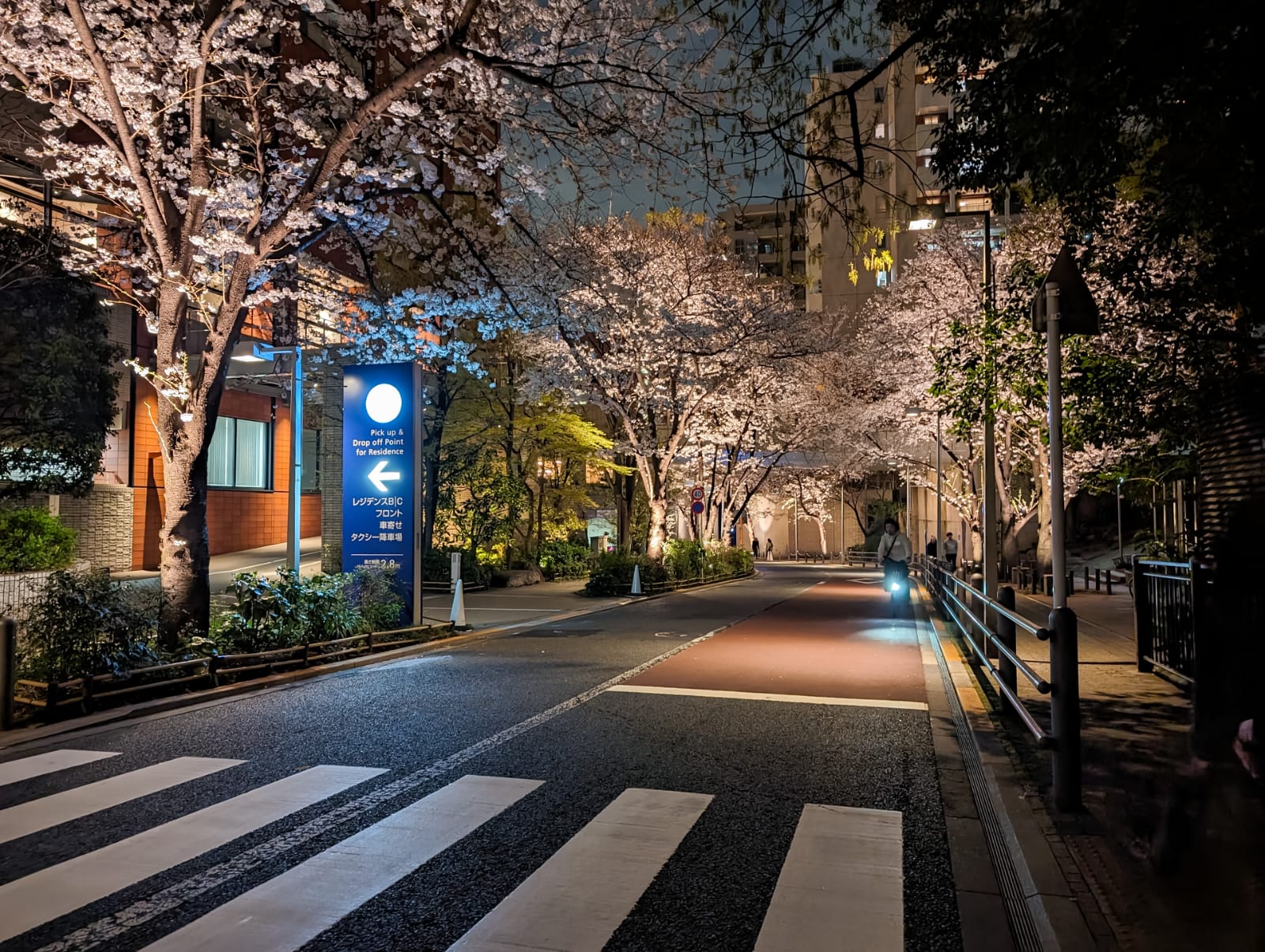
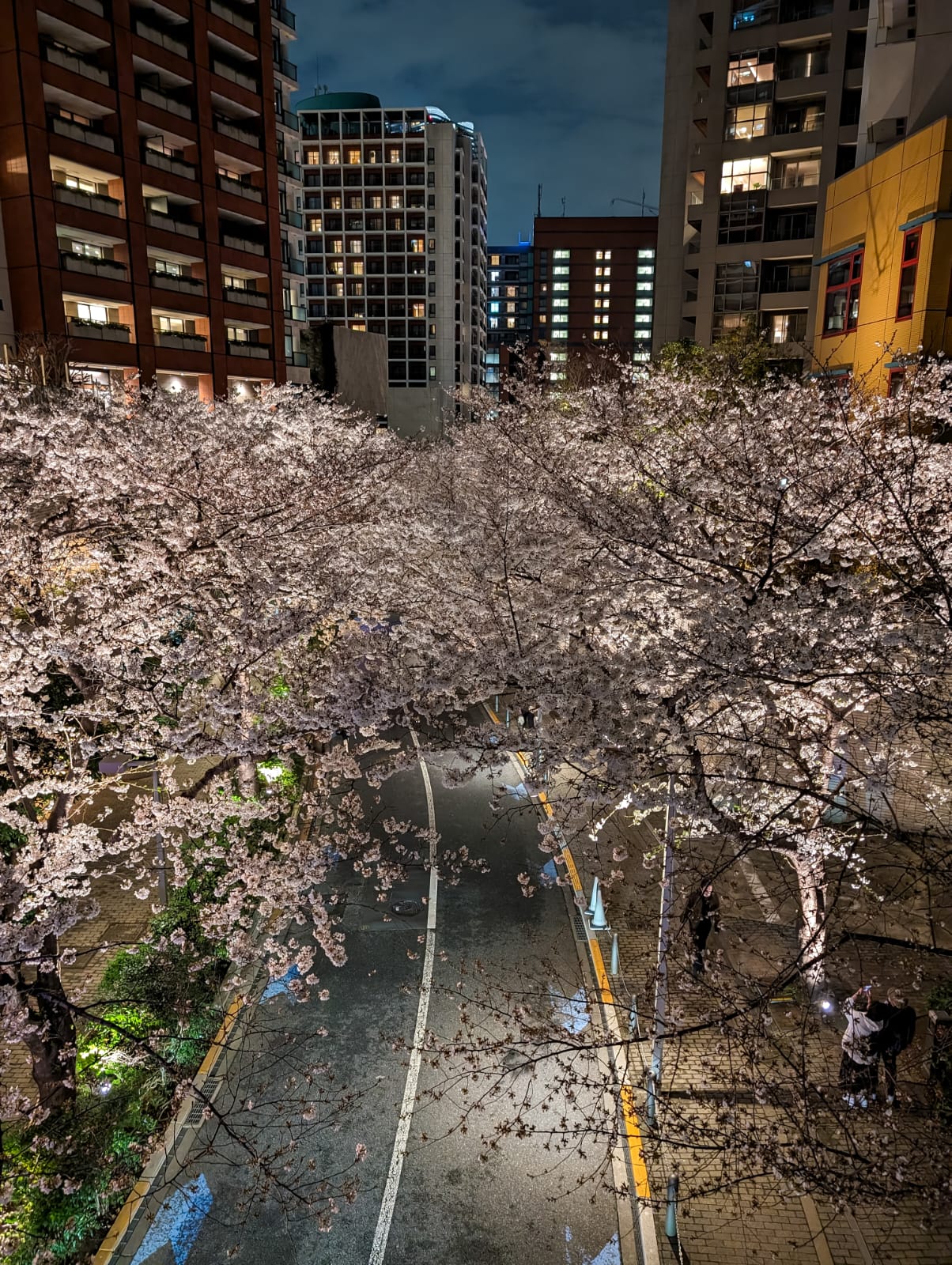
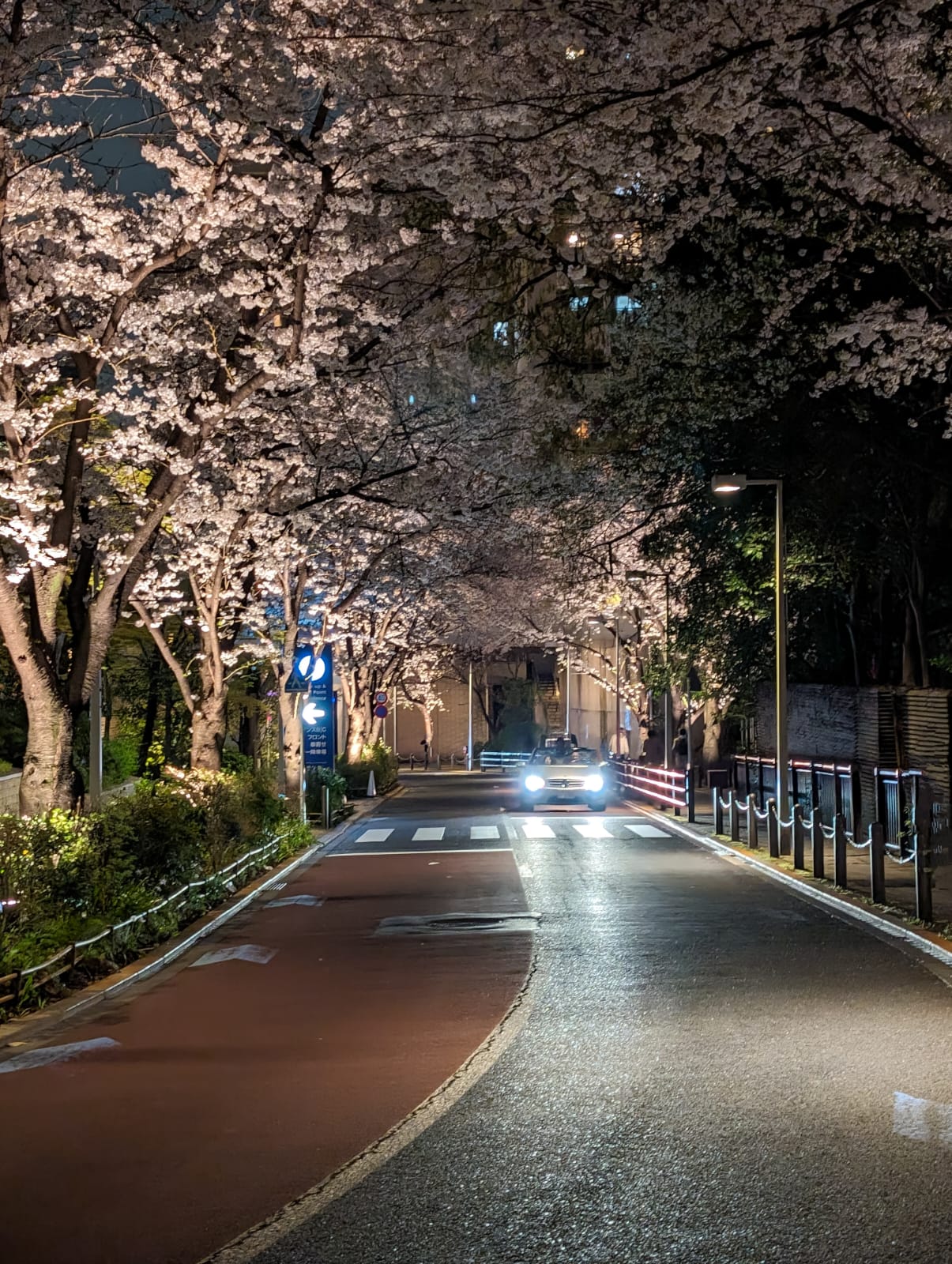
Sakura-zaka is a street that is located off Keyakizaka behind Roppongi Hills. The cherry blossoms are so good here that they literally named the street – cherry blossom slope – or Sakura-zaka after Sakura trees. The sights were even better when we visited during the night when the whole street decorated with illuminations on the Sakura trees.
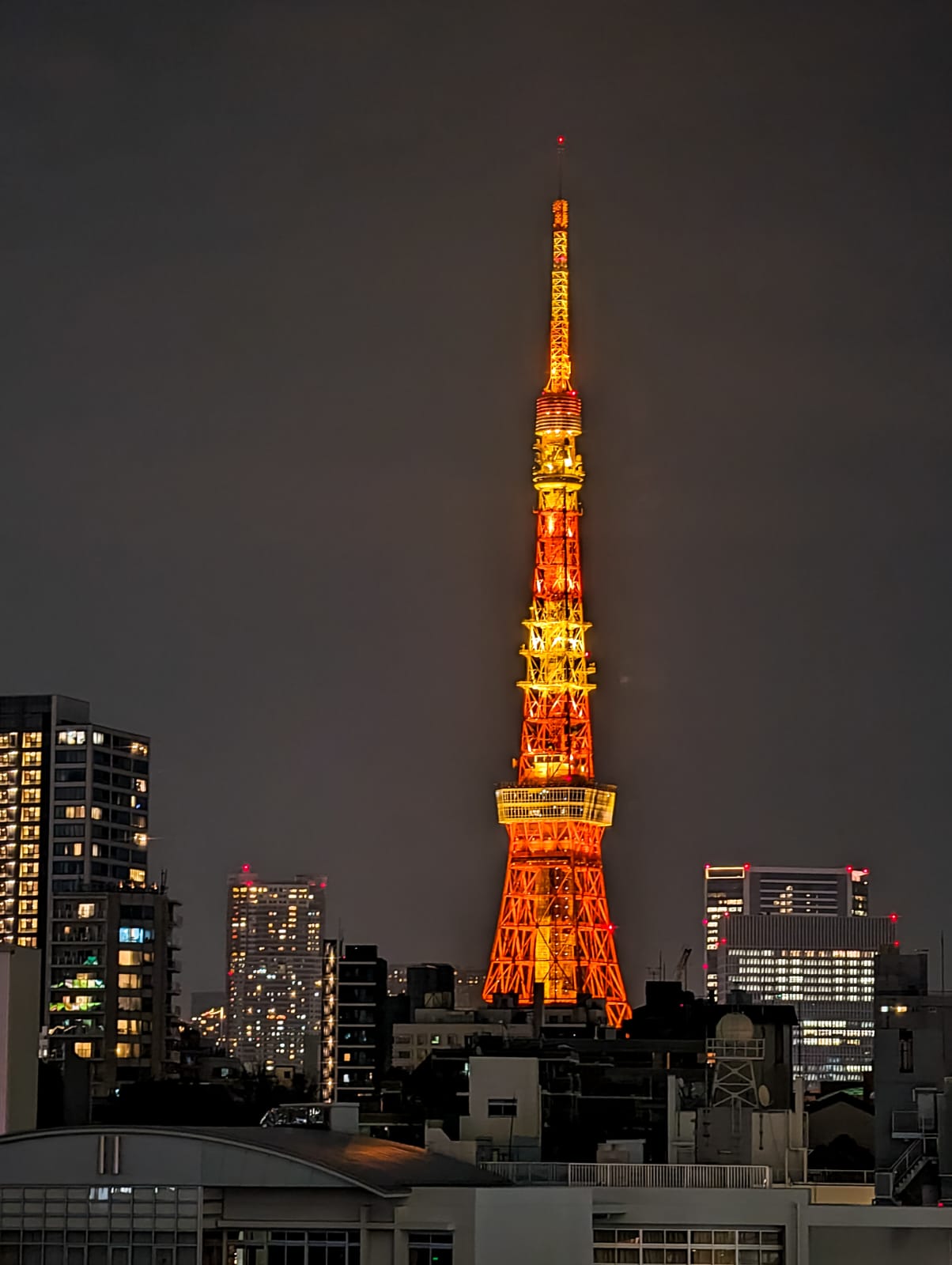
The Tokyo Tower is a miniature version of the Eiffel tower located in the Rappongi area and can be spotted standing tall and lit in its golden hue, during the night.
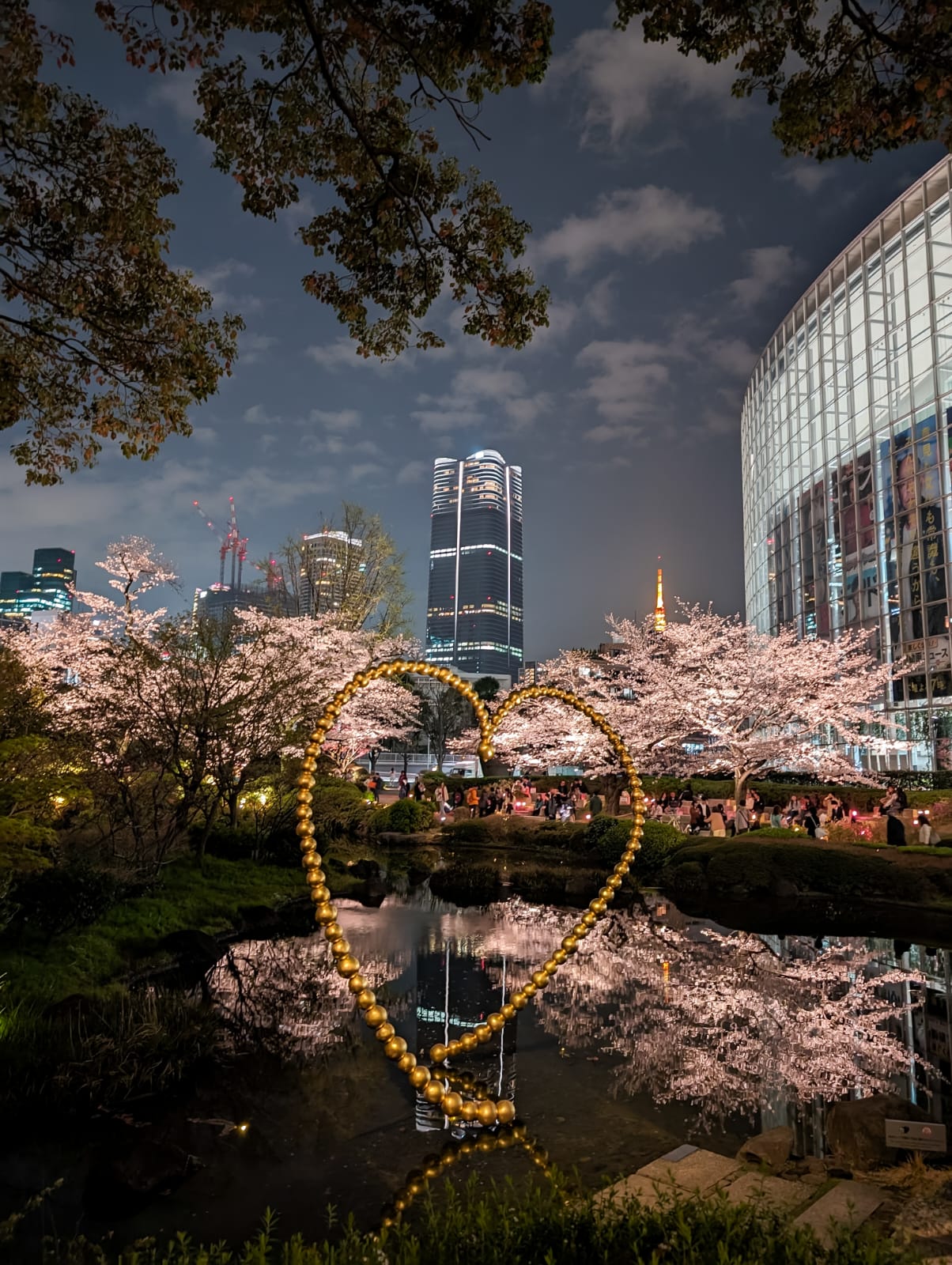
Mohri Garden, located in the center of the busy Roppongi district is a small traditional Japanese garden with a pond at its center. With numerous cherry blossom trees in full bloom filling up the gardens, it is quite a sight when visited during peak cherry blossom season. It gets even better during the nights when the Sakura trees get illuminated throughout the gardens and illuminated Tokyo Tower in the background, making up for an amazing spot to visit in the night.

Day Two
Morning: Visit Shinjuku Gyoen National Gardens
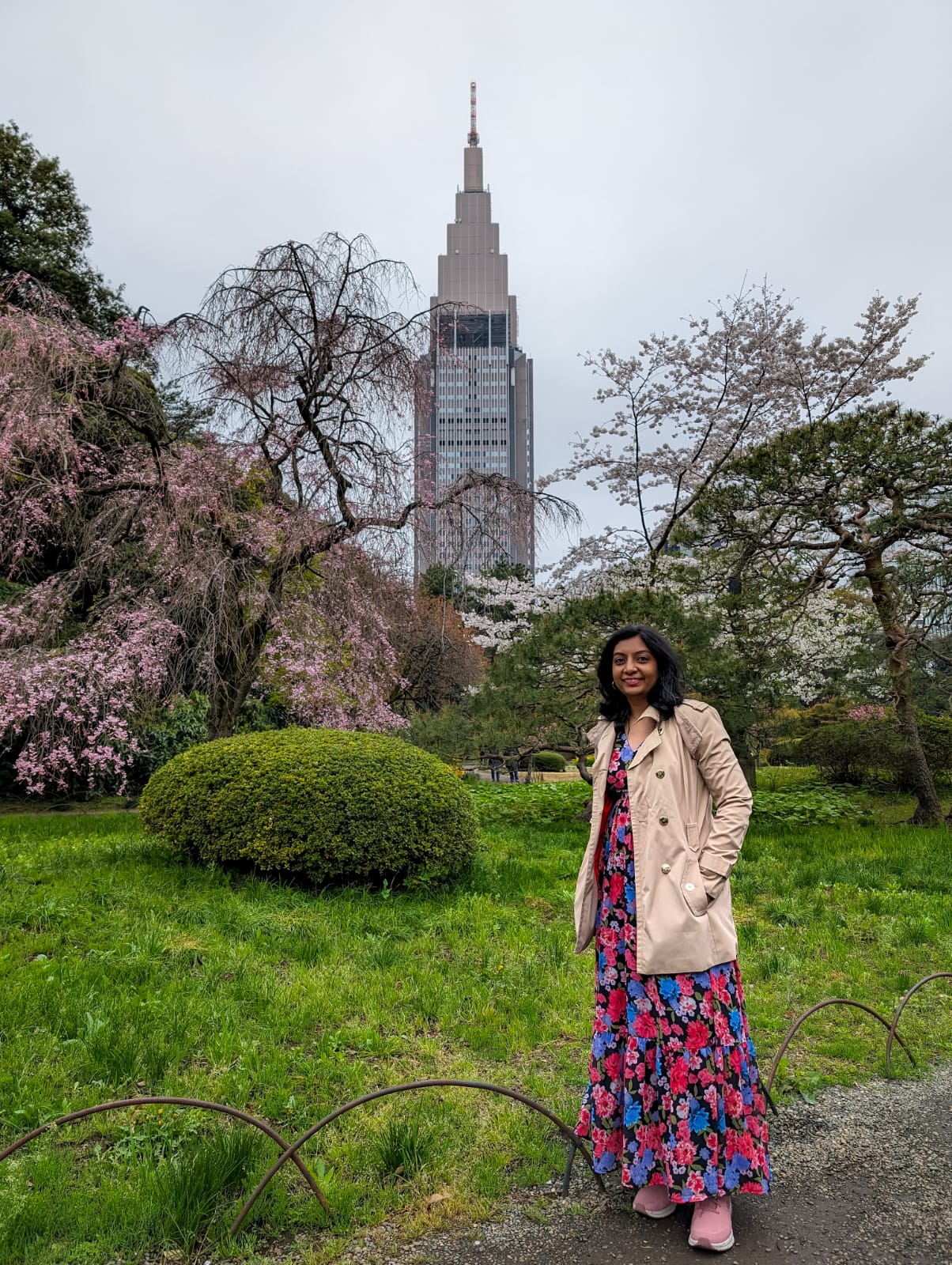
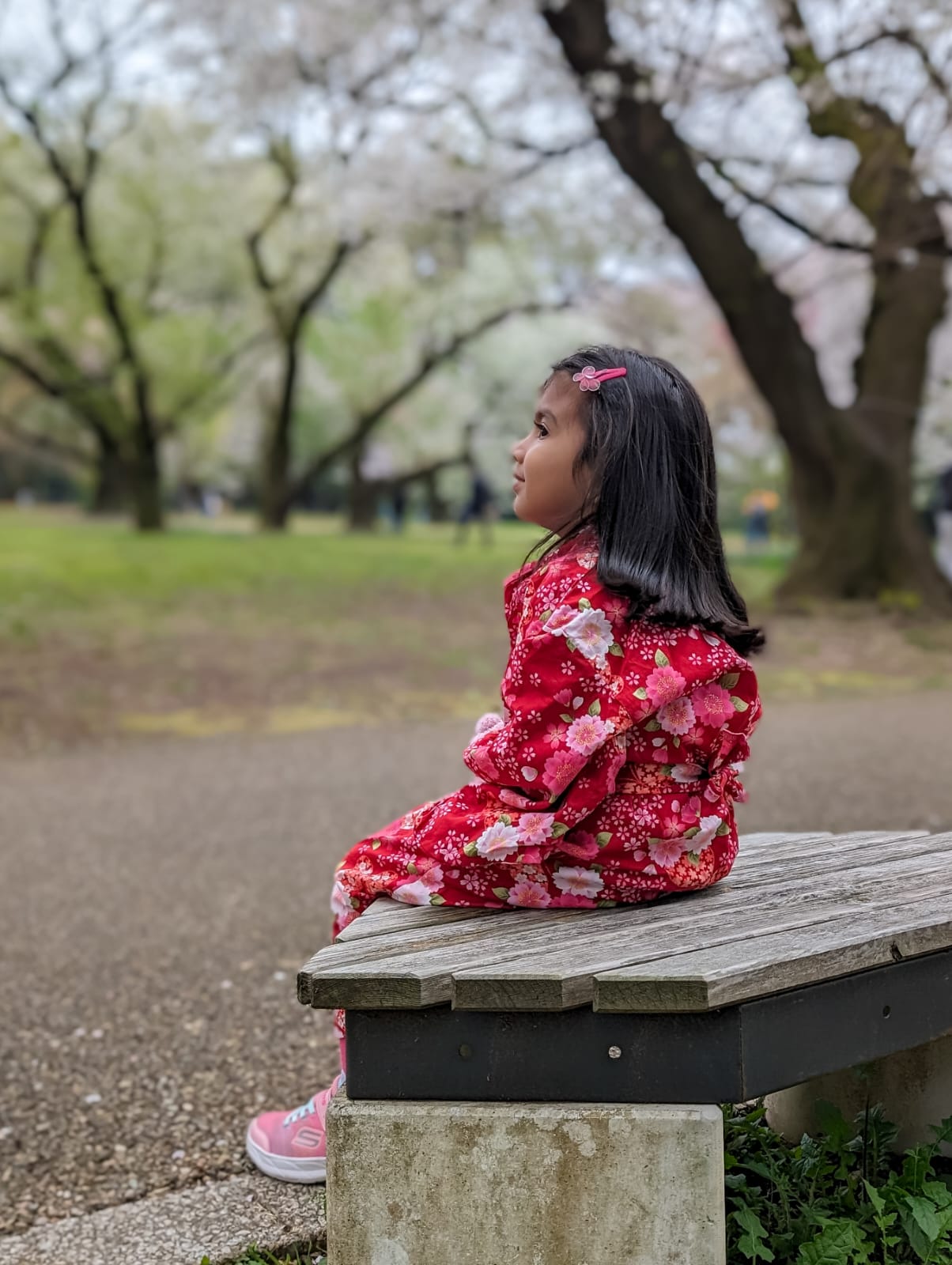
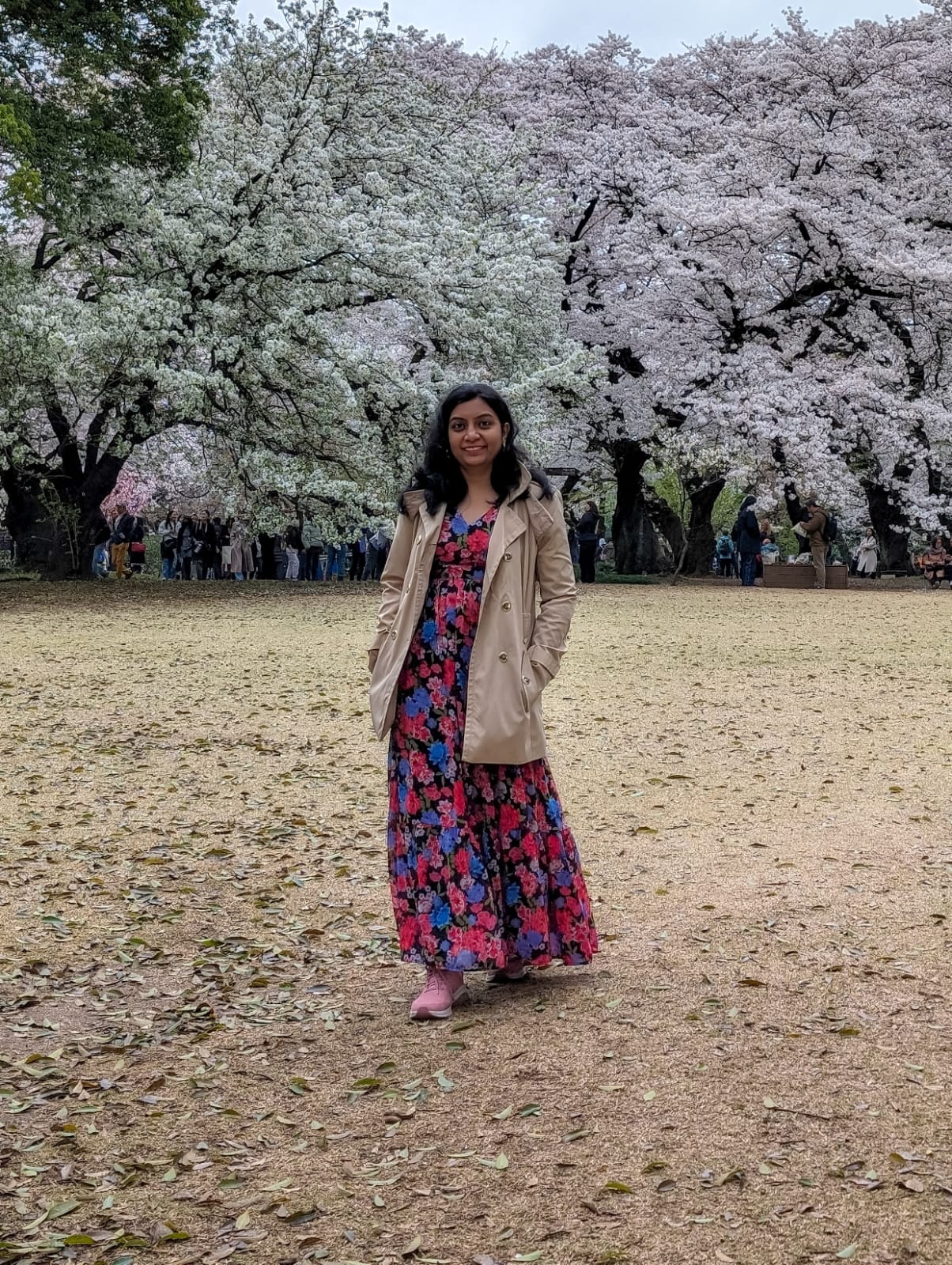
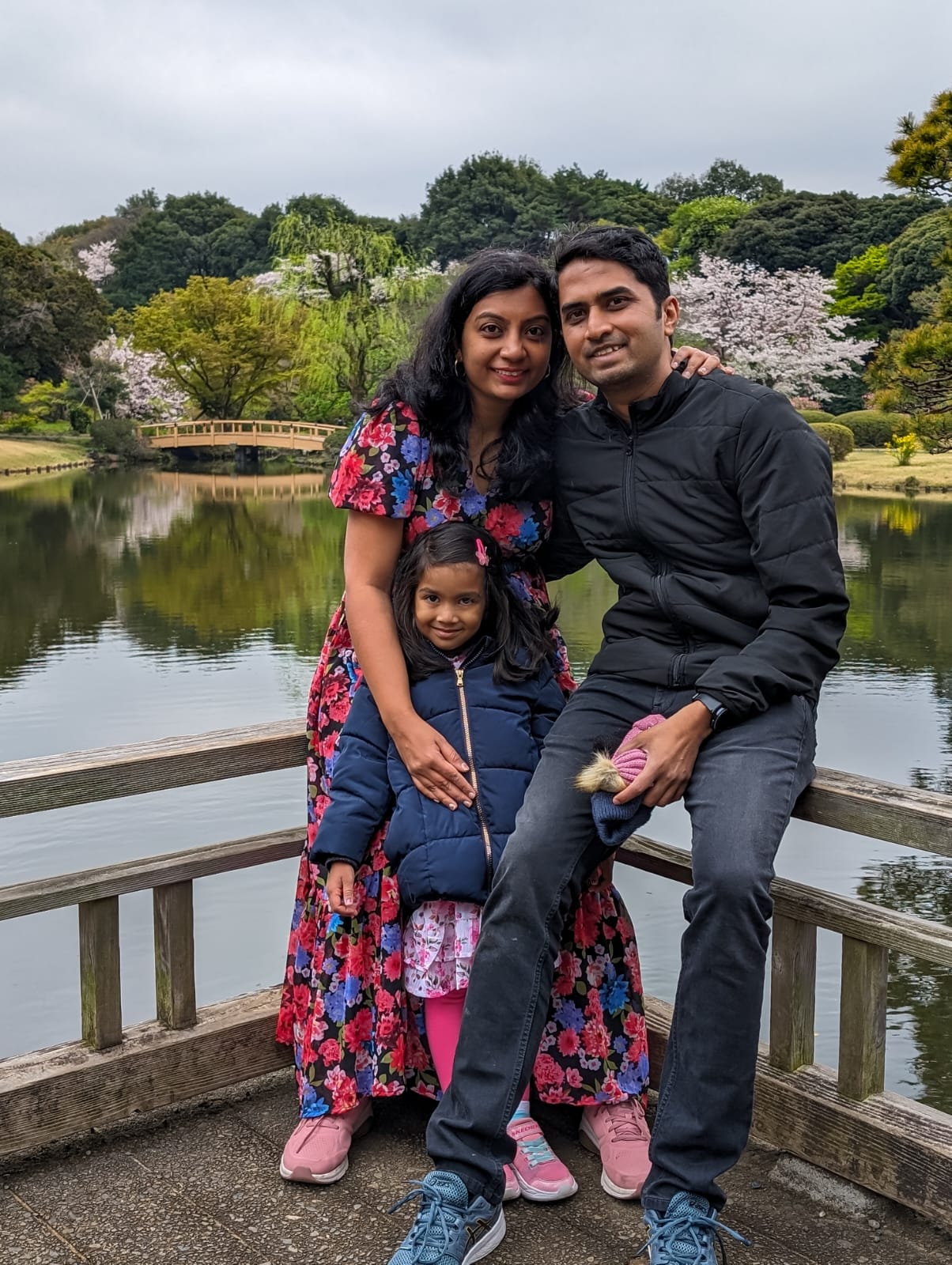
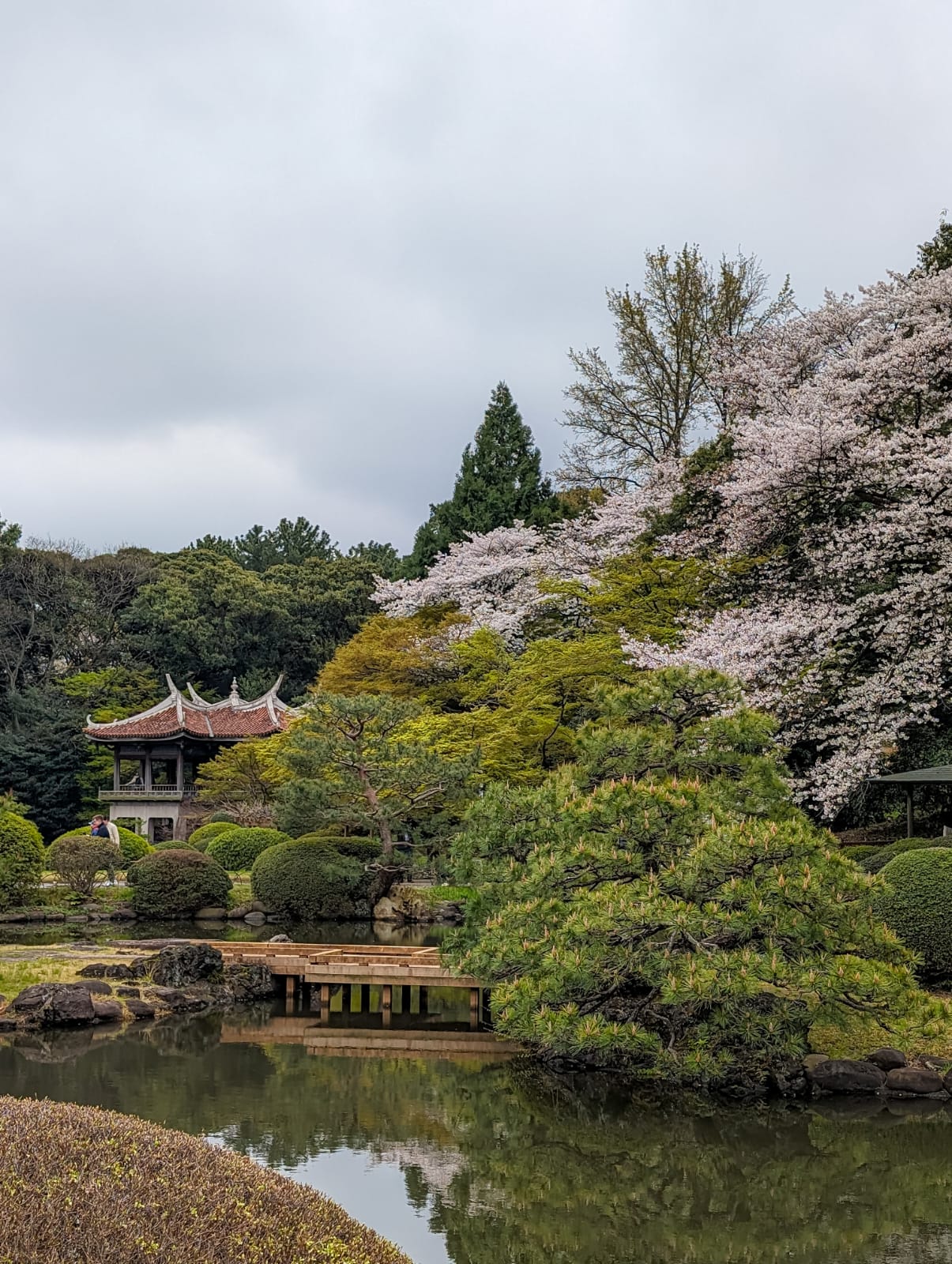
We left early this day towards the busy Shinjuku area. Our first stop on the day’s itinerary was the Shinjuku Gyoen National Gardens which opens at 9 am. Located close to the Shinjuku station is Tokyo’s largest and most famous park. It is one of the top spots for cherry blossoms during the full bloom in Tokyo. We entered through the Shinjuku gate and there was an entry fee of 500 Yen per person. It is a traditional Japanese garden spanning across multiple acres and is very similar to the Central Park in New York, but Japanese style. There are different varieties of cherry trees on offer, including the early and late blooming varieties, and so, offers something for people who miss the main season. Shinjuku Gyoen is also nice to visit during autumn when the leaves change. There are a lot of different types of trees that change colors around the park including the famous maple trees. We spent an hour around here before exiting through the Sendagaya Gate.
Afternoon: Visit Meiji Jingu Shrine and Yoyogi Park
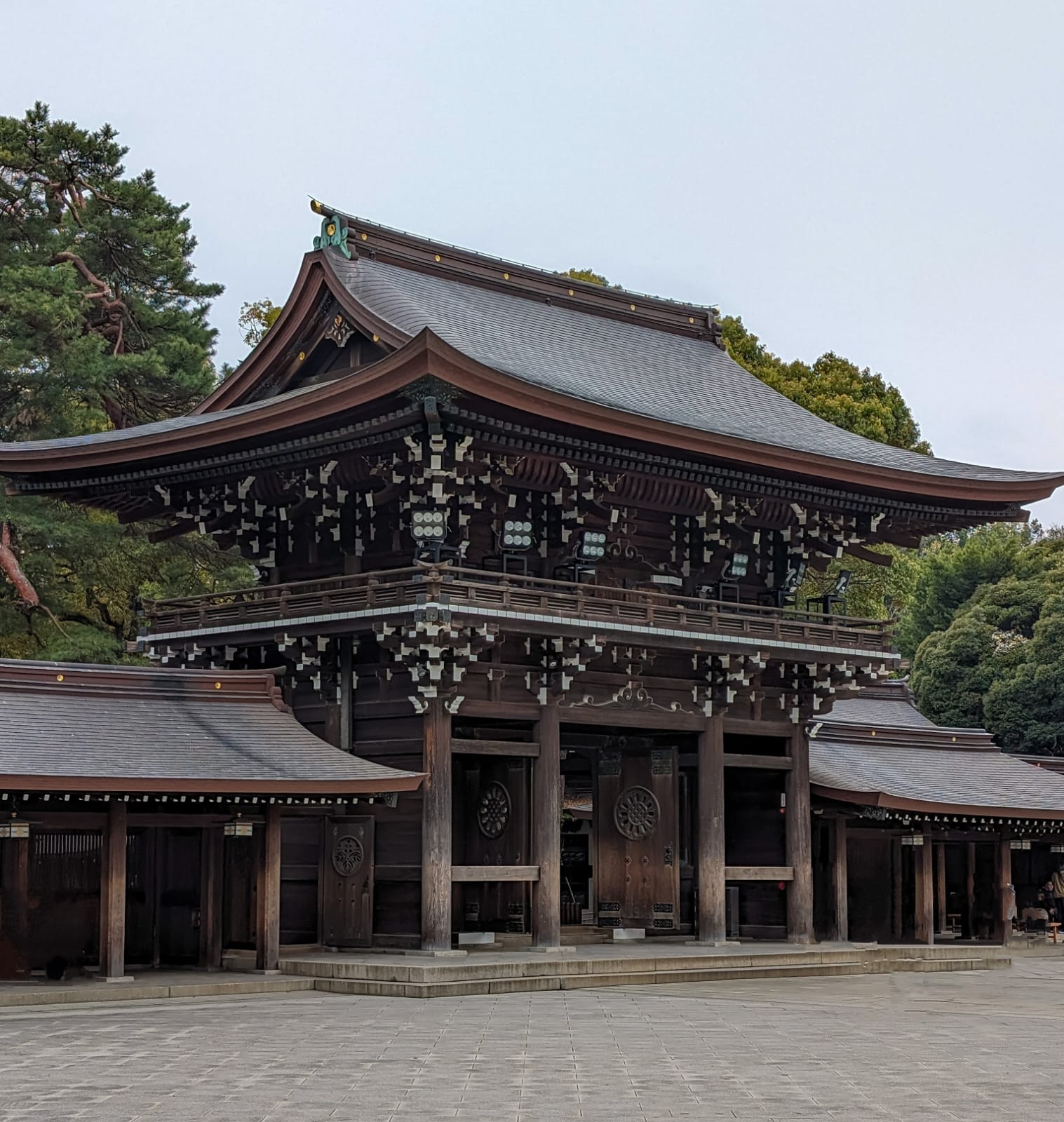
Meiji-jingu was established in honor of the late Emperor Meiji. Just like many places in Japan, the main shrine was destroyed in bombings and reconstructed later. The shrine has inner and outer gardens and we spent half an hour here.

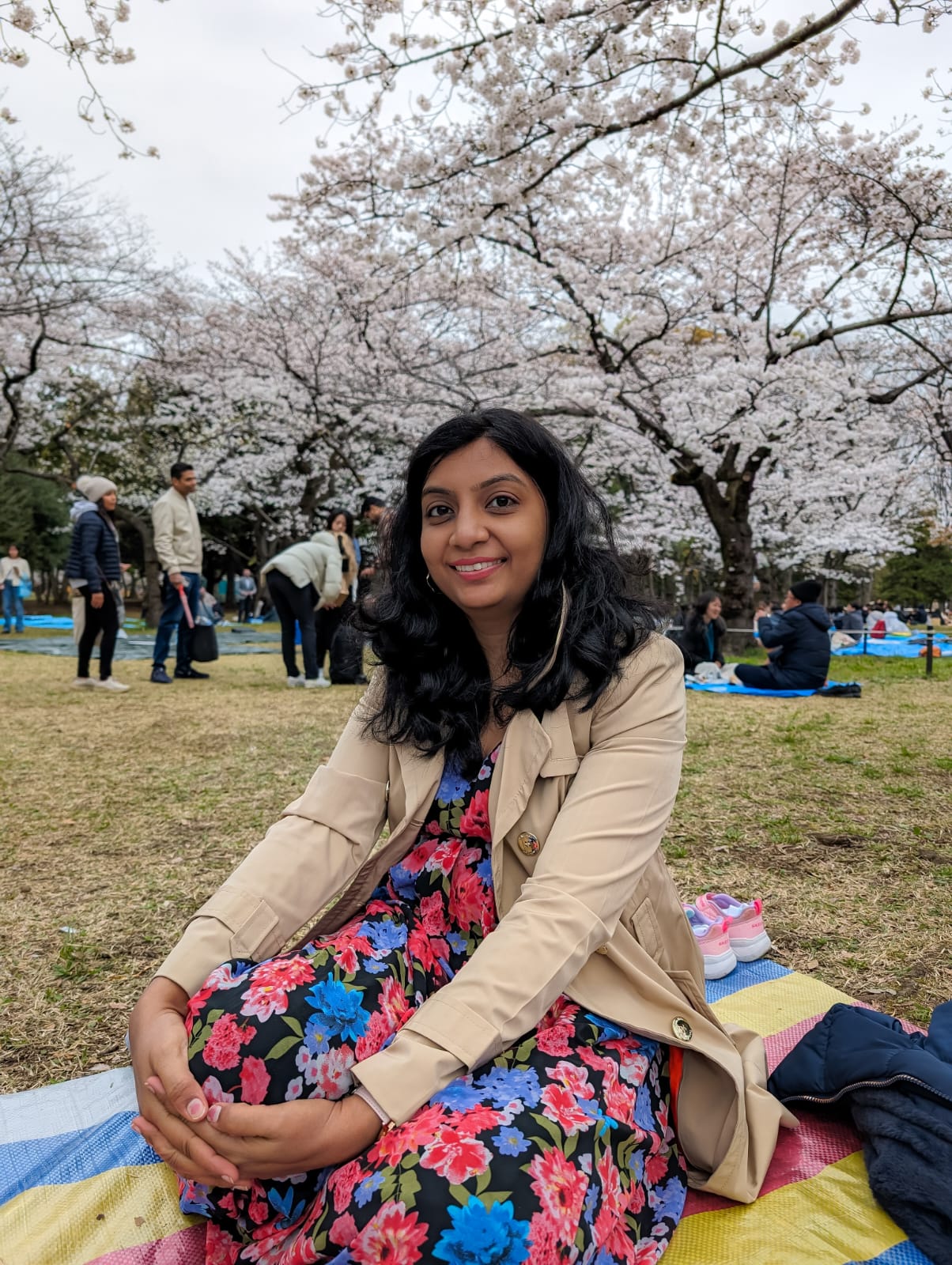
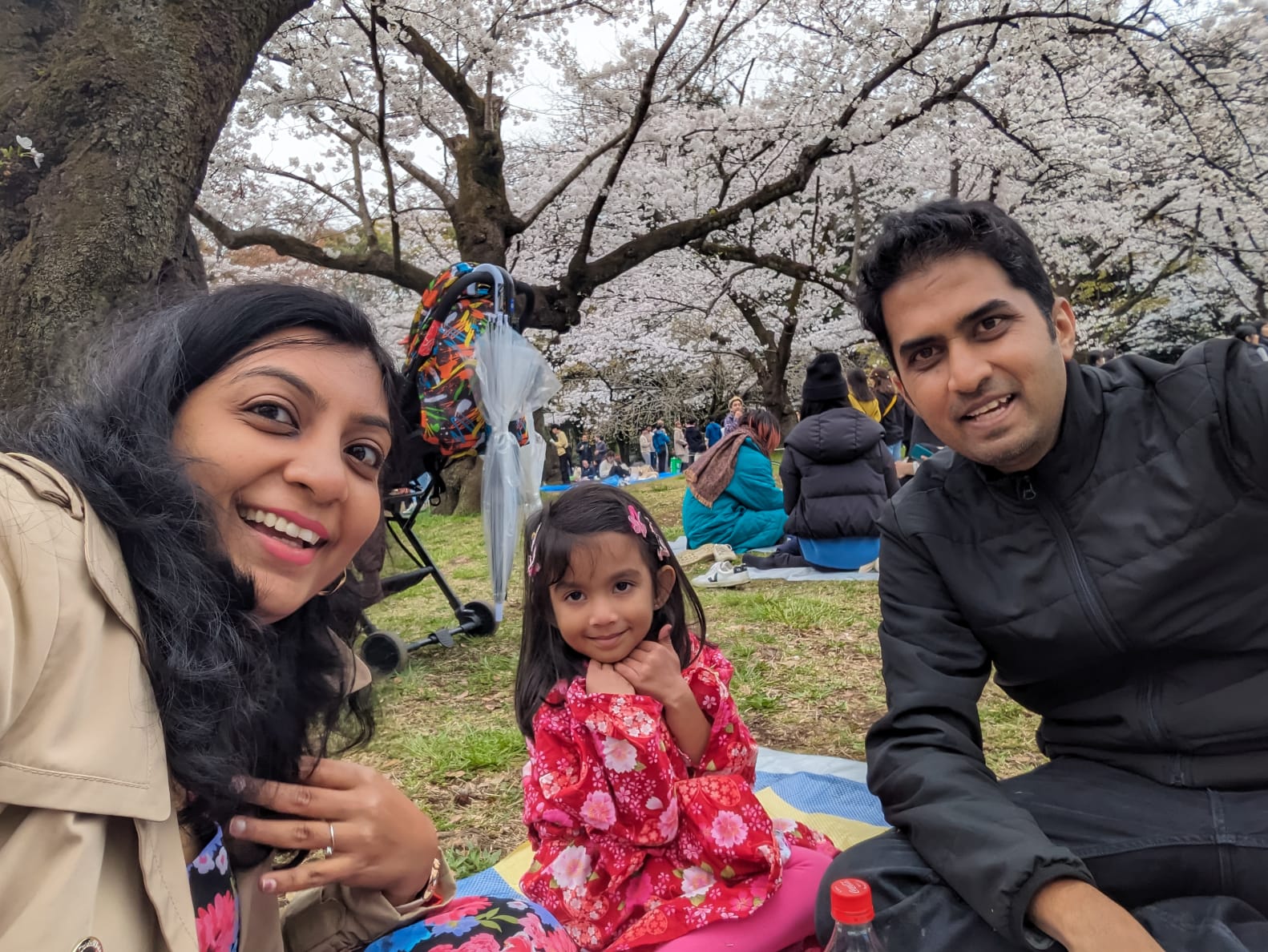
Located very close to the Meiji-jingu shrine is the Yoyogi park, one of the best places in Tokyo for Hanami during Sakura Season. The spectacle of hundreds of people enjoying picnic under the endless cover of Sakura Trees in full bloom, various artists and performers showcasing their talent at various places in the park makes for a wonderful sight. Even we had a lot of fun here spreading out our hanami mat, bringing out our picnic lunch as we spent an hour leisurely, soaking in the atmosphere around before moving on to our next stop.

Late Afternoon: Explore Harajuku and Takeshita Street
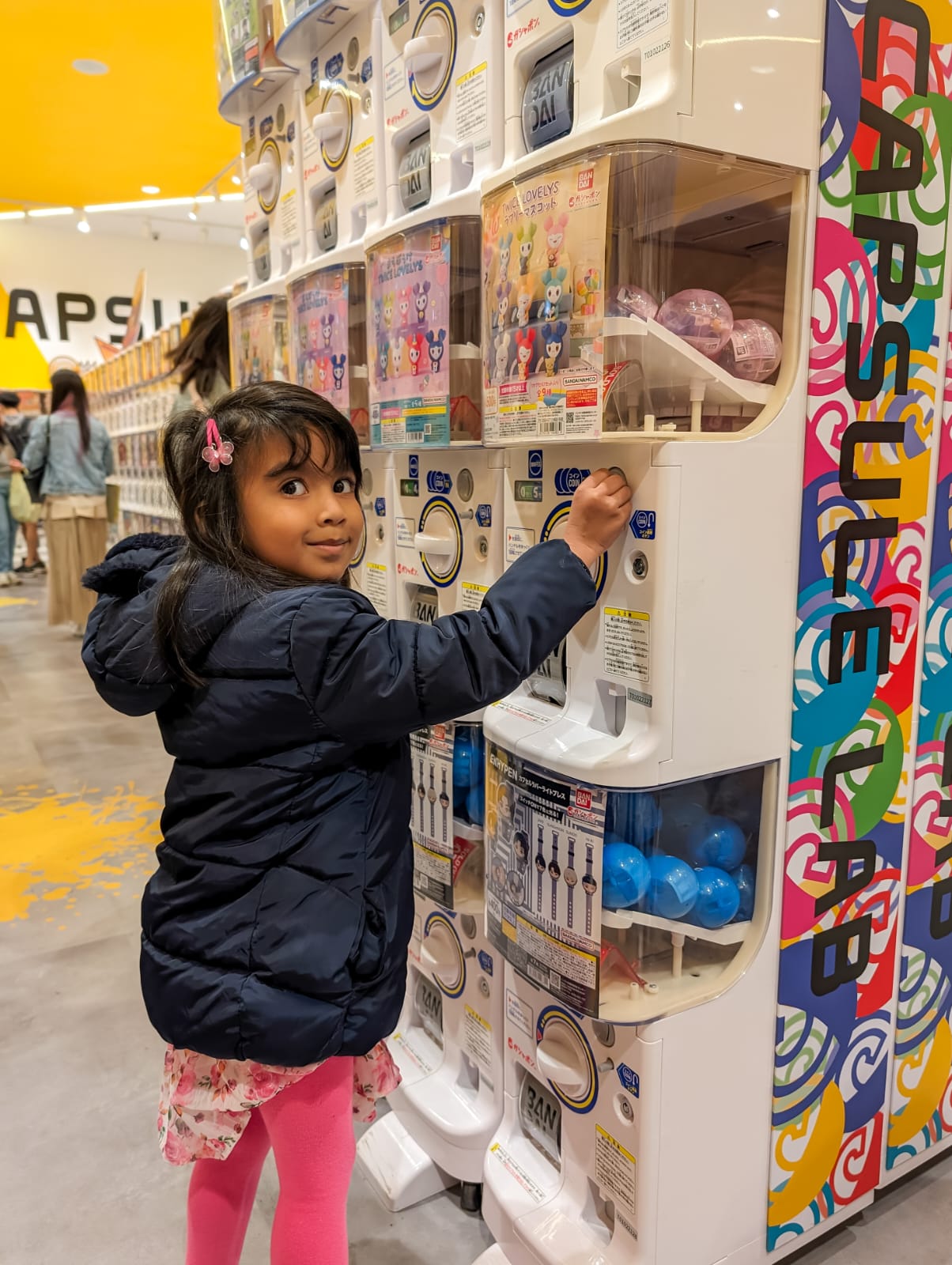
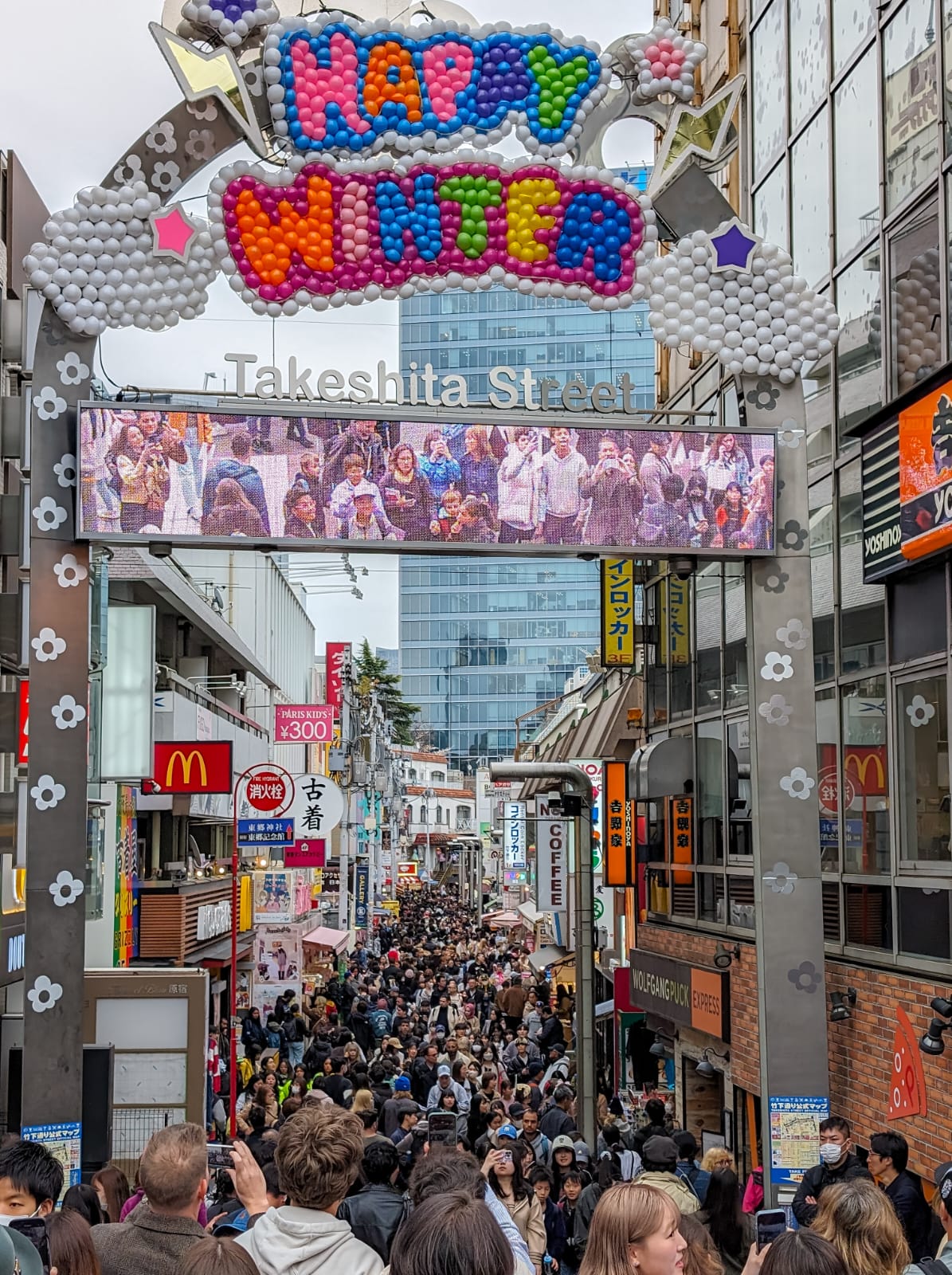
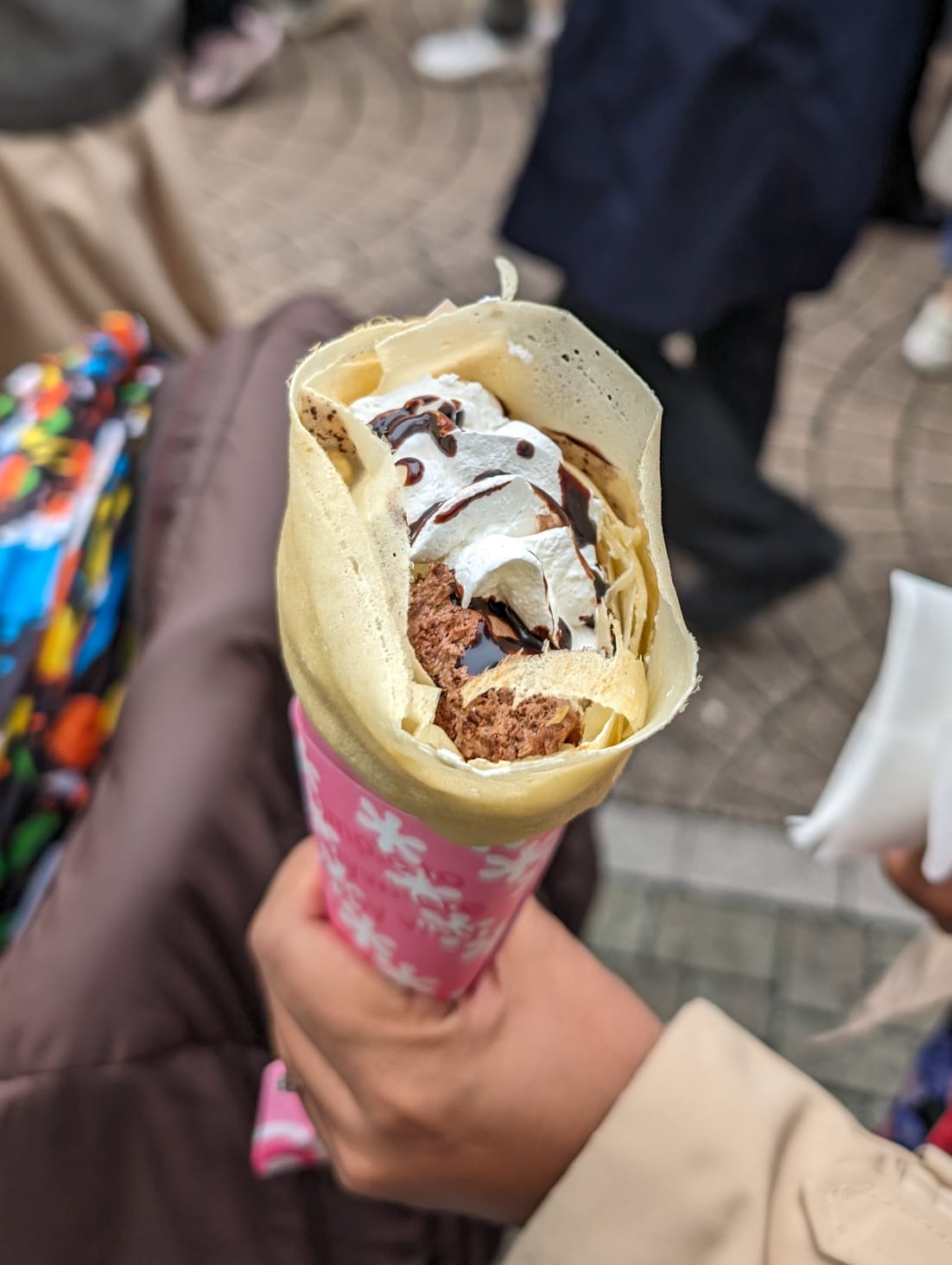
Takeshita Street is an extremely popular and crowded street in Harajuku area which focuses on youth centered shops – from colorful to outright wacky. You will find some of the largest collection of clothes and accessories for the young. It’s also a paradise for sweet lovers – particularly famous for the fluffy, sugary Japanese crepes. You will also find some amazing collection of Gachapon/Capsule stores and the largest Daiso store as well. When we first reached the start of the street, we found it uninspiring, largely due to the crowd there. But as we started walking down the street, we started appreciating the little details more, all of which made for an interesting experience in the end.
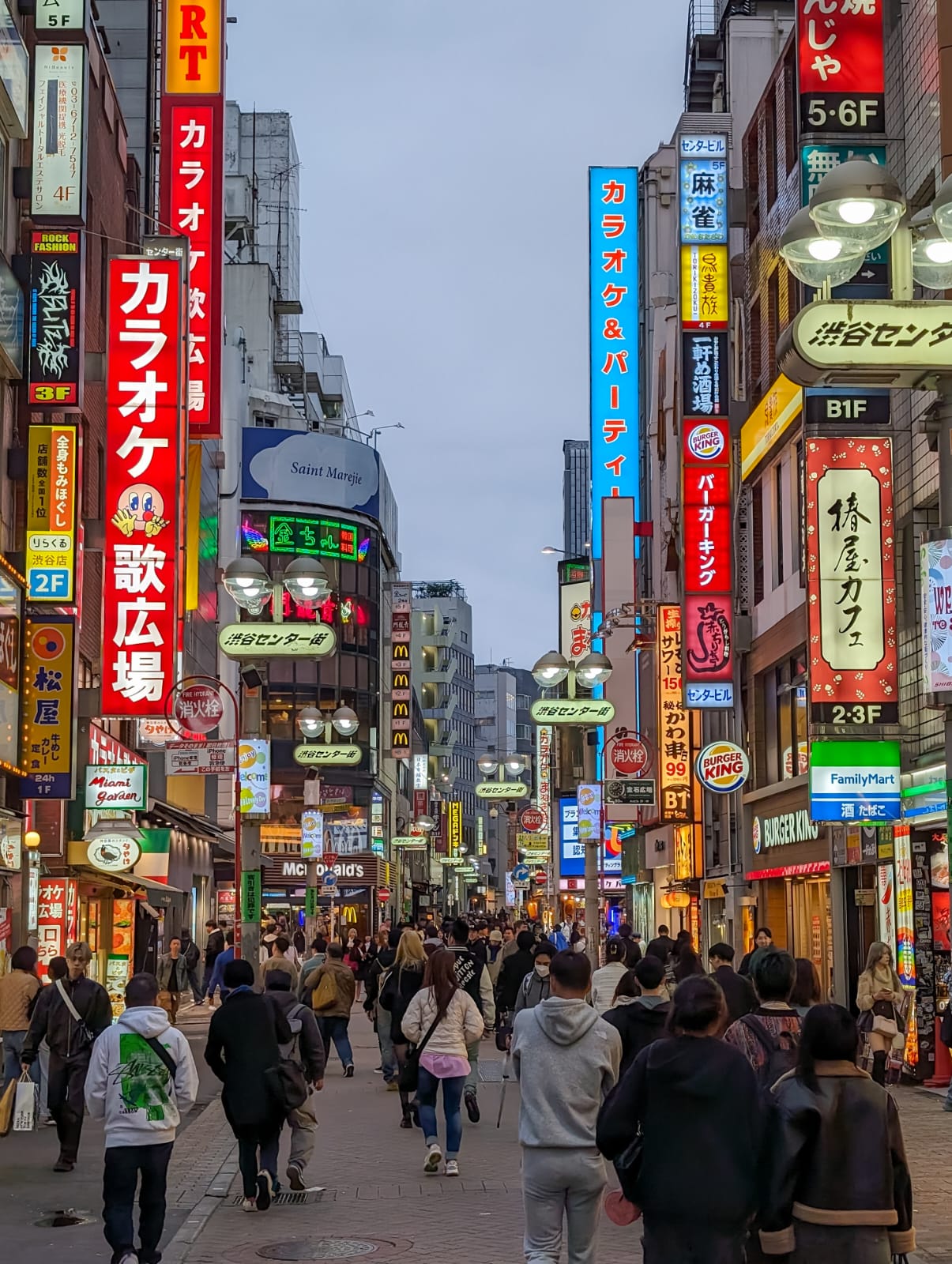
Evening: Visit Shibuya Scramble Crossing & Shibuya area
Shibuya Scramble crossing is an iconic landmark in Tokyo where you can see hundreds of people crossing the multi-cornered intersection at a time. Despite converging in mass from all directions, pedestrians skillfully manage to avoid colliding with one another. Seeing the crossing from above must be a item on the list of things to do in Tokyo. But unfortunately, in the recent past, the number of such avenues where you can watch the crossing from above have been drastically reduced or isn’t cheap/free anymore. The famous Starbucks located close to Shibuya crossing on one of the top floors was under renovation when we visited. There are some pubs/bars which one can visit to view crossing from above but they have all become very expensive and also required advance reservation. The only place we could find that offered a free viewing of the crossing from somewhat above was the Shibuya Mark City walkway (between Tamagawa Exit and Keio Inokashira Line Exit)
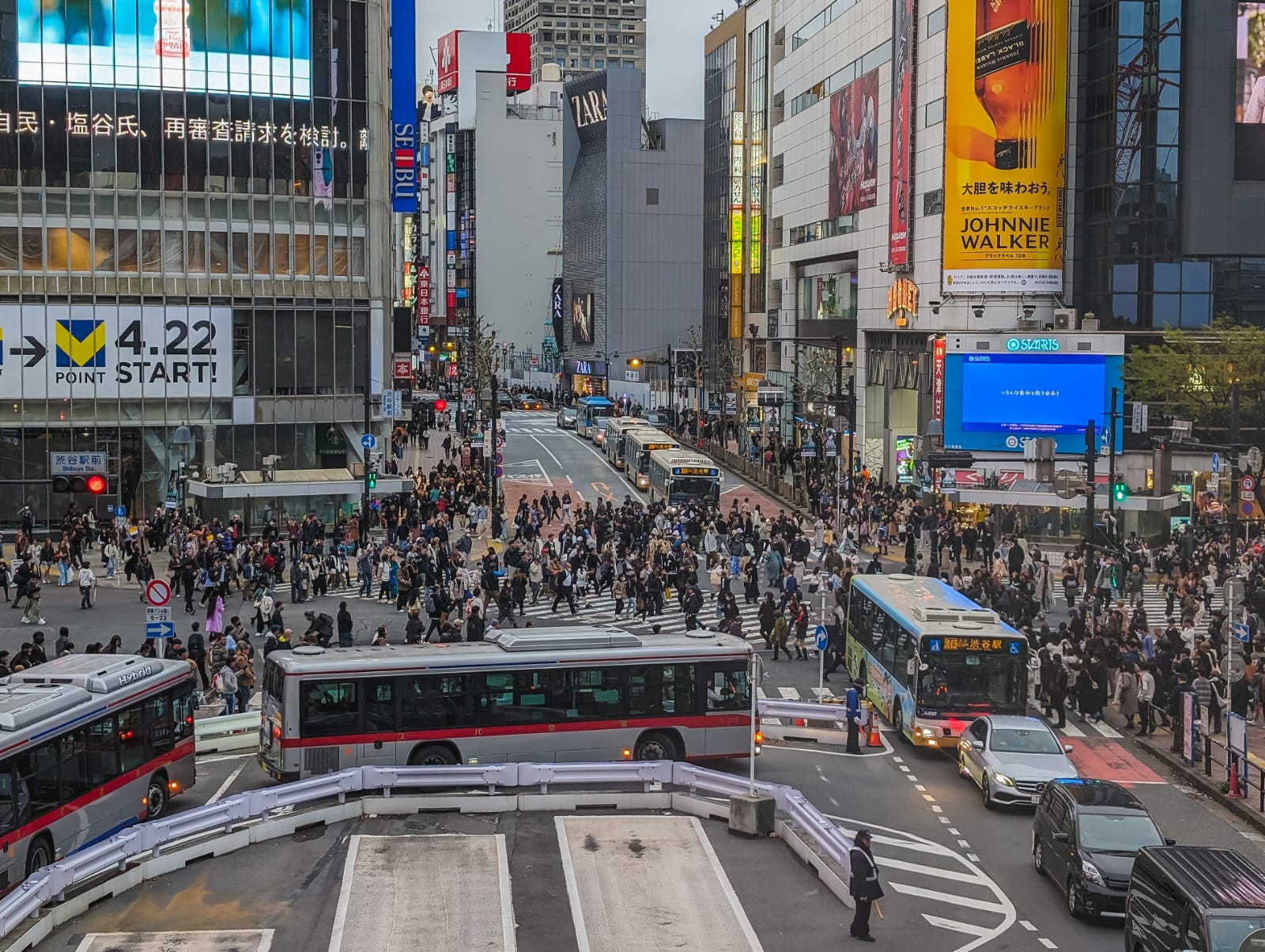
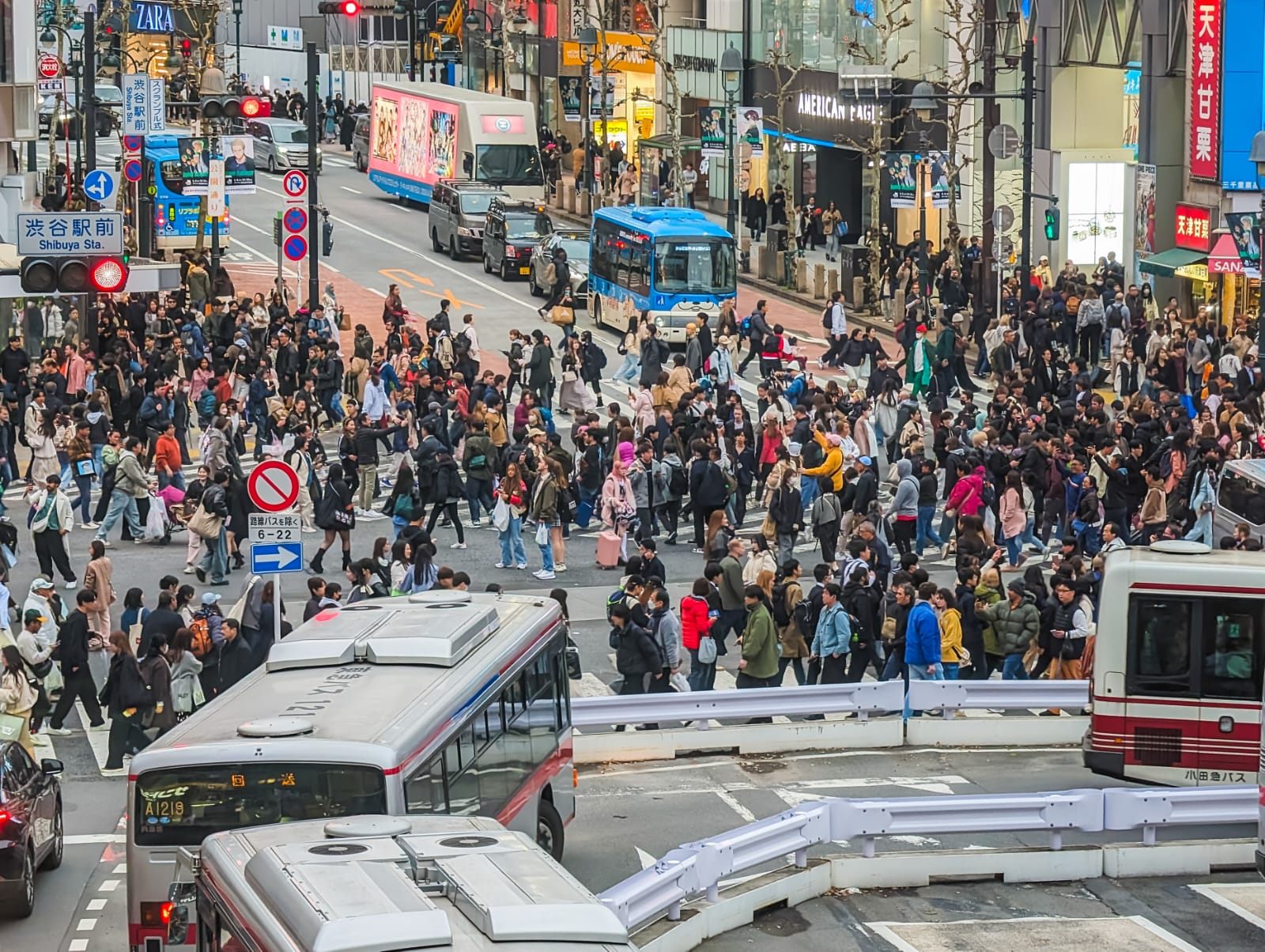
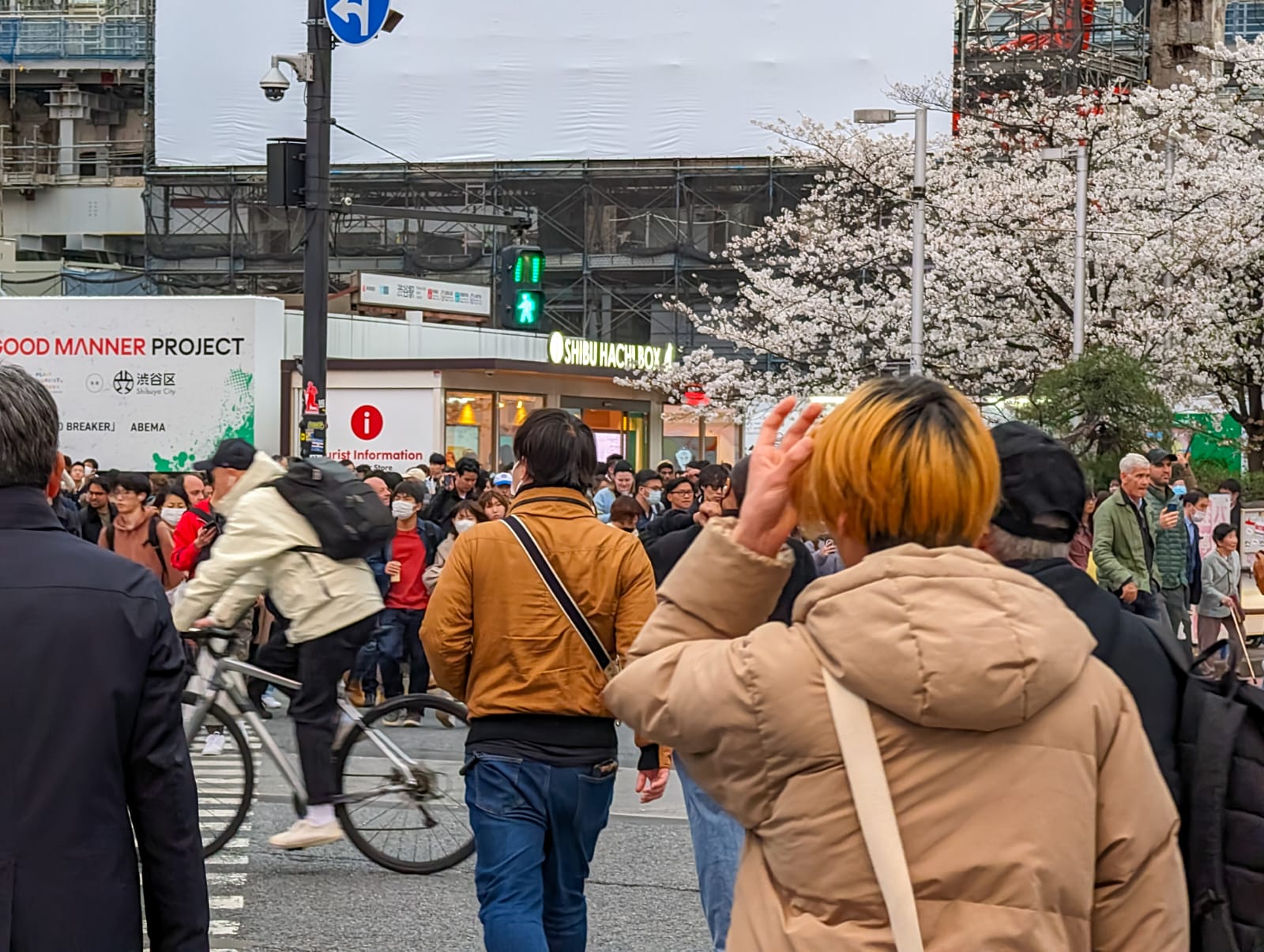
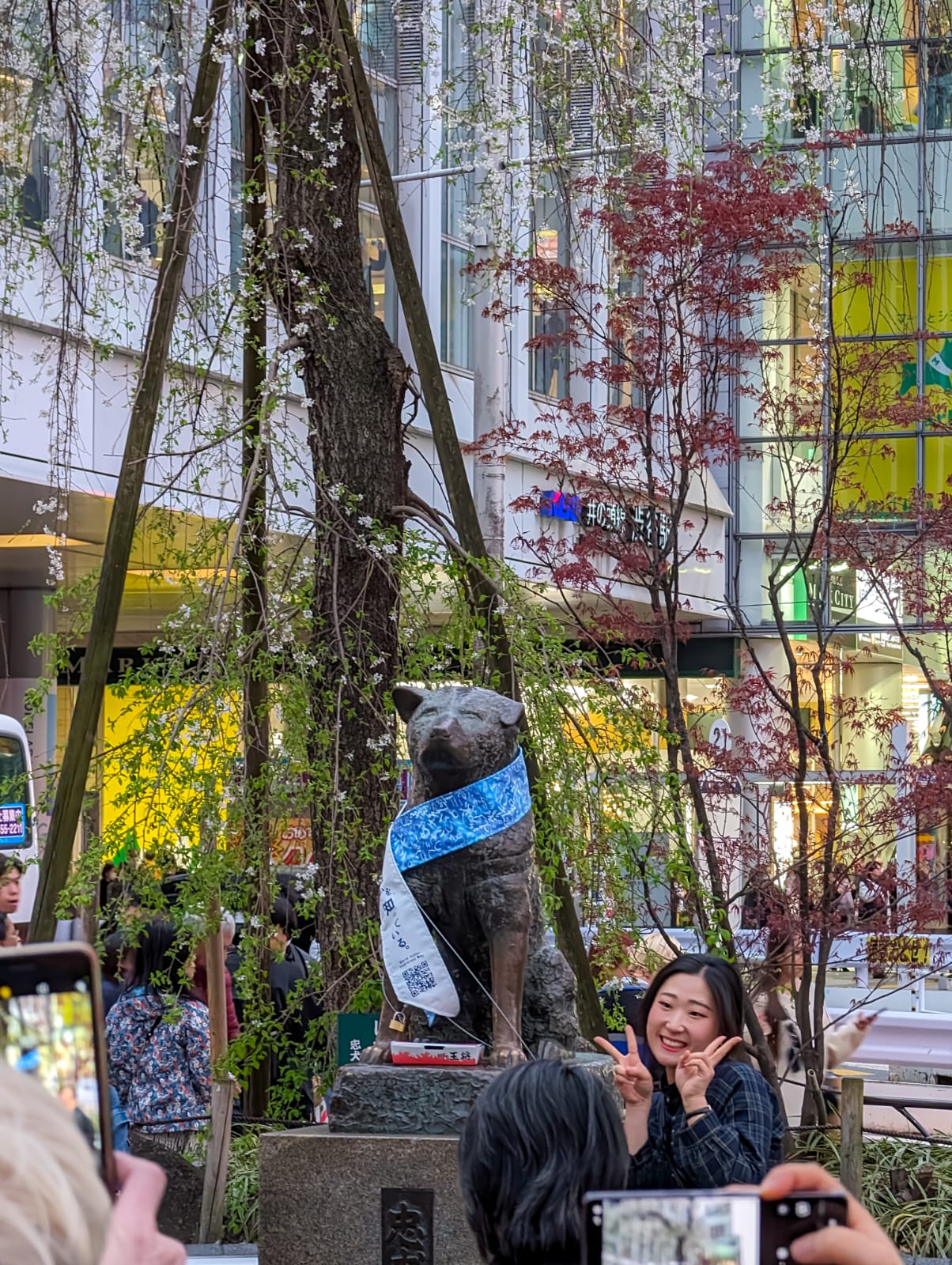
We then headed down to the crossing to get a piece of action ourselves. After going around the crossings a few times, we did a quick stop at the famous Hachiko Statue near the crossing.
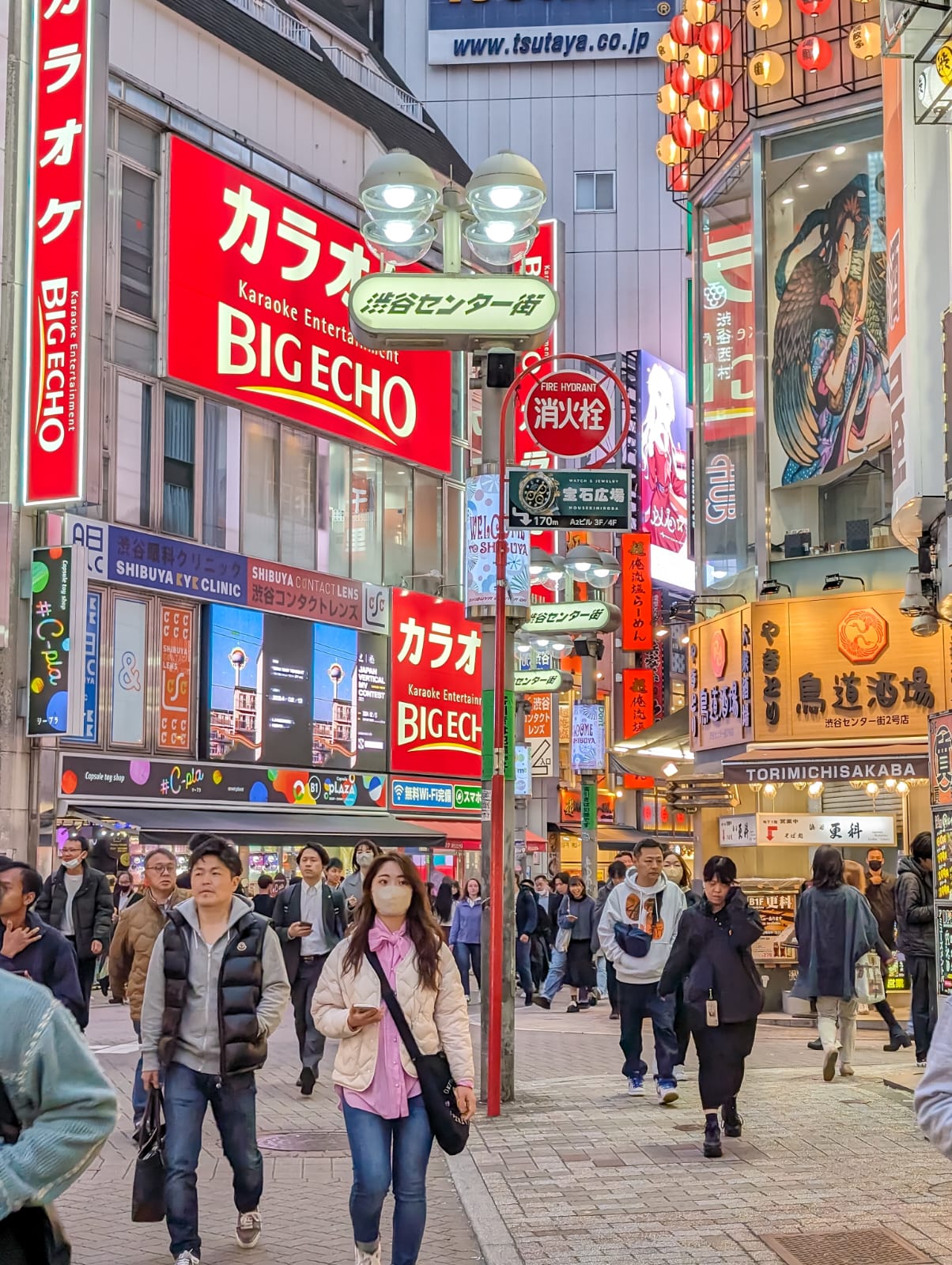
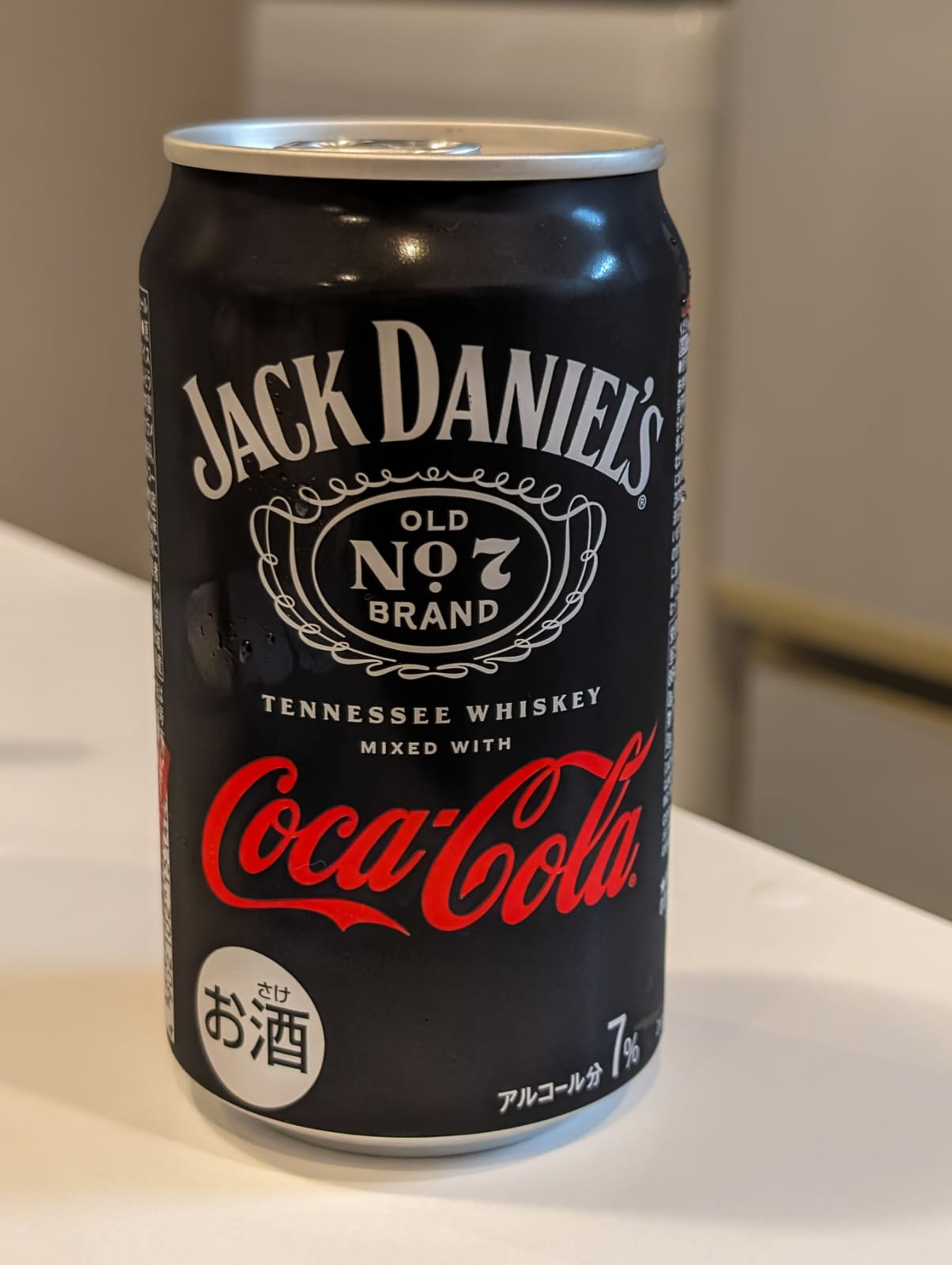
Our last stop in Shibuya (incidentally the one that consumed quite a bit of time as well) was the Mega Don Quijote store. One of the unique and interesting things about Japan is the various flavors of Kit Kat it has on offer (close to 40). We were able to find many of them in this Don Quijote store which we bought. I was told by my friend that there are some more flavors on offer in the airport also. Here is an interesting article related to KitKat flavors in Japan. Another interesting thing we found here was the coke flavored Jack Daniels whiskey available in a can.
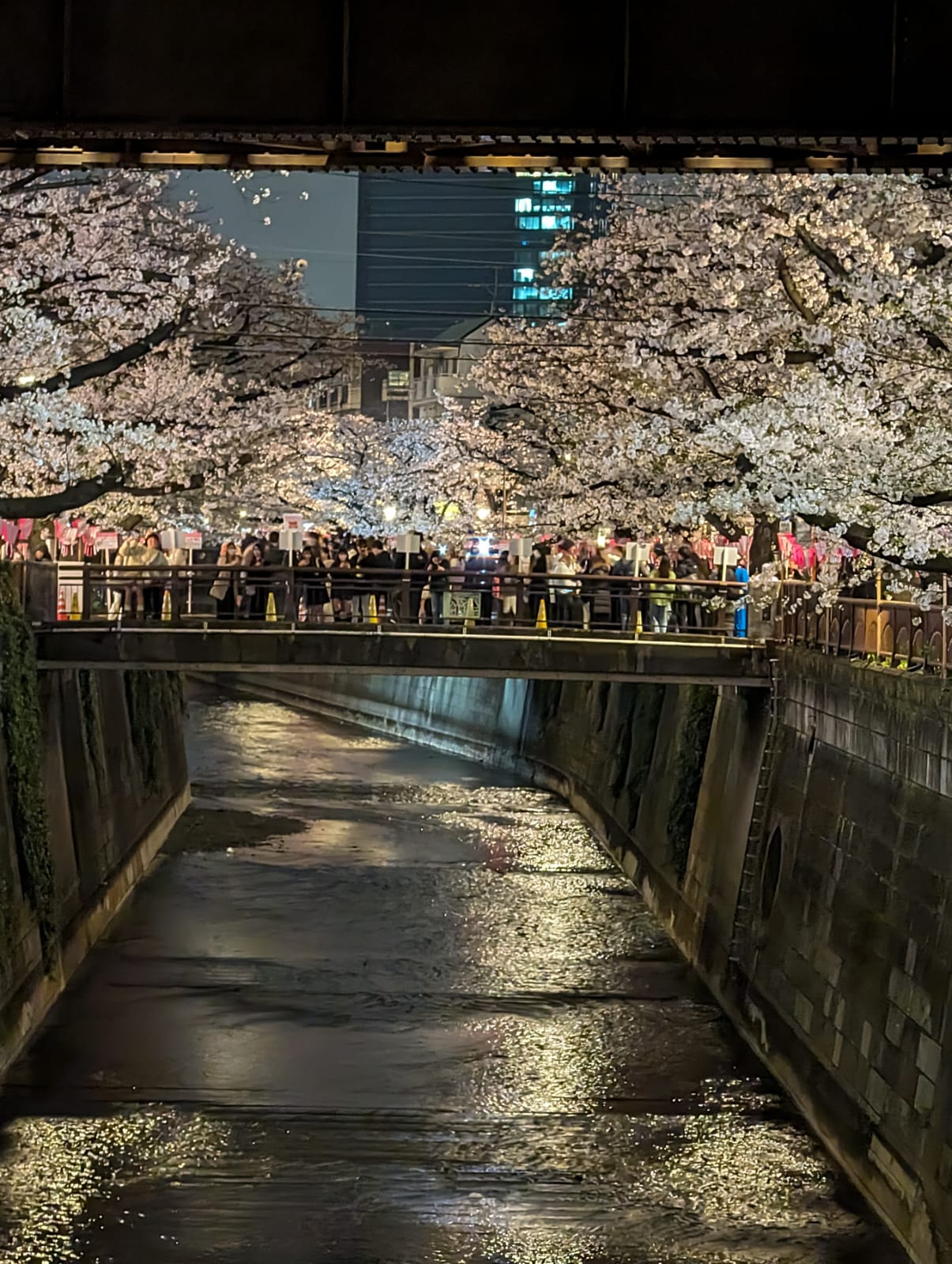
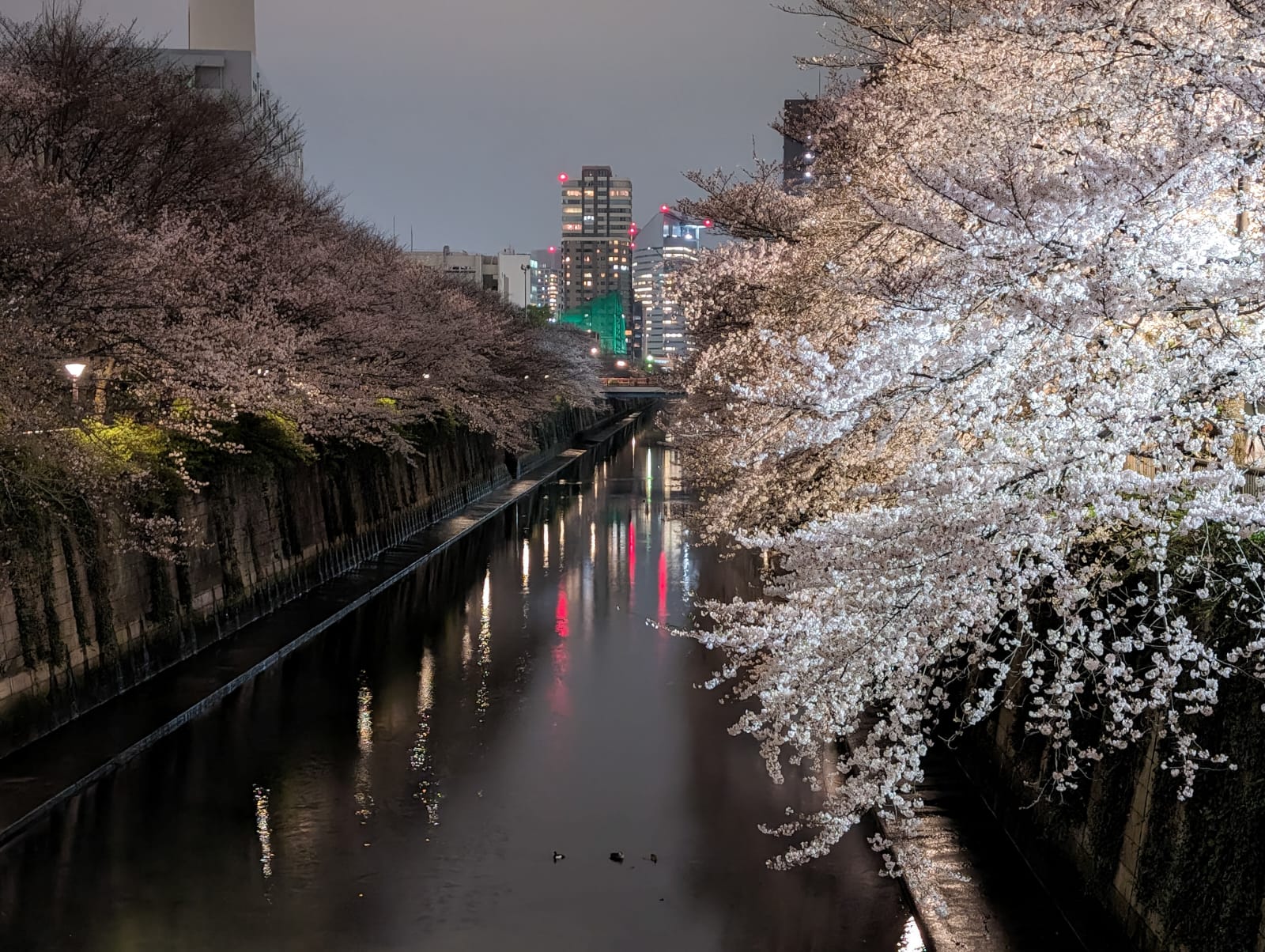
Late Evening: Meguro river night illuminations
One of the top spots for cherry blossoms is the Meguro river where you will find hundreds of the cherry trees lining up the river. The sight is even better in the night when the cherry trees get light up for a brief time. Do make sure to check the lighting hours and plan your visit accordingly.
Day Three
Morning: Visit Imperial Palace East Gardens and Chidorigafuchi Park/moat
The Tokyo Imperial Palace is the main residence of the Emperor of Japan. The present Palace encompasses the retrenchments of the former Edo Castle and currently not in use. The East gardens is one of the few places within the main grounds that are open to public. There wasn’t much to do in the gardens, not even for cherry blossoms viewing. But starting from the Tokyo station, it was on the direct path to the famous Chidorigafuchi Moat and the palace gardens served as a convenient passage to the Chidorigafuchi.
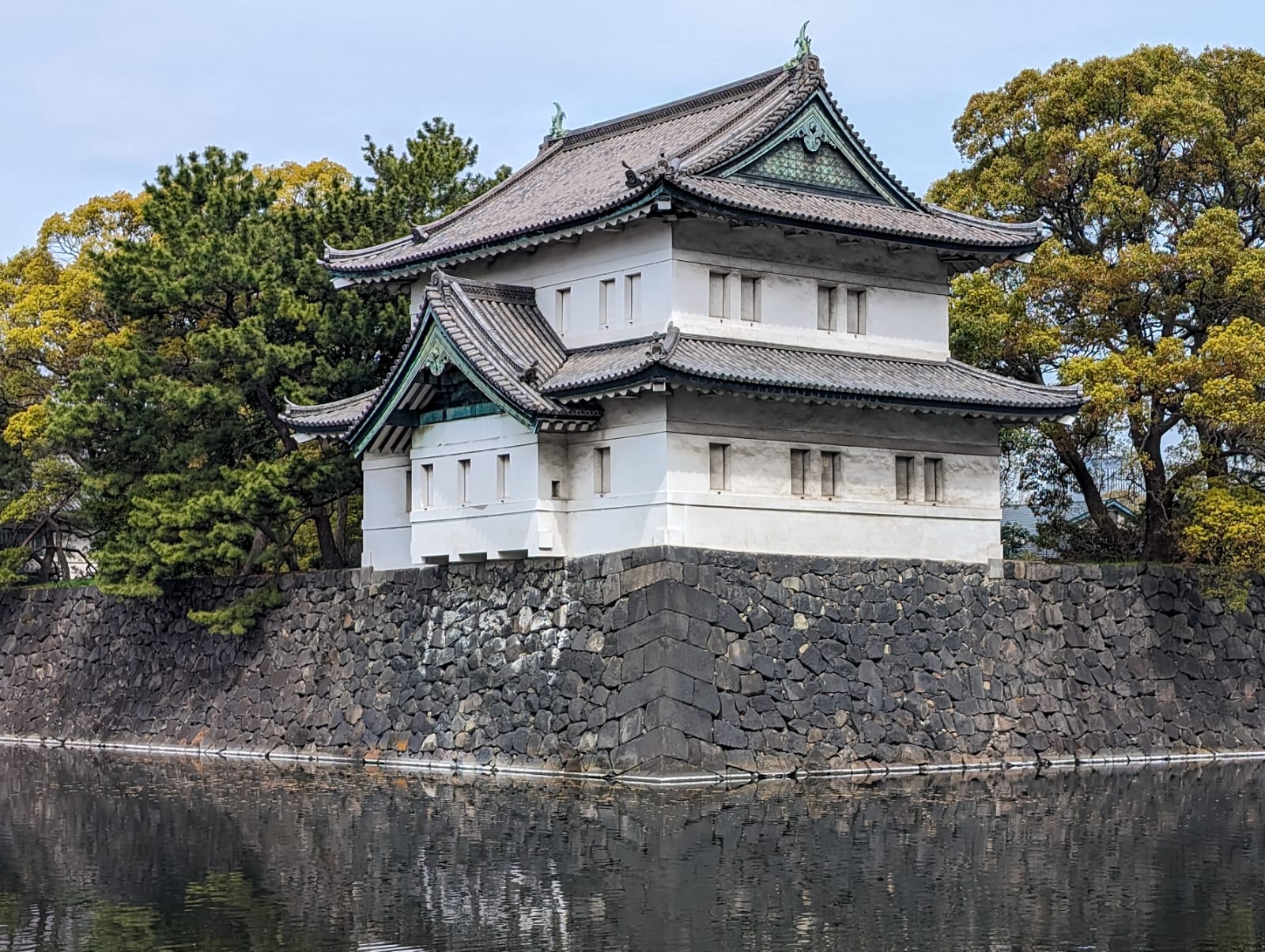
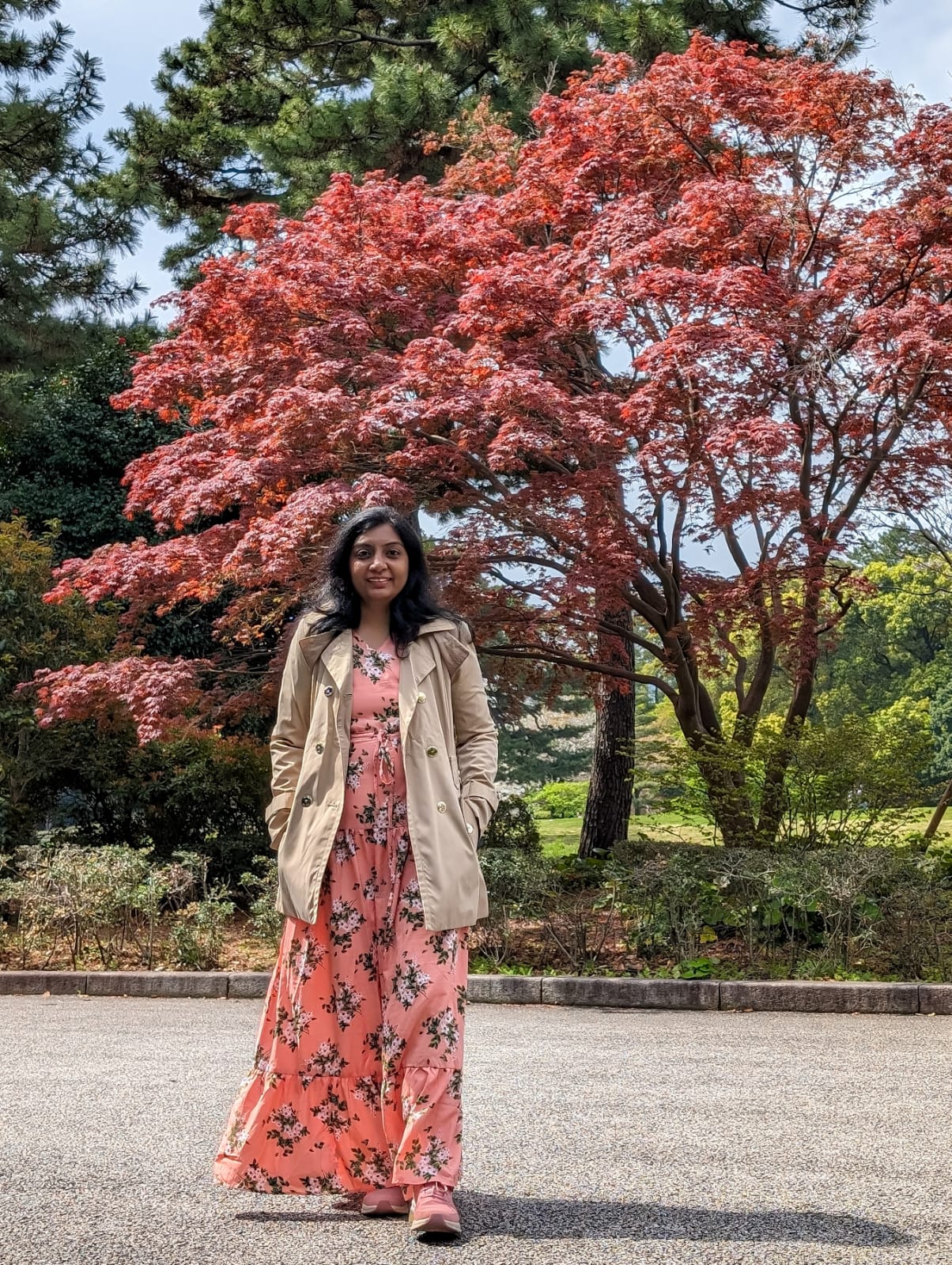
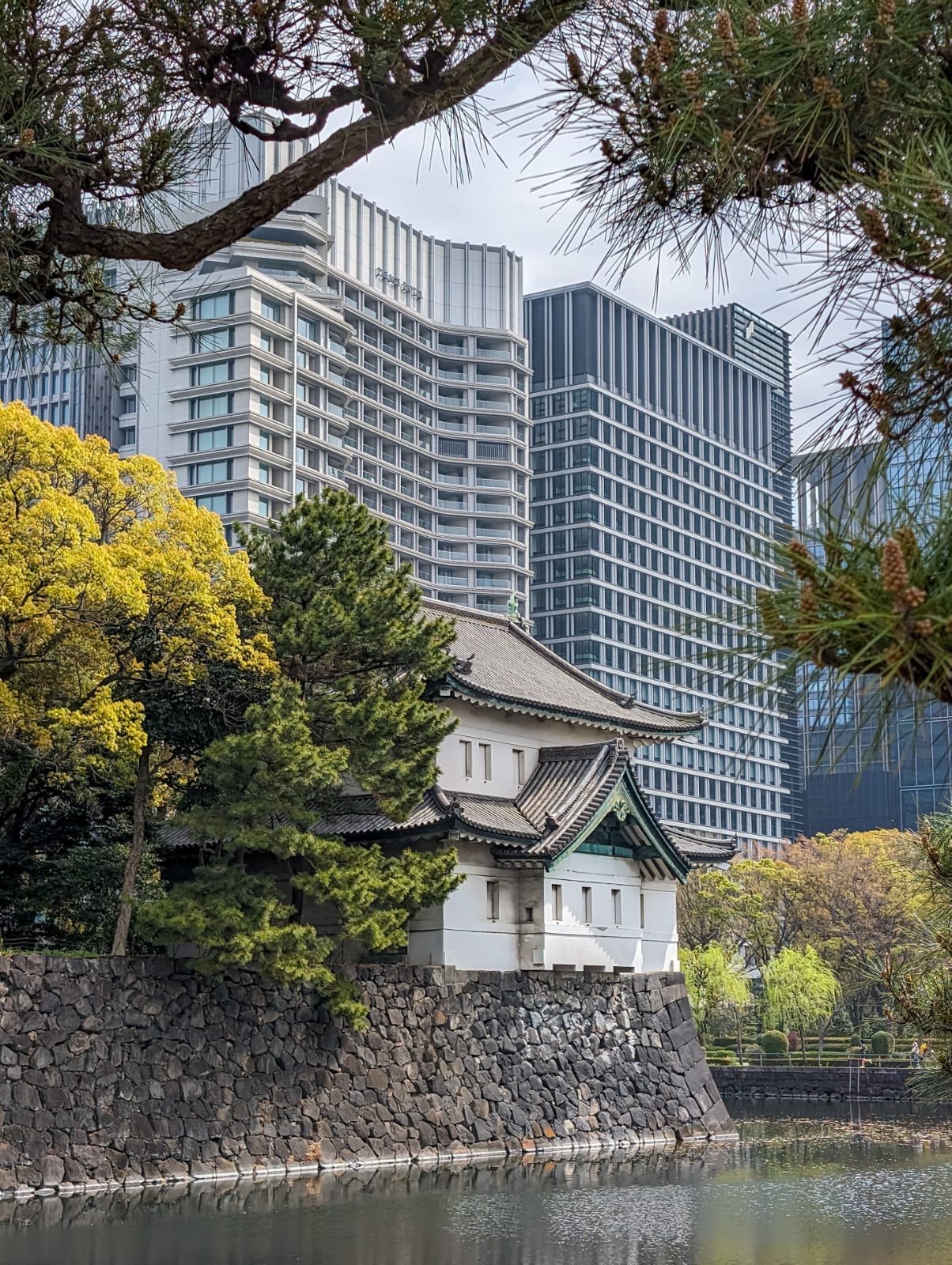
As you exit the Imperial Palace walls, you will run into the Chidorigafuchi Park and Moat. Both have beautiful cherry trees looking spectacular in full bloom, but the Moat in particular is mesmerizing and one of the best places to visit in Tokyo for cherry blossoms. The path leading up to the Moat is a 700 meter long stroll full of cherry trees which form a canopy of pink flowers when in full bloom and is quite a sight. The moat also has peddle boats but those usually get sold out very quickly. If you are hoping to get into one of them, be ready to come very early in the morning and stand in the queue for several hours before you can get your chance. The whole Chidorigafuchi area, though very crowded, undoubtedly was one of the best places for cherry blossoms viewing in Tokyo. It even gets illuminated in the night during the full bloom offering a different perspective of the same place.


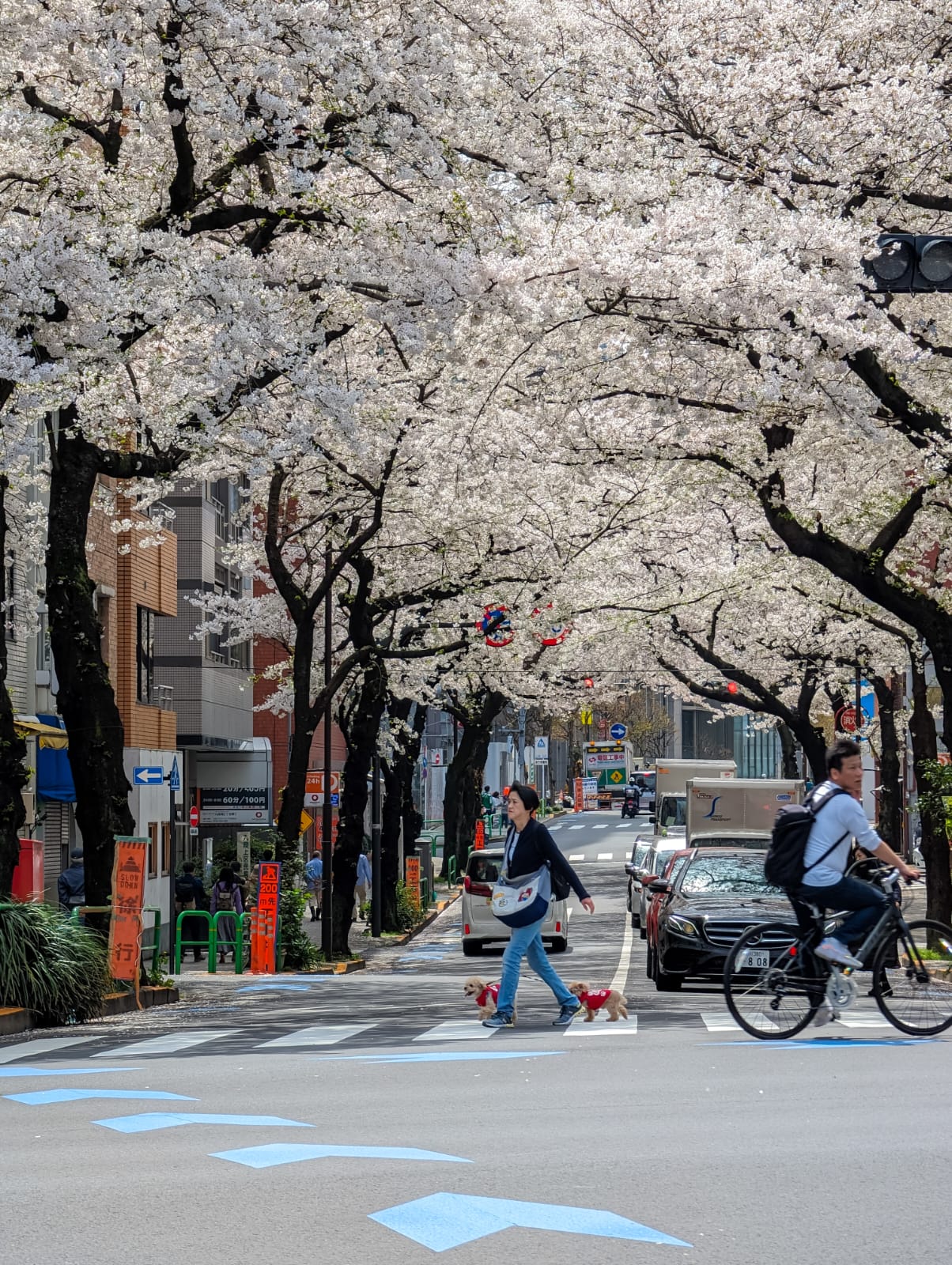
Afternoon: Visit Akihabara
The famous Akihabara area in Tokyo is known for 2 main things – Electronic stores and Anime stuff. Every Sunday, the main street (Chuo street) becomes pedestrian only for people to walk around without worrying about vehicular traffic. Incidentally, we were there on a Sunday afternoon and spend 4 hours exploring different things in the area. Top things to do in the area –
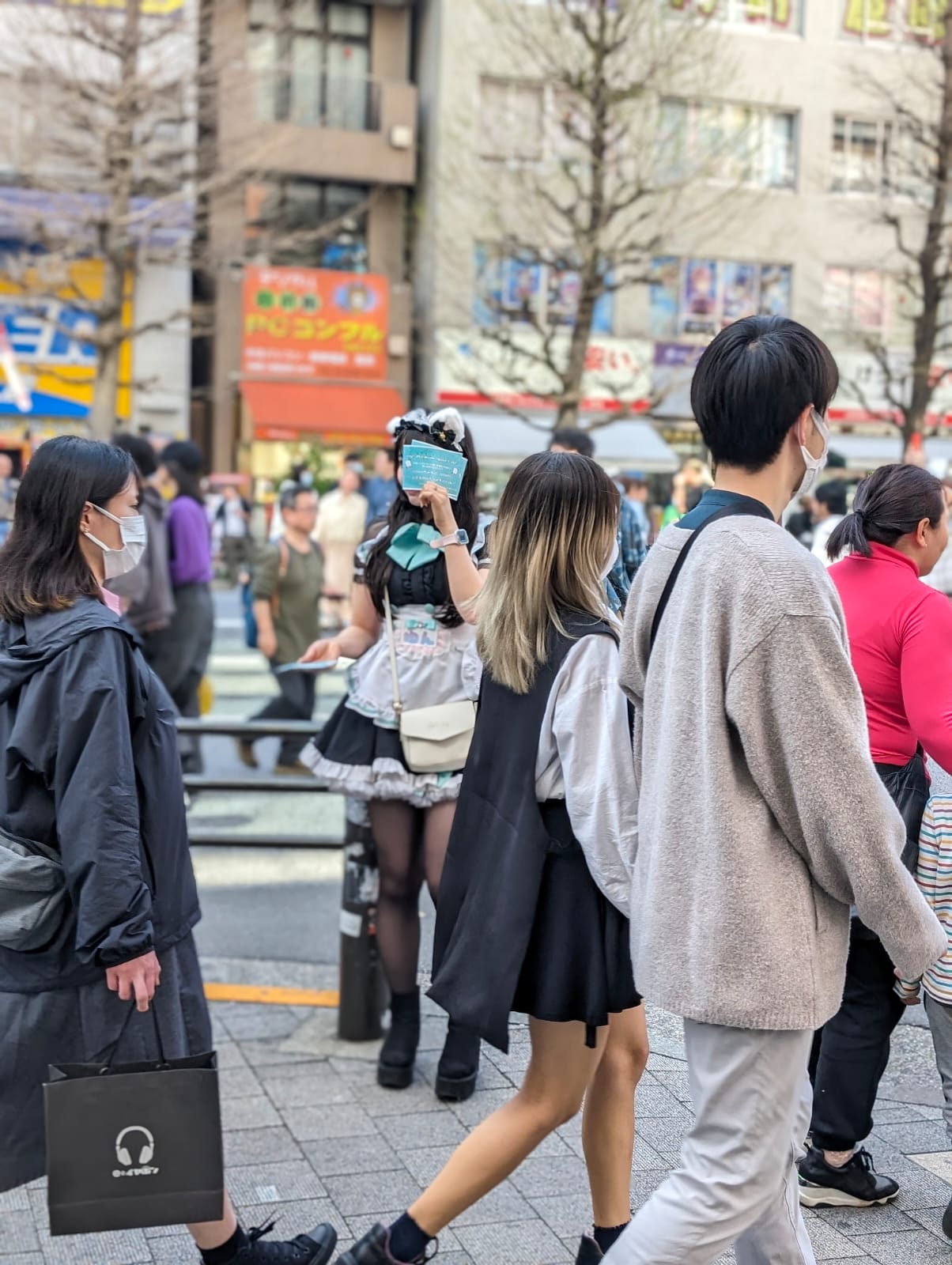
- Maid cafes – Akihabara is filled with cafes where staff are dressed in maid costumes and refer to customers as “master”. Though iconic in the past, now it has turned into a tourist trap where people lead you to one of the overpriced cafes serving mediocre food. Needless to say, we avoided the lure and moved on.
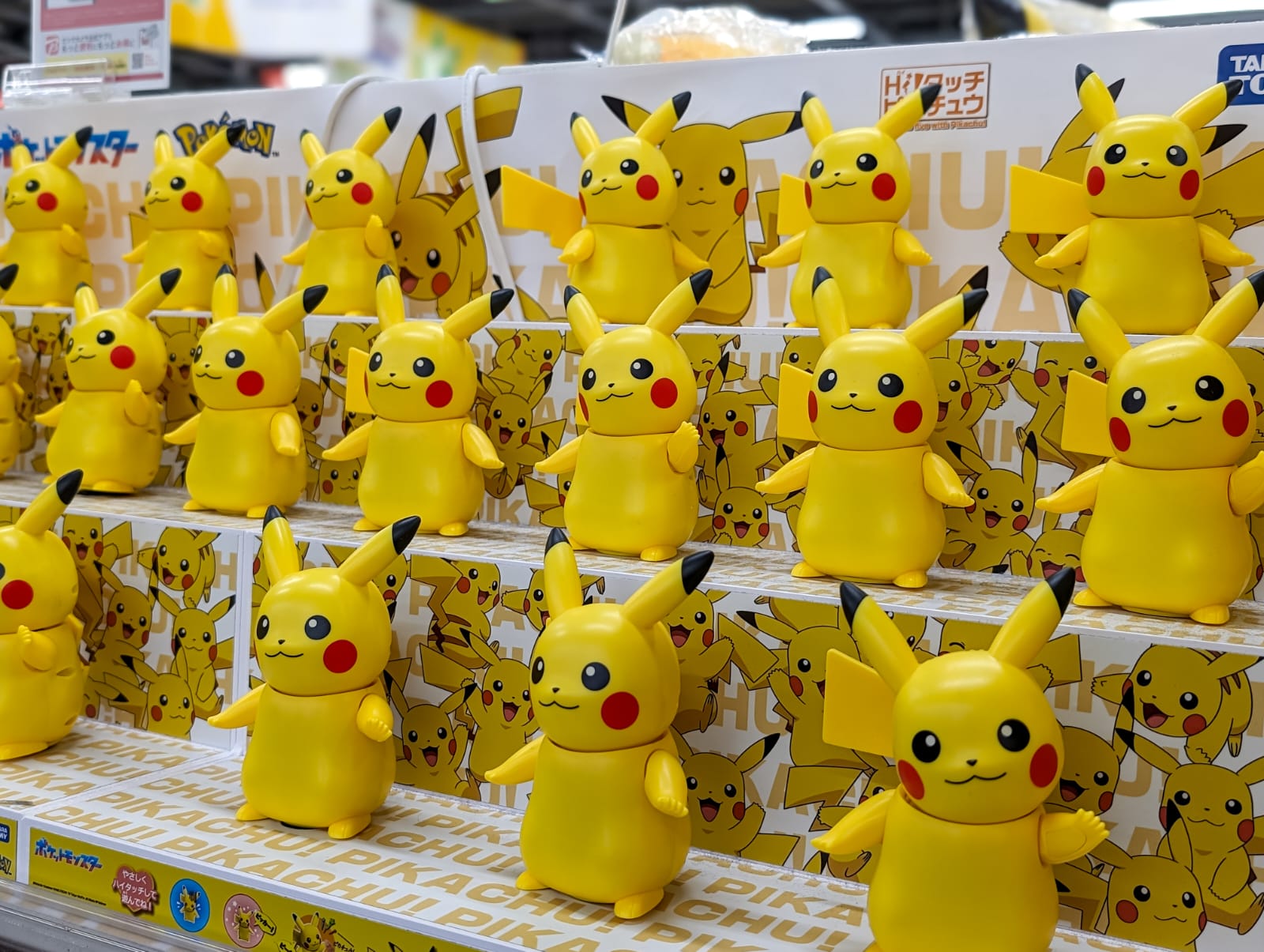
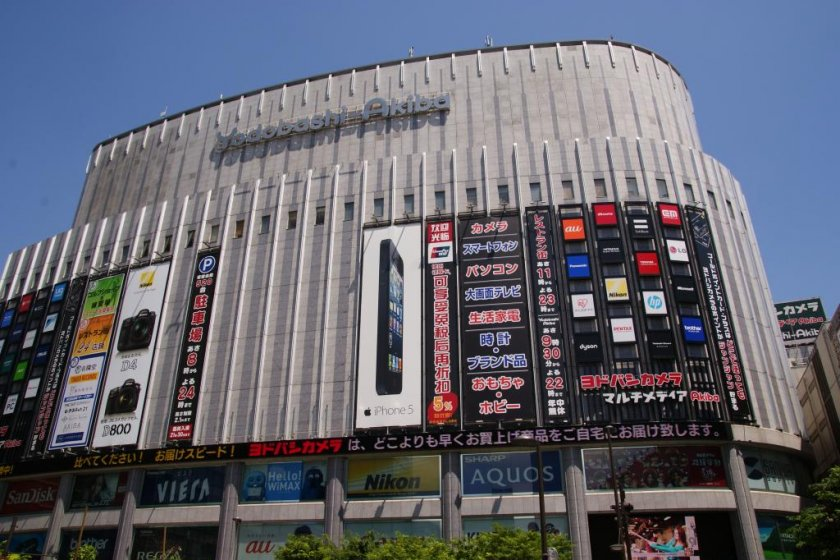
- Electronic shopping – Akihabara is filled with electronic stores, most famous of them being the Yodobashi Camera complex. There are other chain stores as well such as Sofmap, Laox, Akky. BIC Camera is an interesting choice as it offers more than just electronics and with the limited time we had here, we chose to visit this, from where we bought watches, Pokémon and other character plush toys at reasonable rates compared to other stores we had visited in the past.
- Anime and Manga goods – There are multiple stores in this area that specialize in selling rare (even preowned at times) merchandize for anime lovers as well as rare and exhaustive list of mangas. “Gamers” store is famous for offering wide range of anime and manga. “Mandarake” specializes in pre-owned goods and is a good place to find rare manga, figurines and posters.
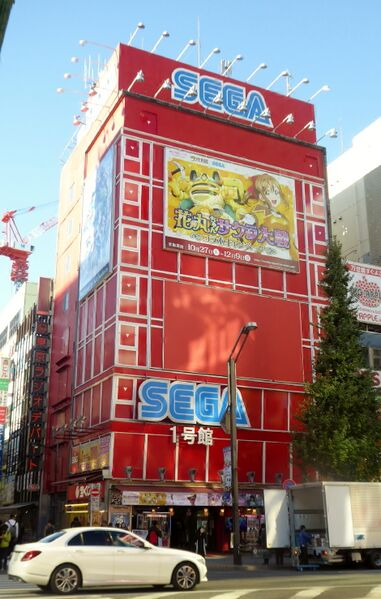
- Arcade games – Akihabara is dotted with game centers big and small, but the one that we love the most is GiGO. Its a multistoried complex offering various gaming experiences for arcade game lovers.

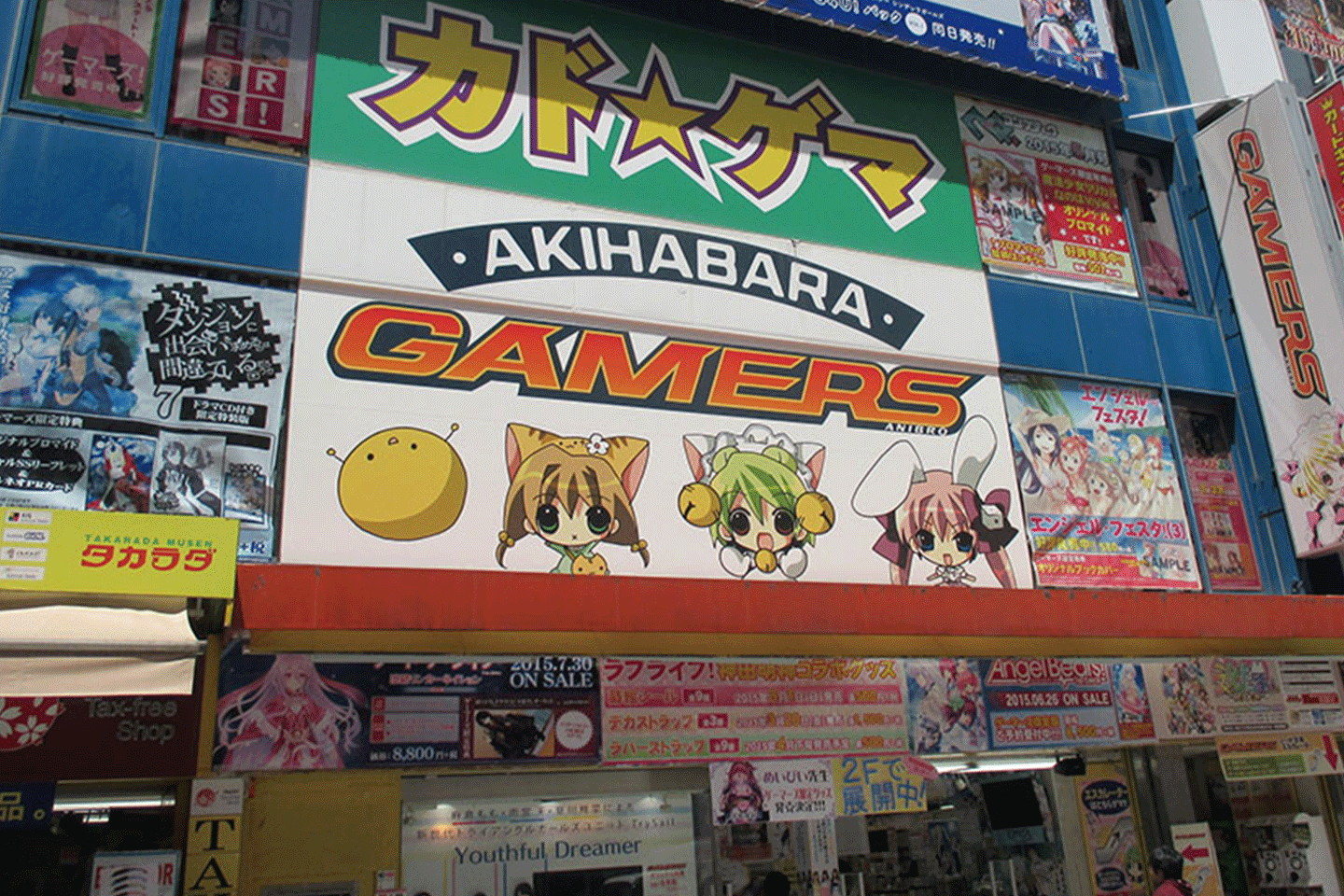
The 4 hours we spent here we felt was too little to do justice to this place and the place would be something we would come back to visit again, in our future trip to Japan.
Evening: Pass through Ueno Park
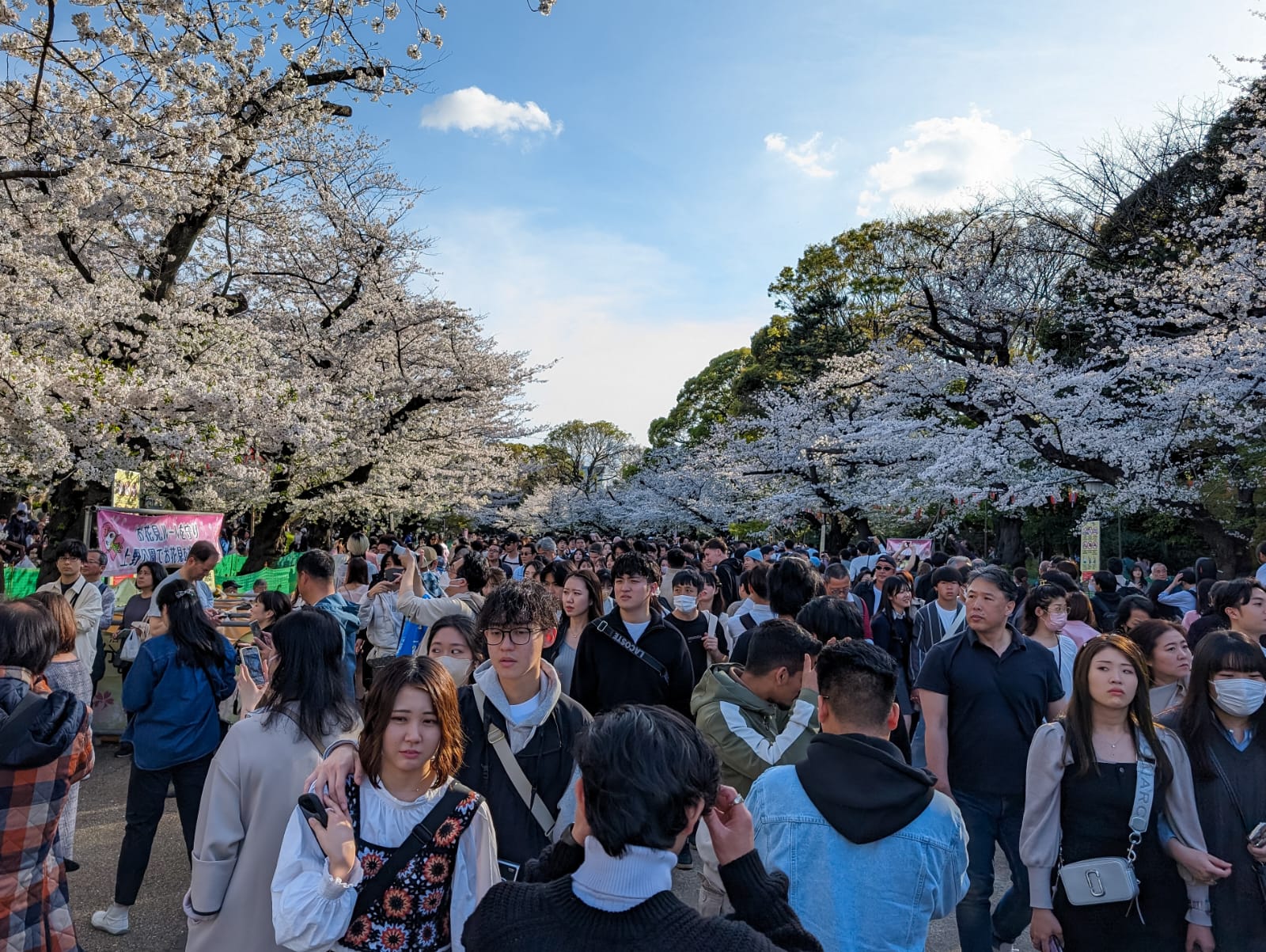
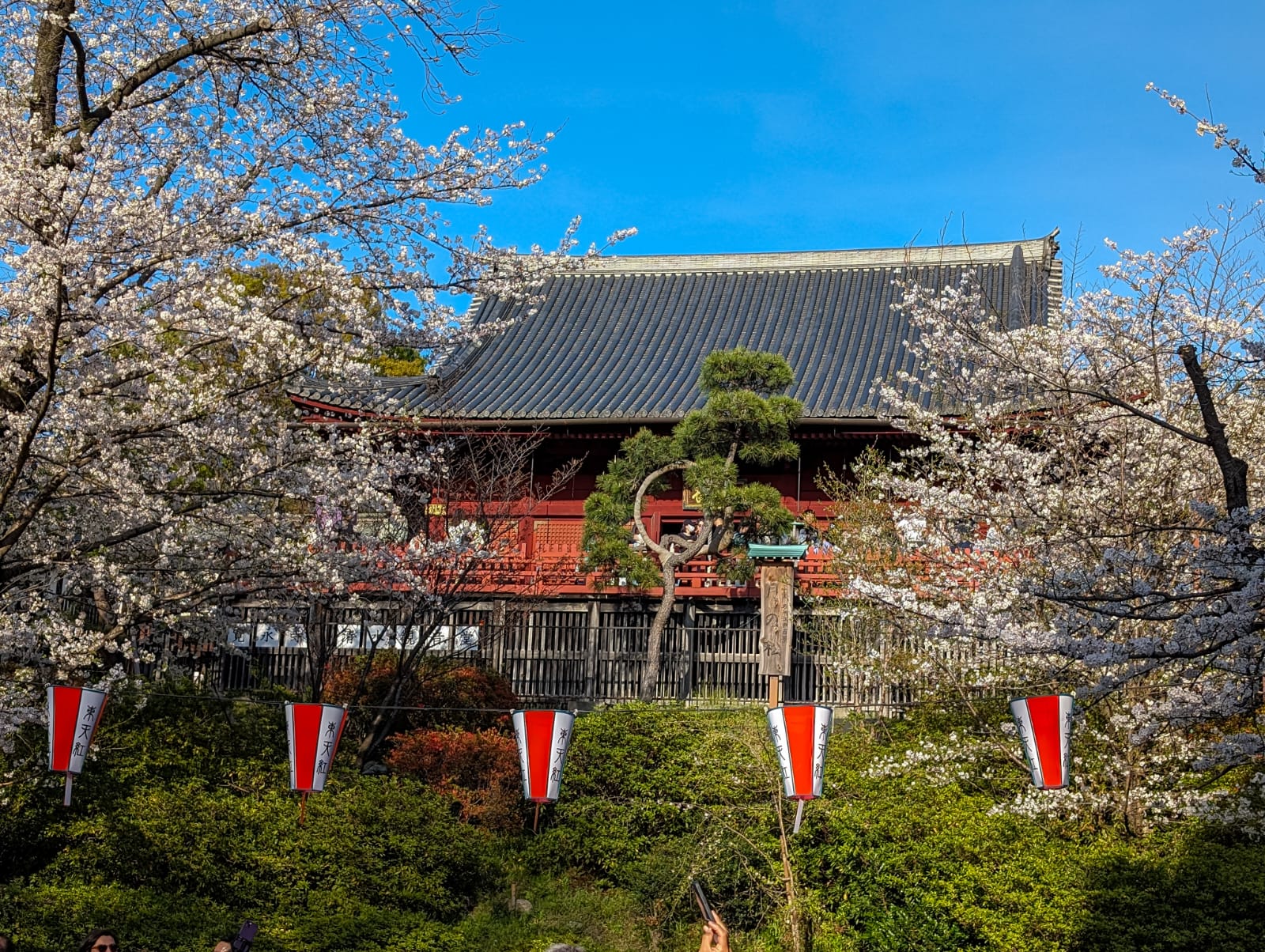
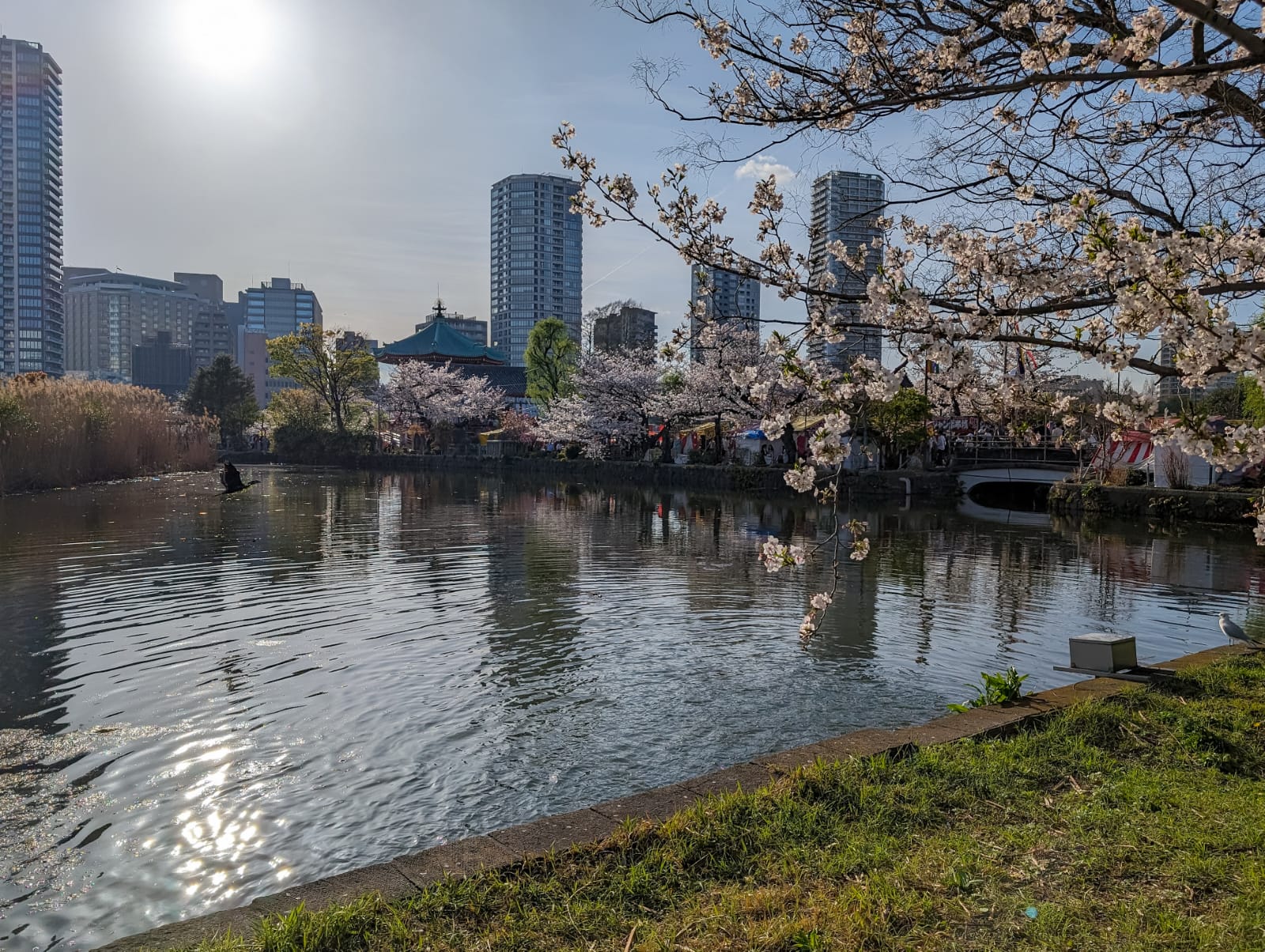
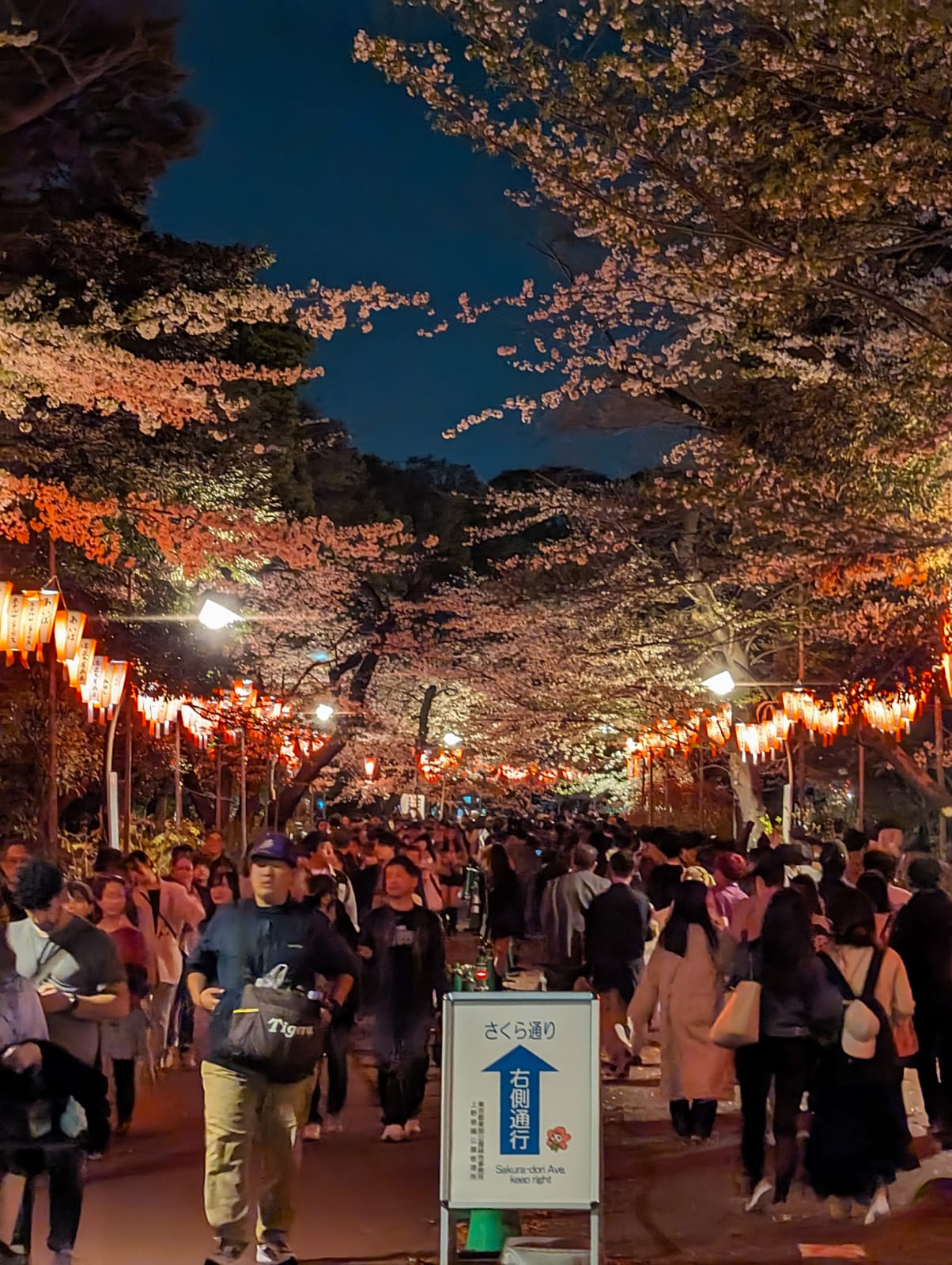
The Ueno Park is a large area in the busy Tokyo city which has a lot of things under it – a zoo, museum, shrines and temples, a pond with boating rentals etc. It is conveniently located close to a JR station and attractions lots of visitors each year. The main draw though, especially during the peak season of cherry blossoms is the main pathway of the park dotted with more than 1000 cherry trees offering a long canopy of ping shade running into kilometers. It is one of the best places to see cherry blossoms and also meant it gets quite crowded during peak season. We started at one end of the pathway and walked for 20 to 30 mins before exiting at the other end. The cherry tress also gets illuminated during the night and we came back again later in the night to see the glimpse of it.
Late Evening: Visit Senso-ji temple and Sumida Park
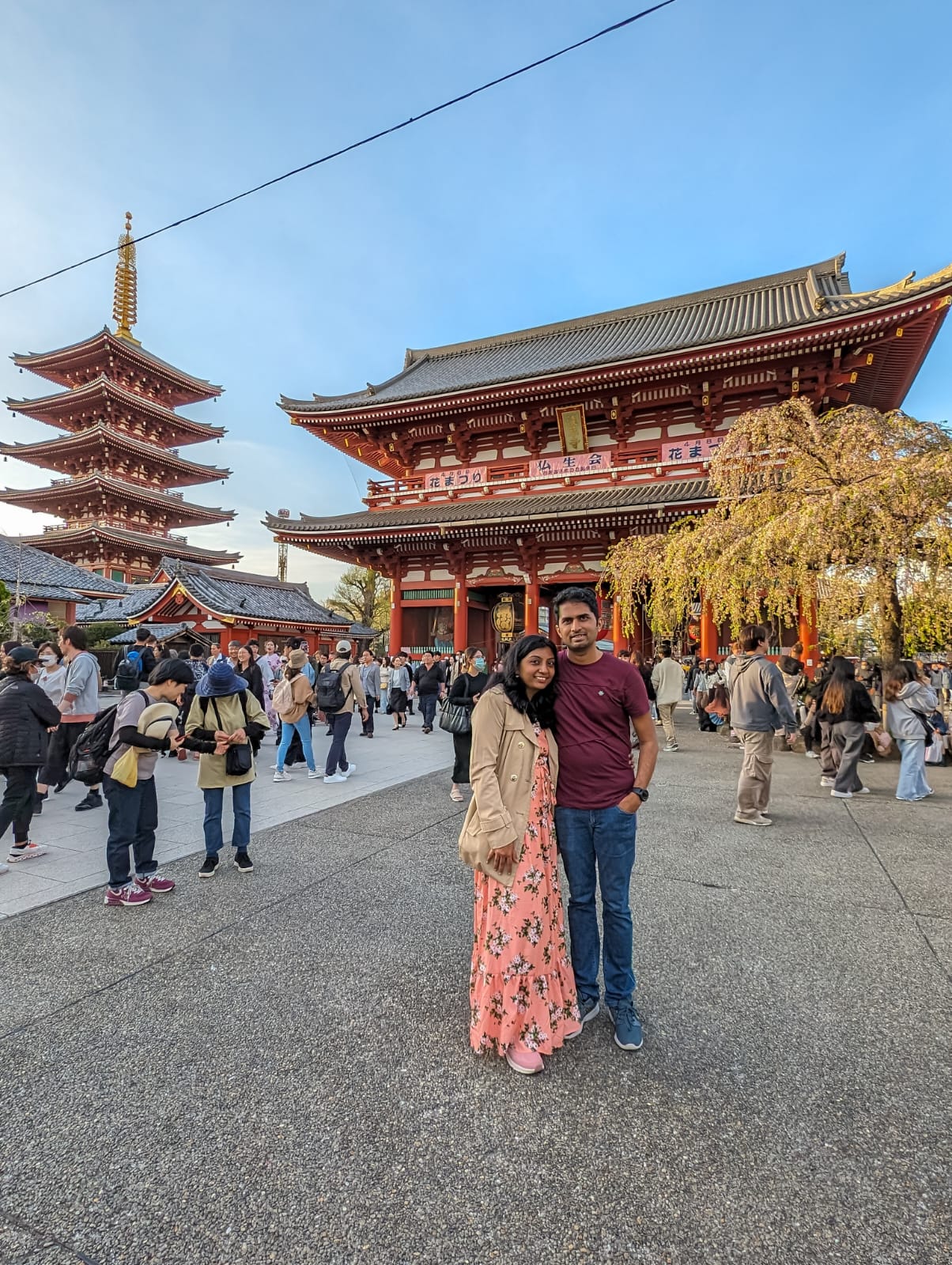
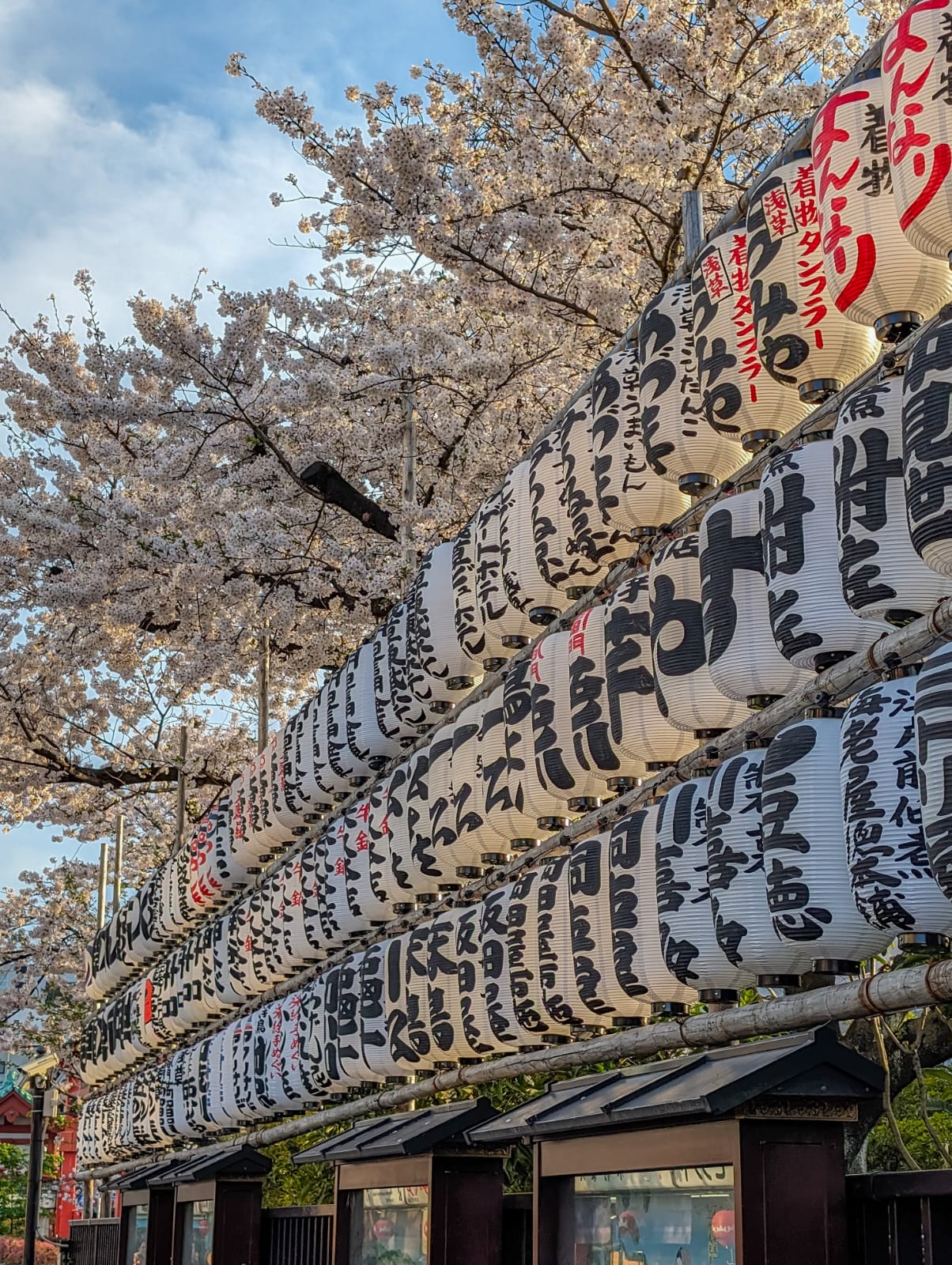
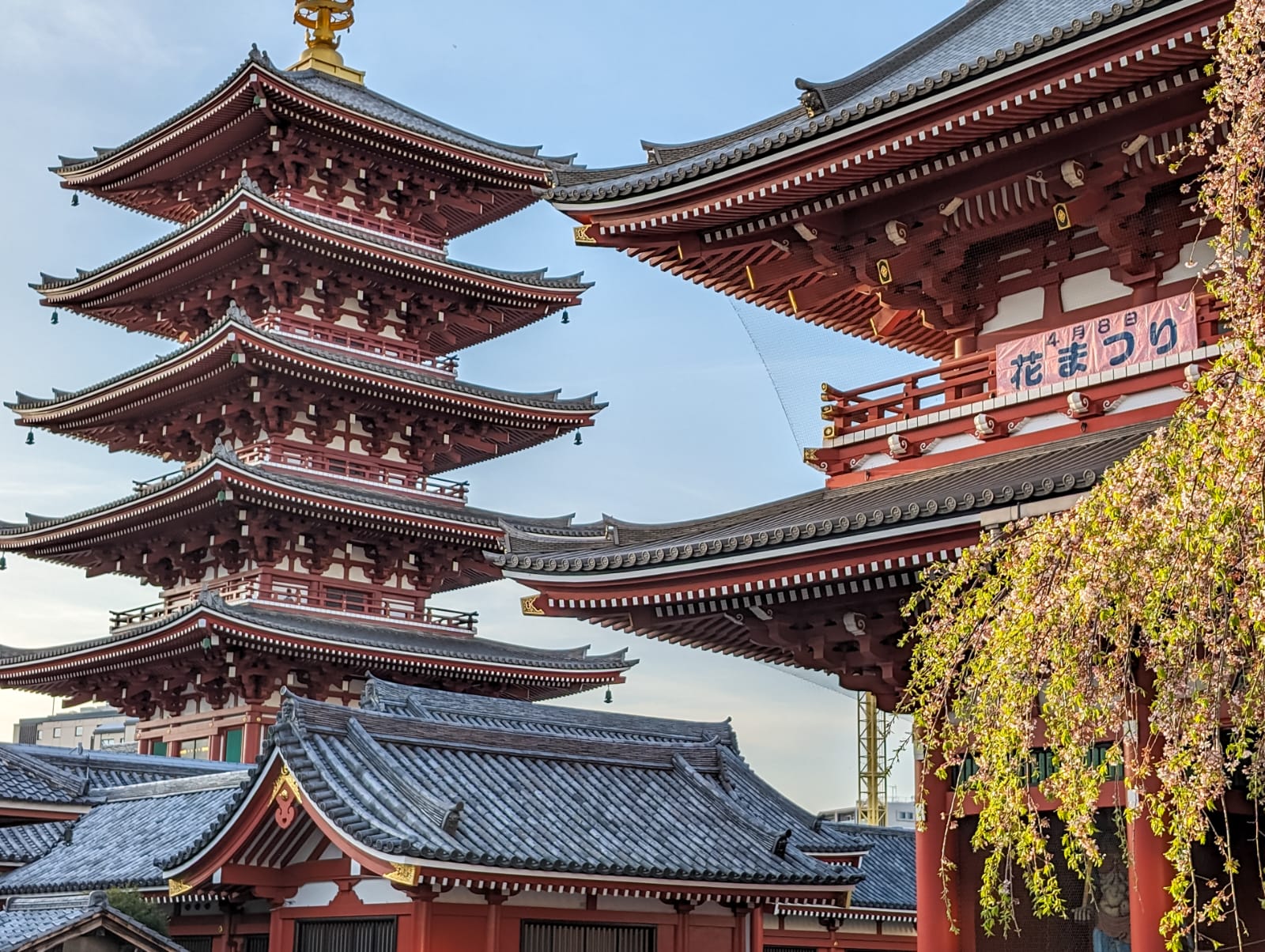
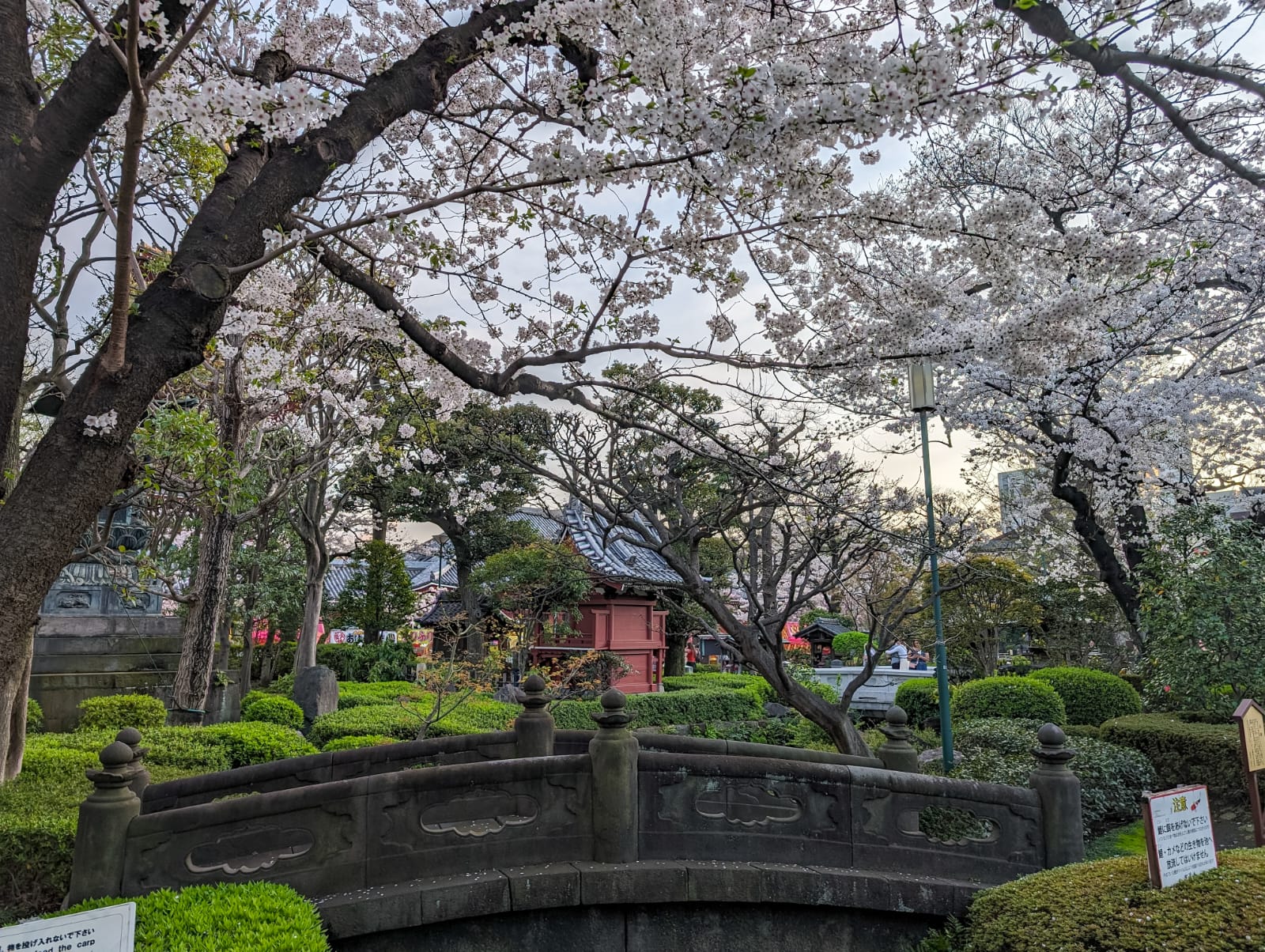
Senso-ji is a large Buddhist temple in the Asakusa region, probably one of the oldest and most significant religious establishments in Tokyo. It has 3 main parts to it – the large outer gate, a 5 storied pagoda and a main hall. It’s entrance gate Kaminarimon or “Thunder Gate” is an imposing structure with large paper lanterns dramatically painted in vivid red and black tones. Beyond the gate, you see a long pathway to the inner sanctum which is lined by numerous shops selling various merchandizes. The inner sanctum has a 5 storied pagoda and a main hall which closes by 6 pm. Since it was just past 6, we couldn’t enter the main hall but the whole temple complex itself felt serene and we were able to absorb the vibe of this place both in day light and when the sun went down with lights taking effect.


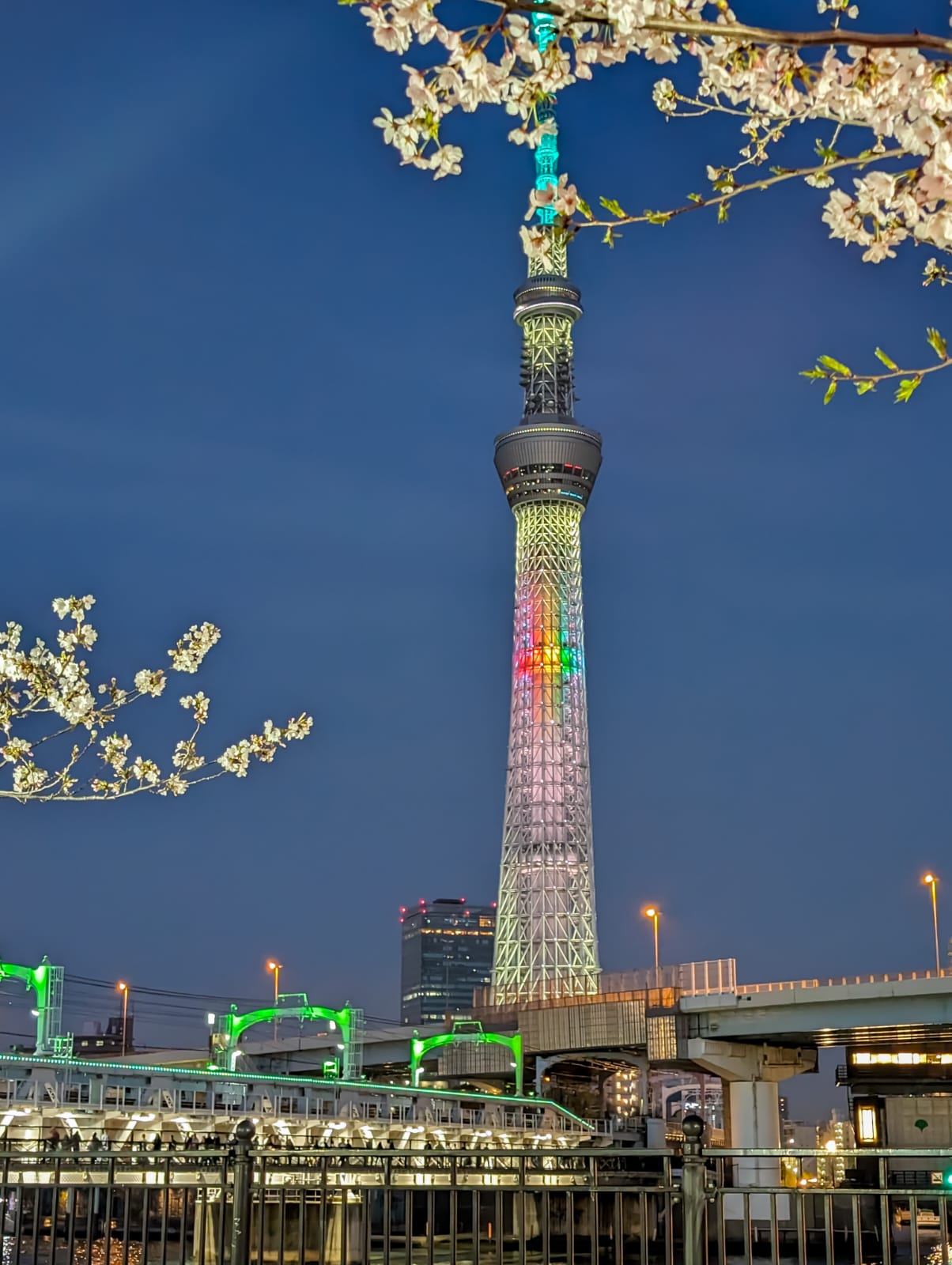
A short walk from there was the Sumida park, another top spot for cherry blossom viewing. This green space bordering the Sumida River is a relaxing spot that offers great views of Tokyo Skytree rising toward the clouds. Tokyo Skytree gets illuminated at night with changing colors and Sumida offers a perfect spot to photograph it, especially during the peak cherry blossom season when you can get the shot with illuminated cherry blossoms in the foreground.
Day Four
Full day: Visit Disneyland
If you are travelling with kids to Tokyo/Japan, Disneyland becomes a natural choice to visit while you are in Tokyo. Another interesting attraction located beside the Disneyland is the Disney Sea, an adventure which is quite unique to Tokyo and not available anywhere else in the world. Both are theme parks in the end offering different experiences, but considering our daughter was still very young, fond of famous Disney characters like Mickey, Minnie etc., we decided to visit Disneyland this time. Disney Sea parked for our next trip to Japan.
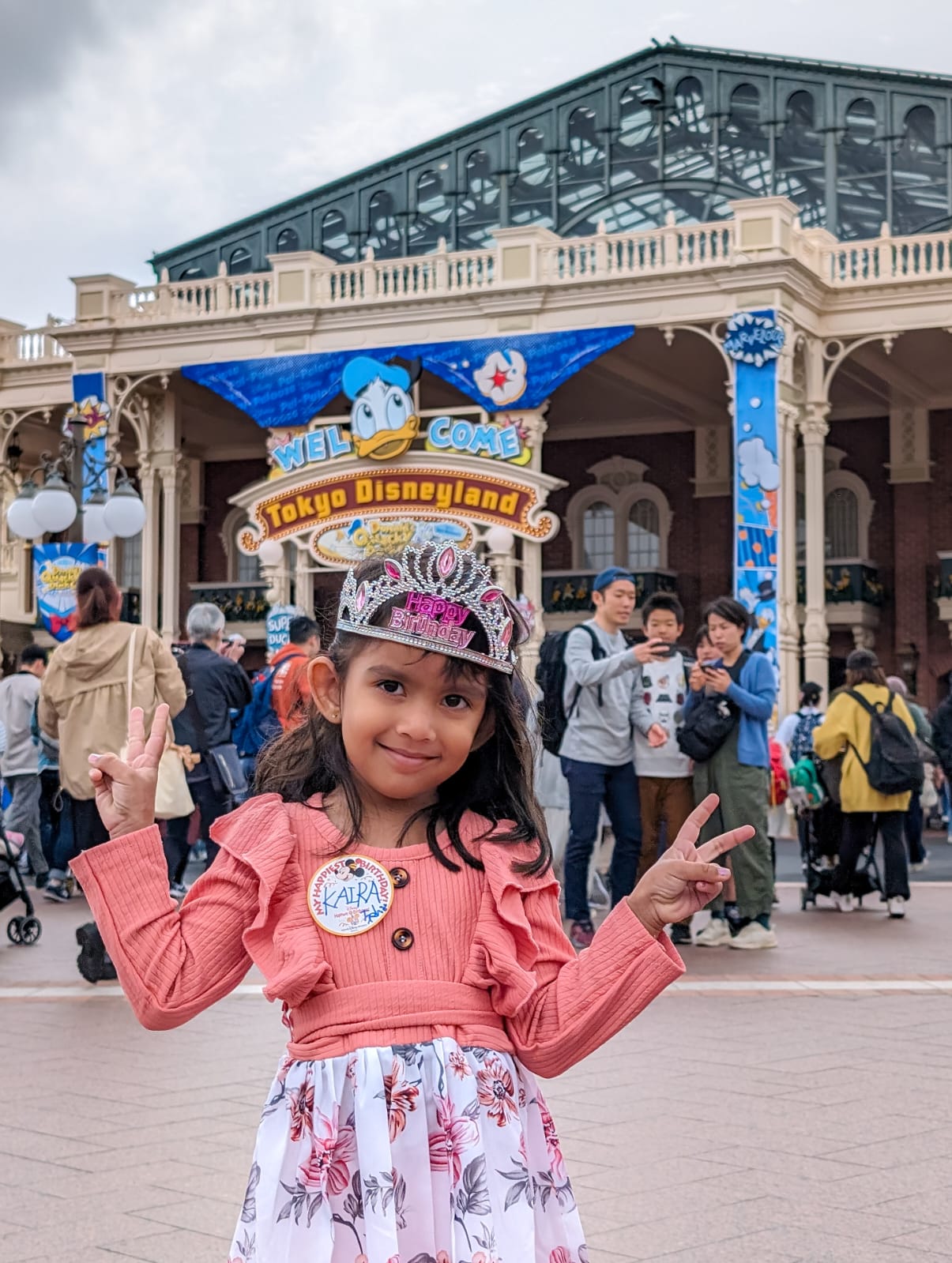
Disneyland visit is no more a casual stroll in the park. There were various strategies and preparations that went into planning the day before the visit that made our visit to the Disneyland very memorable. Here is the post explaining them in detail.
Additional attractions
If you end up having more time, you can consider visiting these places in Tokyo
- DisneySEA – A Disney themed park located right beside the DisneyLand. This one is unique to Tokyo and found no where else in the world.
- Warner Bros. Studio Tour – The tour will take visitors behind-the-scenes of the Harry Potter and Fantastic Beasts films to learn about the remarkable world of film production
- Character cafes – If you are a fan of characters from the story books/animes, there are a ton of cafes themed after them for you to visit. You can chose from Pokemon cafe, Harry Potter cafe, Sanrio (hello kitty based) cafe, Alice (in the wonderland) cafe, Kirby cafe etc. Just make sure to get prior reservation as some of them need to be booked a month in advance.
- Tokyo Skytree – At 2,080 feet, it is one of the tallest towers in the world. The 360 degree observation decks gives you uninterrupted views of the skyscrapers and neon intersections.
- Shibuya Sky – Another observatory close to the scramble crossing offering unparalleled views of the city.
- Teamlab Borderless – It is a group of artworks that form a one continuous, borderless world. This is more unstructured compared to TeamLab Planets.
Closing Thoughts
Tokyo as a city has too much to offer. Even though the city is well connected through various metros and trains, we felt our itineraries were cramped, even to cover the main places of attractions. You still end up walking a lot from each point of interest to station, within stations etc. Though it felt like hard work, we were quite happy with what we achieved in these 4 days in Tokyo and can’t wait to visit again to tick off the rest of the items on the list.
 Unending Vacations