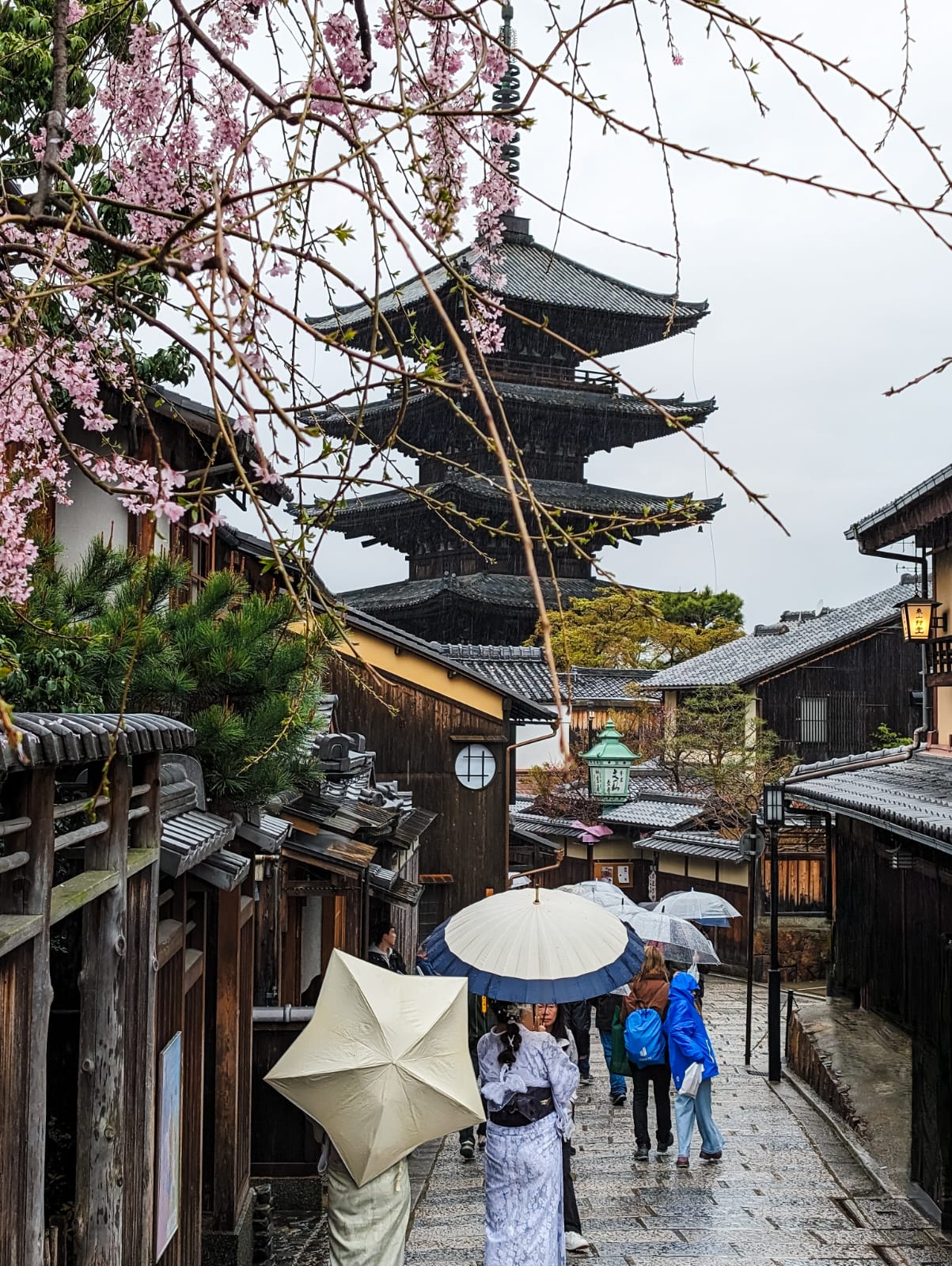
Very few countries in the world elicit the kind of awe and excitement that Japan does. It’s popularity among tourists is unmatched, so much so that one cannot resist going back again to that country after visiting the first time. It is one of the most technologically advanced, yet its past is so well preserved. The native people don’t speak much English, yet there is no shortage of warmth towards tourists. From the shiny bright lights of Tokyo’s streets to serene temples and Zen gardens of Kyoto, from the famous Mt Fuji and its lakes to beautiful beaches, it has it all. The kind of places one would cover totally depends on the time of the year you would be visiting.
If you can visit during cherry blossom season, you’re in for a real treat – the streets are lined with the most beautiful bunches of white and pale pink flowers you’ve ever imagined, a complete bucket list indeed. We did a 12 day trip of Japan during spring of 2024 (April 1st week) along with a short visit (5 day) to Seoul on the way back. Needless to say, we had a blast. It will remain one of the most memorable travels we have undertaken to any country so far. In order to make it happen, we had to put in a lot of research time which we believe made things so much easier for us while we were there and also saved us a lot of money. Through this blog, we hope we can capture most of them in an easy to understand format so that you can aim to have a good one too. Many of the details in this blog may be tailored towards a visit during the the Sakura season and the experiences will vary if you are travelling to Japan in a different season.
Best time to visit
There is never a bad time to visit Japan and each season has its pros and cons.
Spring: If you are hoping to chase those beautiful cherry blossoms, end of March/early April makes for a perfect time, albeit a bit crowded as well. This remains the single most popular time for tourists to visit Japan. Though, because of ever changing weather patterns due to global warming, predicting the full bloom time has become ever so challenging. But if you want to take a bet well in advance, we would suggest this time slot. Though, make sure to book things well in advance if you are hoping to travel during this time. Flights and Hotels tend to get expensive during this time and the affordable ones get booked earlier.

Fall: Autumn is another wonderful time to visit Japan as you can experience the vibrant fall colors (bright red leaves) from September to November. Crowds are much more manageable and prices of the hotels are also moderate compared to Sakura season.

Summer (June to August) is hot, humid, and rainy while winter (Dec-Feb) can become quite cold, maybe perfect for those snow-sports in the mountains?


Avoid: It is best to avoid Japan during the Golden week of April end/May 1st week when public holidays are announced for the entire week. It’s one thing to be competing for space with other tourists, altogether different to be dealing with the swarm of locals trying to come out and holiday.
Itinerary
The high level itinerary of our travel is as below –
Day 1: Fly from Bangalore to Osaka. Reach Kyoto, check-in to our stay and rest. Stay in Kyoto.
Day 2: Kyoto local sightseeing. Stay in Kyoto.
Day 3: Day trip to Hiroshima and Miyajima. Stay in Kyoto.
Day 4: Kyoto local sightseeing. Stay in Kyoto.
Day 5: Day trip to Osaka. Stay in Kyoto.
Day 6: Kyoto local sightseeing. Stay in Kyoto.
Day 7: Take Shinkansen from Kyoto to Tokyo. Sightseeing in Tokyo in evening. Stay in Tokyo.
Day 8: Tokyo local sightseeing. Stay in Tokyo.
Day 9: Day trip to Lake Kawaguchiko (Mt Fuji). Stay in Tokyo.
Day 10: Tokyo local sightseeing. Stay in Tokyo.
Day 11: Visit Disneyland. Stay in Tokyo.
Day 12: Fly out of Tokyo
Preparing for Travel
Flights
Tokyo, Kyoto and Osaka form the Golden route for tourists, the most popular set of cities to visit for first time tourists. If you are planning to stay in Japan for less than 2 weeks, I would suggest to stick to these places. Kyoto doesn’t have an airport of its own and it would be advisable to fly into one of Osaka/Tokyo and depart from the other for optimal time usage. If you have a choice of airport to fly in and out of Tokyo, pick Haneda over Narita since its much closer to the city. There are many carriers to and from Japan to India, most popular ones being Singapore airlines, Thai, Cathay, Japan airlines, ANA etc. We booked our flights using Air Miles from different FFPs and were able to get seats on Thai airways (from Bangalore to Osaka) and Singapore airlines/Asiana from Tokyo on the way back.
Hotels
We split our 11 night itinerary as 6 nights stay in Kyoto and 5 in Tokyo and did day trips to Lake Kawaguchiko (Mt. Fuji), Osaka and Hiroshima from there. Since the train network was robust and well connected in Japan, we were able to pull this off without much hassle. Nowadays we prefer to stay longer at a single accommodation as it saves us the hassle of repacking and moving around with big bags, especially considering we are travelling with a small kid. One can also consider splitting the Kyoto stay further in 3+3 or 4+2 between Kyoto and Osaka while still covering the same things.
We booked our stays using Airbnb since we wanted something with a kitchen. We stayed at below places and would recommend the same for others.
- Kyoto – We paid around 110k Yen for 6 nights. It was a 2 bedroom duplex house and fairly spacious by Kyoto’s standards. It was located very close to the Fushimi Inari station (private) and at a walking distance to the JR Inari station. Host was very accommodative and good.
- Tokyo – We paid around 70k Yen for 5 nights (steal!). It was conveniently located at a walking distance to JR Osaki station on the JR Yamanote line and also fairly close to the Shibuya station for Shinkansen transfer. Host was responsive and stay was as described.
In Kyoto, the most popular area to find the stay would be closer to the central station which has good connections to the local trains and Shinkansen alike. While in Tokyo, I would advice to pick a place closer to one of the stations on the popular Yamanote line. Places like Shinjuku, Shibuya remain the most popular area for accommodations as they also form the starting point for day trips to Lake Kawaguchiko (Mt. Fuji). Stays in Osaka closer to the central station (Osaka/Umeda station) and Namba stations are quite popular. Accommodations near to Dotonbori are also pretty popular as this lets you stay out longer in the night around the most happening areas in Osaka. In general, you would benefit from picking something close to one of the JR stations.
Visa
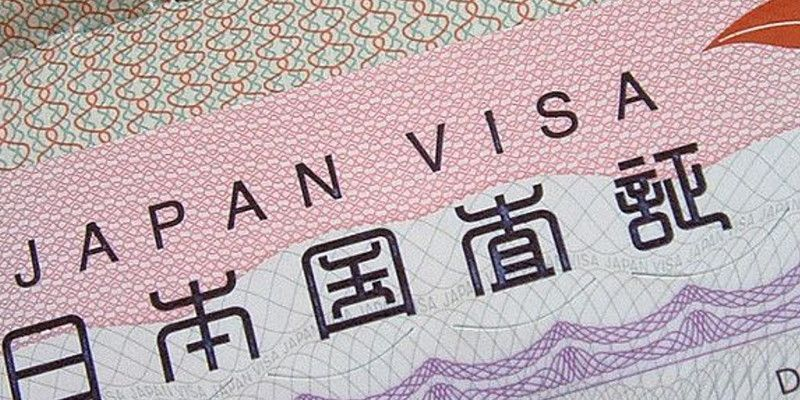
Japan has moved to e-visa starting April 2024. Though, we got ours in Feb 2024 and feel lucky enough to have a stamping of it on our passport. It is processed through VFS which charges 500+800(service charge)+courier charges for the visa (as of 2024). You do need to take an appointment for the visa submission, but you can get one fairly easily, within a week’s time. The processing take roughly 2 weeks and the process is pretty standard, typical of any visa processed through VFS. Japan has multiple embassies in India including one in Bengaluru. The only unique thing about visa application process is that they ask for visas of countries you plan to travel post/pre Japan. We therefore had to apply for South Korea visa first before applying for Japan as our 2 week trip had Seoul on the list, after Japan. Overall, the visa process wasn’t too stressful if you do things right.
Currency

Yen is the local currency in Japan and is right now (as of mid 2024) at a multiyear low compared to other currencies including Indian Rupee (100 Yen = ~55 INR). It is better to buy Dollars or Euros from India and exchange it there for Yen, rather than getting Yen directly from India. The exchange rates are pretty good in the airports and you will not find many money changers in the city, so better exchange substantial amount of your planned exchange in airport itself. Even though Japan is a cash heavy economy, you will find credit cards accepted almost everywhere in Japan. The only notable exceptions include loading IC cards for transportation, purchasing train tickets at JR/other stations, small souvenir shops etc. We were able to use our credit cards at >95% of the locations without much hassle.
Sim card or Pocket Wifi
Sim card: You can purchase sim cards in any of the Japan’s airports, but they are pricey compared to rest of Asia. The data allowance is typically restricted (like 3GB/5GB/10GB) and never unlimited. You can purchase sim cards from any of the top telecom operations like Docomo, Soft bank, Japan wireless, Sakura Mobile etc. The network coverage is good on most of these and they come with a phone number.
E-sim: E-sims on the other hand are much more affordable and lots of international operators sell various bundles for Japan travel. Some of them even have regional packs too covering multiple countries in the region if you are doing a multi country travel. We bought an esim from Nomad for 18 USD offering data of 10 GB for 30 days with coverage in Japan, South Korea and China. Just remember, these esims are data only and don’t come with a phone number.
Check out this website for comparison on different esims and pick one that suits you.
Pocket Wifi: Alternative to sim cards are Pocket Wifis. A maximum of 5 people can connect to a single device and it usually comes with a powerbank to keep it charged for a whole day. The data allowance also tends to be restrictive on most operators except for Japan Wireless. We paid around 500 Yen per day for the device from Japan Wireless which we pre-ordered from Klook for pick up at the Kansai Airport in Osaka. You can drop off these devices at any airport in Japan. An empty return envelope is included in the package so that you can seal the device with its accessories inside and drop it an designated points in the airports across Japan. They also don’t take any deposit during pick up. It was super convenient and worked like a charm. We would recommend the same for others as well.
Travel Experience
Kyoto

Kyoto has this charming, old-world feel to it. If you are wanting to get away from the hustle and bustle of the big cities in Japan, then Kyoto is the place to go. The city offers tranquility like none other with beautiful temples, ancient Japanese architecture, and a ton of Japanese culture.
This post has a lot of great information on what to do while in Kyoto.
Osaka
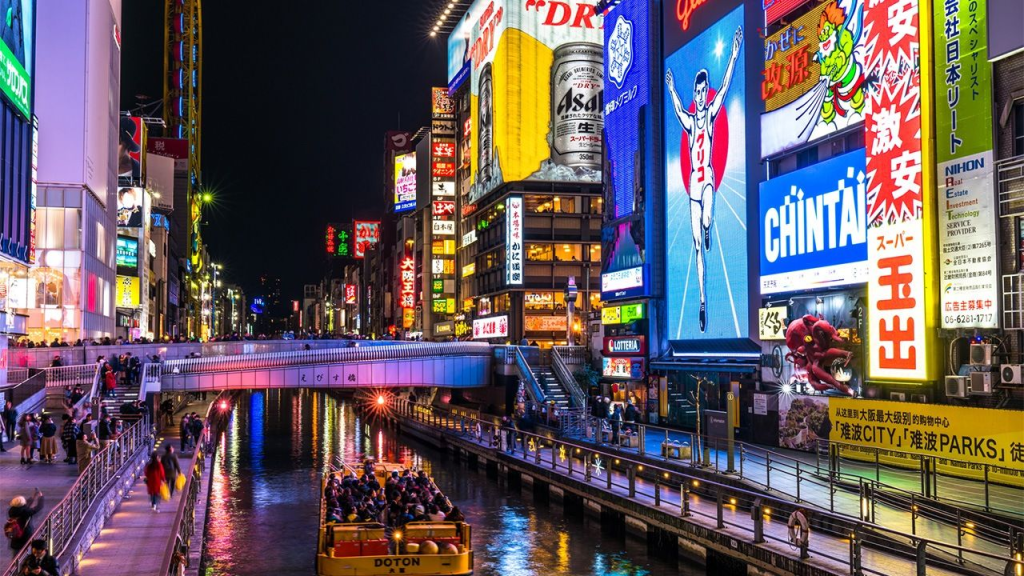
Osaka is the third largest city in Japan and attracts its fair share of tourists each year. Osaka is great for trying out some authentic Japanese dishes, lively night scene and shopping. As it is located very close to Kyoto, we did a day trip to Osaka from Kyoto. For an extended guide of our day trip to Osaka, refer to this post.
Hiroshima & Miyajima
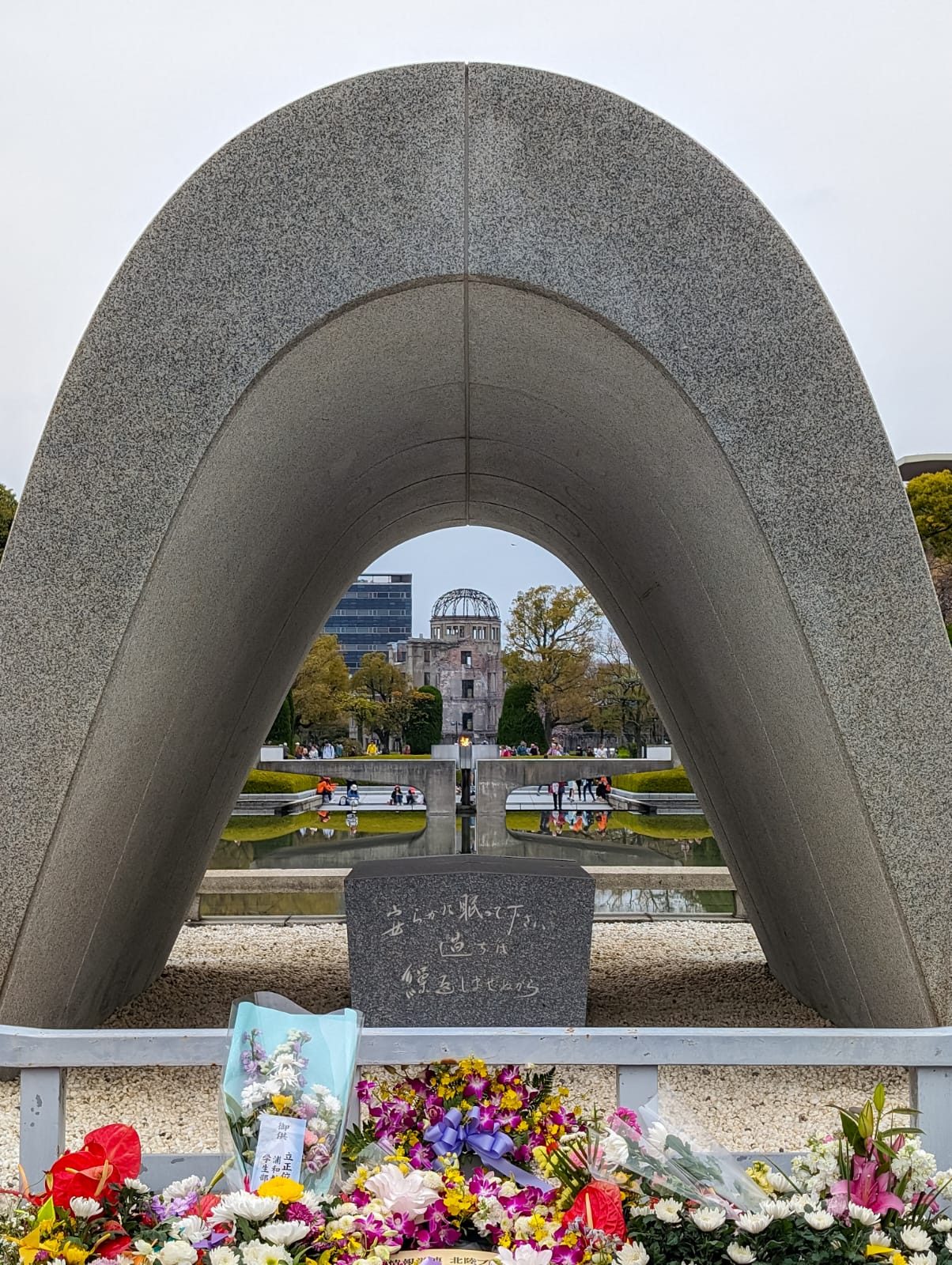

Any one who has studied history in their school days will be able to connect to the importance of the event that took place in Hiroshima during the world war. One would imagine the place to be gloomy and full of scars & perils of the world war. It was anything but that and we were pleasantly surprised by that. Miyajima is an island very close to Hiroshima which is famous for its floating Torii gates. It also is a generally good place to visit as a day trip.
We did a day trip to Hiroshima and Miyajima from Kyoto and you can find lots of details in this post we wrote on it.
Tokyo
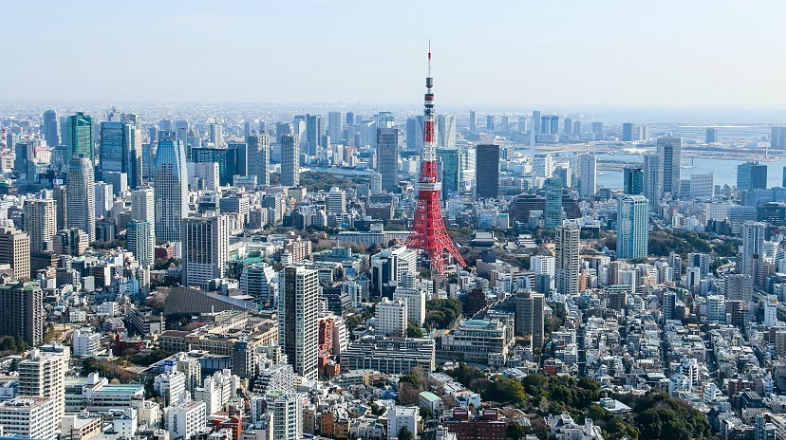
Tokyo is one of the largest cities in the world and offers an interesting mix of modernity with ancient tradition. It has an excellent infrastructure and public transportation system and some amazing sights and experiences on offer. From theme parks to ancient temples, from modern art installations to themed cafes, from the beautiful Japanese gardens to neon lit skyscrapers, it has it all.
We spent roughly 4 days in Tokyo as the last leg of our travel to Japan and have captured our experience in detail in this post.
Mt Fuji

Mt Fuji is the tallest mountain (volcano) in Japan and has for many centuries stood as an icon of Japan. There are 5 lakes surrounding Mt Fuji – Lake Motosu, Lake Shoji, Lake Saiko, Lake Kawaguchiko, and Lake Yamanaka. Among the five lakes, Lake Kawaguchiko stands out for its timeless scenic beauty and hence, very popular with the tourists.
We covered Lake Kawaguchiko as a day trip from Tokyo and you can find all the details in this post.
Additional Information
Public transportation

Japan flaunts some of the most developed public transportation in the world. The train network, especially within Tokyo is one of the best. Various cities are also connected on their ultra fast train networks called the Shinkansen. One can also use the buses and taxis to augment the train journeys when it’s of convenience.
For more information on the Shinkansen network, refer to this post.
For more information Tokyo’s Rail network, refer to this post.
For more information Osaka/Kyoto’s Rail networks, refer to this post.
JR Passes
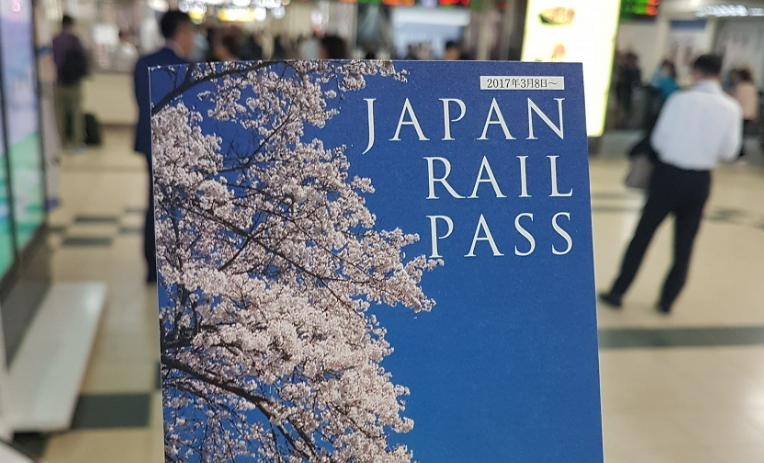
Japan Railways is the public company that runs majority of the trains within Japan. That said, there are a number of private lines as well that operate within the cities. Japan Railways company offers various passes for short and long duration travels to Japan on their JR lines which are available exclusive to visitors of Japan. The most popular of them all are the weekly passes (7/14/21 days) which covers travel across the country. The regional JR passes also exist and are sold by the JR sub companies within a region (eg: JR East/JR West). Since the weekly passes have undergone devaluation recently, combining some specific regional passes with IC cards offer the best value.
The only JR pass we bought for our travel to Japan was the regional “JR Kansai Hiroshima Area Pass” sold by JR West for 17.5k Yen. It is valid for usage on 5 consecutive days for all travels within the Kansai region (Osaka/Kyoto) and even on the high speed rail network to Hiroshima from Osaka. It was a lucrative deal as a single way ticket on high speed rail between Hiroshima and Kyoto/Osaka was costing us close to 12k Yen.
If you are wondering whether to buy the weekly JR pass or not for your travel after price revision, refer to this post.
IC Cards
If you have decided to not purchase the JR pass, you will have to rely on the IC cards for paying for individual tickets. These are rechargeable cards that can be used to conveniently pay fares on public transportation (including shinkansen) and to make payments at many vending machines, shops and restaurants. These can be bought at the airport or various JR stations within the city.
There are multiple variants of these IC cards sold in different regions but the good thing is, all of them are interoperable and can be used (re-load & use) even in regions different to its origin. The only restriction could be that you will not be able to get refund on excess balance at the end of the trip from a different region. Here are some of the variants of IC cards that are relevant to this blog –

Suica is the prepaid IC card by JR East for JR trains in the Greater Tokyo, Niigata and Sendai regions. A special version of Suica, called Welcome Suica, is available to foreign tourists. The special cards are valid for only four weeks, come without a deposit fee, but do not allow for refunds.
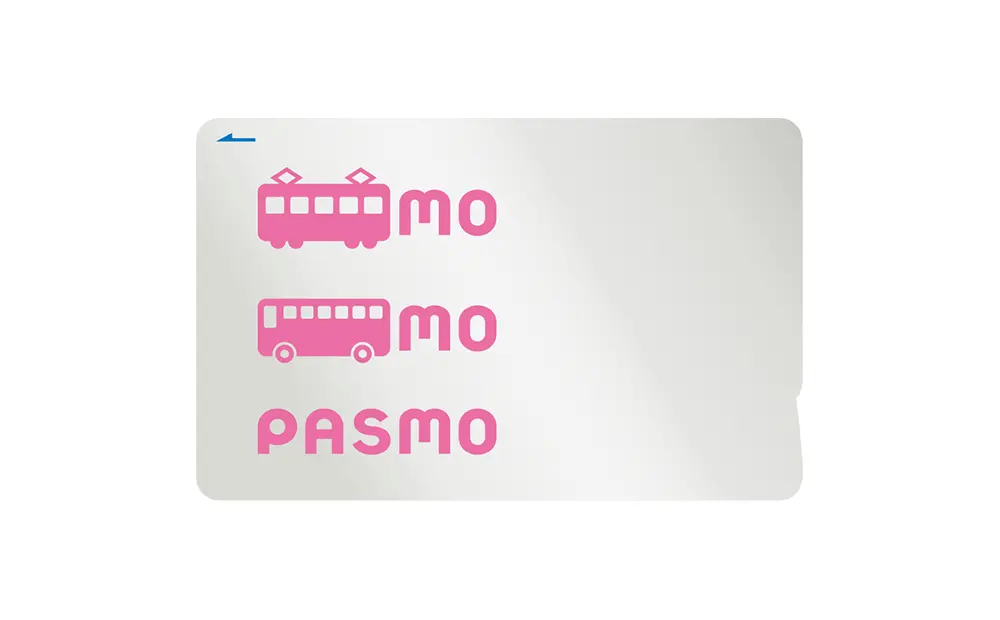
Pasmo is the prepaid IC card of Tokyo’s railway, subway and bus operators other than JR. A special version of Pasmo for foreign tourists, called Pasmo Passport, will be discontinued in August 2024. Pasmo Passport is valid for only four weeks, comes without a deposit fee, but does not allow for refunds.

Icoca is the prepaid IC card of JR West for JR trains in the Kansai (incl. Osaka and Kyoto) regions. The Kansai One Pass is a special version of Icoca exclusively for foreign tourists that additionally qualifies for discounts at various attractions in the Kansai Region.
Vegetarian food

Japan can be a hard place for people practicing Vegetarianism. But things are much improved now, especially with the concept of Veganism catching up around the world. We had booked accommodations with kitchen so we were OK and had picnic lunch packed most times. We did go out for lunch a couple of times at targeted restaurants that offered veg/vegan options. But dining in takes a lot of time out of your busy schedule. Restaurants tend to be busy with wait times of an hour or more, especially during peak seasons and just isn’t worth it for the veggie options on offer.
That said, we did try some veggie food –
- Food ordering – You can order food through Uber Eats app in Tokyo and Kyoto. You should be able to experience some Indian/South Indian food this way.
- Sweet Treats – Japan is known for its sweet treats around the world, especially those mochis. There are different varies of these that can be found on the streets everywhere and large part of them were vegetarian. You can refer to this post on all the treats we tried out.
Tax free shopping
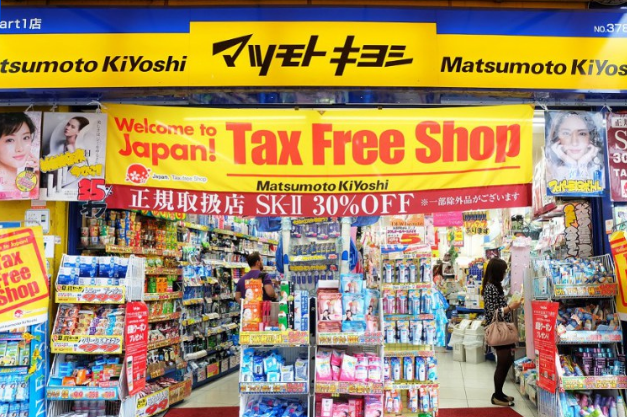
Japan applies something called “consumption tax” at 10% on most items sold within the country. If you are “non-resident” visiting Japan for less than 6 months, you become eligible to get items tax free provided you are purchasing goods worth more than 5,500 Yen in a single day at a single store. Lot of the departmental stores and shopping malls in Japan provide this option for buyers including chain stores like Don Quixote, the big electronic stores on Akihabara, Shibuya etc. If you know you are purchasing goods in excess of 5,500 yen, you can go to the tax-free billing counter where the attendant checks your passport, bills the amount without tax and packs your items in a sealed plastic cover. You are not supposed to open the package and consume the products until you are out of the country. Just make sure to carry your passport whenever you go shopping and be mindful of the amount you shop, so that you can become eligible for tax free, if you can.
Chasing the Cherry Blossoms

If you are travelling to Japan during the cherry blossom season, its important to keep track of the progress on those buds as they progress into full bloom. The bloom lasts only for 2 weeks max depending on the weather and so, its critical that you strategize and rework your itinerary accordingly.
For all the details on how to go about planning for a cherry blossom hunting, refer to this post.
Parting Thoughts
Before undertaking our travel to Japan, we had been to 30+ countries already. But I don’t recall having to research so much before travelling to any country as much as we did for Japan. All the time we spent on researching different aspects of the travel came in very handy in helping us save money and reduce complexity of our travel, especially critical now that we were travelling with a small kid. In the end, it turned out to be once in a lifetime experience with lots of rich experiences and taking back wonderful memories home. Seeing those cherry blossoms in full bloom is once in a lifetime experience that one shouldn’t miss out in their lifetime. When are you planning yours?
 Unending Vacations