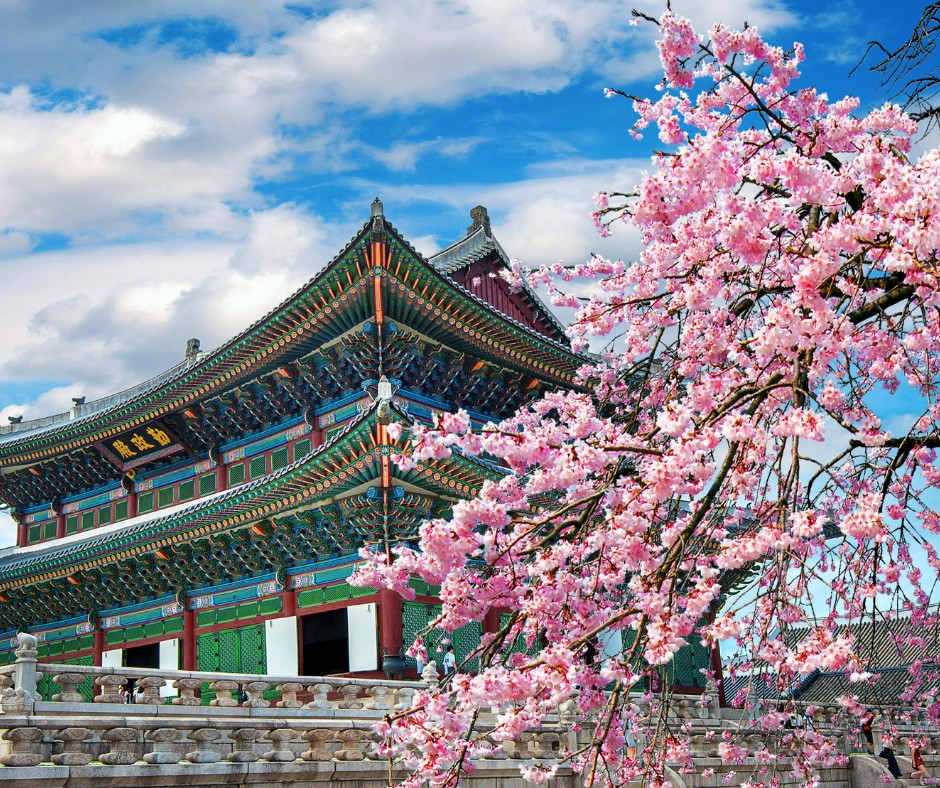
Seoul is the capital city of South Korea which offers a perfect mix of modernity and ancient culture. From the chic skyscrapers that dot the skyline to ancient Buddhist temples and palaces, from the famous K-pop culture to the Gangnam Style, it has it all. Back in the spring of 2024 (April), we visited Seoul for 4 days on our way back from a trip to Japan and through this post, we will try to capture all we can about our experience. 4 days was just about enough to cover the highlights of the city, but not long enough to cover the whole of South Korea.
Best time to visit
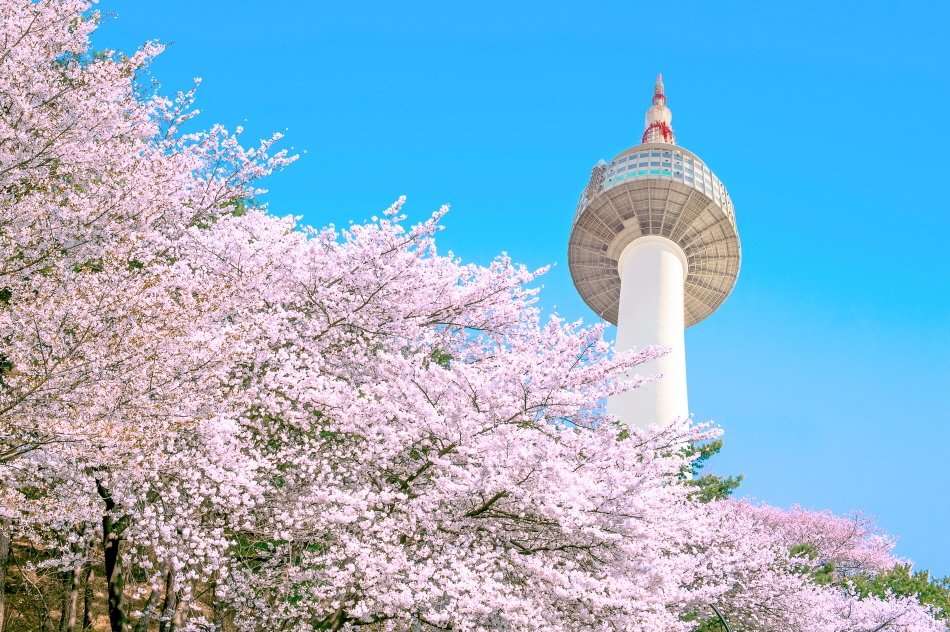
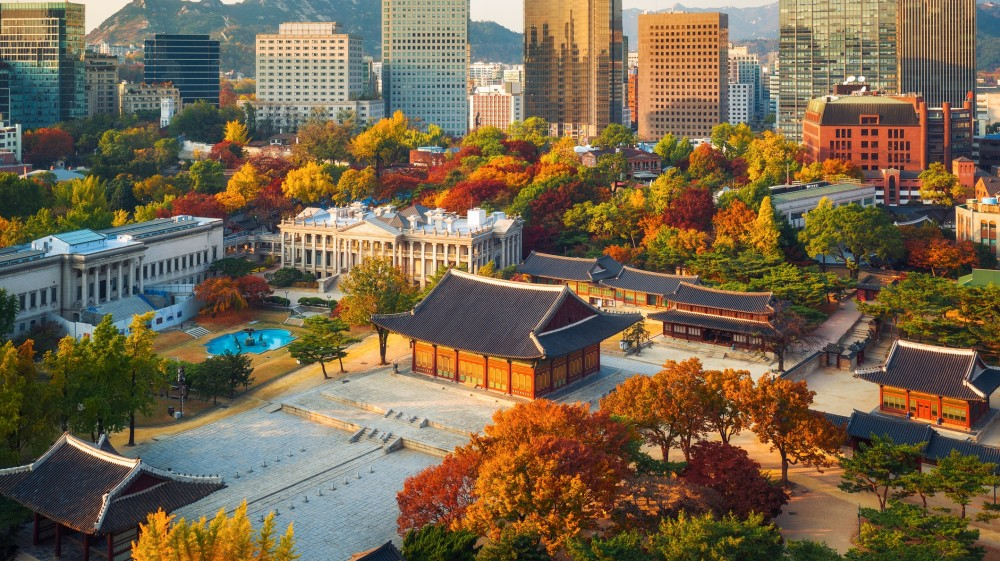
April to June is the peak season to visit Seoul. Skies are clear and temperatures are pleasant. Not many people know that cherry blossoms are a thing even in South Korea too, though not as prominent as in Japan. April is typically the time for full bloom in South Korea/Seoul. It would be best to align your travel to the full bloom period so that you can enjoy those cherry blossoms without the huge crowds of the likes seen in Japan.
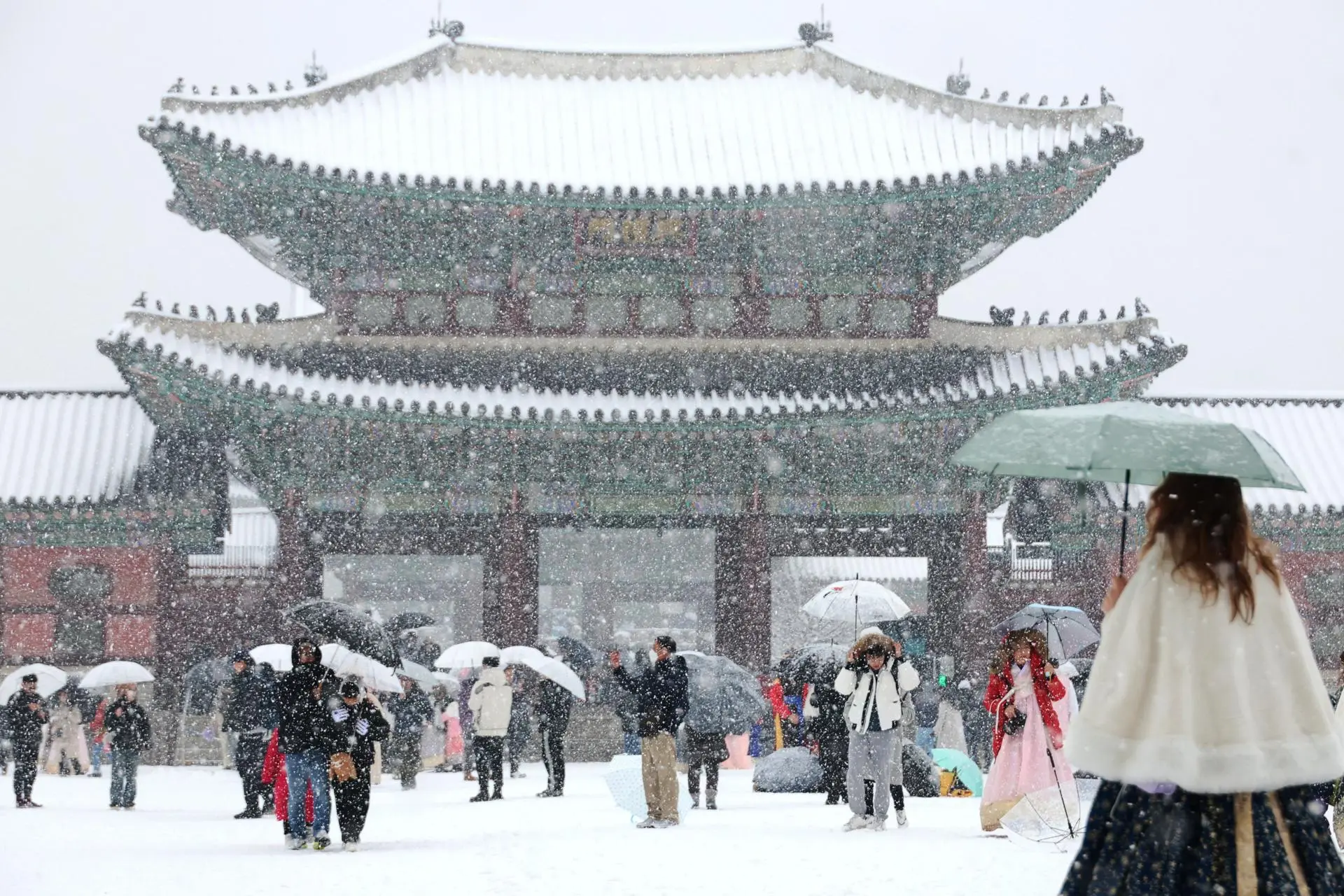
July to October is the moderate season where the temperatures are still pleasant with much shorter crowds. Do expect some rain during this time. November to March sees significant drops in temperature and hence considered Off-Season.
Where to stay
Consider staying in one of these 2 areas in Seoul –
- Near Seoul Station – Seoul Station is almost central to the city of Seoul and well connected to various metro lines/buses. The station itself has ton of shopping opportunities and forms a good place to find an accommodation nearby.
Our stay, R Guesthouse, was close to SeoulStation and offered great flexibility to roam around the city easily. We had booked a private room in that guesthouse with functional kitchen, but it was a bit cramped for space. I guess you get what you pay for! We do recommend this for anyone looking for budget accommodation in Seoul. If you can spend a bit more, consider other accommodations. - Near Dongdaemun – Dongdaemun is a busy shopping district of Seoul and houses the famous Dongdaemun Design Plaza. It is famous for great deals on clothing and houseware and houses lots of great shopping outlets in this area. You can consider finding an accommodation here, which is still connected well to the Seoul Station through a direct line and subsequently to the Airport as well.
Flights
Most of the long distance flights land at the largest of the Seoul Airports – Incheon Airport. The other airport, Gimpo, serves some of the shorter routes for destinations like Japan, China etc. You can find daily flights from major Indian airports to Seoul. Since we had booked our flights on Miles, we were able to pull off a multicity itinerary including Japan and Seoul for fairly acceptable pricing. If you are booking on cash, I have seen some very competitive pricing on Air India to and from Seoul from Indian cities, do check out.
Visa
Indians travelling to South Korea will need a prior visa. Its an e-visa that is processed through VFS. This is where it get’s interesting. Even though the whole application process itself is fairly straightforward, it gets extremely cumbersome because of the lack of information available online, including the lack of an official VFS page on it. If you go through a travel agent, they typically take an additional 2.5k to process the same visa through VFS.
Here are all the details you need to apply in Bangalore on your own –
- Visa applications are accepted 5 days a week – Monday to Friday from 9 am to 3 pm.
- No need to book appointment in advance, you can just walk in and submit.
- There are limits to no of applications they take each day.
- Fill up the application form linked below. A sample filled application can be found here: https://www.visaforkorea-in.com/En/Visa_Sub1.aspx
5. Visa fees = Rs. 3200 for application + Rs 1380 for VFS service charge + Rs. 550 Courier charges mandatory (as of mid 2024). Only cash was accepted at the counter.
6. Normal application takes 12 working days, Express application also is available for extra charge, processing time of 7 working days.
7. Document checklist can be found here. Another interesting thing here is they ask for 1 year payslips, the only embassy I have come across that ask for so many payslips!
8. Once you get your passport back from the embassy, you may find your passport not stamped (makes sense since its an e-visa), but also without any additional letter or instructions. You then need to go online to their embassy website and print your e-visa online here
Itinerary
We reached Seoul by mid afternoon after completing immigration at the Gimpo airport. We technically had 3 and a half days in Seoul. Here is all we did during that time.
Day One
Evening: Visit Yeouido Park and Yeouido Hangang Park
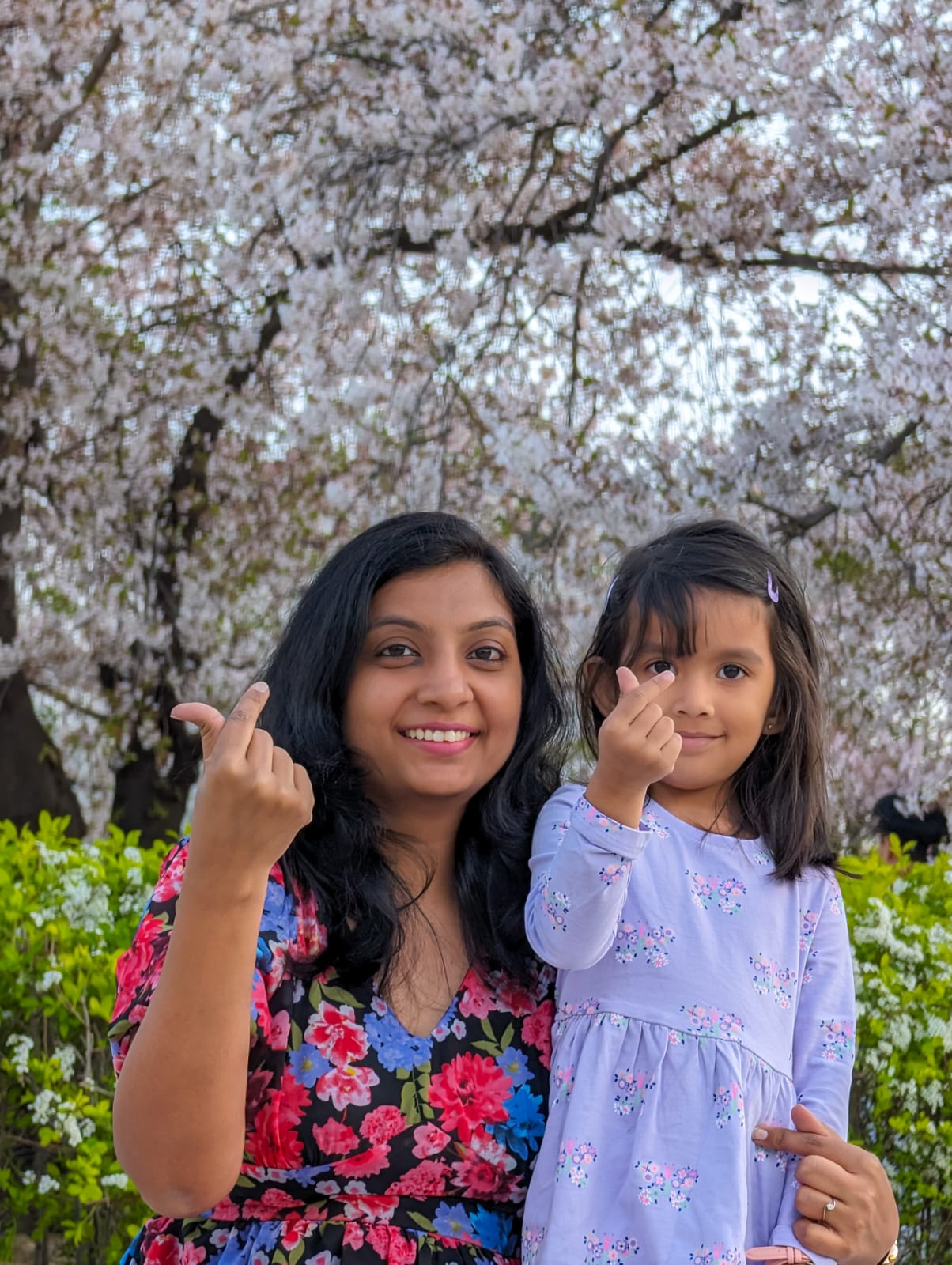
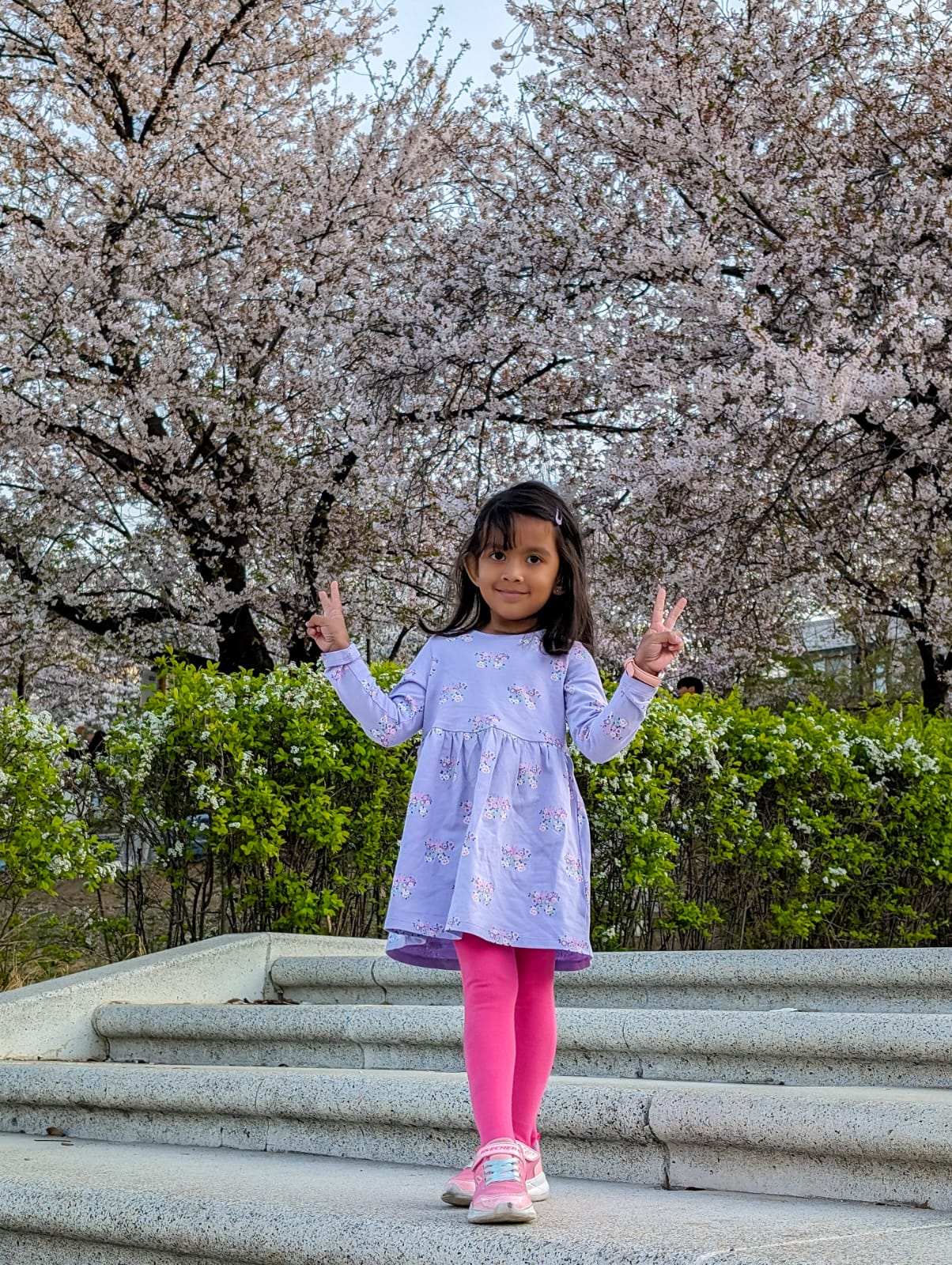
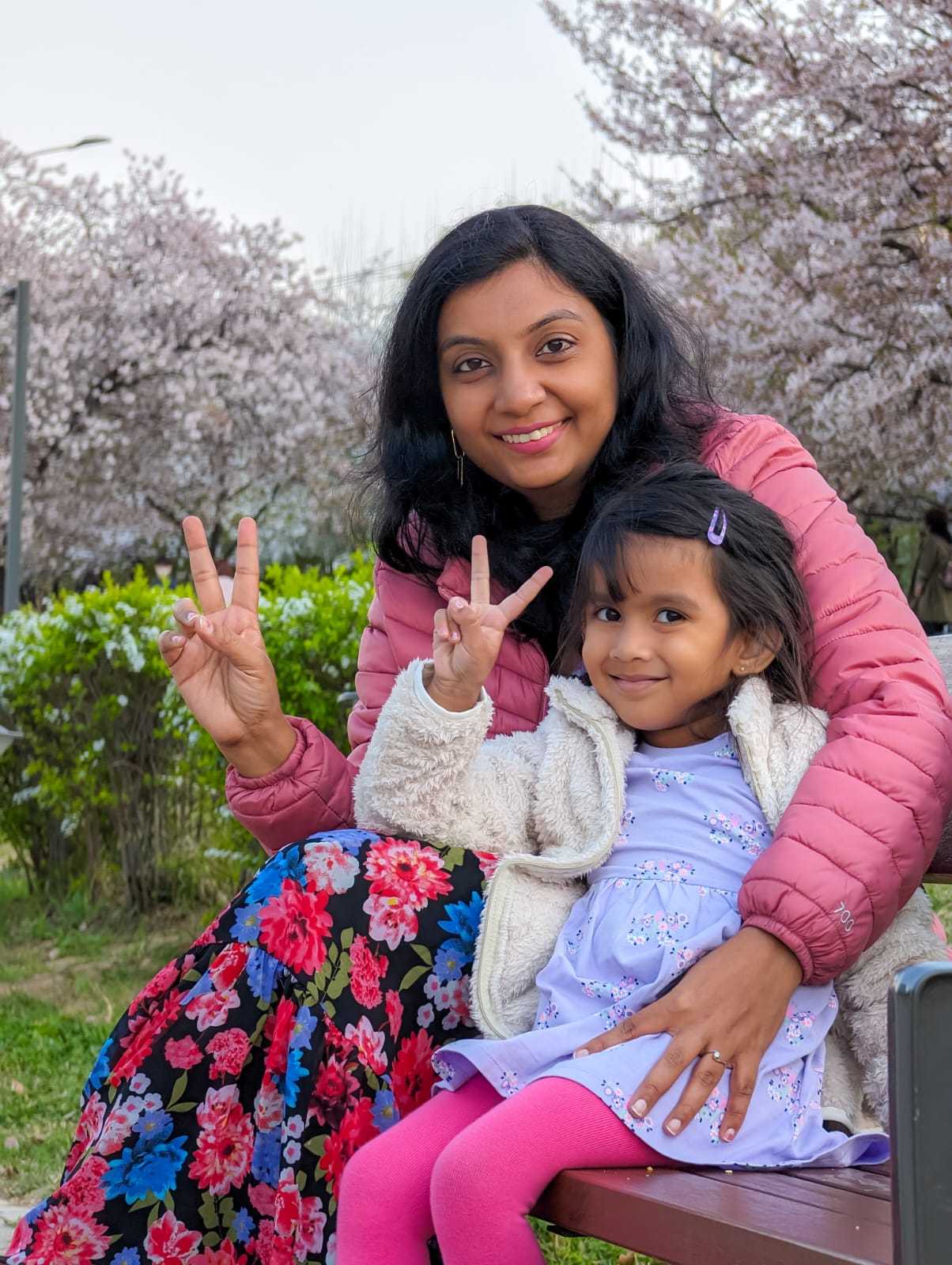
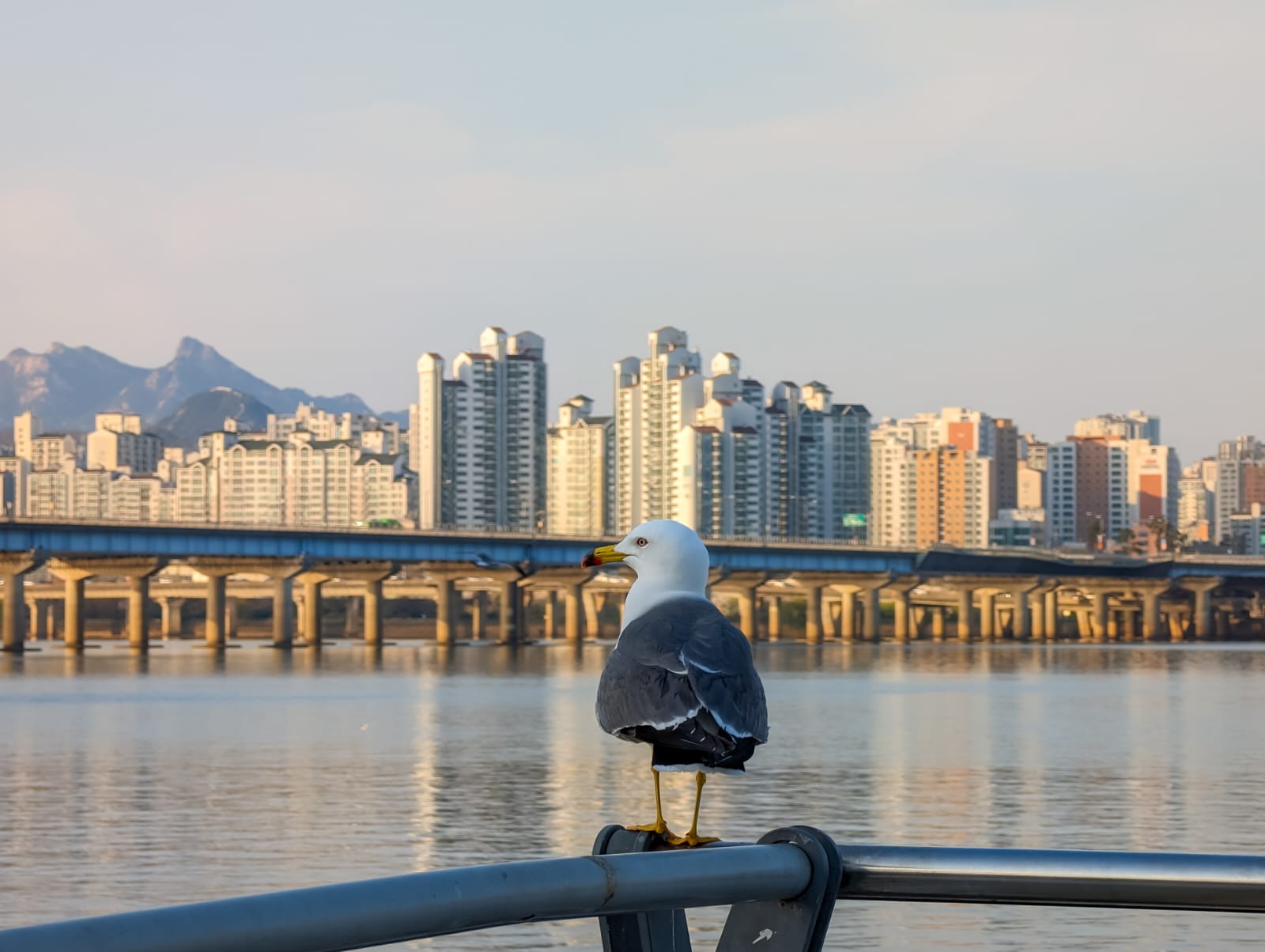
Yeouido Hangang Park is a great place for panoramic views of Seoul along the Han river. It is a huge park and a number of activities keep happening in this area. There are people exercising, busking, taking photos, or simply relaxing and hanging out with their friends. There were specific areas filled with cherry blossoms as well. The riverfront was where the “I SEOUL U” sign used to exist but is now removed as they are in the process of rebranding that messaging of Seoul.
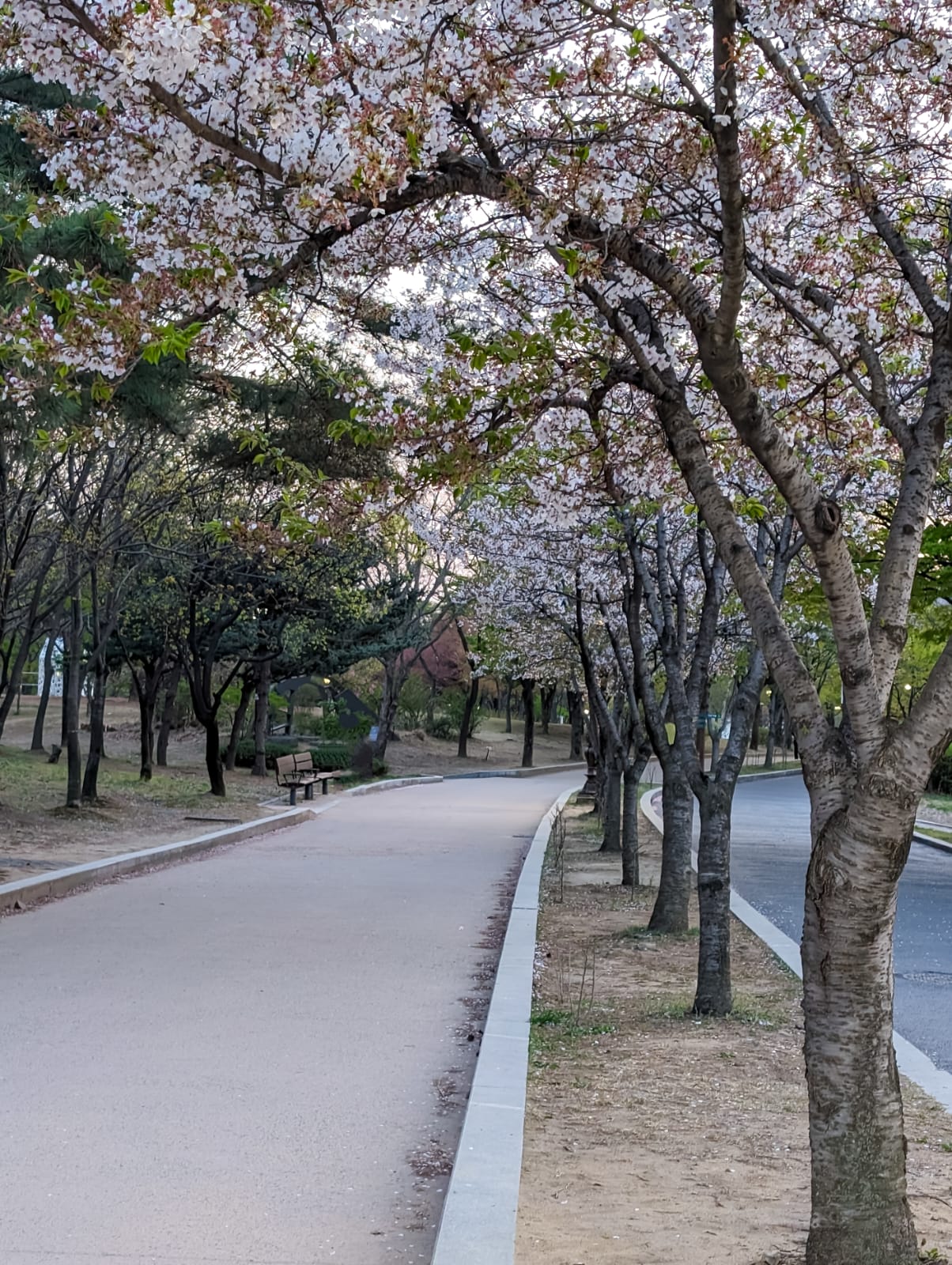
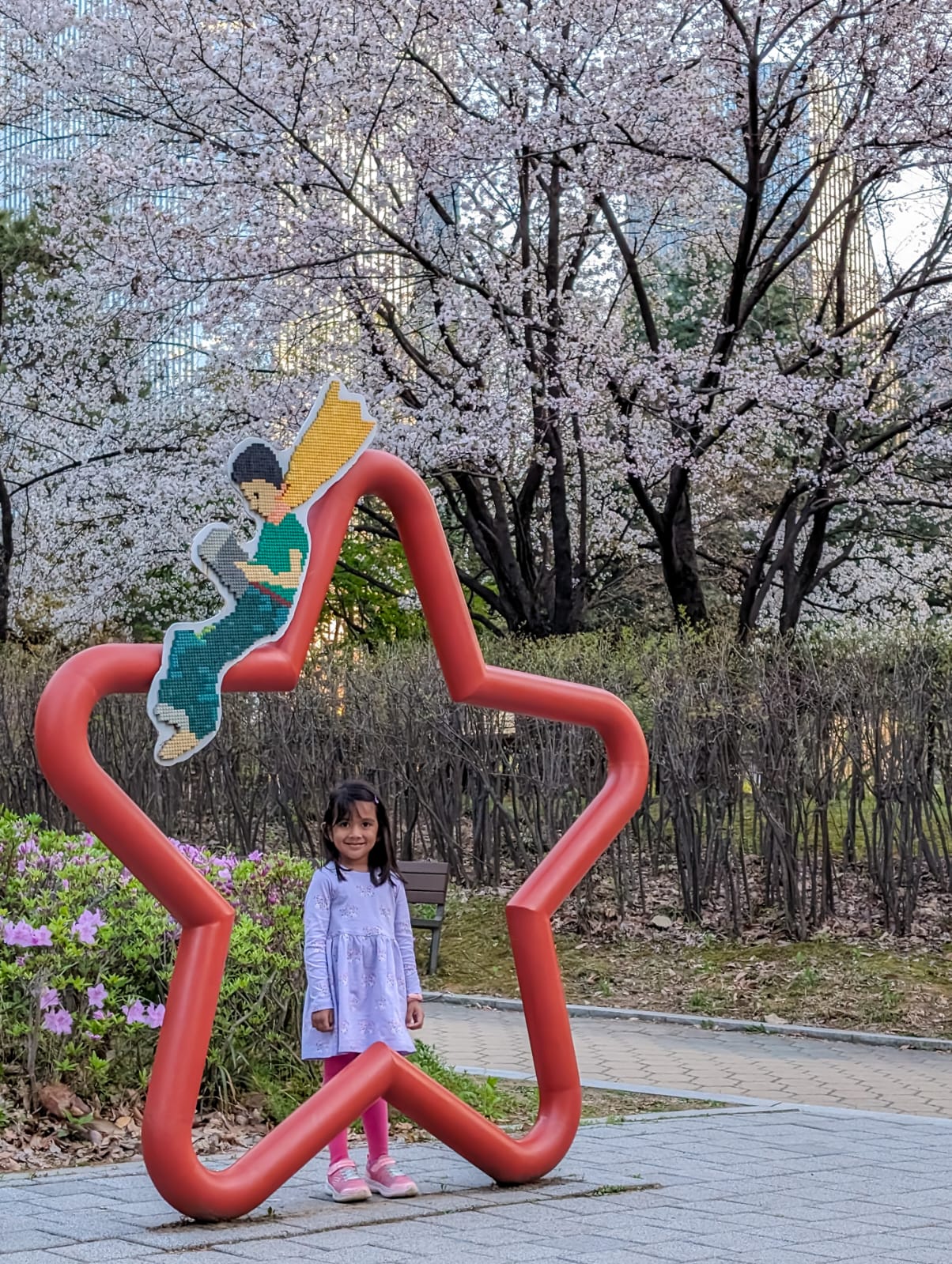
Yeouido Park is at a walkable distance to the Yeouido Hangang Park. It is a New York Central Park type small and beautiful park amid imposing, ultramodern skyscrapers. The pathways are well marked for bikers and joggers alike. The place comes alive during the cherry blossoms season and makes for a lovely setting.
Day Two
Morning: Visit Seoul Forest
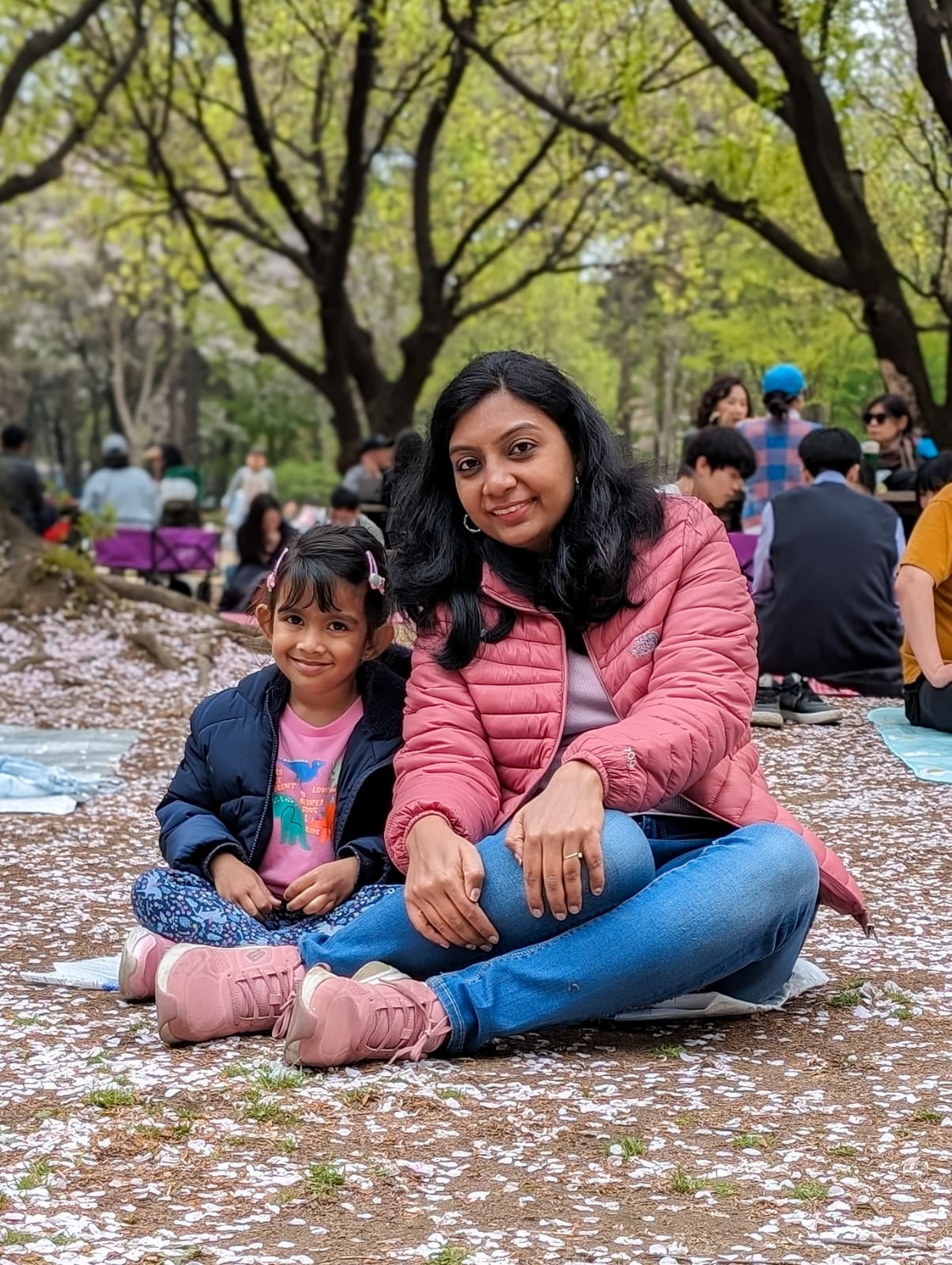

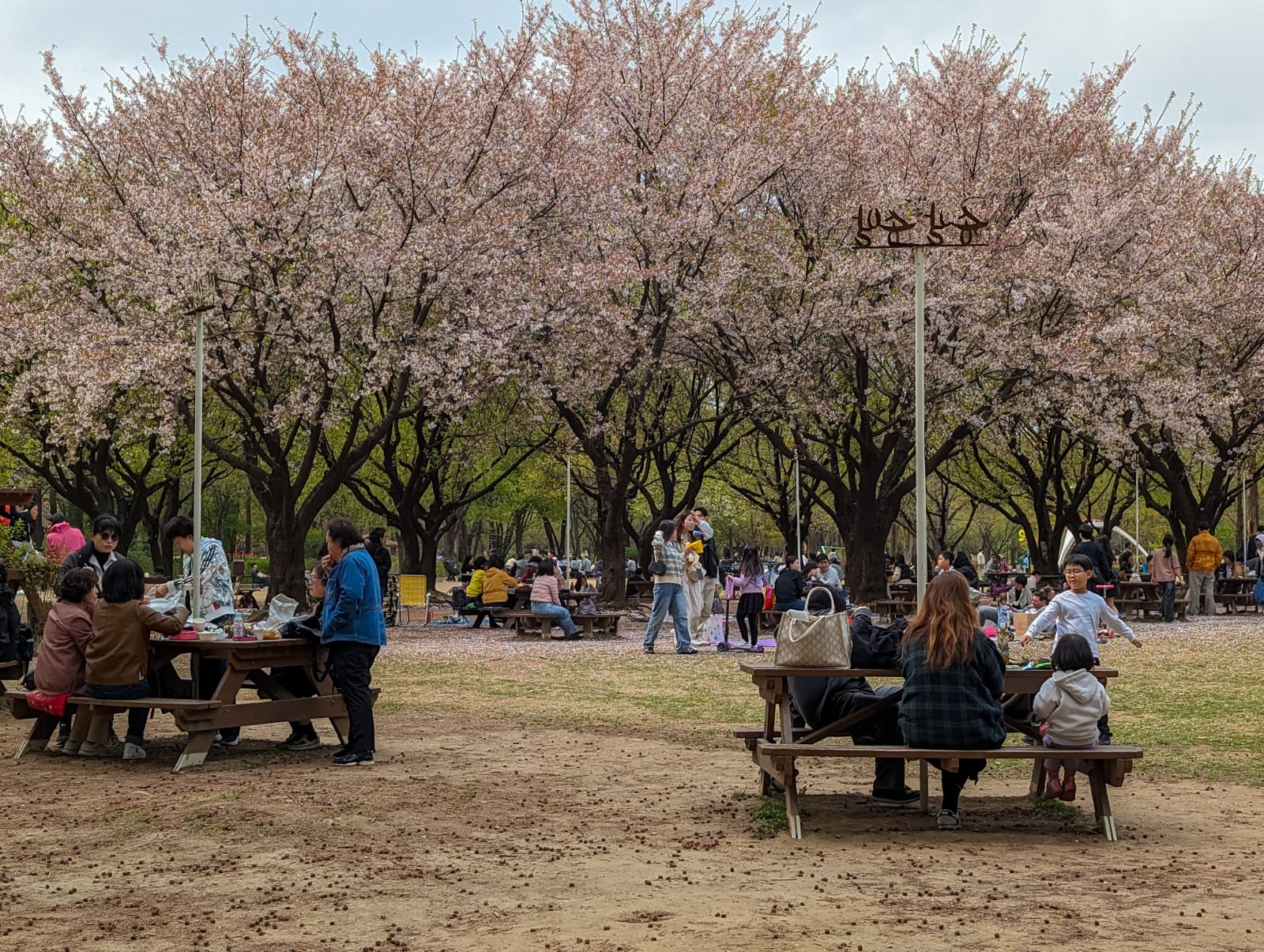
Seoul Forest Park is another lovely green area near Han River. Trees, flowers, play areas and wide open sauces are plentiful and there are lots of great food and beverage options surrounding the forest. It has many cherry trees that transforms the park during the peak cherry blossom season.
Afternoon: Visit COEX Mall for Gangnam Statue & Starfield Library
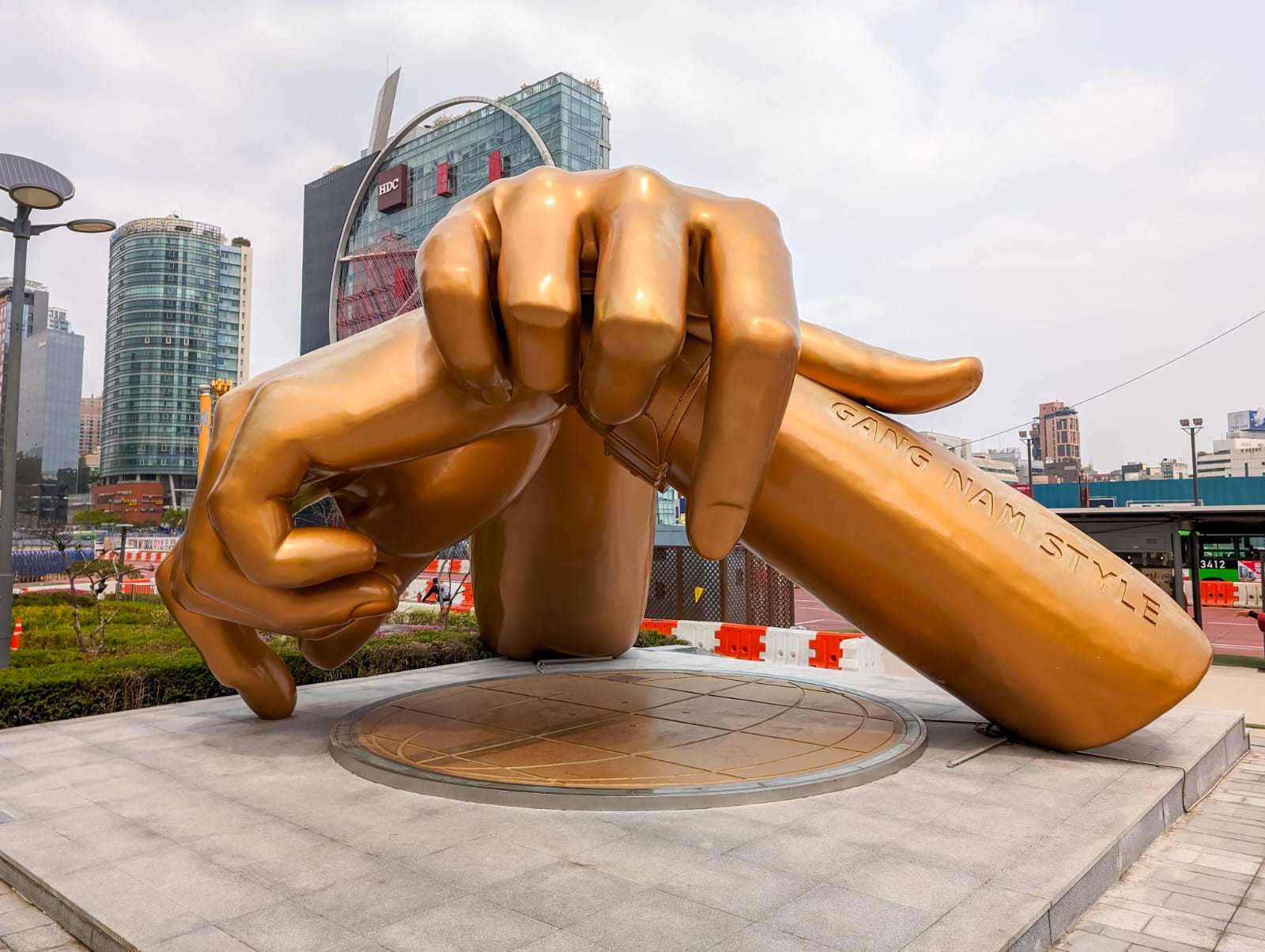

COEX Mall is a centrally located mall in Seoul with lots of retail outlets and eateries. But the main reasons one visits this mall are the Gangnam Statue outside of the mall and the much raved Starfield Library. The statue of 2 hands in copper finish folded in the famous Gangnam style pose makes for a great instagram post.
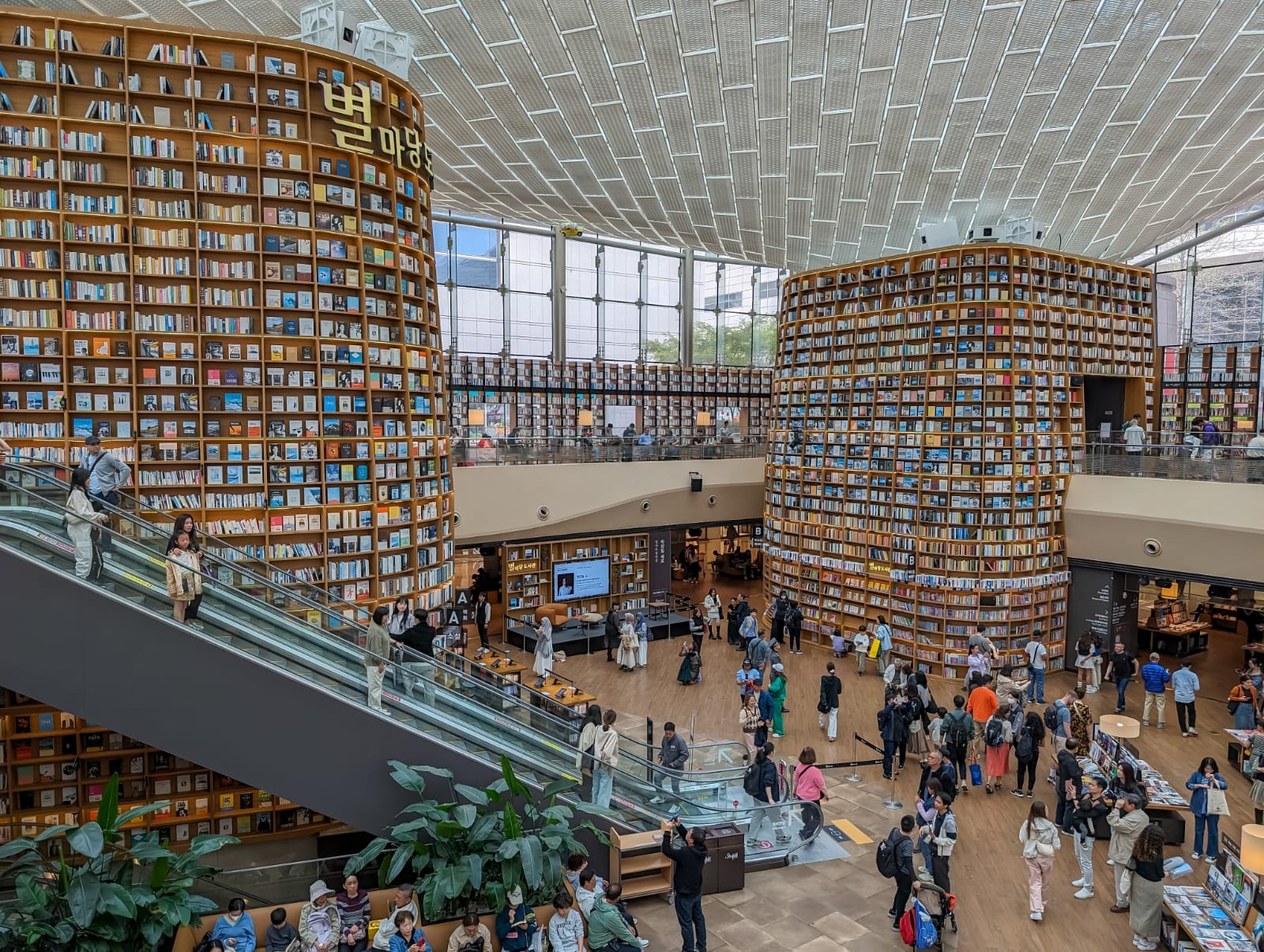
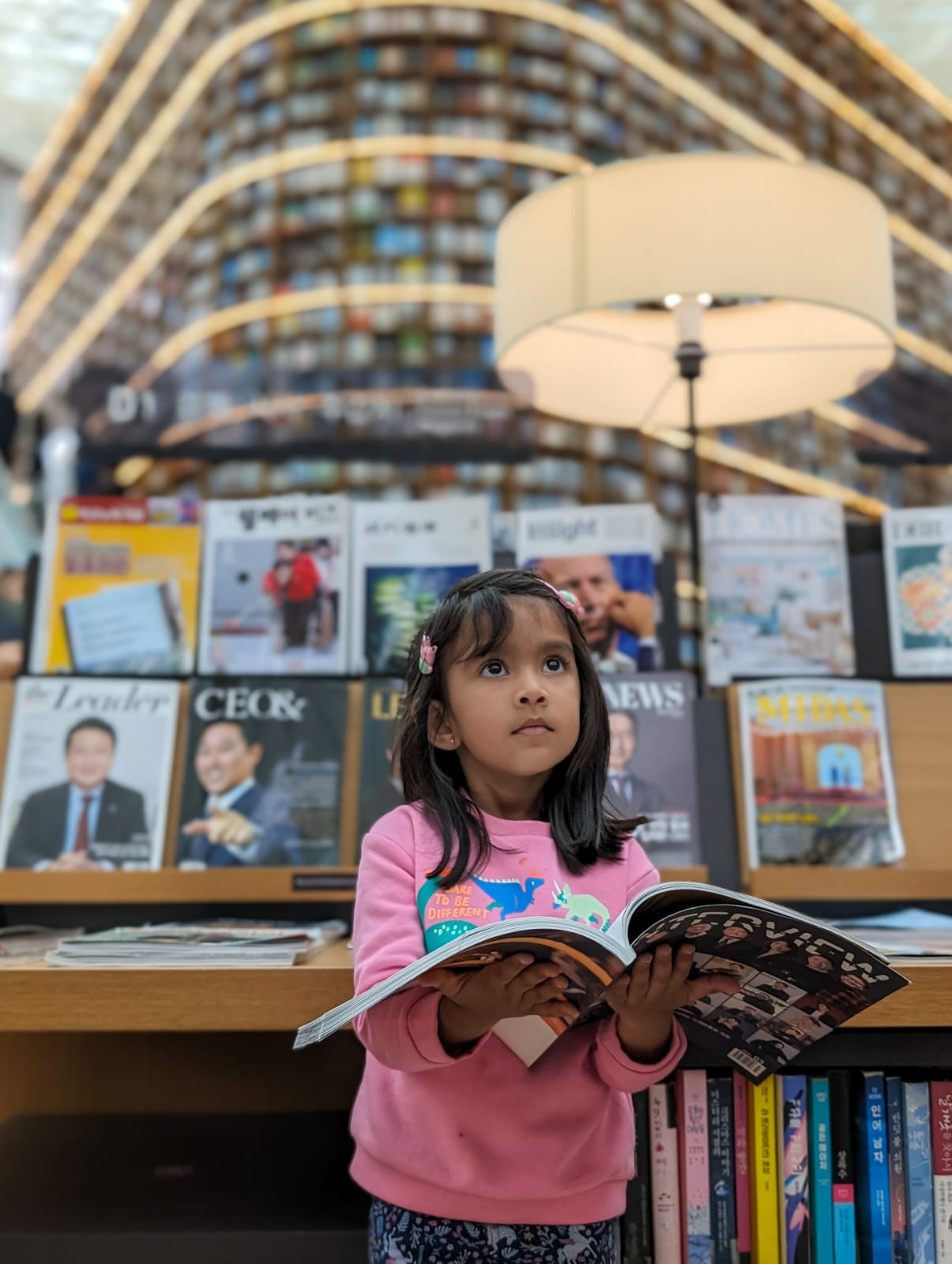
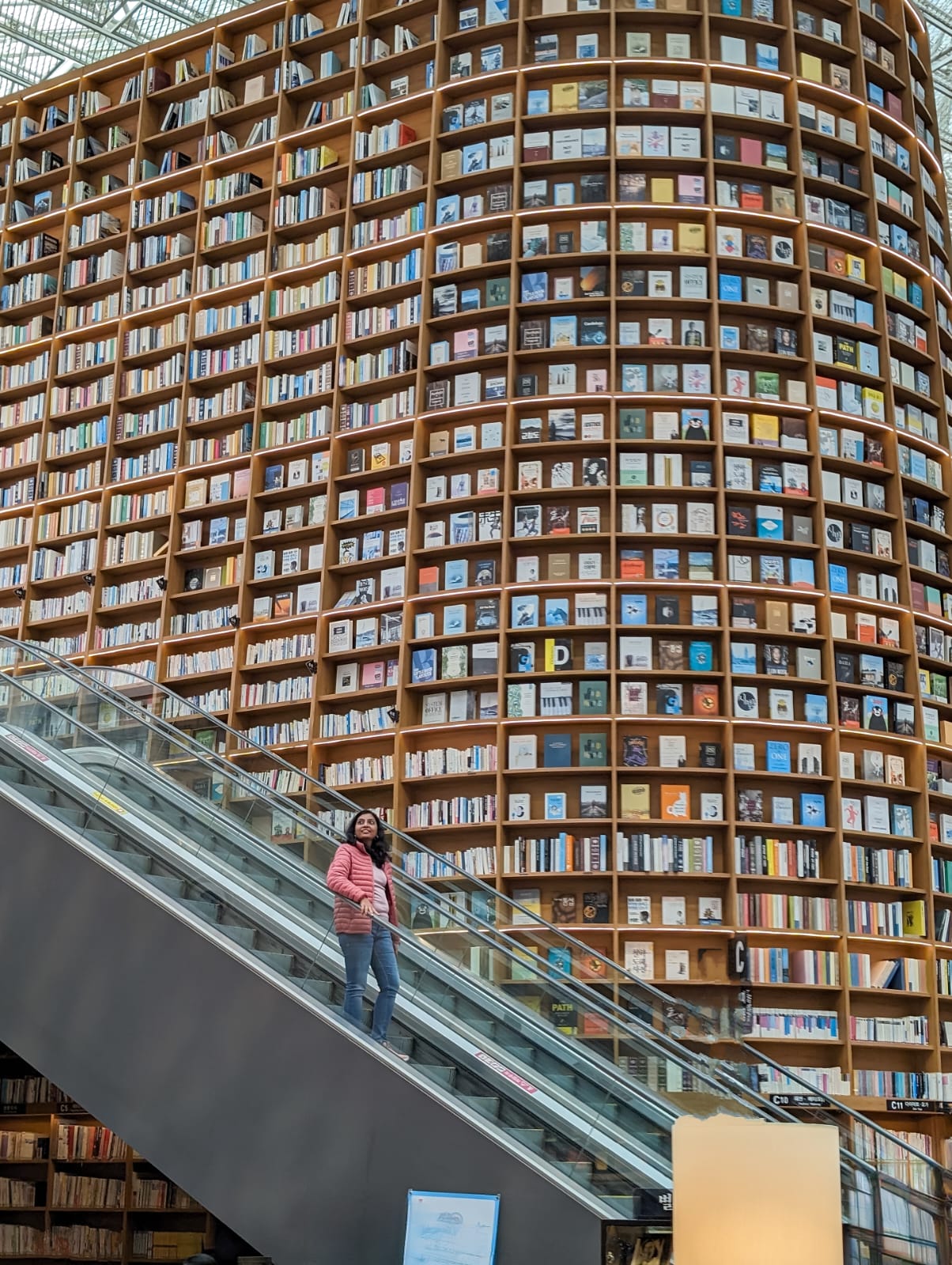
The other attraction – The Starfield library houses huge collection of books and open for anyone. It is one of the most insta-worthy place in whole of Seoul. We spent a couple of hours in the mall and also had lunch here.
Evening: Visit Myeongdong Street

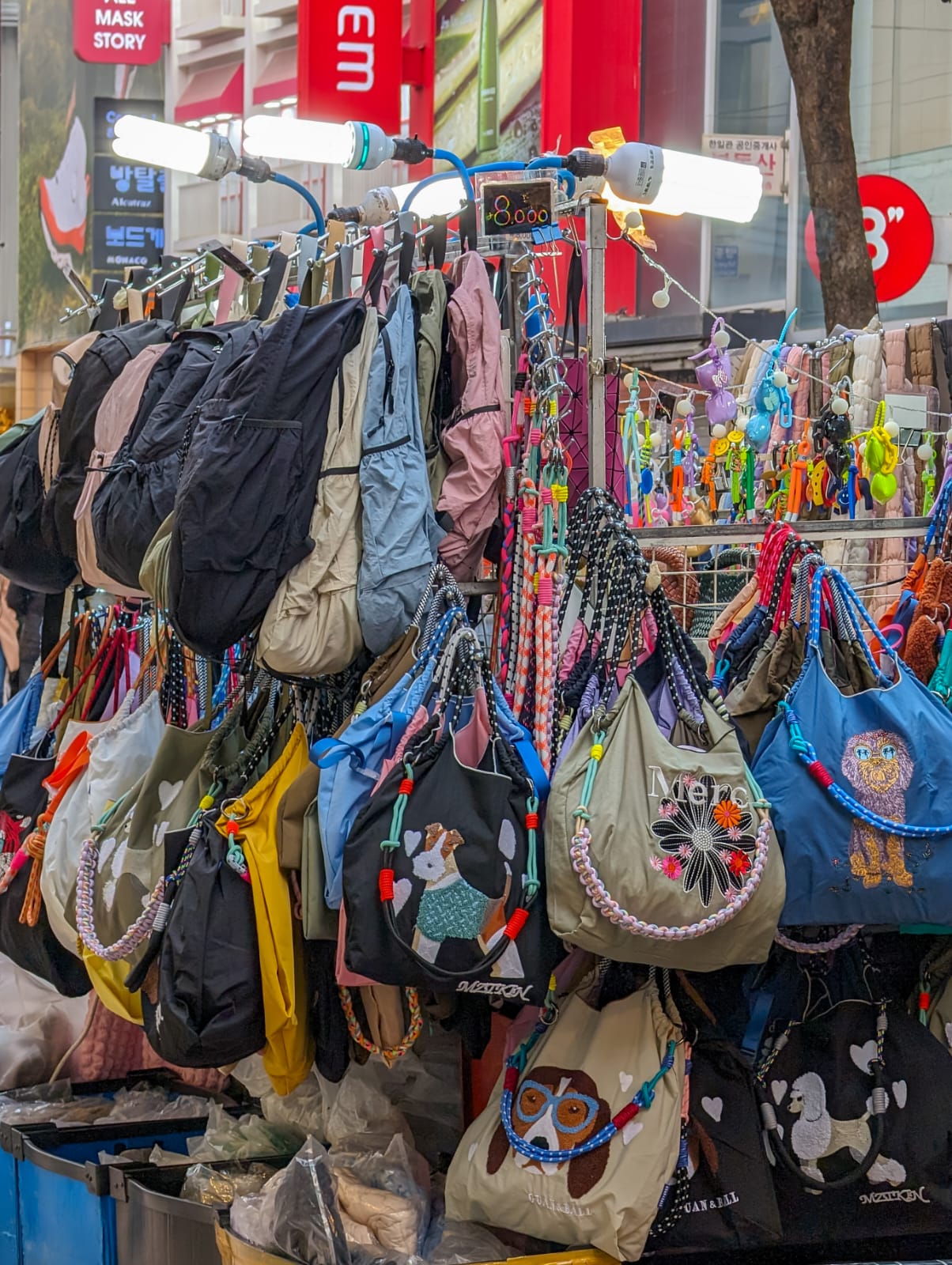
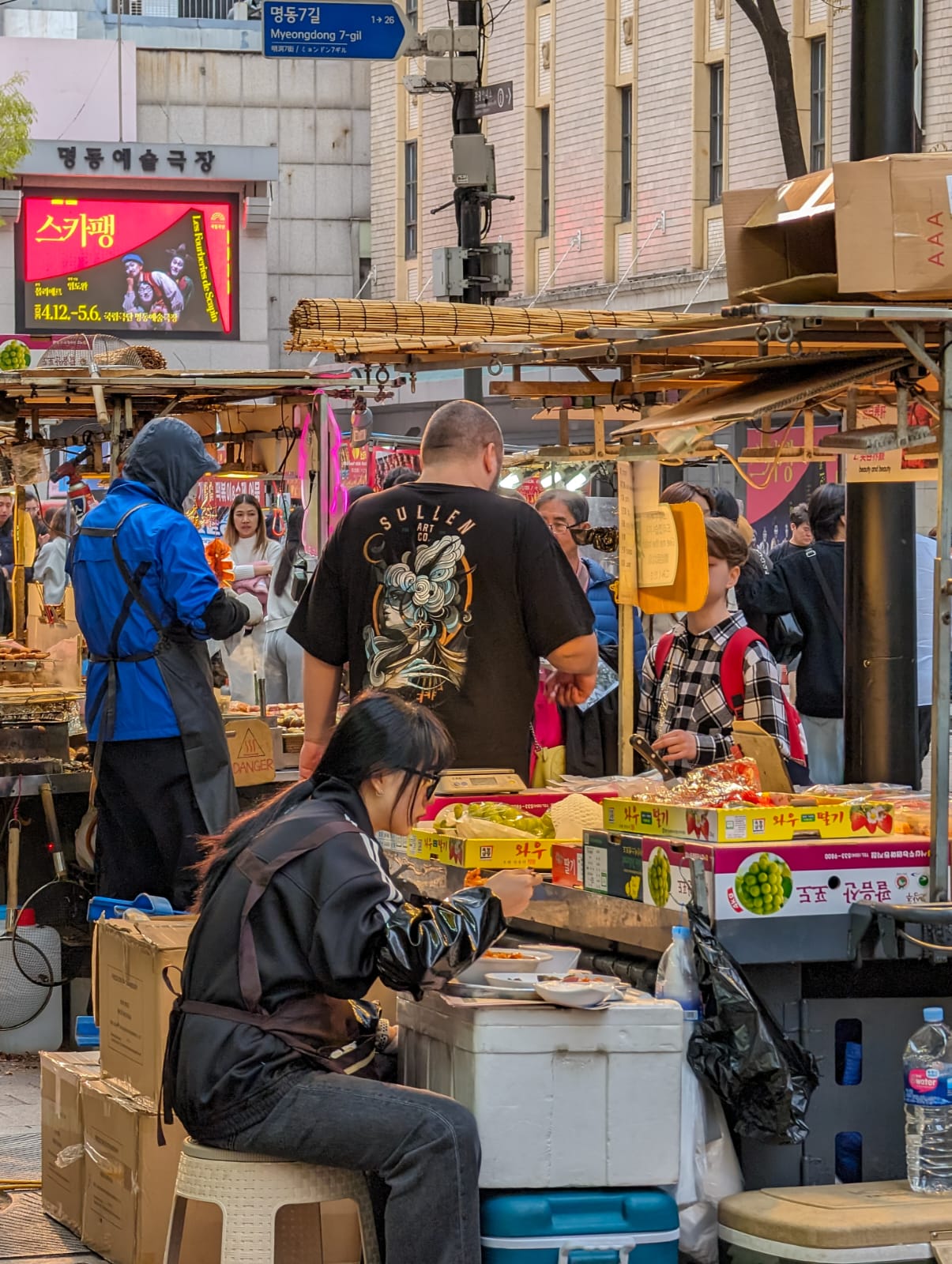

Myeongdong street is one of the famous shopping areas in Seoul. Right from the time you exit the nearby train station to the main shopping street itself, its filled with shops of all kind. It is also famous for Korean street food and also home to couple of multi storied Daiso stores.
Day Three
Morning: Visit Gyeongbokgung Palace
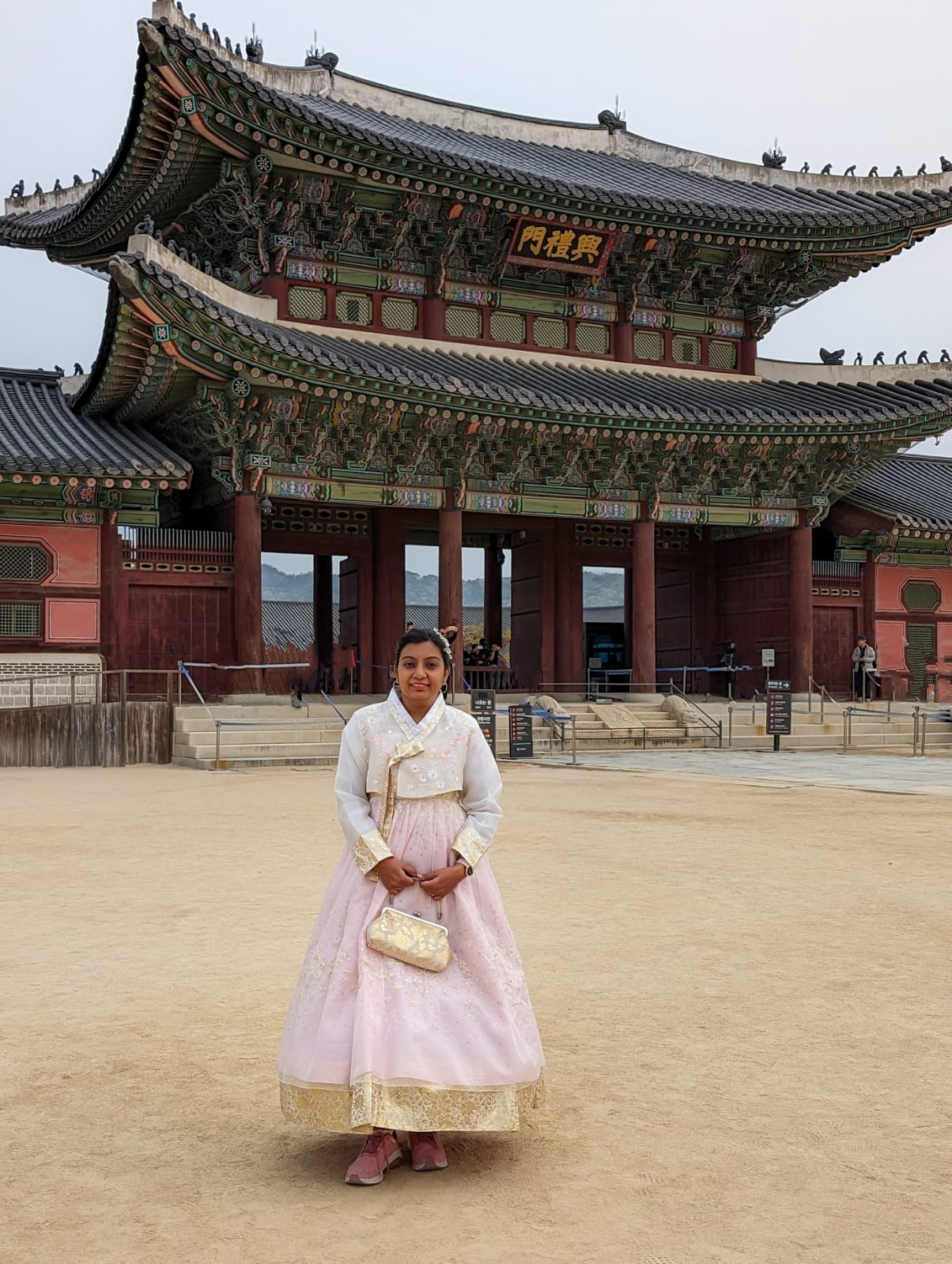
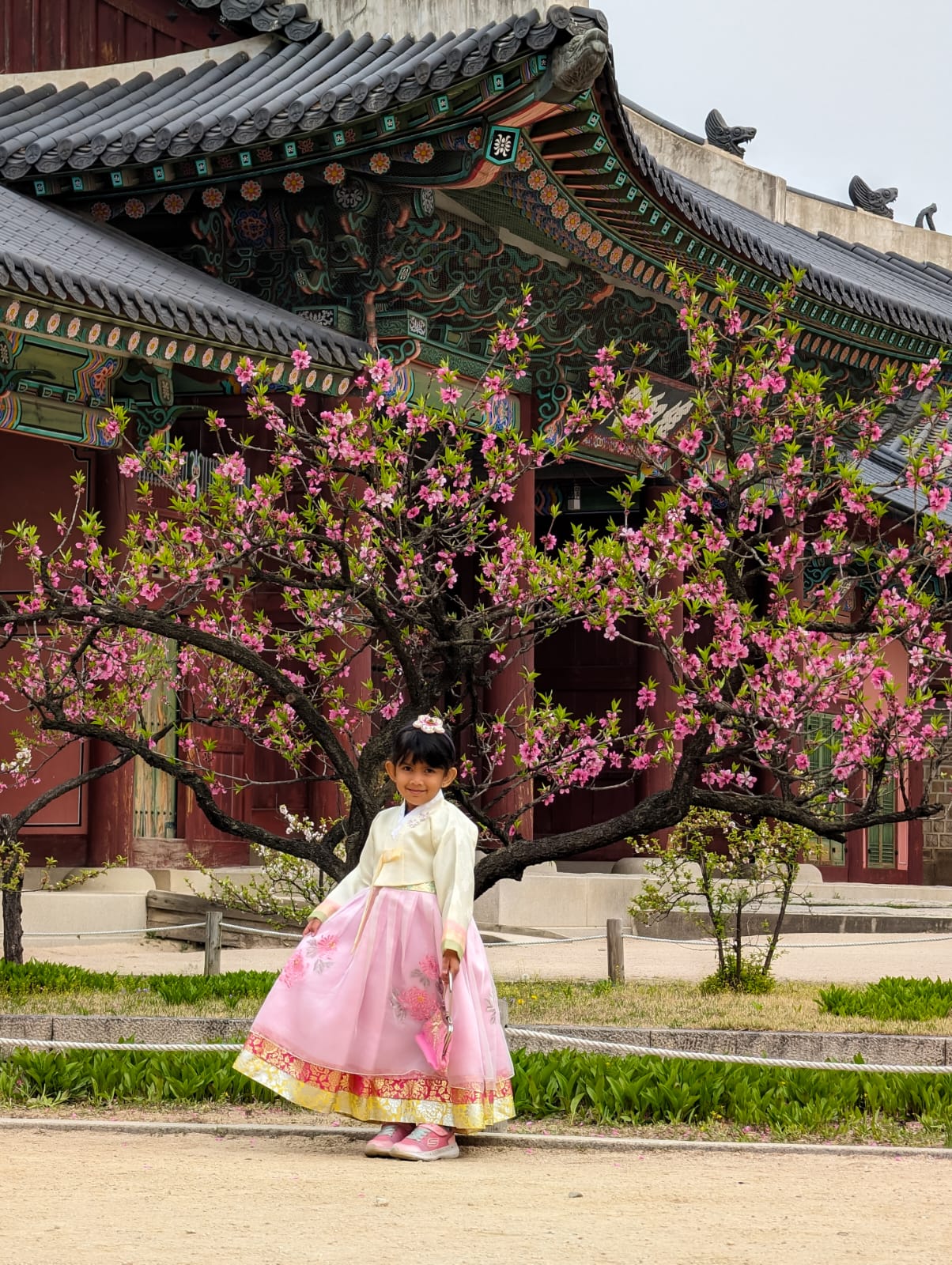
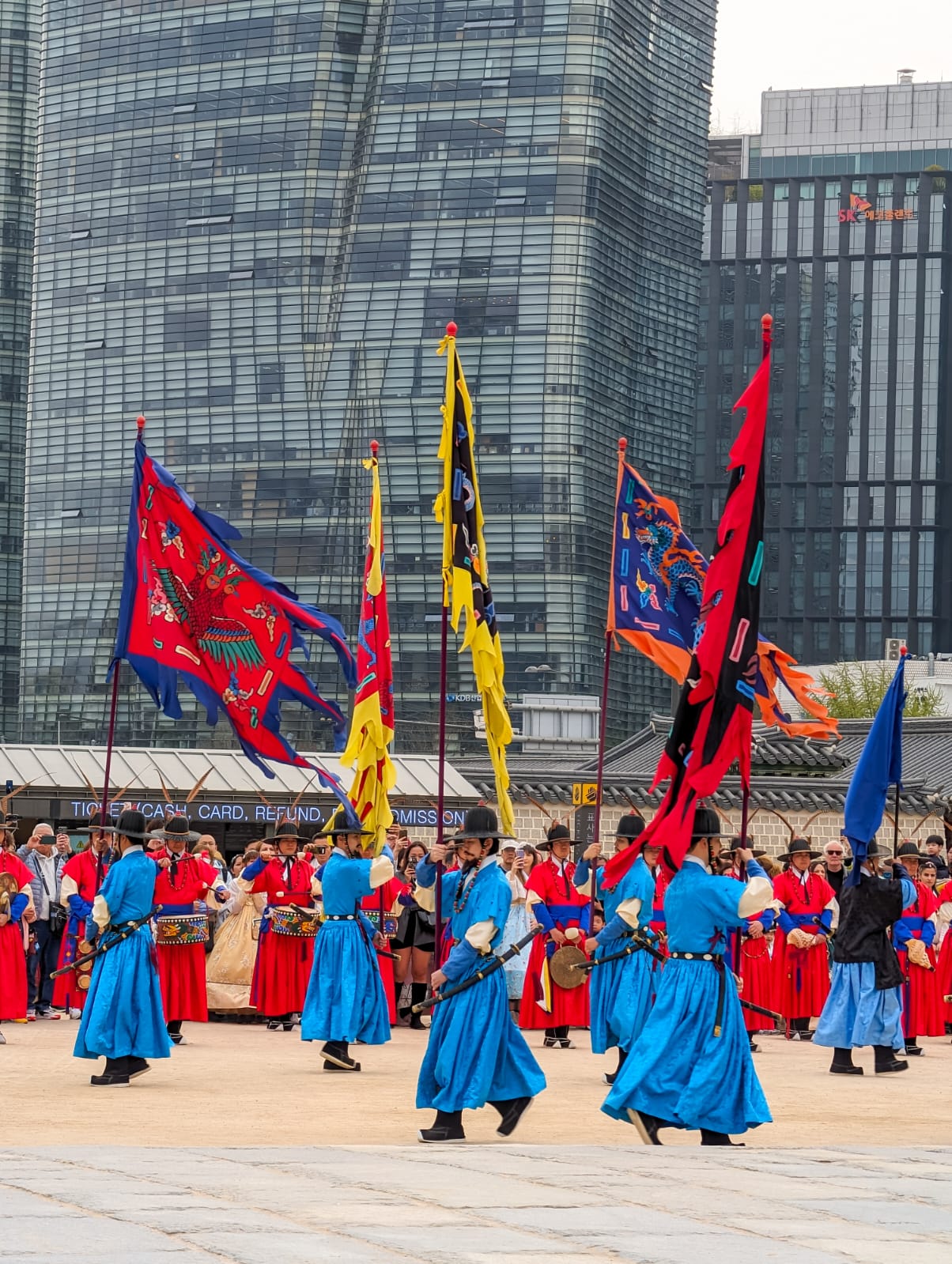
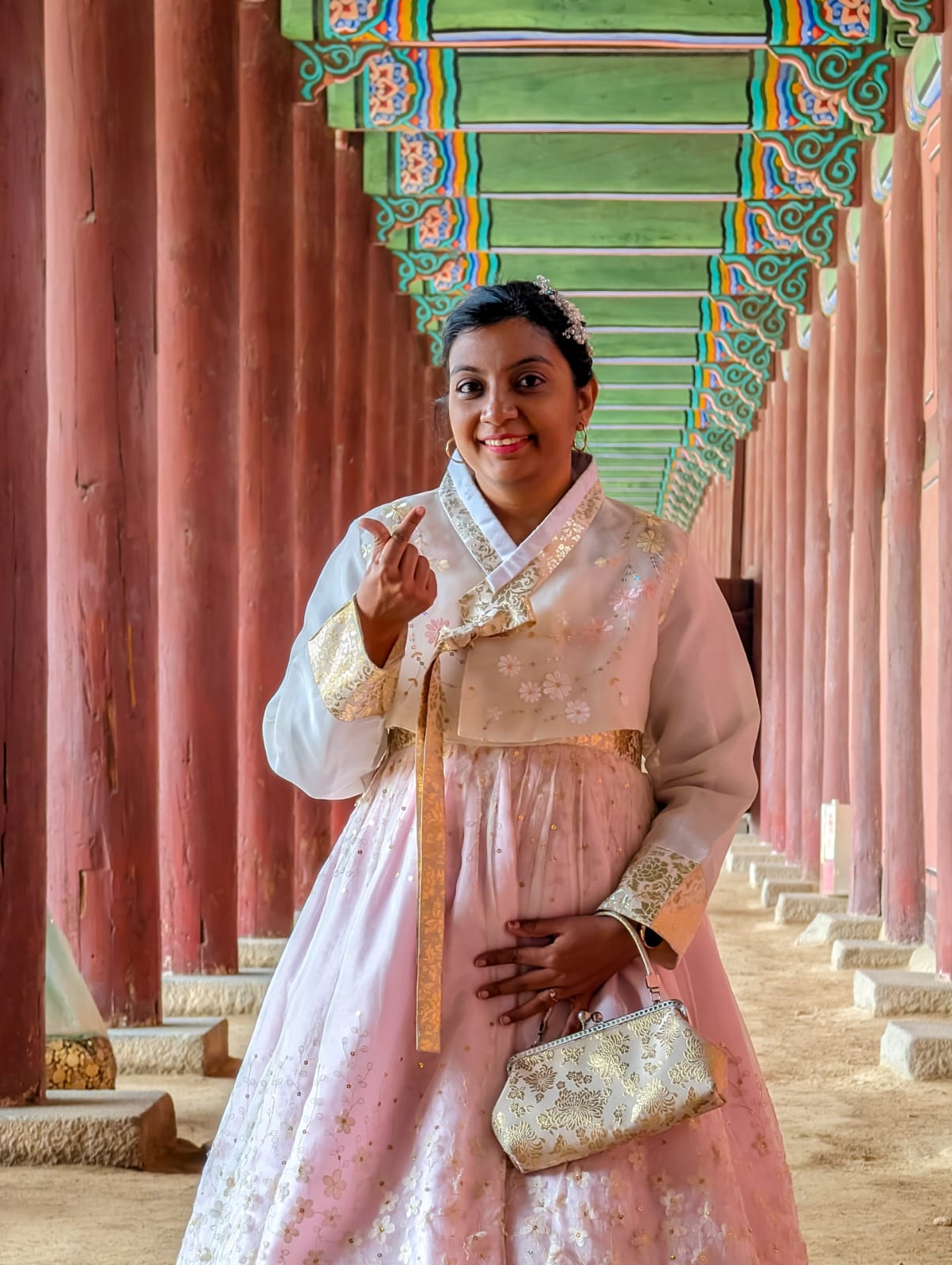
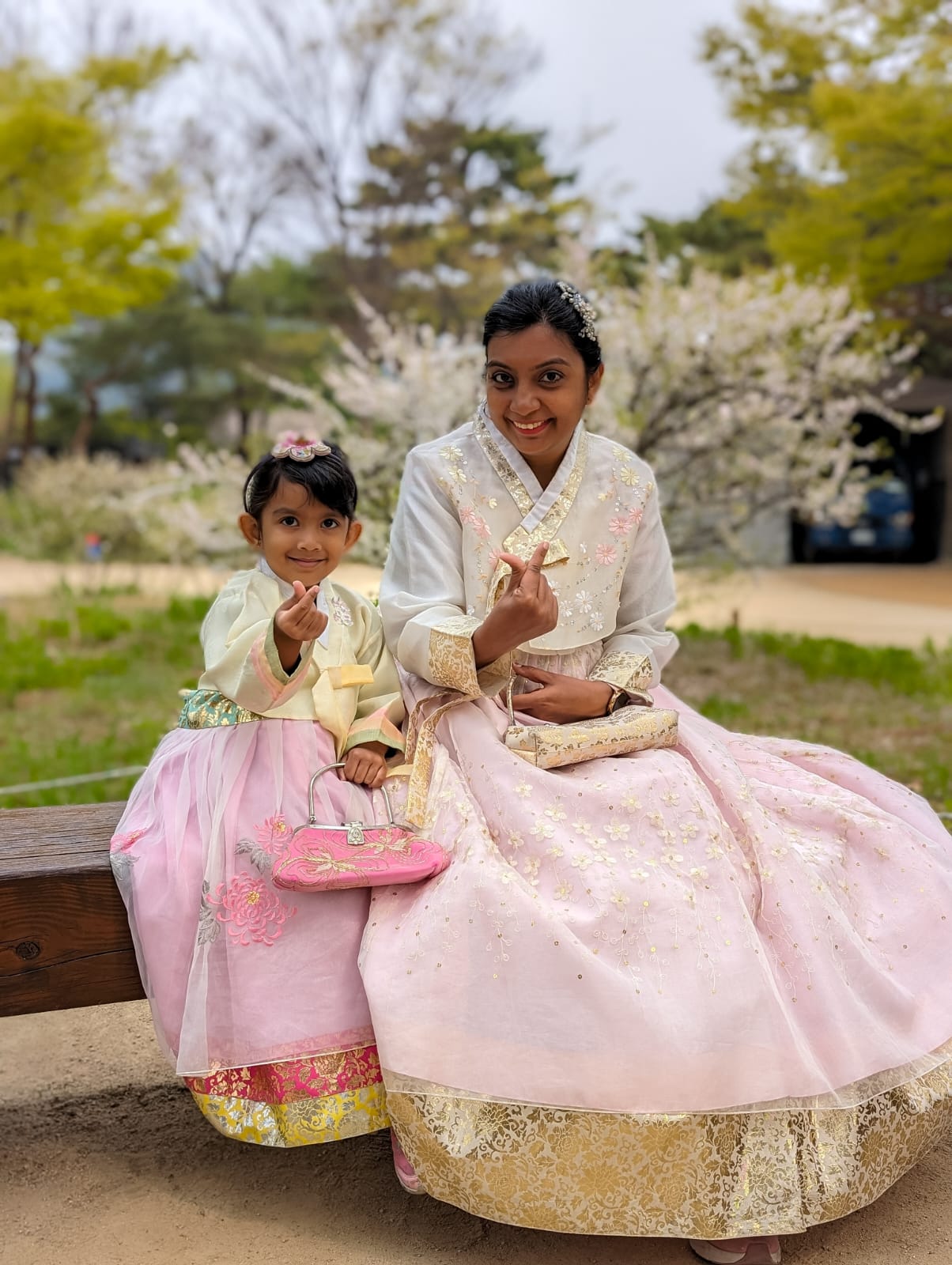
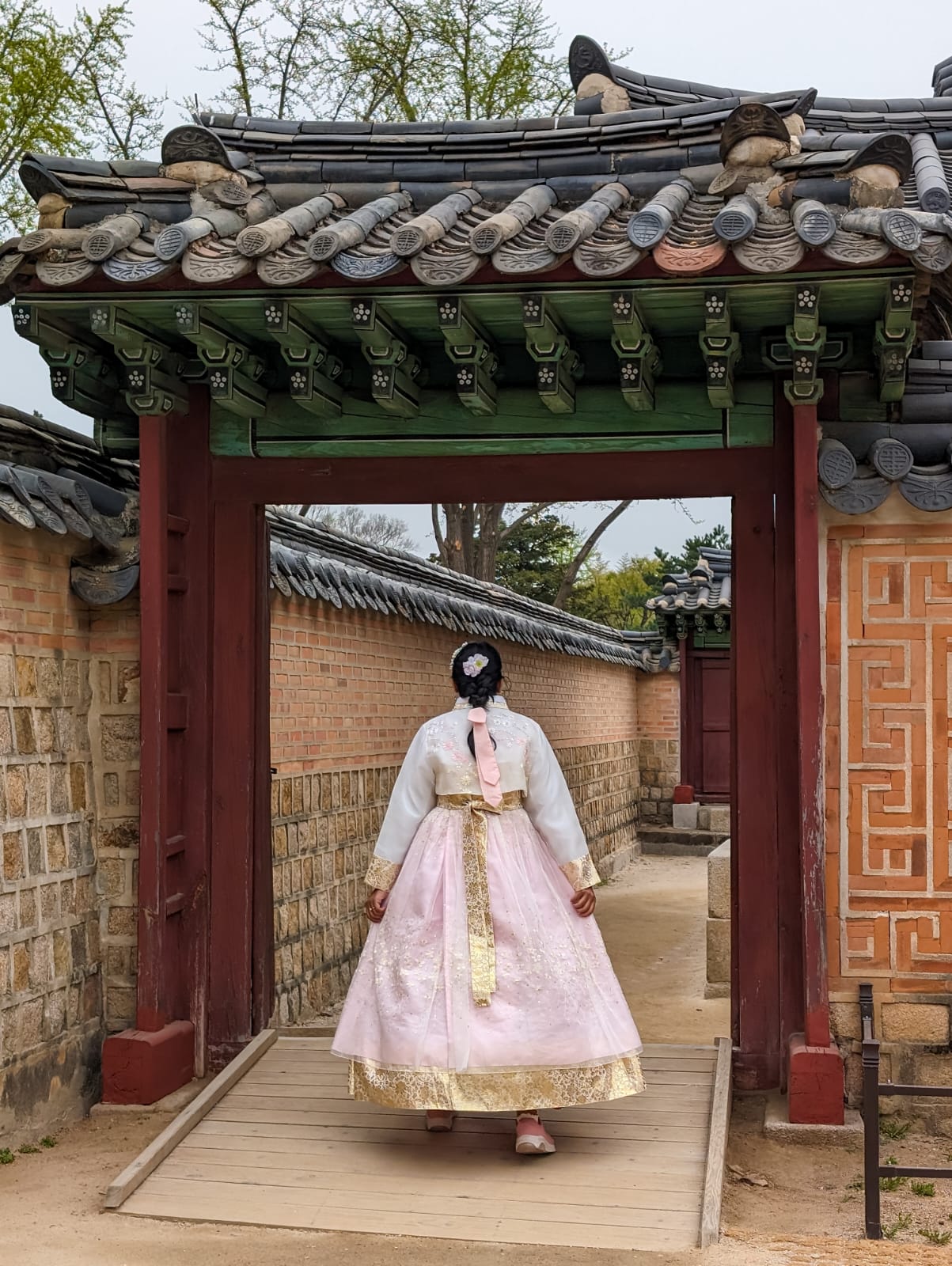
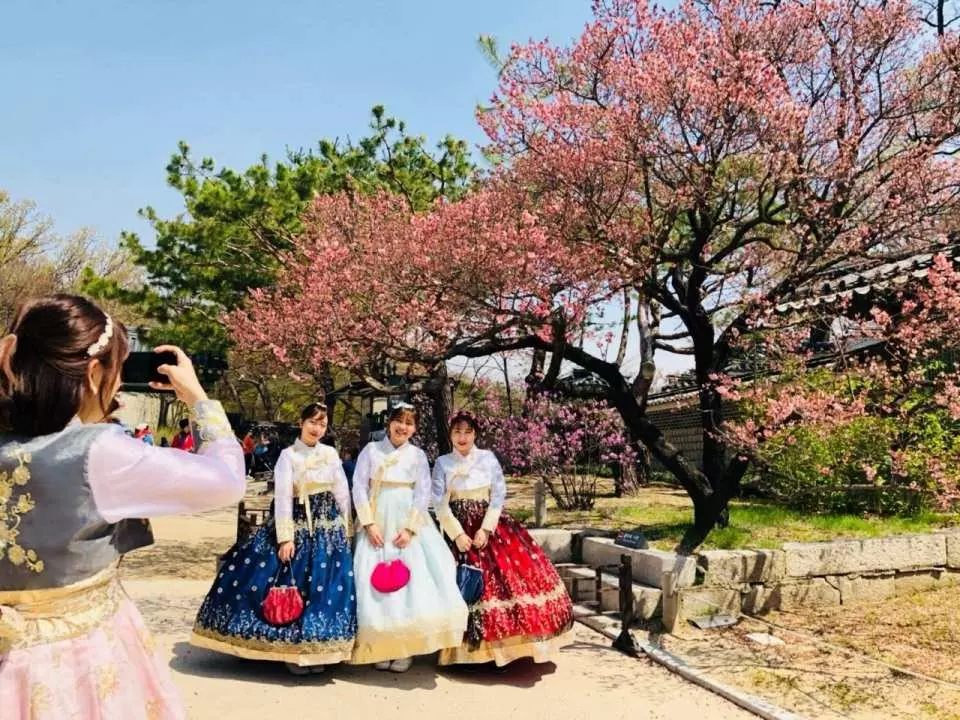
Gyeongbokgung Palace is an iconic structure in Seoul, the largest of the royal palaces in the city. The palace has a very rich history dating back to many centuries, and has multiple sub structures inside it. There is an entrance fee of 3000 Won but you can enter for free if you are wearing a Hanbok (traditional Korean attire). Dressing yourself in those rich and vibrant traditional Korean attire of Hanbok and taking pics inside the Gyeongbokgung Palace, potentially with the cherry trees in the same frame, is the most popular thing anyone aspires for, during their travel to Seoul.
Before visiting the palace, we made a stop at one of the many Hanbok rental places near the palace and rented out the traditional dress for couple of hours (cost around 20k Won per person). It also comes with hair dressing/accessories and handbag. My wife and daughter, ready in the traditional Korean attire were ready to conquer the Gyeongbokgung Palace. The next 2 hours were spent exploring the entire palace, trying to find vantage points from where we could photograph these two dressed up girls. We also were able to witness the changing of guards ceremony.
Afternoon: Bukchon Hanok Village
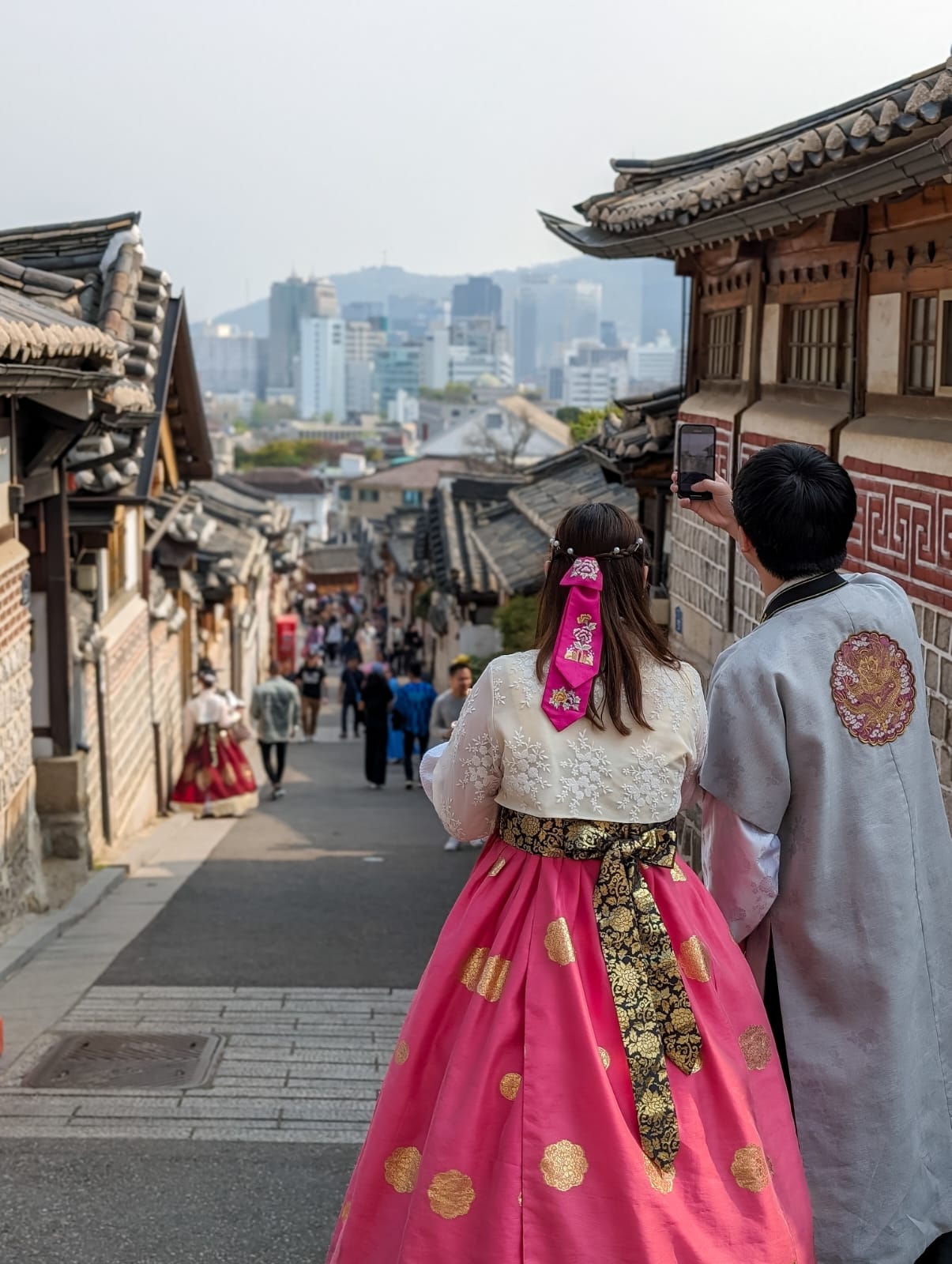
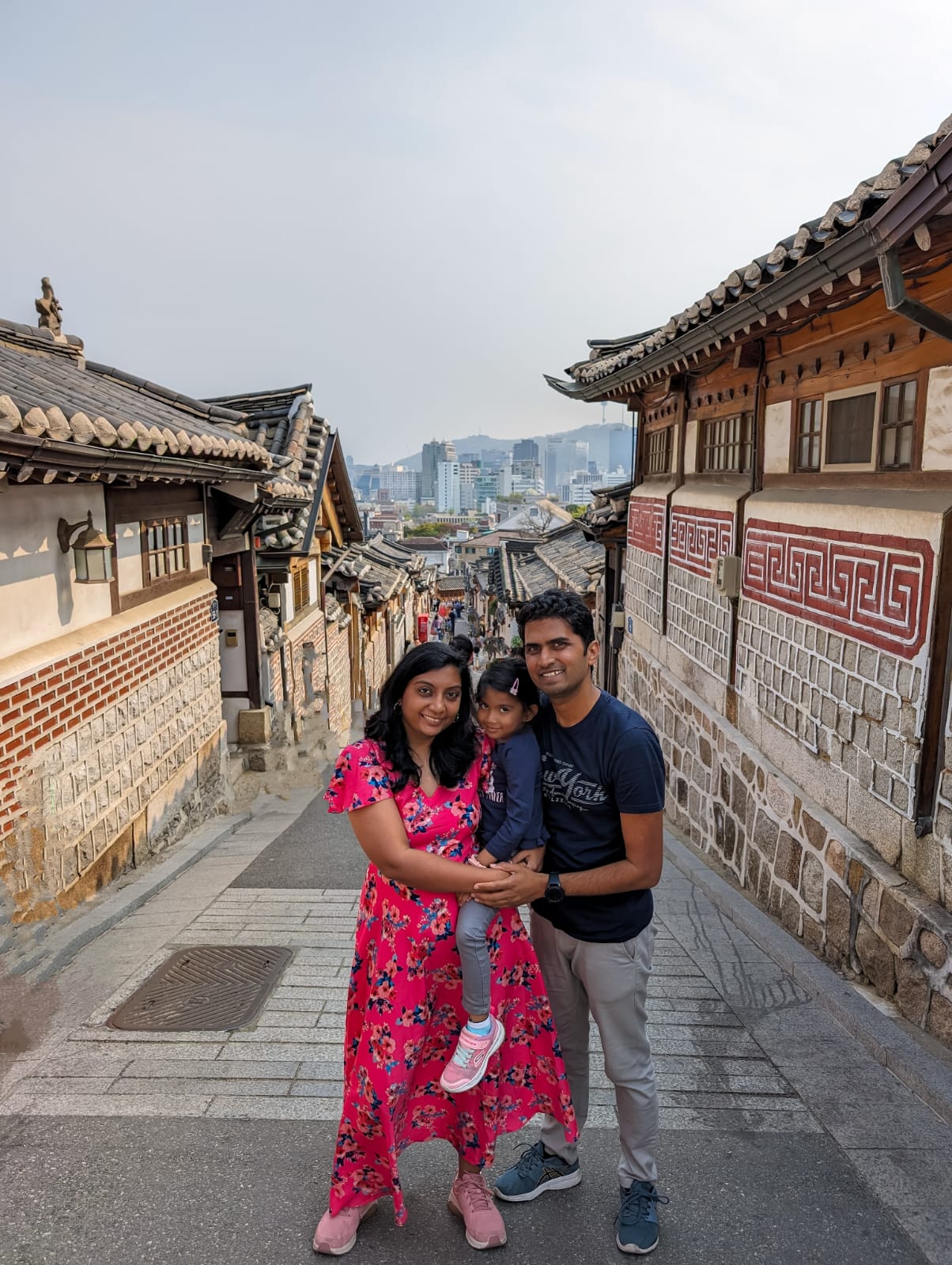
Bukchon Hanok Village is a residential area in Seoul which still houses many beautiful well preserved traditional Korean houses. Popularity of this area has also brought about lots of commercialization as well as it continues to be one of the most visited parts of the city.
Evening: Visit Changdeokgung palace and Secret garden
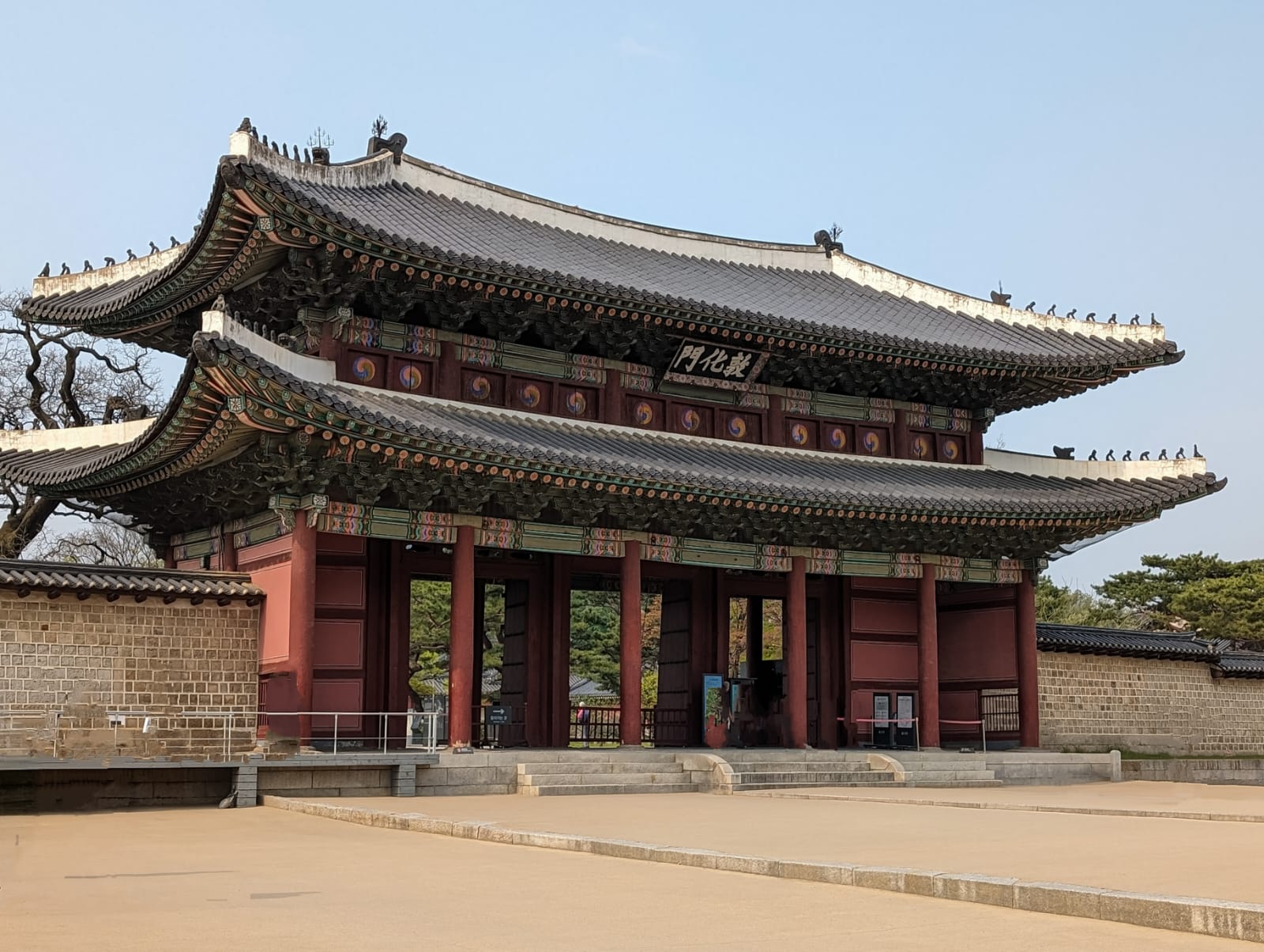
Changdeokgung is one of the 5 royal palaces of Seoul. The architecture is quite beautiful and it houses another garden inside it, called the Secret garden. You need to buy additional ticket to access the garden which houses beautiful cherry trees looking pretty when in full bloom. When we went in the evening, the gardens were already closed and hence, we decided to see the palace from outside itself.
Day Four
Morning: Visit Namsan Park and N Seoul Tower
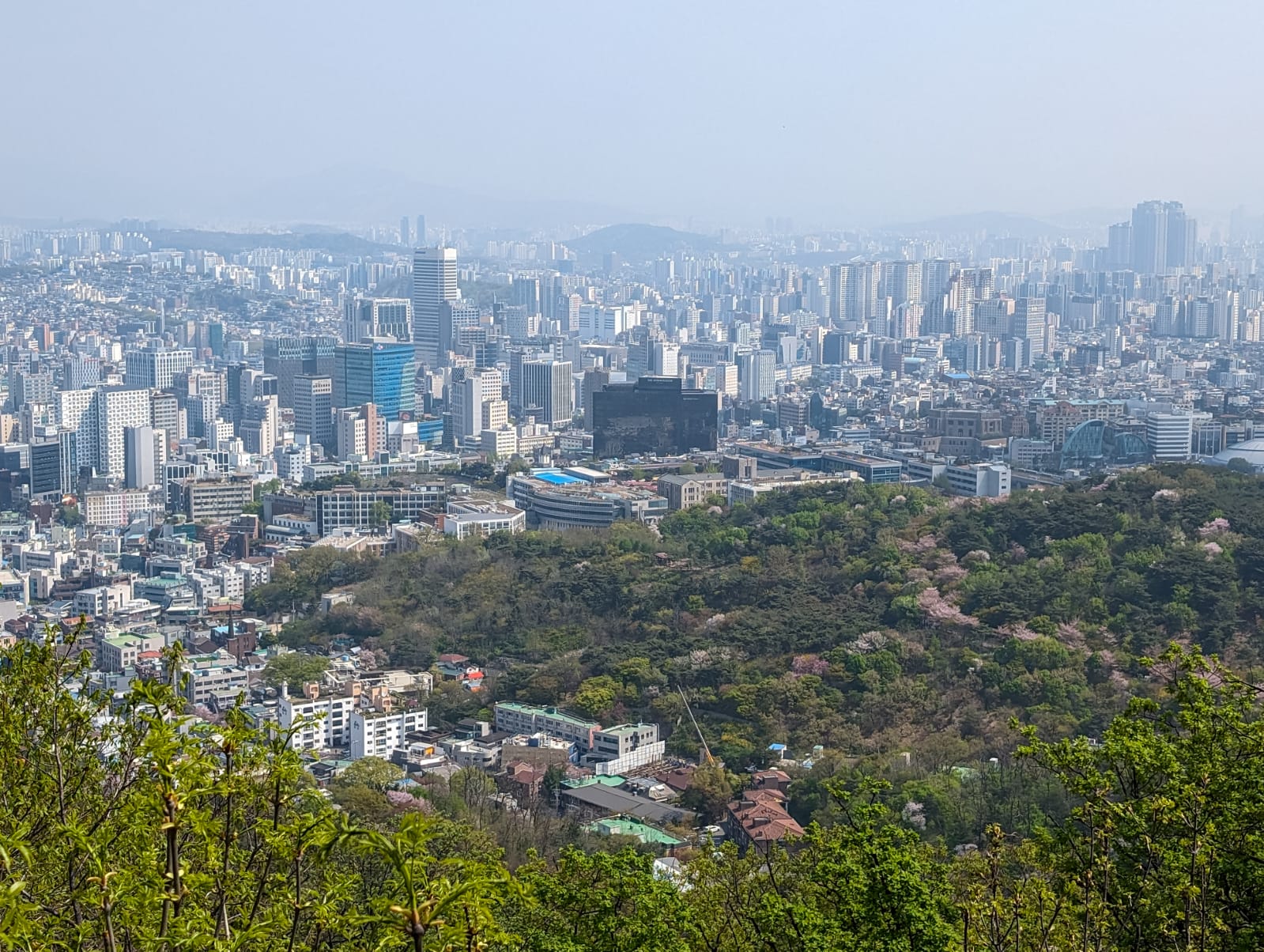
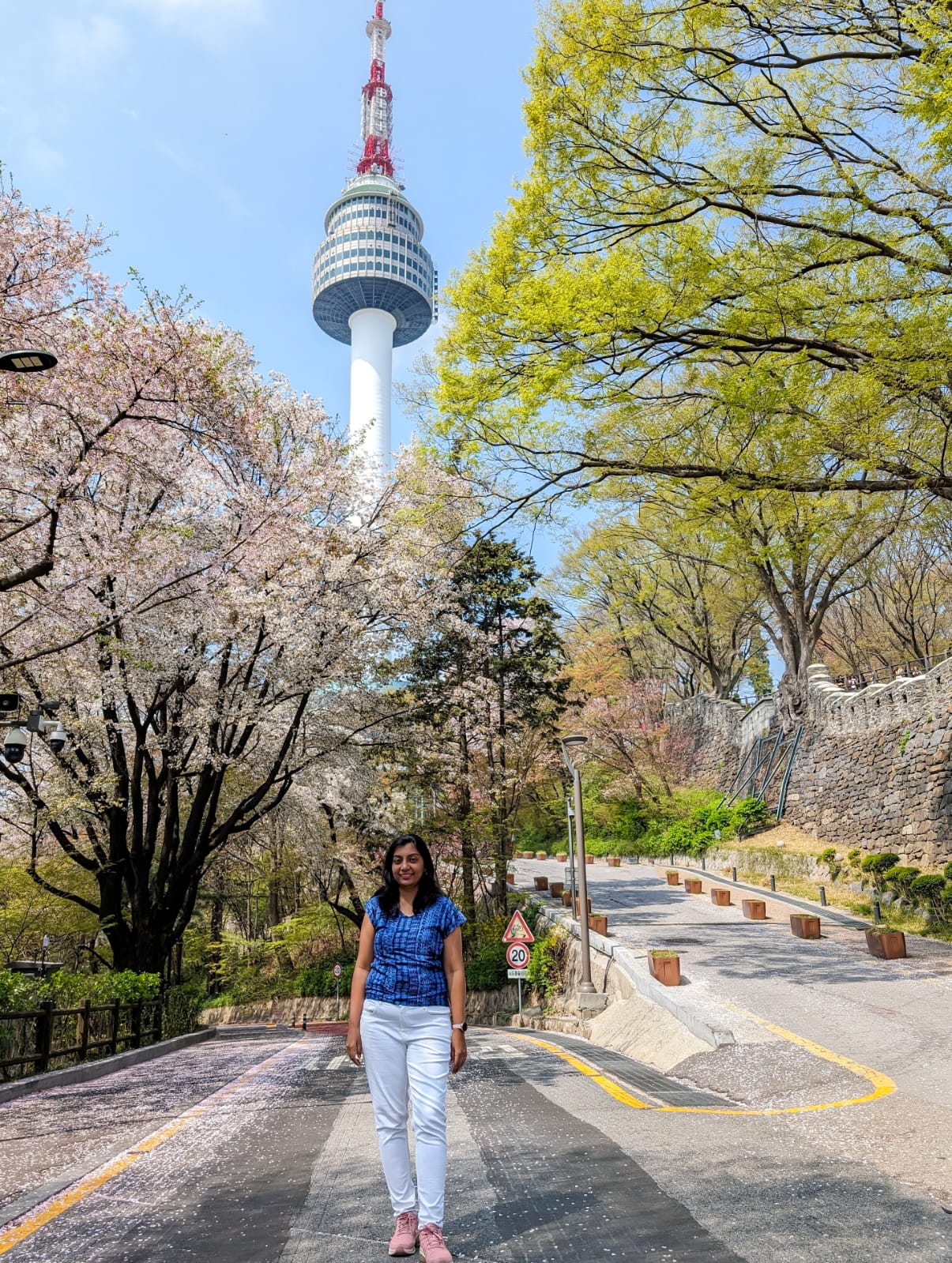
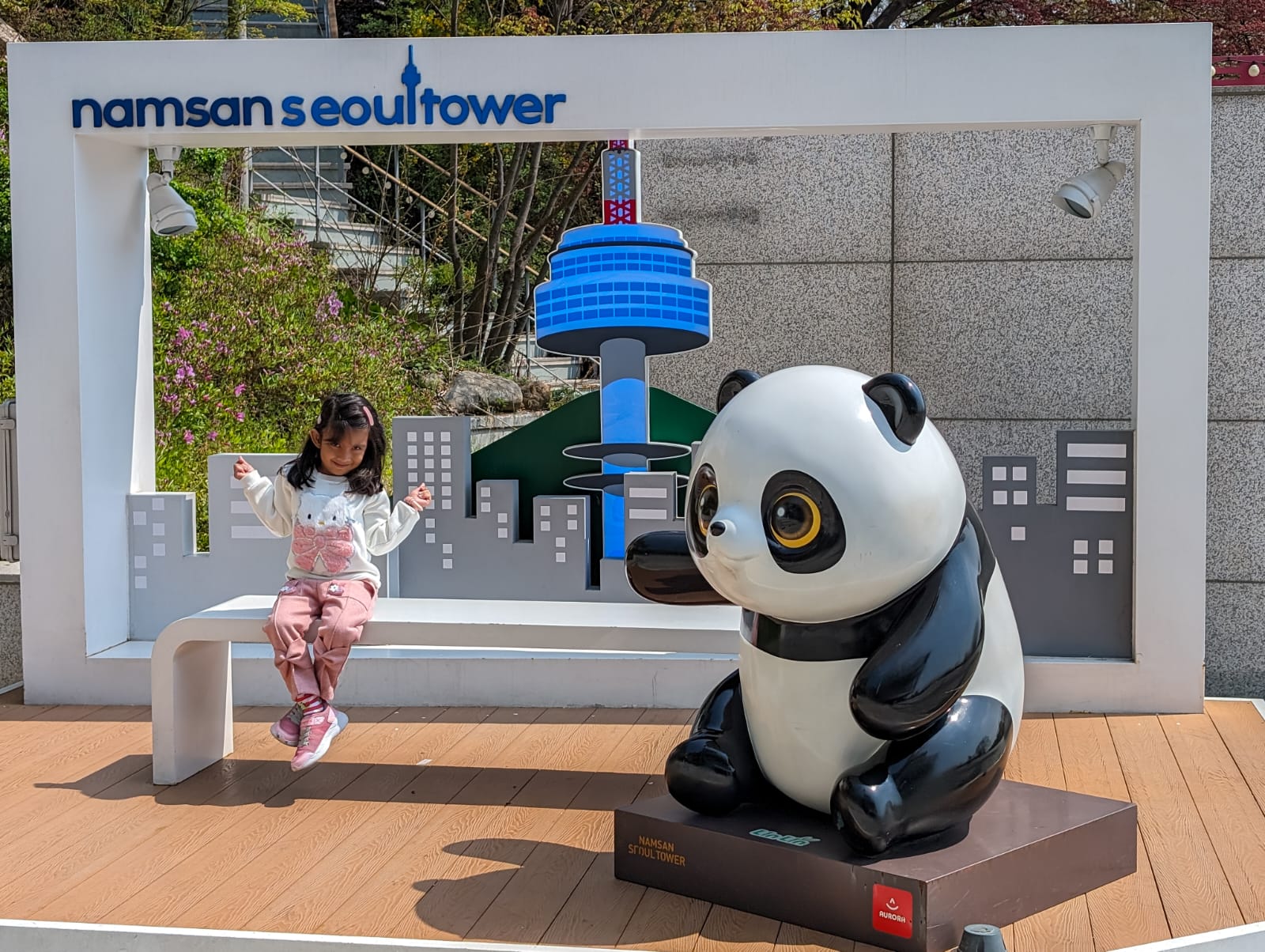
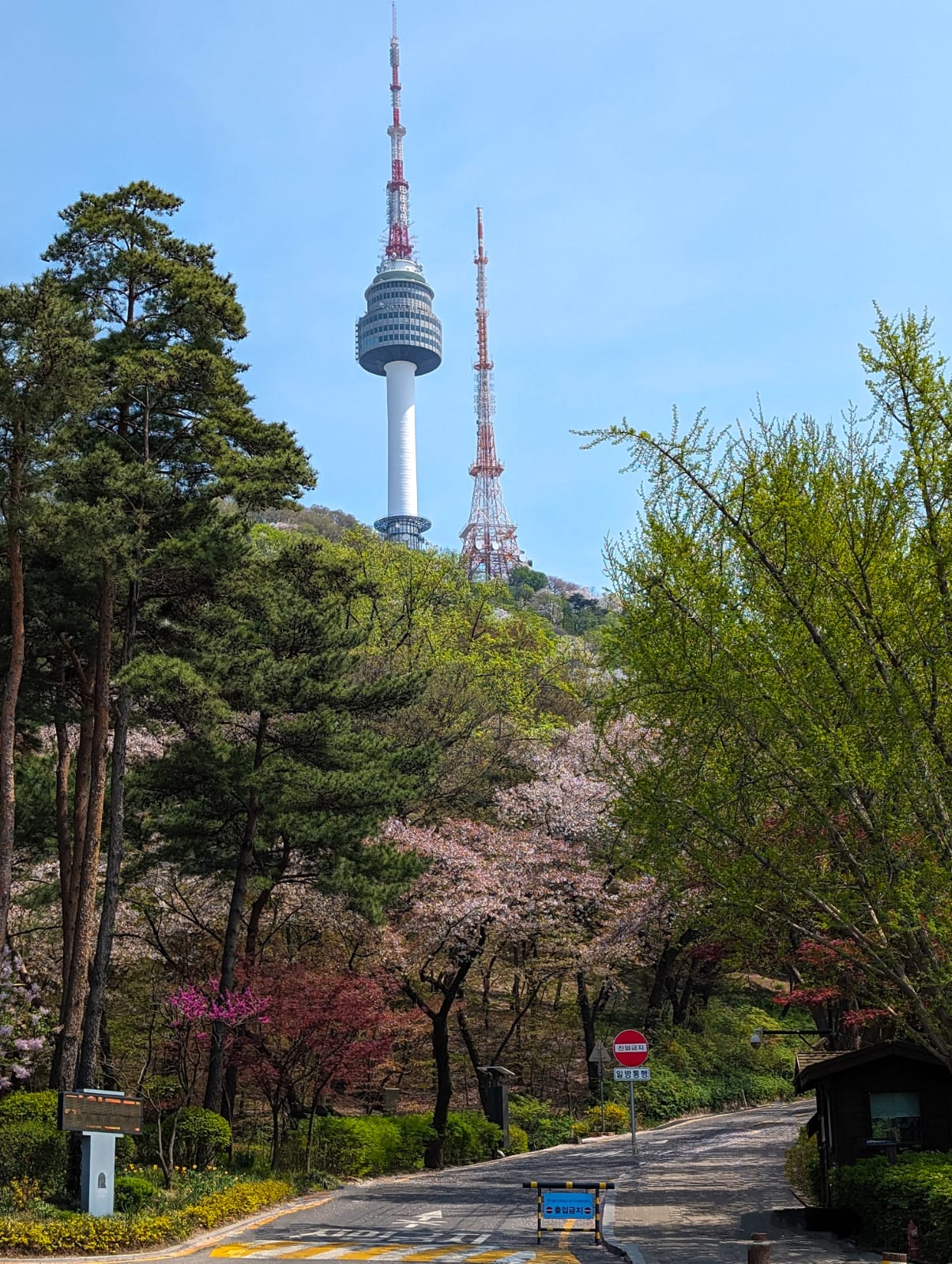
On our last day in Seoul, we decided to spend the morning visiting the Namsan Park area including the North Seoul Tower. There are multiple ways to reach the Namsan Park starting from the most popular Cable Car, to specific buses that run from Myeongdong area and finally the walk itself which might take some time, but the path is beautiful indeed, especially during the cherry blossoms full bloom. We took the bus from Myeongdong station which dropped us off close to the base of the tower. The lower floors of the tower has different shops and restaurants, even an arcade center. You need to purchase tickets to reach to the top through a dedicated lift. We didn’t go all the way to the top, but the views from the base of the tower itself was quite good.
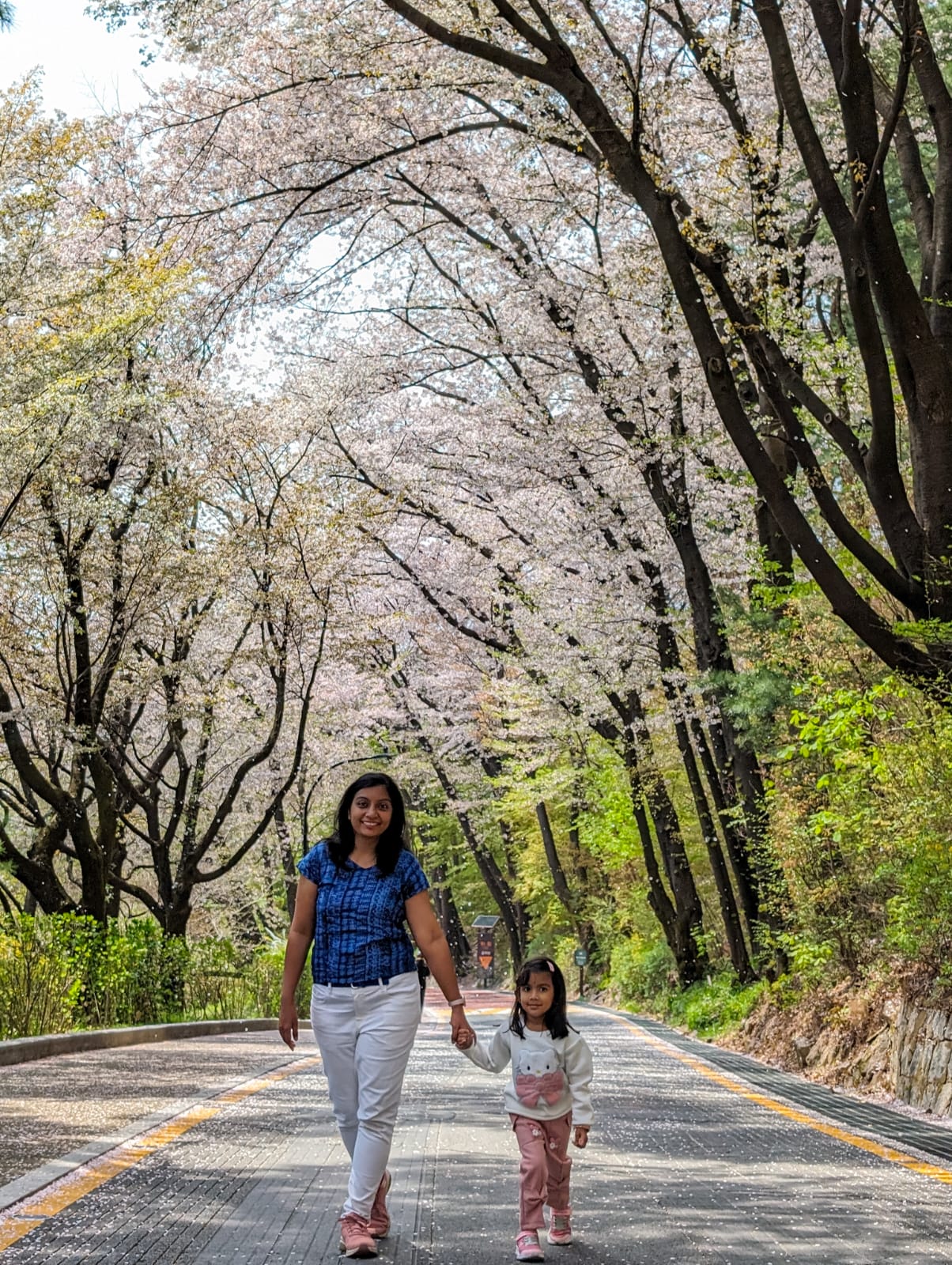
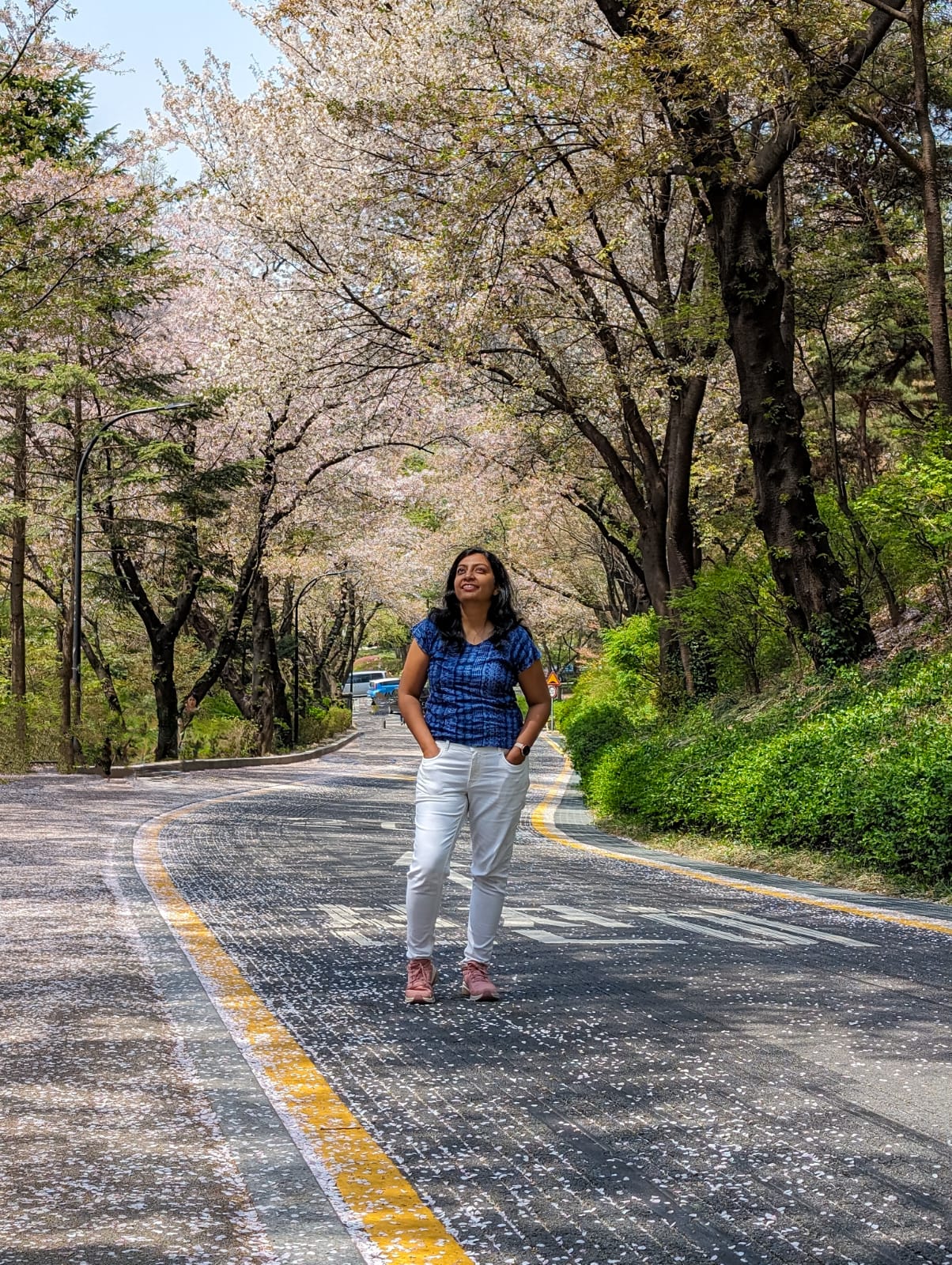
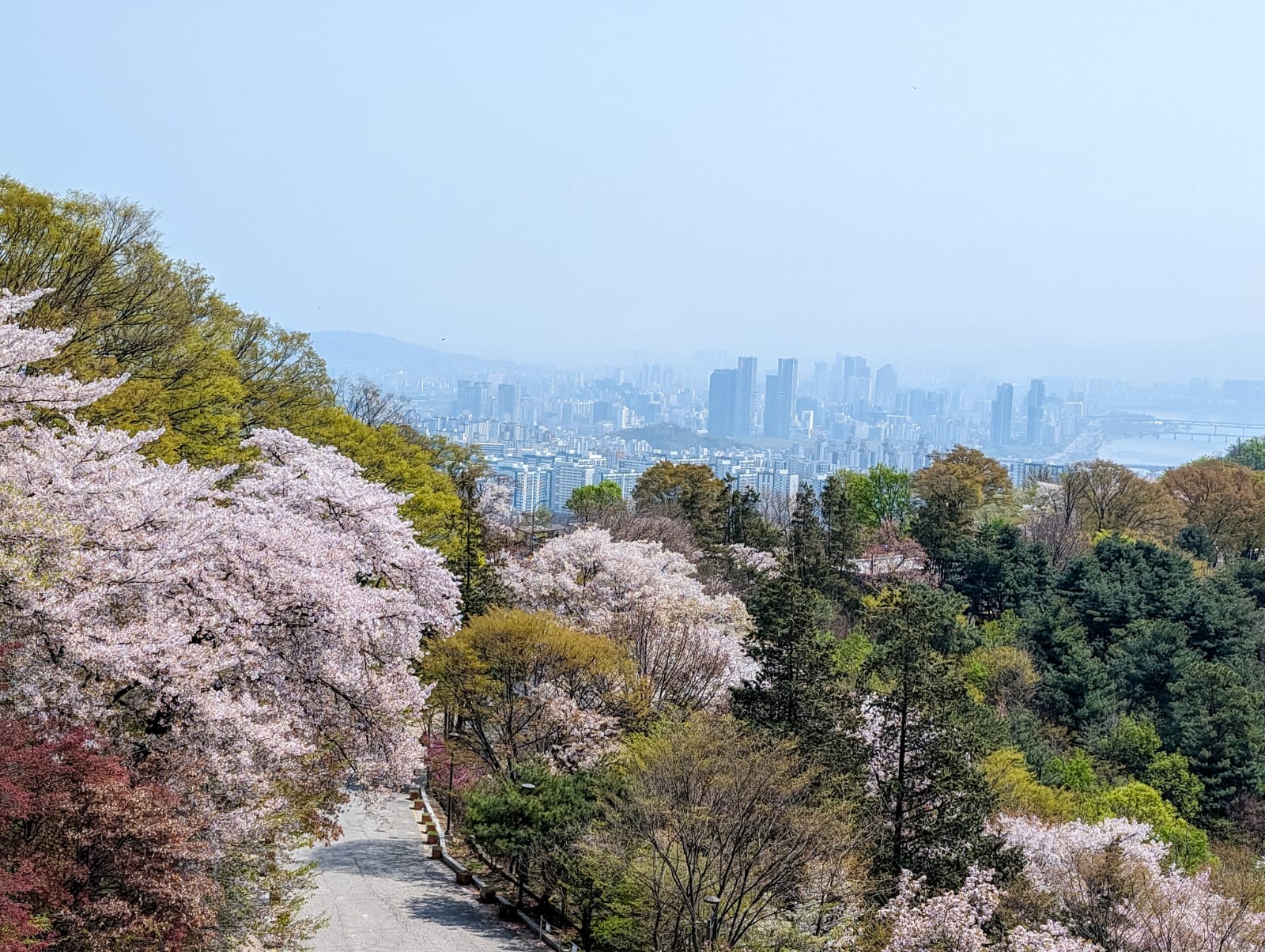
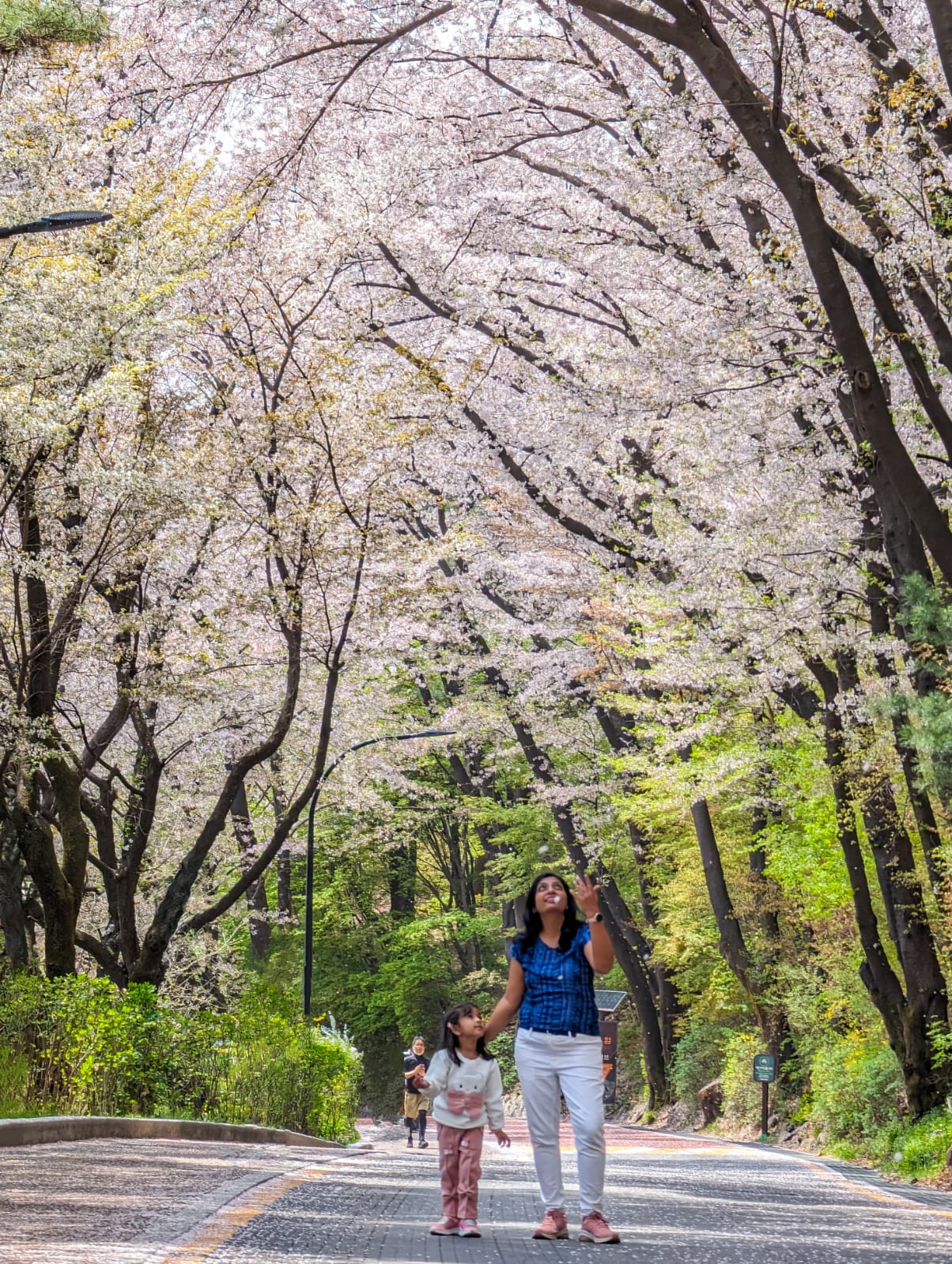
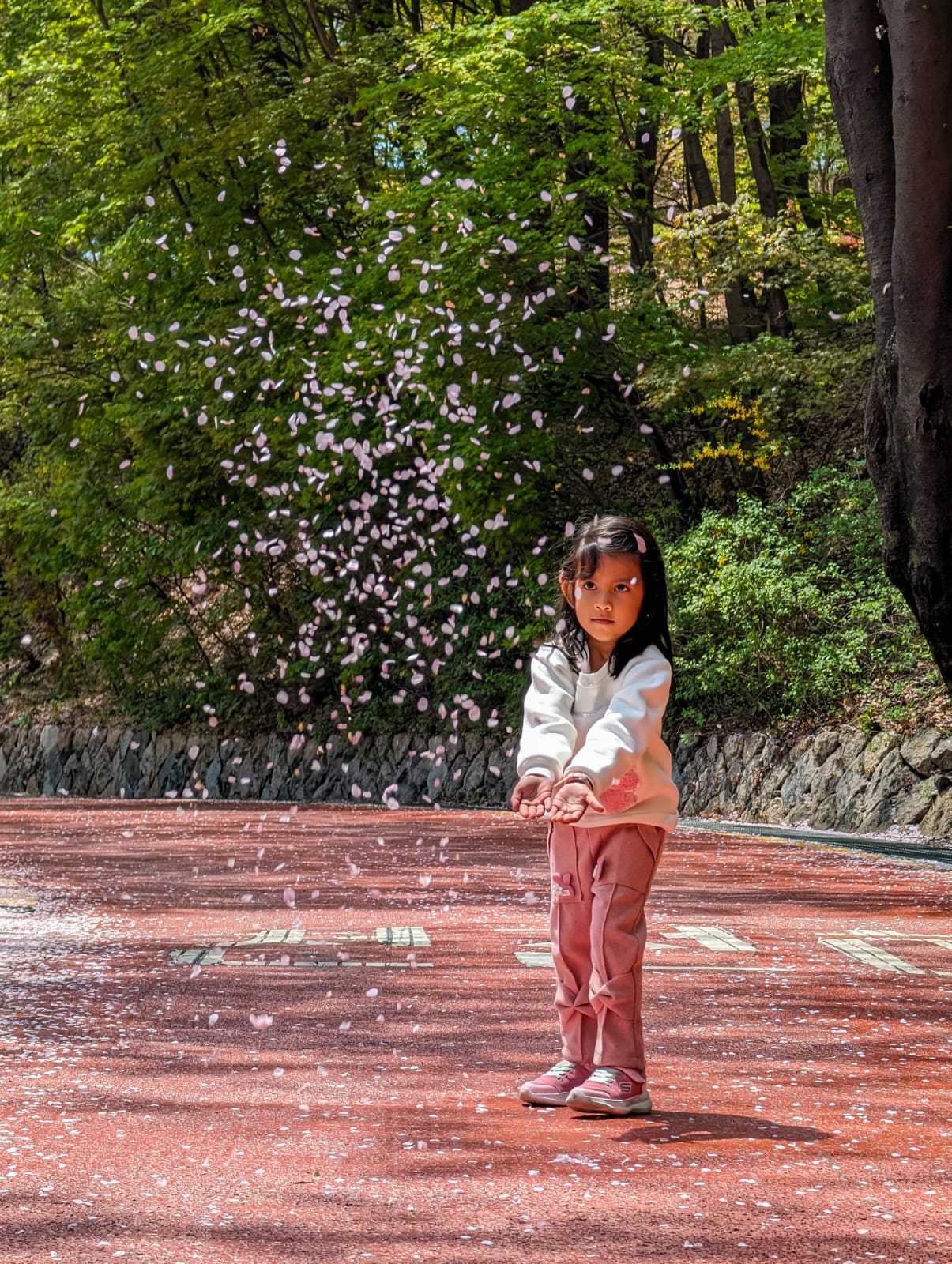
After exploring the tower, we decided to walk back to the base of the park which was a beautiful stretch of road with dedicated path for walkers. The whole path was filled with cherry trees in full bloom and flowers dropping off from the trees as they were coming close the end of the bloom. This I would say is one of the best places to view or experience cherry blossoms in whole of Seoul.
Afternoon: Visit Namdaemun market
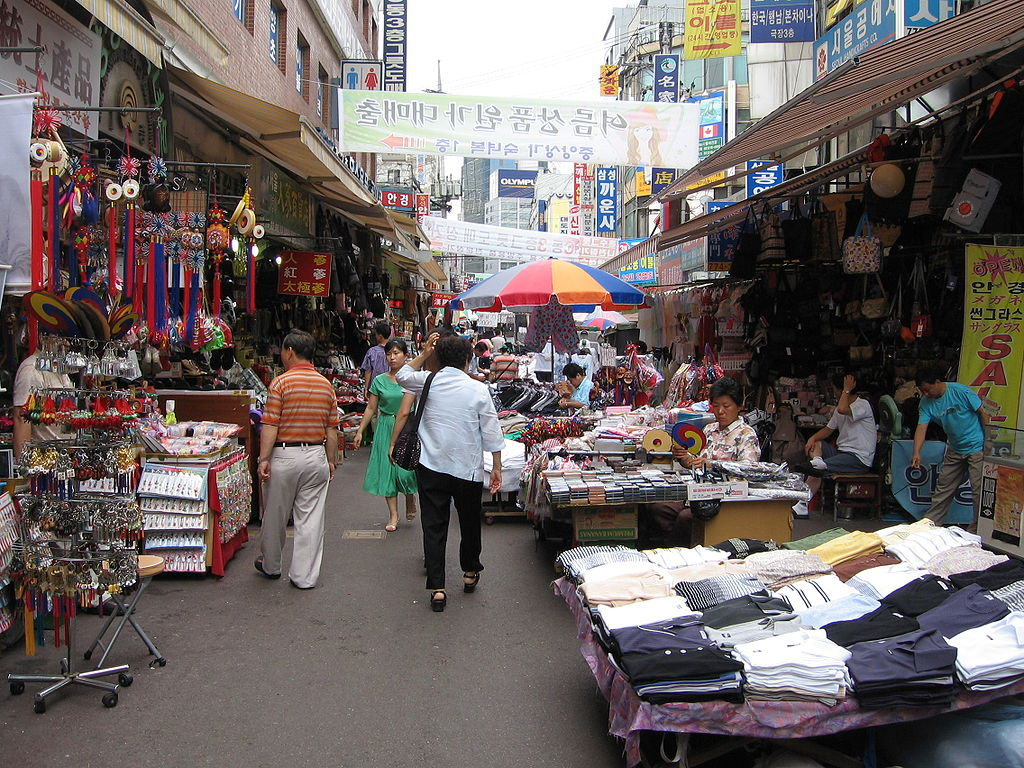
After lunch, we decided to explore the Namdaemun market. This is located close to Seoul Station and the whole place was huge with stores after stores selling goods to wholesalers and retail customers alike. We bought multiple things here from hair accessories to clothing. Interesting thing was even though they seemed like street markets, they all accepted credit cards which was great for us as we were coming close to the end of our stay in Seoul and didn’t want to deal with spare cash that gets left behind.
Additional Information
Currency
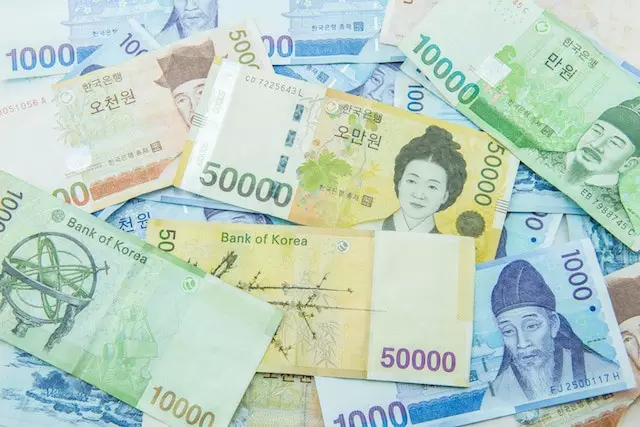
South Korean currency is called “Won” which is one of the weakest currencies in the world (1000 Won = 60 INR). But that doesn’t mean things are any cheaper there compared to India. We exchanged some USD to won at the airport, but generally we found the acceptance of credit cards to be very good overall through Seoul including for most of the shopping as well. Keep cash only for emergency and possibly to recharge your prepaid card (T-money card explained later in the article) or purchase direct tickets at the stations.
Sim card
Sim cards can be purchased at the airports from all the major telecom operators. We bought one with 10GB data limit for 20 USD. We figured out that we could have also bought a WIFI hotspot for the same price with unlimited data allowance. But then again, the return policy wasn’t as simple as those in Japan.
T-Money Card
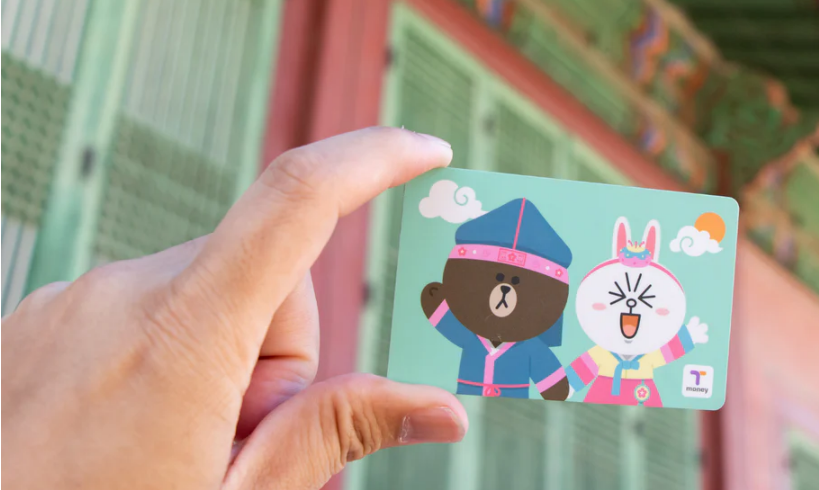
This is an integrated transportation card, one of the most versatile stored value electronic cards that can be used not only in public transportations, but also in convenience stores and vending machines throughout the country. If used for public transportation, it also gives a small discount like 10% on the listed price. There is an initial small fee to purchase the card itself and can be topped up at any train station including airport and also at convenience stores like 7-Eleven. These are also available in other names/brands such as WOWPASS and NAMANE, but they pretty much do the same job.
Navigation
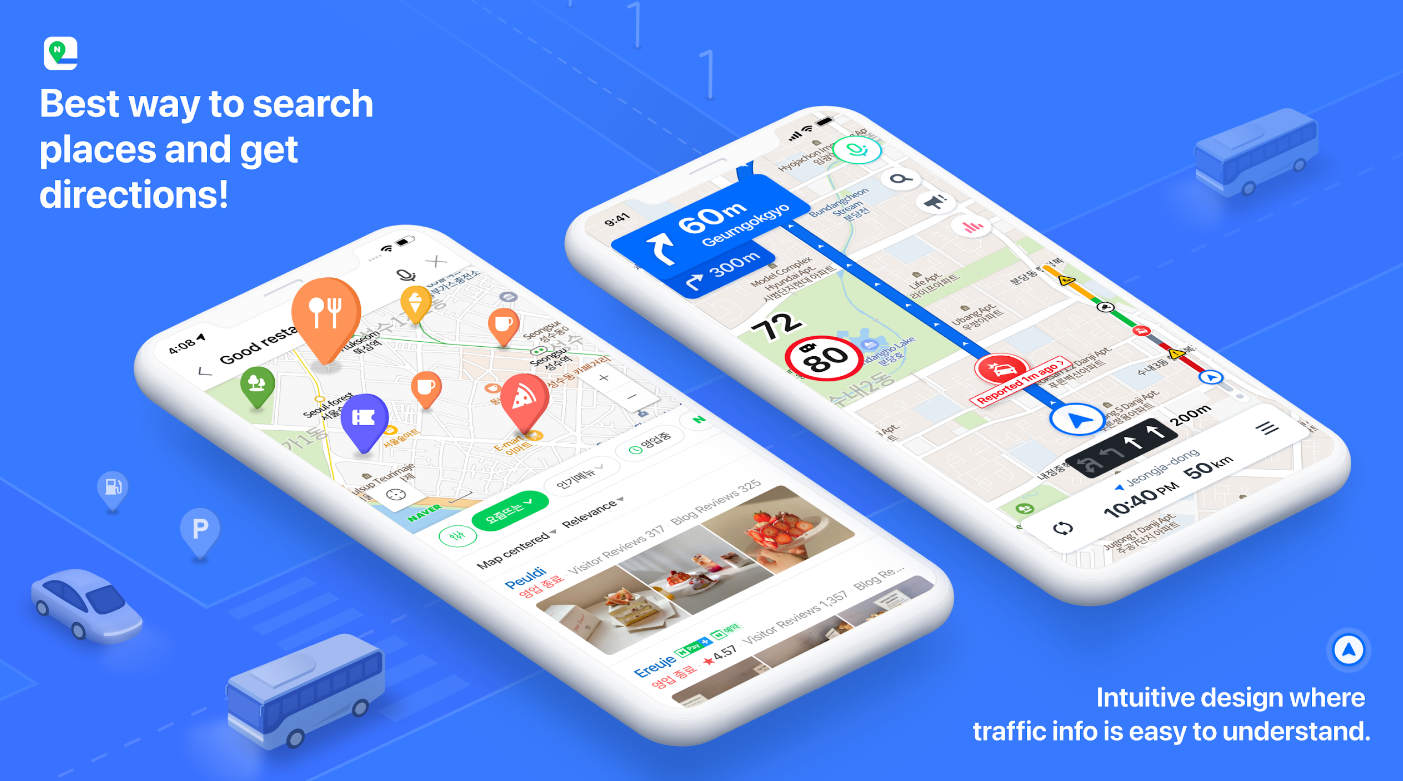
Google Maps won’t work as expected in South Korea. Even though it does have some or sufficient data on the places, restaurants, reviews etc., the navigation only shows the public transportation, not the walk/drive routes. If you want full navigation support, you should use the Naver maps app. The interface is a bit quirky, but that along with the google maps in its limited usage, should do the trick most times.
Subway System
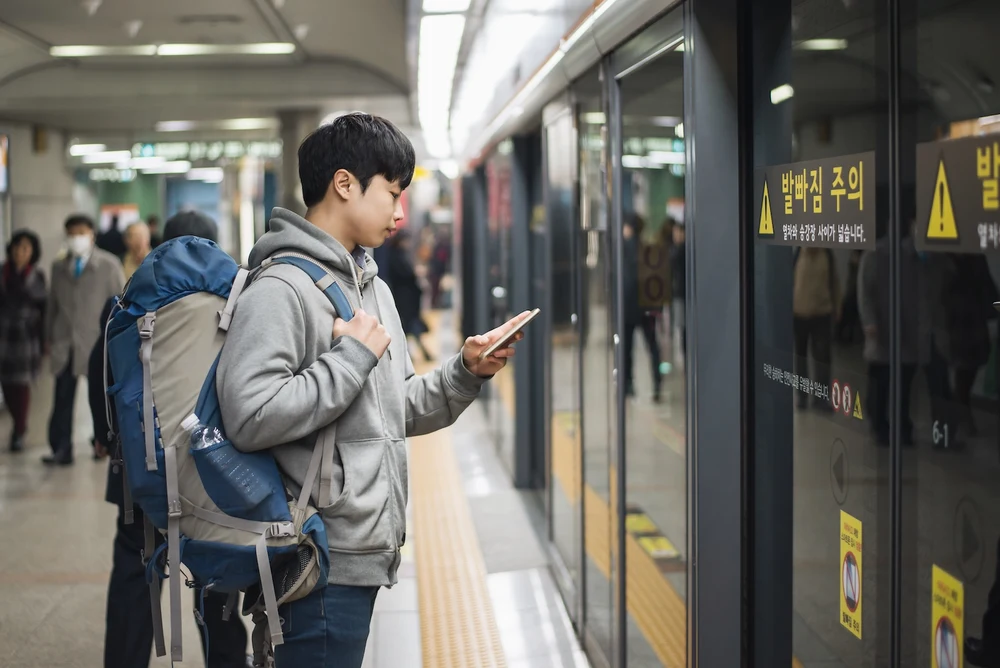
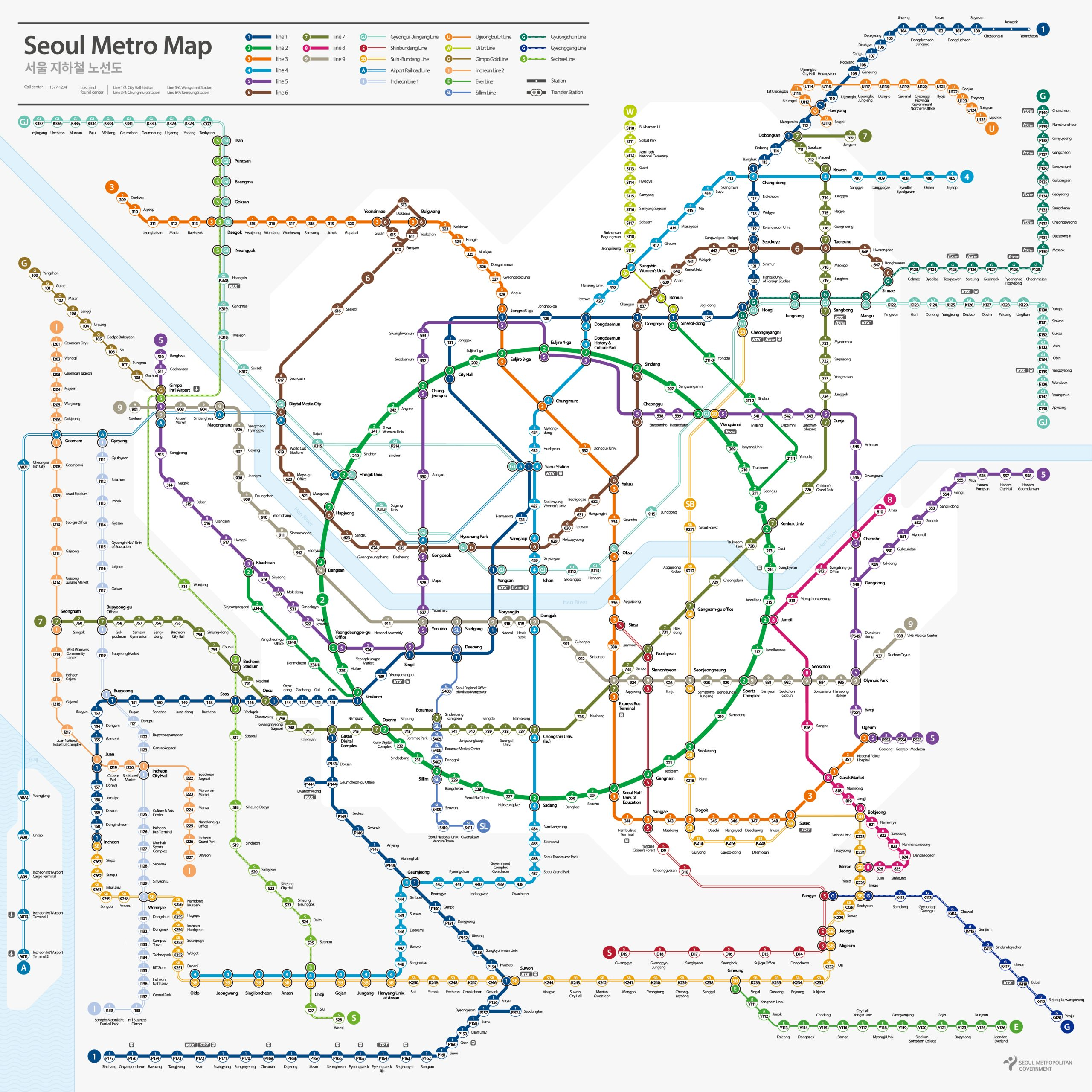
Seoul has a pretty good subway system working for it (20 lines, close to 300 stations). But its also one of the most complicated we have ever encountered. The onboard announcements and sign boards are not always in English, the approach from entrance to platform isn’t completely stroller friendly, there is also a lot of unnecessary walk for transiting between trains (not to mention tap out and tap in gates as well). It was a stark contrast in many aspects to what we found in Japan in many aspects such as noise levels/discipline of people within the trains, lifts tend to be super crowded and not meant only for the needy, cleanliness levels in the stations/trains etc.
But the good thing is the trains are not nearly as crowded as those in Japan. The pricing is also cheaper and much more simplified. Fare from one point to any other point within Seoul is 1500 Won if paid as a single ticket and discounted to 1400 if paid through a prepaid card (T-money). One can also transit through different modes of transport on a single fare/ticket such as come out of a train and hop on to a bus to reach your final destination. Just make sure to board a bus within a certain time limit to be eligible for free transfer.
A train can be boarded using a single usage ticket or a prepaid card. Single usage tickets can be purchased at machines at all train stations. There is a deposit fee of 500 Won for a ticket plus the cost of the ticket itself. You can get the deposit fee refunded when you deposit the ticket after your journey is completed at a machine named “Deposit Refund Device”. On the other hand, a prepaid card like T-Money card can be purchase and topped up (in multiples of 1000 won) at stations and reused multiple times.
Airport transfers
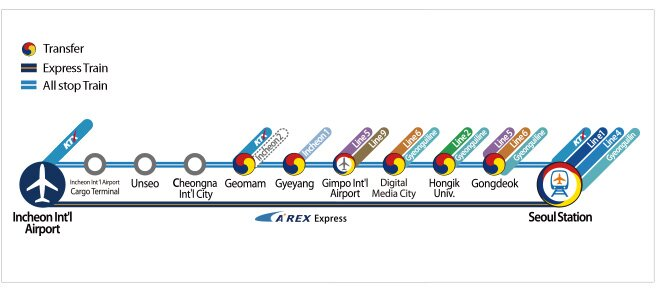
Incheon Airport (ICN) is Seoul’s primary airport (quite far from the city), while Gimpo (GMP) (near to the city) has flights to some of the neighboring countries. Both the airports are well connected by train to the city center by the airport railroad service called AREX. There are 2 types of trains that run under AREX – AREX “Non Stop” and AREX “all stop”. AREX “Non Stop” runs every half an hour or so between the city and the Incheon airport and doesn’t stop in-between. The journey takes roughly 45 mins and costs 8,000 Won (as of mid 2024) for an adult. Whereas the “All Stop” train runs every 10 mins, reaches the city in 56 mins and costs 4,250 Won between the same 2 stops.
If you are landing at GMP airport, the AREX “All Stop” line has a stop at GMP airport before reaching the city. The only thing to be careful of while planning to use the train service to and from the airports is the timings. The service only starts just after 5 am from the city center and ends around midnight from the airport. If you are landing at the airport at off hours or have an early morning flight from ICN requiring you to leave your stay very early in the morning, you will have to look at other options like airport Limo and Taxis.
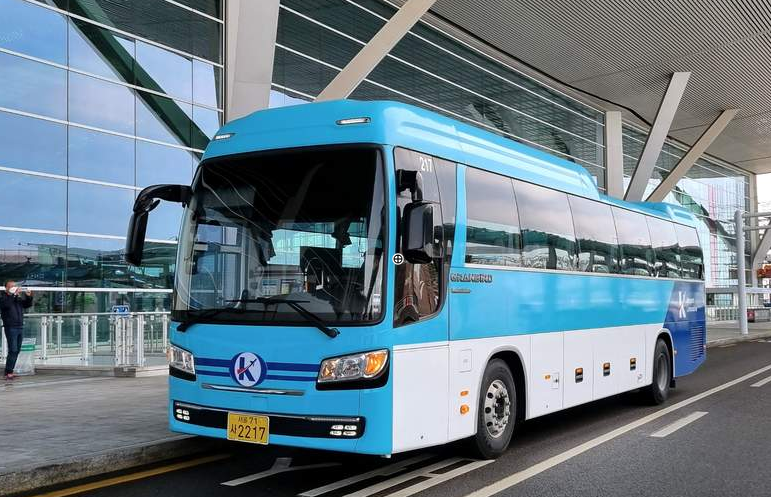
An alternative to airport train are the city’s Limousine airport buses. These run fairly frequently and also have special night services to Gangnam (N6000) and Seoul Station (N6001) areas. It takes roughly the same amount of time and costs 13k Won for an adult.

Taxis costs anywhere between 60k to 100k Won for transfer to ICN and depends of lot of factors including the time of departure, traffic etc. You need to pay 20% night surcharge between 24:00 and 04:00 and extra for Jumbo taxis.
Shopping

Seoul is great for shopping. It strikes the right balance between a developed and developing economy and hence you get great products for good prices. Here are a few places we visited or shopping items we recommend for your visit to Seoul –
- Daiso – Daiso is actually a retail store with origins in Japan. But unlike those in Japan, the stores in Seoul are super big and offer great varieties at great prices. Best part is their partnership with Disney which allows them to market and offer great products at very less prices.
Eg: We bought Disney character plush toys of size 1.5 ft or larger at 5000 won, Disney character sippers and food containers were available for 1000 to 3000 won, great bargain indeed! - Dongdaemun Shopping Complex – The largest single market in Asia, Dongdaemun Shopping Complex is made up of four buildings that house various shops offering fashion products as well as fabrics and materials at incredible prices.
- Myeongdong Shopping Street – This busy shopping district is famous for its beauty and skincare products, along with many popular Korean and international fashion brands. The street is lined with food vendors selling Korean street food and there are a number of popular Korean restaurants in the area.
- Namdaemun Market – This is the city’s largest market. Almost everything is available for sale including clothing, souvenirs, purses, and food supplies. Many stores exclusively sell to other businesses only and not to end users. But you still can find a lot of shops serving to end customers.
- Lotto stores in Seoul Stations – There are many Lotto stores around Seoul selling verities of goods from departmental stores to fashion. The ones in Seoul Station are accessible and offer good variety.
What we bought from Seoul –
- Disney merchandise for cheap prices from Daiso stores.
- Hair clips and fashion accessories from various stores in Namdaemun, Myeongdong, Dongdaemun, Daiso
- Beauty/Skin care products such as lipsticks, face masks, face creams, cleansing lotions etc., from stores like Innisfree, Nature Republic, Olive Young etc.
- Toy character merchandize like Pokémon keychains, plush, bags etc.
- Clothing from Namdaemun Market – Jackets, shrugs etc.
Chasing Cherry Blossoms in Seoul
Compared to its neighbor Japan, Seoul doesn’t have much presence of the beautiful cherry trees. But it still significant enough that you can find them in bunch forming a good photo opportunity, with much lesser crowd compared to Japan. Here are some of the famous spots we visited or had in our plan, as we were visiting during the cherry blossoms season in Seoul.
1. Yeouido Park – Top on the list is Yeouido Park where a breathtaking display of cherry blossoms comes alive during its full bloom

2. Seoul Forest – Seoul Forest as mentioned above in the post is another great location to experience cherry blossoms. There is a walk bridge with spectacular views of cherry trees in full bloom on either sides making it one of the top places for cherry blossoms hunting in the city.
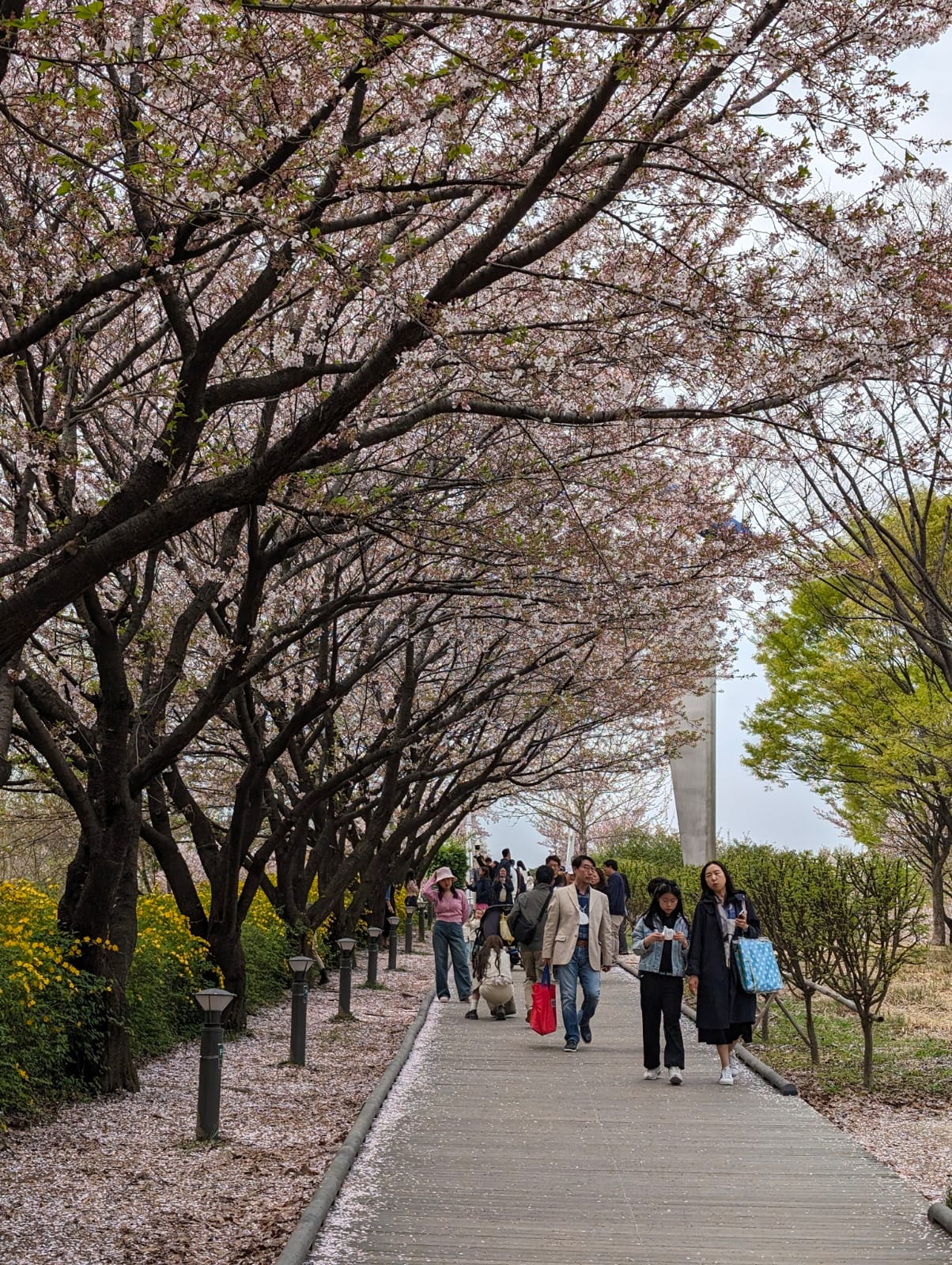
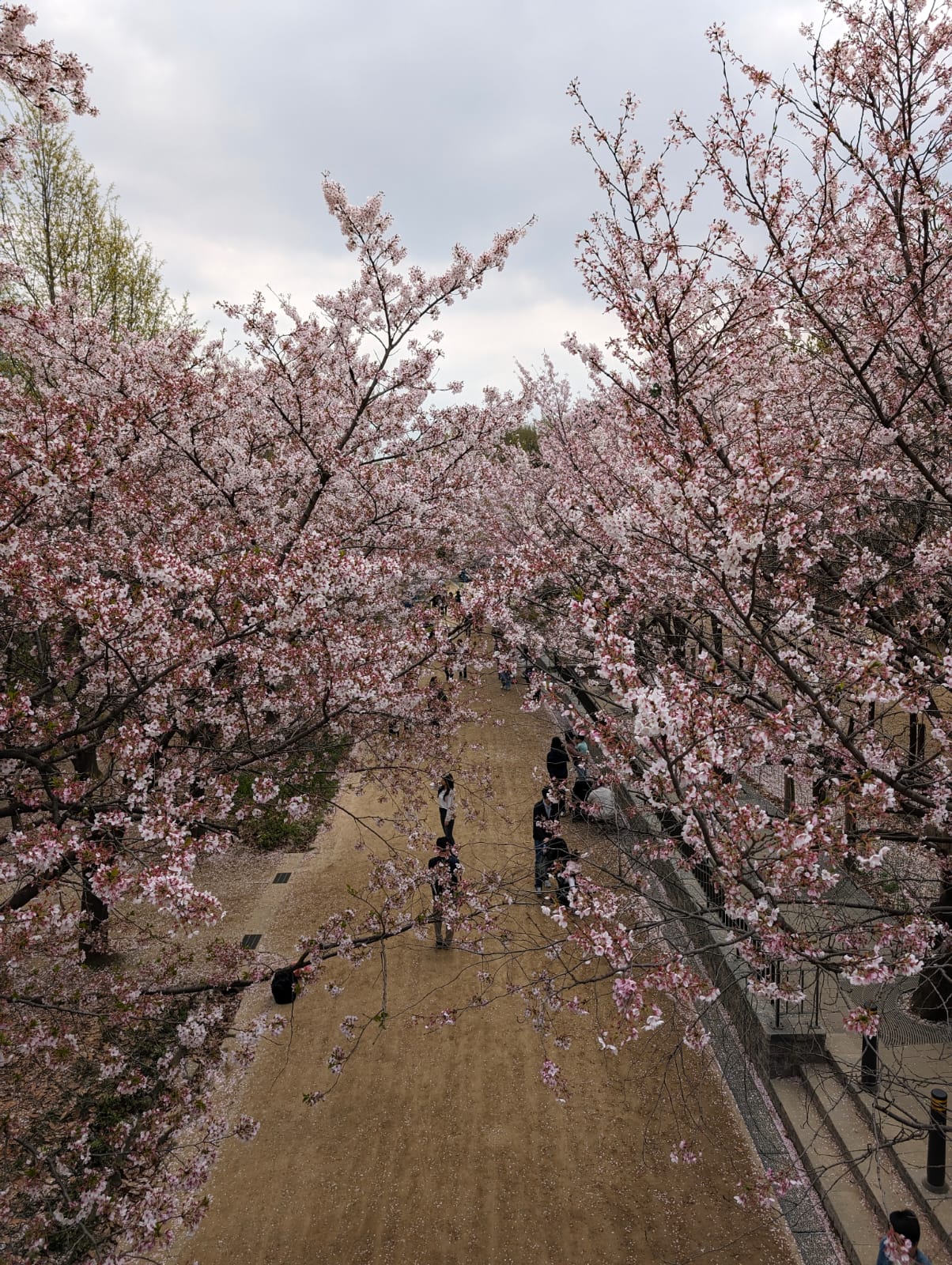
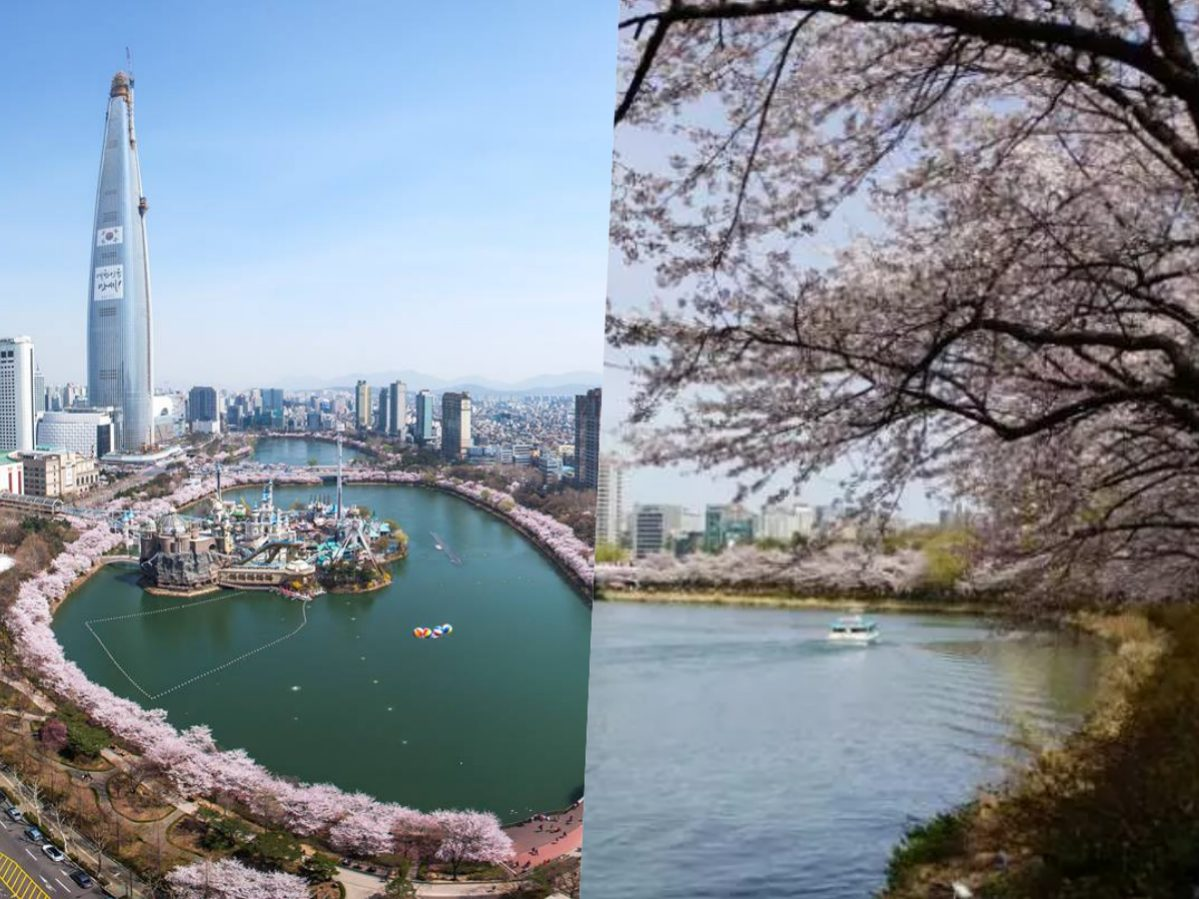
3. Seokchon Lake – This is a bit far from the central Seoul but close to Lotte Amusement park. It’s actually composed of two lakes, surrounded by cherry trees that adorn the whole spot.
4. Gyeongbokgung Palace – The palace is a great icon of Seoul and one of the top places to visit in the city. The Palace is dotted with many cherry trees which make it ideal for taking shots of the pink flowers with palace in the background.
5. Namsan Park – It’s a landmark attraction that gives you splendid views and exciting activities such as the cable car ride going to the N Seoul Tower. The path leading to the tower is very scenic and full of cherry trees and so we walked down from the top for a couple of kms to get the best shots of cherry blossoms in the whole of Seoul.
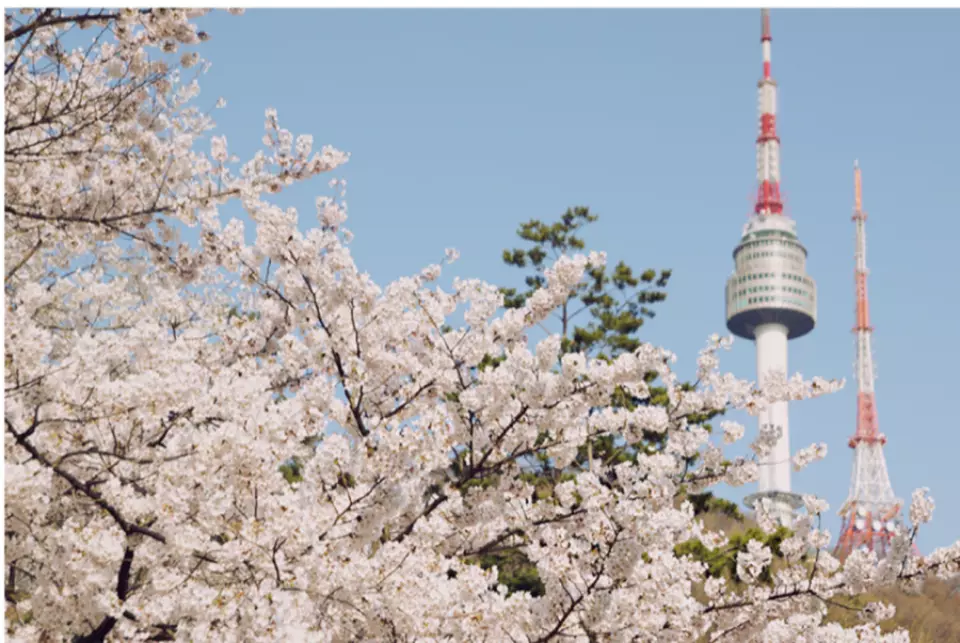
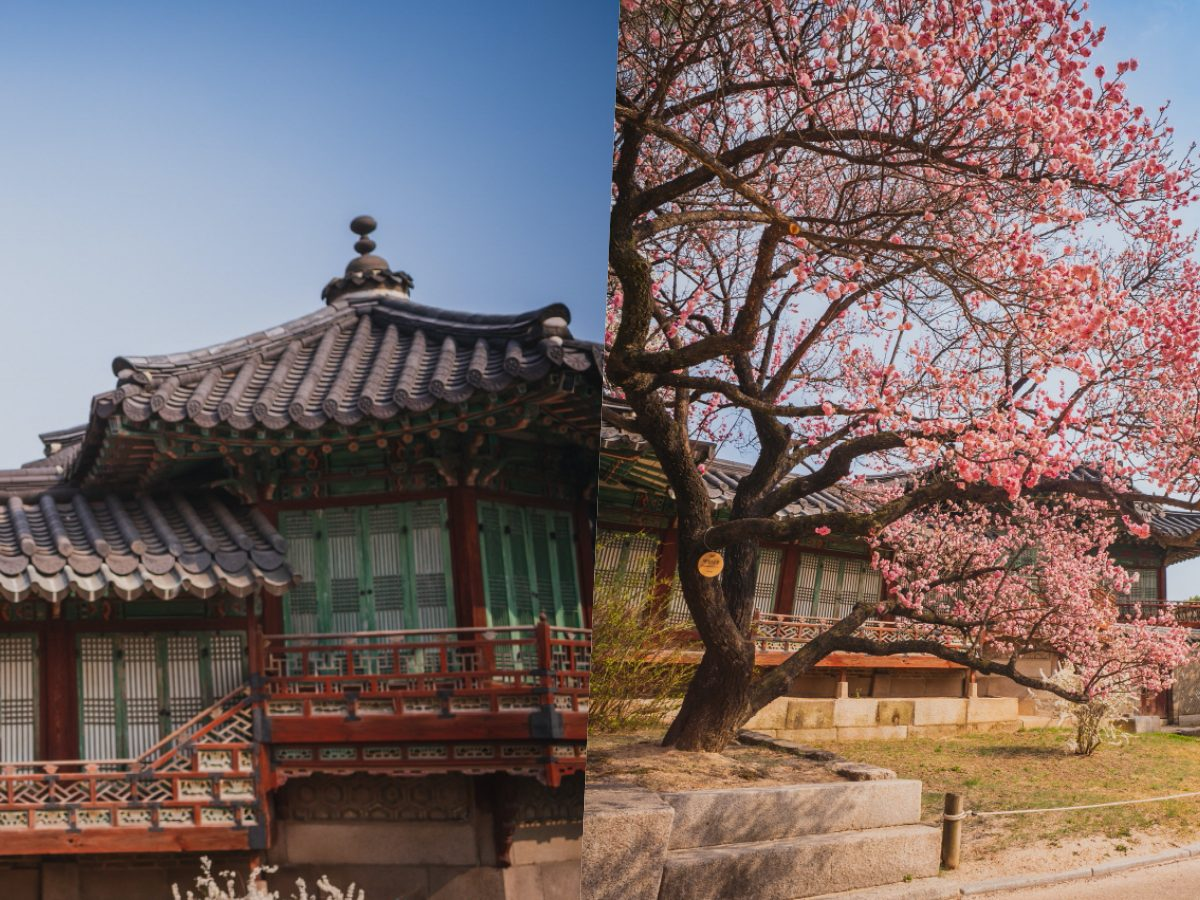
6. Changdeokgung Palace’s Secret Garden – This UNESCO World Heritage Site is a tranquil destination that you’ll love if you prefer quiet and scenic places. It’s an all-year-round destination, and it presents an awe-inspiring cherry blossom spectacle come spring season.
If you have additional time in Seoul –
Considering visiting these places if you have additional time in Seoul –
- DMZ Tour – A mere 35 miles north of Seoul, the Demilitarized Zone (DMZ) is a 148-mile-long, 2-mile-wide swath of land marking the division between North and South Korea. It is a very popular day tour to do from Seoul where one could step into North Korea for a brief period before coming back to the South. But due to recent events, the North side is completely sealed off and the current DMZ tour does not allow anyone to step foot inside the North Korean zone. Take this tour if you still want to understand and experience the history between the 2 sides of Korea.
- Lotte World – It may not be as magical as Disney World, but Lotte World is home to the largest indoor theme park in the world. One can easily spend the entire day here, but be ready to pay as this theme park they say is much pricier than the Disney ones.
Final Thoughts
Coming right after those wonderful 12 days in Japan, we didn’t go into South Korea/Seoul with much expectations. It was always meant to be a low key destination which we would consider as a checklist item. But what we saw and experienced pleasantly surprised us. There wasn’t much to do to be honest, but that meant it made for relaxing days after those hectic days in Japan. We had time to eat well and eat proper food at restaurants without worrying about queuing up. Shopping was great and we found wonderful variety of stuff to bring back home. The cherry blossoms though limited, were great for sightseeing and for pics, without much people or crowd to deal with. Our daughter also enjoyed a lot since she was able to sleep for longer in the morning and got a bucket load of goodies/toys to bring back home. Overall, it turned out to be a great 4 or 5 days in a new country.
 Unending Vacations
