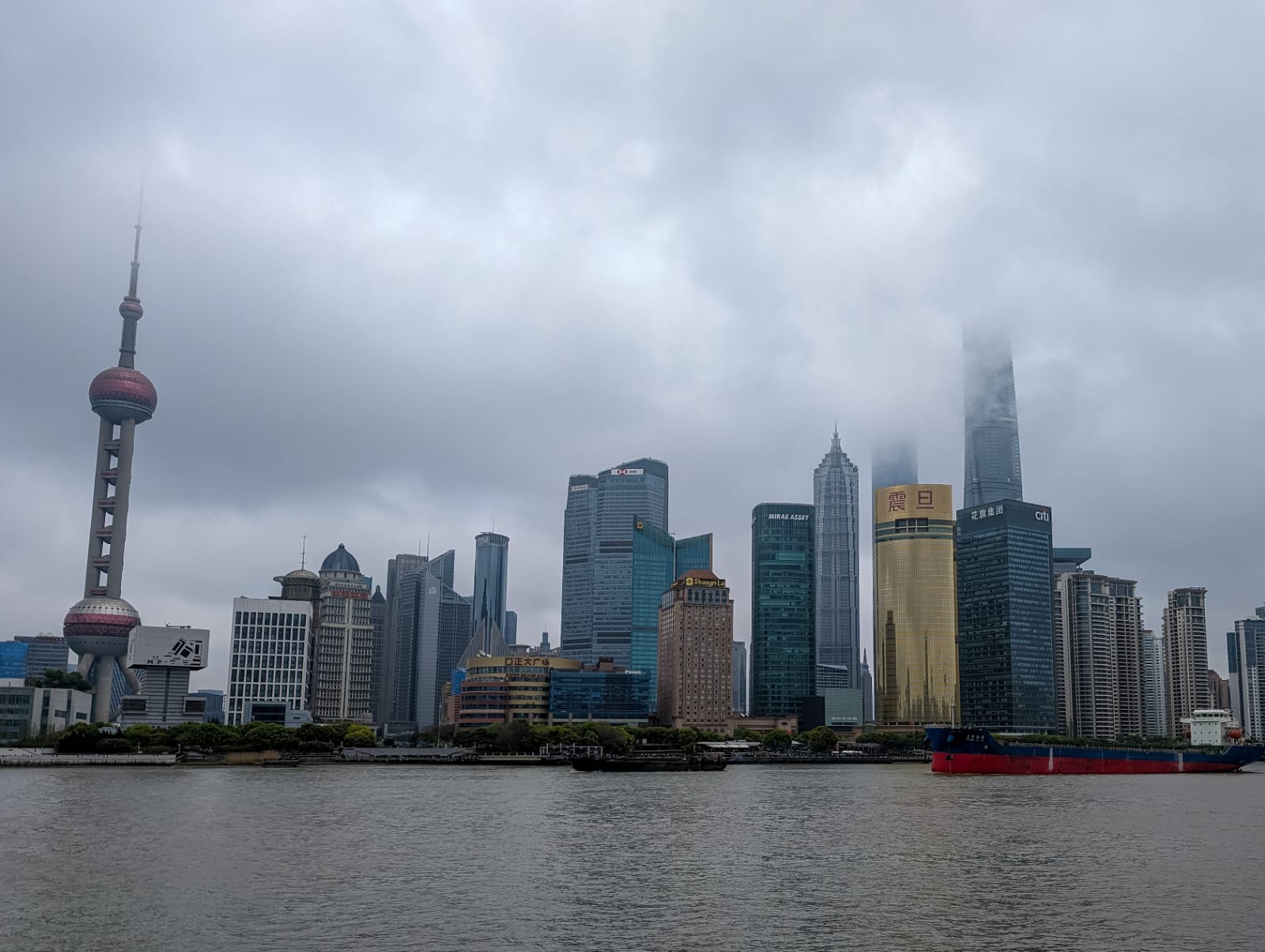
During the spring of 2024, we undertook a 2 week trip to Japan and South Korea. On our way back to Bangalore, we had a flight transiting through Shanghai’s PVG airport with a short layover of 9 hours in Shanghai. We thought we could use this to enter the city and explore the highlights of the city. Normally Indians need a visa to visit China. But they offer a free 24 hour visa free transit policy for 160 countries including India. For certain countries like USA, its even longer, like 72 or 144 hours.
Our first surprise came at the Seoul airport when we were checking in at the airline counter. Bags got tagged only till PVG, boarding passes also were issued only till PVG. When asked, they said its the policy in PVG and one has to clear immigration and collect bags again before transferring further. It took us by surprise and we later found many horror stories online of people missing their connections due to this weird policy. For us, we weren’t really in trouble since we had a much longer layover. All it meant was it would shorten our visit to Shanghai city.
24-Hour Visa-Free Transit Explained
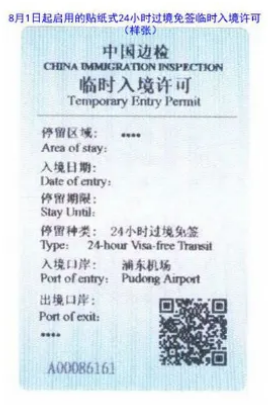
The 24-hour visa-free transit in China means that passengers of international flights, ships, or trains who directly transit through mainland China and stay for no more than 24 hours do not need a visa. Most nationals are eligible for the 24-hour transit visa exemption, but there are some exceptions at certain airports for some countries: Afghanistan, Azerbaijan, Iran, Iraq, Kazakhstan, Kyrgyzstan, Malaysia, Oman, Pakistan, Saudi Arabia, Sri Lanka, Syria, Thailand, Turkey, Turkmenistan, and Yemen citizens transiting through Xiamen need to apply for a visa beforehand. The 24-hour visa-free transit in China is available in almost all ports of entry.
The conditions of a 24-hour transit visa exemption you must meet are:
- You must have a valid passport for at least three months from the date of entry.
- You are limited to staying only in the transit area.
- You can travel by plane, ship, or train.
- You must purchase onward tickets to a third country or region.
- Your transit time must not exceed 24 hours.
- You must transit to a third country or region.
- You can make several stops on the Chinese mainland.
You need to prepare the following documents in order to apply for a 24-hour visa-free transit:
- A valid passport or travel document. Your passport must be valid for at least 3 months from the date of entry.
- A filled-out arrival and departure card. The card must contain your name, date of birth, gender, nationality, passport number, visa number, issuance place, flight number, and purpose of travel).
- An onward ticket. The flight date and seat for the third country must be confirmed on the ticket.
- A visa for a third country or region (if applicable).
The application process for 24-hour visa-free transit in China is as follows:
- Inform your airline at check-in that you want a 24-hour transit visa exemption.
- Complete the arrival and departure card at the border inspection center.
- Locate the 24-hour transit visa exemption and get the temporary stamp or sticker on your passport.
- Claim your luggage and go through customs as usual.
Make sure to not go to the Visa on Arrival line as this is a Visa free transit you are undertaking and it will only add to the immigration time. The immigration itself was a slow going at the PVG airport. People were asked multiple questions by all the immigration officers and it took us more than an hour to get to the immigration officer. On reaching the counter, we were told we had filled the wrong card and we had to refill the correct card containing arrival and departure card together. It added to our immigration time. We were then asked to wait for a bit longer and our passports were finally stamped with the 24 hour visa free entry stamp. It took us close to 2 hours to clear the whole process. Our bags were waiting at the carousel to be picked up already.
Another surprise we had to deal with was that there aren’t any airline counters or folks waiting near the baggage carousel. We had to collect and re-check the bags in for our next flight. It meant we couldn’t check the bags in immediately as the airline counters only open for check-in 3 hours before departure. We made our way to the bag deposit counter which are located at Service Counter A and M in the departure hall and near international arrivals exit (Terminal 2). For a large bag and 2 smaller ones, it cost us 80 Yuan. We had to pay in cash for that for 6 hours, no credit card accepted. As per our calculations, we had about 5 hours to explore the Shanghai city by then. We made plans to expedite whatever we had on the itinerary.
Our time in Shanghai

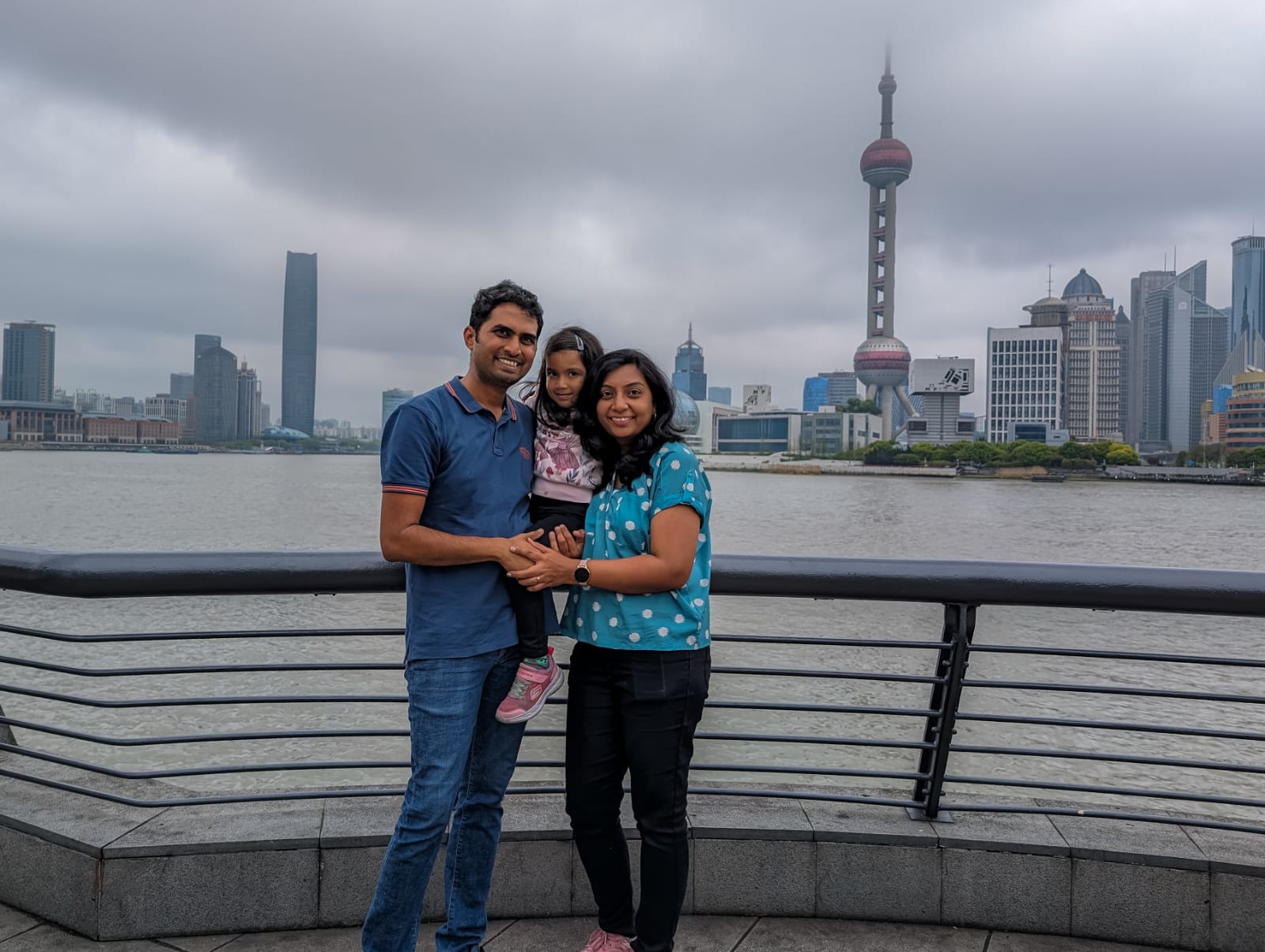
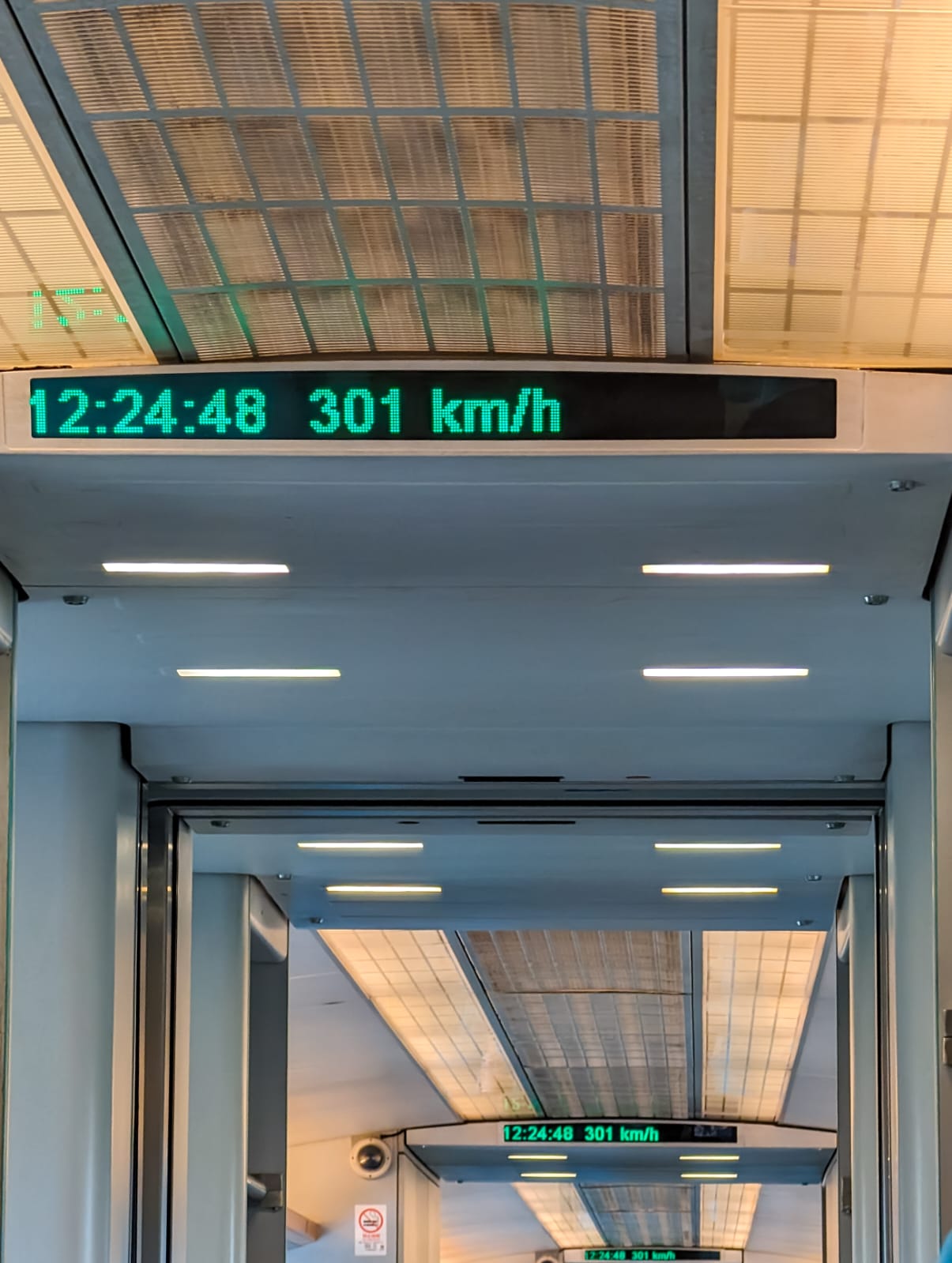

Our first stop on the day was The Bund. We took the Maglev from the airport which runs a direct line from the airport to Longyang road. We took the return tickets which cost us 80 Yuan per adult. From there, we could have taken the metro line to the Nanjing East Road. But we decided to take the Taxi as we felt that would be the fastest from there to the Bund. It cost us around 65 Yuan for a 25 mins ride. We quickly explored the Bund area which was a beautiful boulevard with amazing views of the Shanghai skyline. We were very hungry by then and made our way to the nearest Veg restaurant we could trust. It turned out to be an Italian restaurant attached to a Westin Hotel chain near Nanjing Road.
After a quick meal, we walked to the Nanjing Road and the full stretch of the pedestrian street till the People’s square station. The outlets were quite posh and expensive indeed. We couldn’t find many souvenir shops around that area, finally found a couple of smaller stores on the corner street after a bit of search. We bought some from here and rest of the souvenirs from the airport itself. It was almost time to head back and we took the metro from the People’s square station to Longyang station and then transferred to the Maglev to reach the airport on the final stretch.
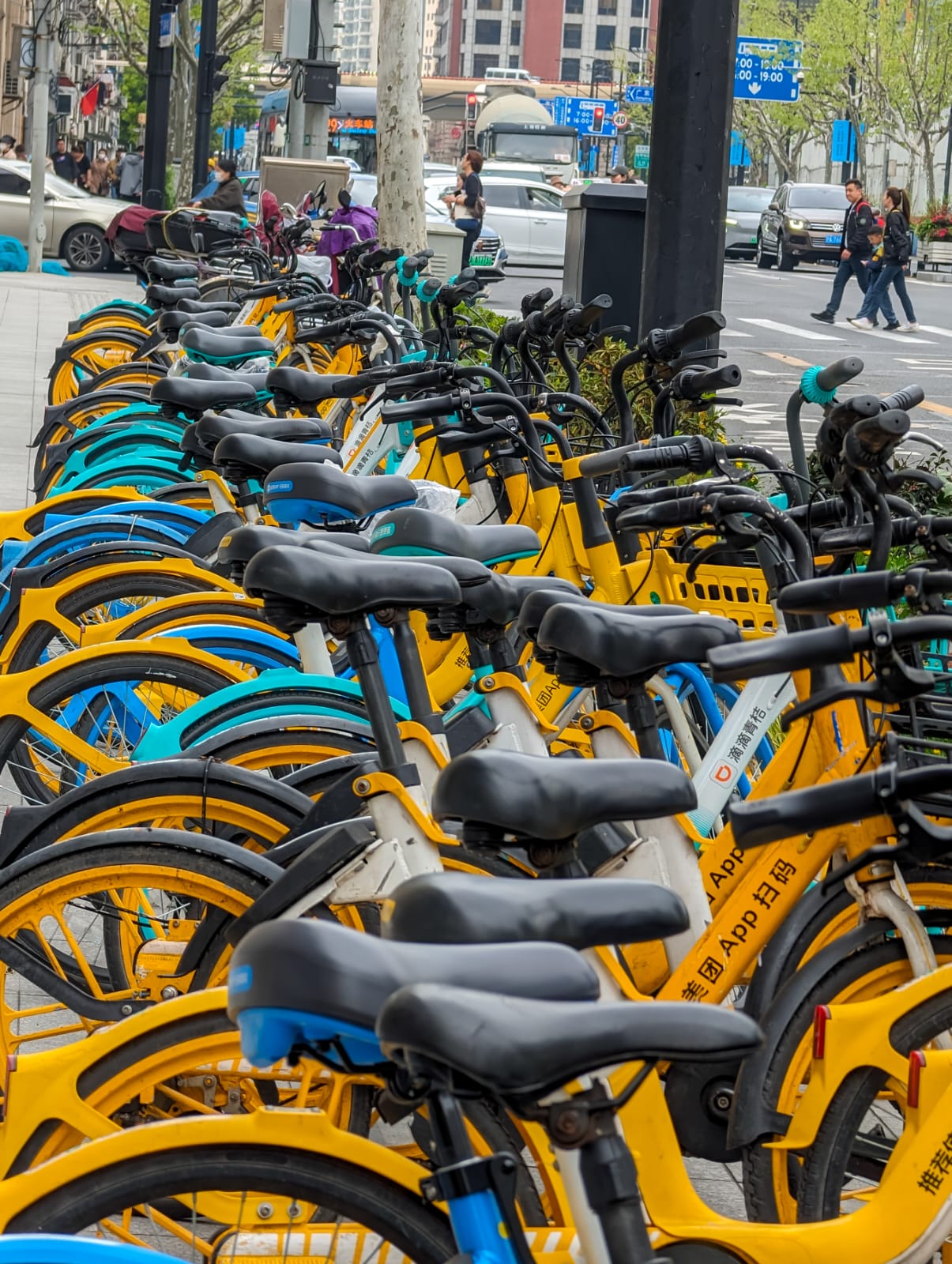
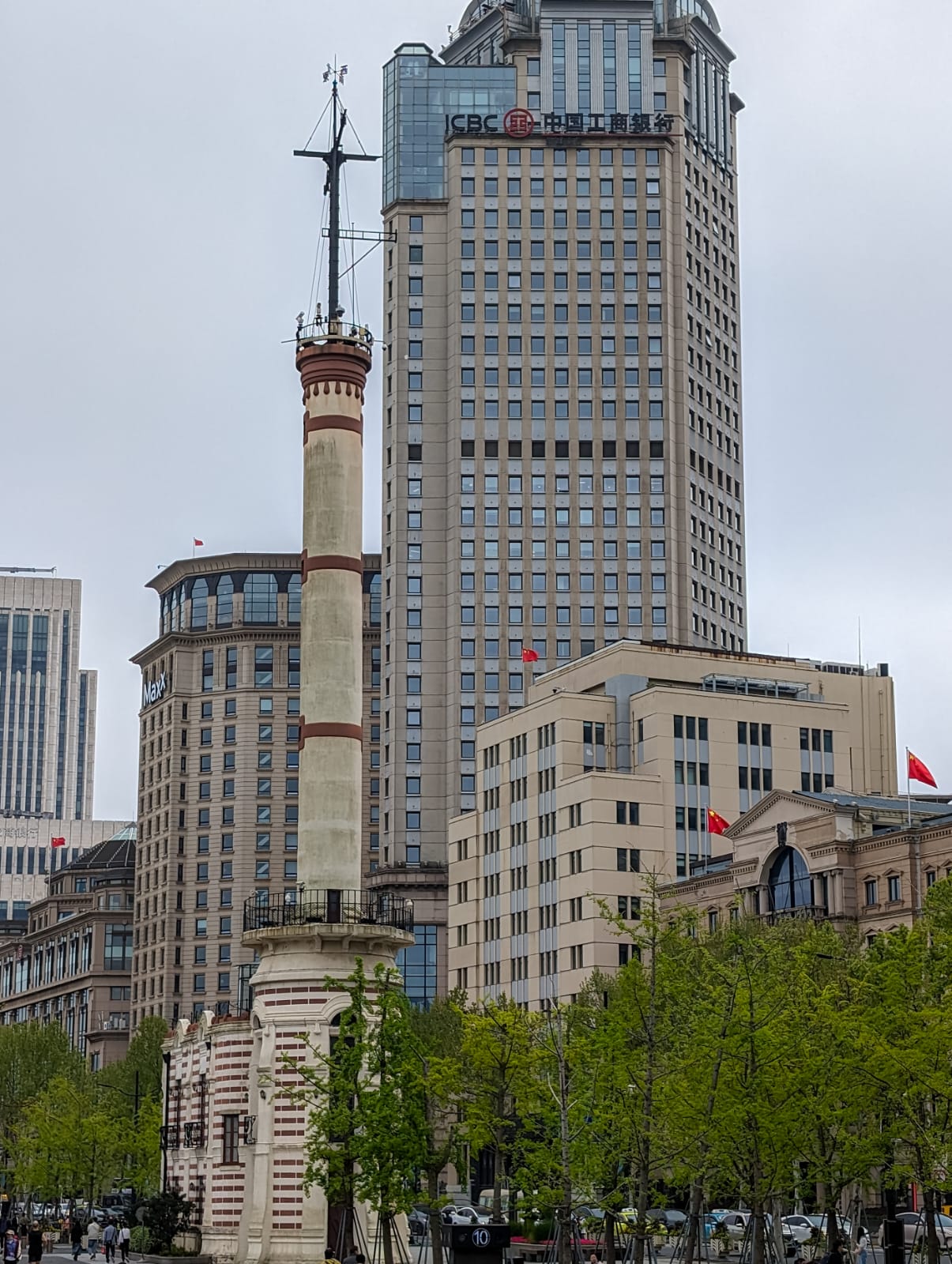


A note on the sim card and VPN – we were a bit stressed out before going to Shanghai about the dreaded Chinese firewall and were prepared with some paid VPN apps. Turned out, the multi country Esim I had bought from Nomad (Covering Japan, South Korea and China) worked like a charm. I didn’t need to use any VPN, all google services and WhatsApp worked just fine. Navigating through the streets of Shanghai and in metros was a breeze. Overall it turned out to be a very interesting experience. We will have to come back for longer stay at Shanghai and also explore other parts of China to really be able to judge the city or the country.
 Unending Vacations