
Austria is a popular tourist destination in the Central Europe that is blessed with some amazing landscapes. When someone hears Austria, first thing that comes to mind would be “Vienna”, its beautiful capital city. But on this travel, we were exploring the Bavarian region of Germany with the alpine areas of Austria and so, we skipped Vienna for this time. Our whole travel to Europe was around 10 days (October 2023) featuring half of the time spent in Germany, the other half in Austria and a day visit to Lichtenstein. Read all about our adventures in German Bavarian region here. All the pre travel planning can be found in that other post covering things like visa, forex, sim cards etc. This post is going to focus on the 4 days we spent exploring the Austrian Alps, its beautiful cities and towns and the journeys we undertook to absorb as much as we can of the Austrian Alps.
Coming from Germany, as we embarked on the next leg of our journey, we transitioned from the storybook villages of Bavaria to the majestic mountains of Austria. Crossing the border into Austria marked the beginning of an exhilarating new chapter in our journey. Our route took us along the winding roads that snaked through the mountains. Here, the landscape unfolded in all its majestic glory offering epic views that were unparalleled in their beauty. We spent 4 days exploring different parts in Austria and you can find the details below.
Itinerary
Day 1: Visit Salzburg
Salzburg is a city in Austria famous for being the birthplace of Mozart, one of the greatest composers of all time and the setting for the iconic musical and movie – “The Sound of Music”. Between the beautiful mountains and unique architecture, there is charm, history and beauty to be found in every corner. The narrow lanes and broad squares of this city have taken their deserved place on the UNESCO World Heritage List. They say 1 day is not enough to experience what the city has to offer, but we tried to do the best we could.

Salzburg is well connected to cities like Munich through bus or train. We came by car and found this beautiful parking garage very close to the old town called “CONTIPARK Tiefgarage Altstadtgarage A”. Its actually inside a mountain and was previously a bomb shelter. The garage has clean toilets and multiple exits and lifts. Taking the east exit will take you right into the old town. It is a bit pricey though with around 5 to 6 Euros per hour, but the trick to get it cheap is to get the parking ticket punched at one of the many shops in the old town when you make purchases. This brings down the cost to around 6 to 10 Euros for the whole day. A steal deal for parking at such a lovely place!

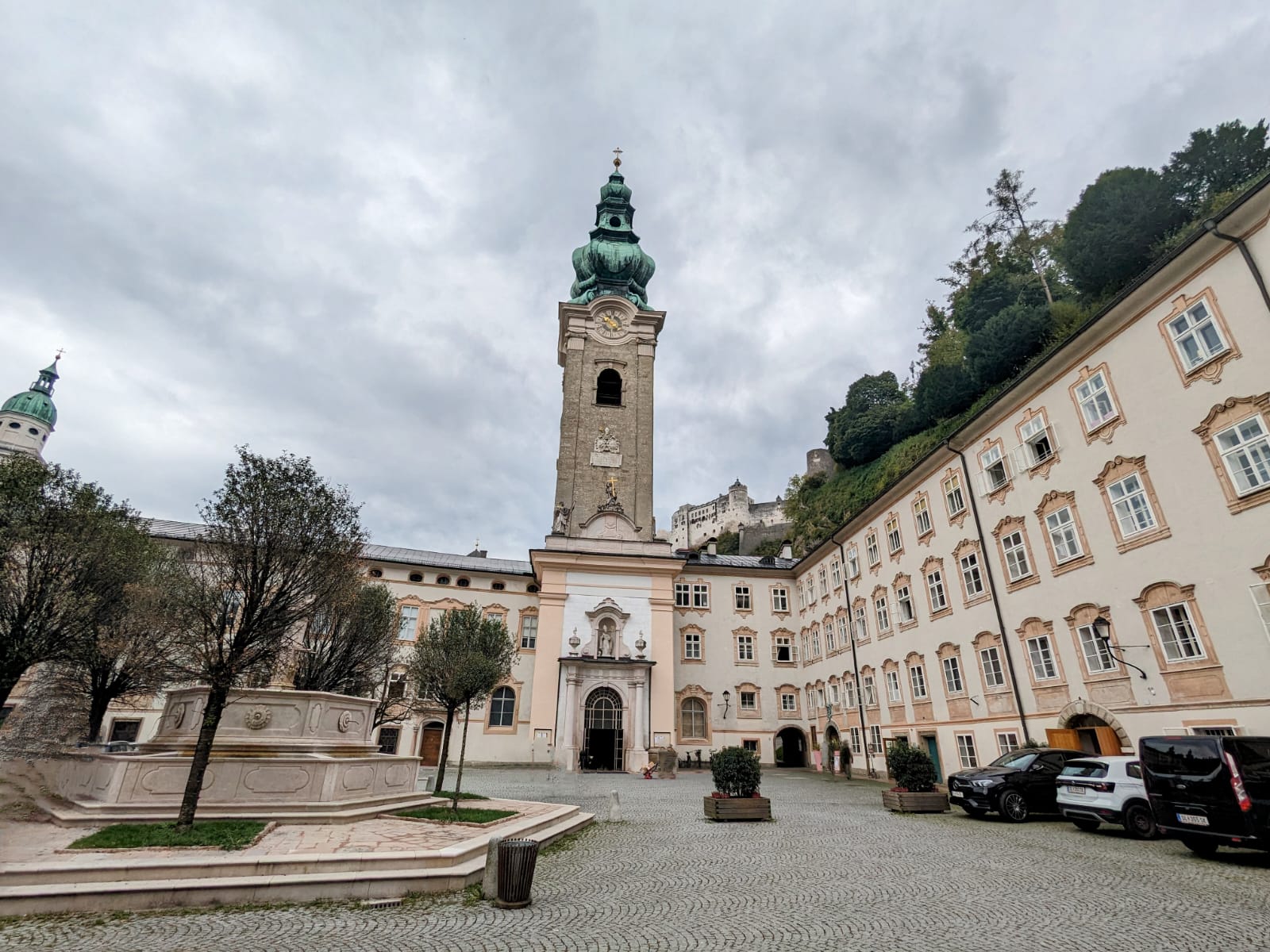
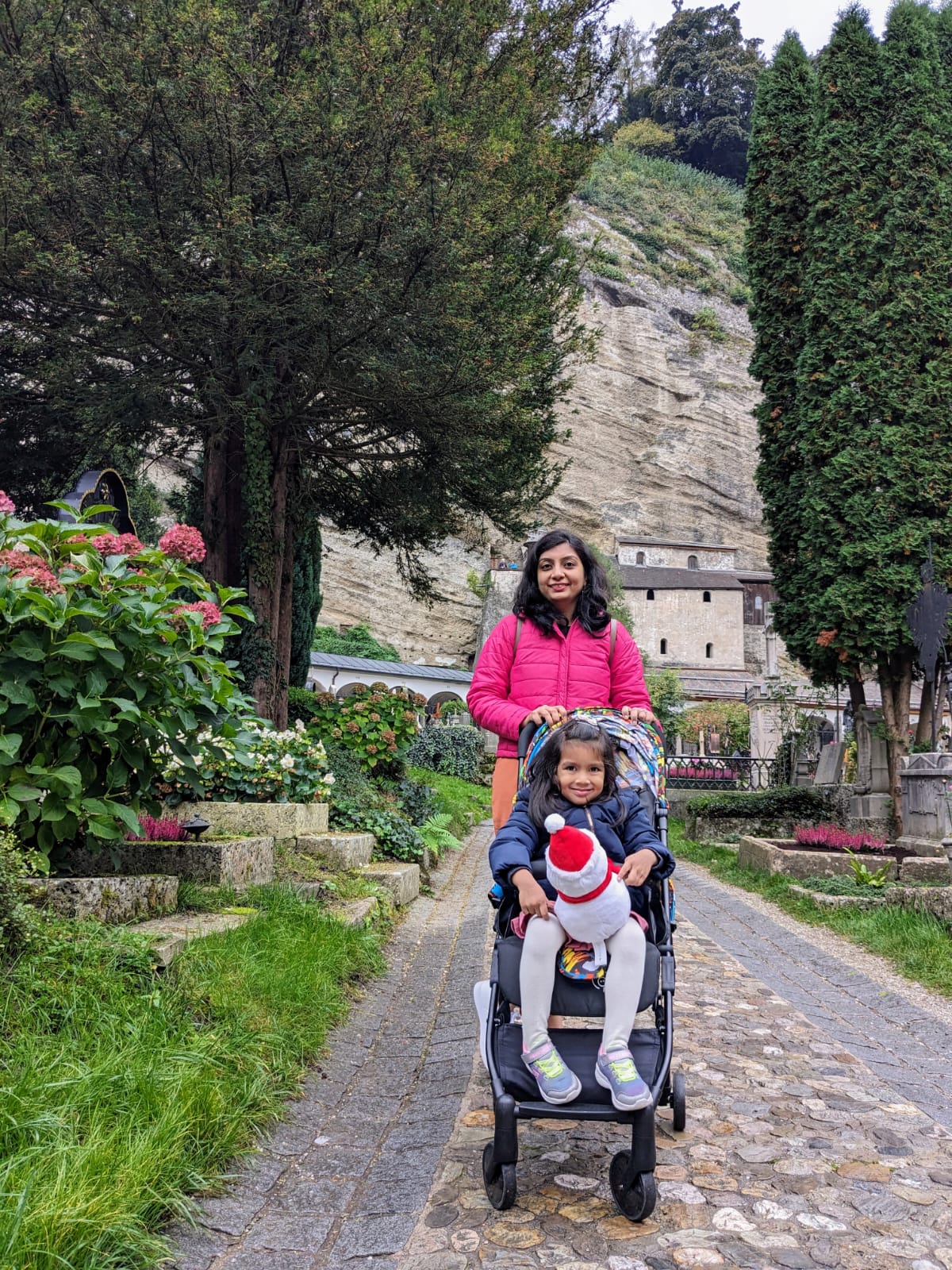
Our first stop was the Salzburg Cathedral as it was the first place we encountered after we exited the parking garage. One of the most distinctive landmarks of the city’s skyline, this cathedral is a Baroque masterpiece and sacred focal point of Salzburg. Located close by was the St. Peter’s Abbey and Cemetery. Although the Abbey itself is good, the most notable part of the church is its cemetery, one of the oldest in Austria and houses some of the wealthiest and most notable families in Salzburg’s history.

A short walk from here got us to the base of the famous Hohensalzburg Fortress. This is one of the best places to view Salzburg’s magnificent landscape and breathtaking mountains. There is a Funicular Cable Car that takes 5 mins to take passengers to the top, costs around 11 Euros per adult. Salzburg offers tourist cards called “Salzburg card” which comes in 24, 48 and 72 hour passes. These passes give you free entrance to many of the city’s top attractions, free ride at public transportation and discounts at other places which aren’t free/included. We bought the 24 hour pass at the base of the fortress for 28 Euros and also got our parking ticket punched here. With the pass, we were able to go up and down the funicular once and experience the castle and its various rooms and artifacts that were preserved. The views of the city from the top were spectacular and we were back to the base after a couple of hours.

We were hungry by now and started walking towards the restaurant we had zeroed in on for lunch. The path took us through the narrow streets of the charming Old town of Salzburg. The old town is one of the largest UNESCO World Heritage sights by areas, encompassing many of the city’s main sights including historical buildings, beautifully designed squares and quaint little side streets. The old town is just a great place to walk through.


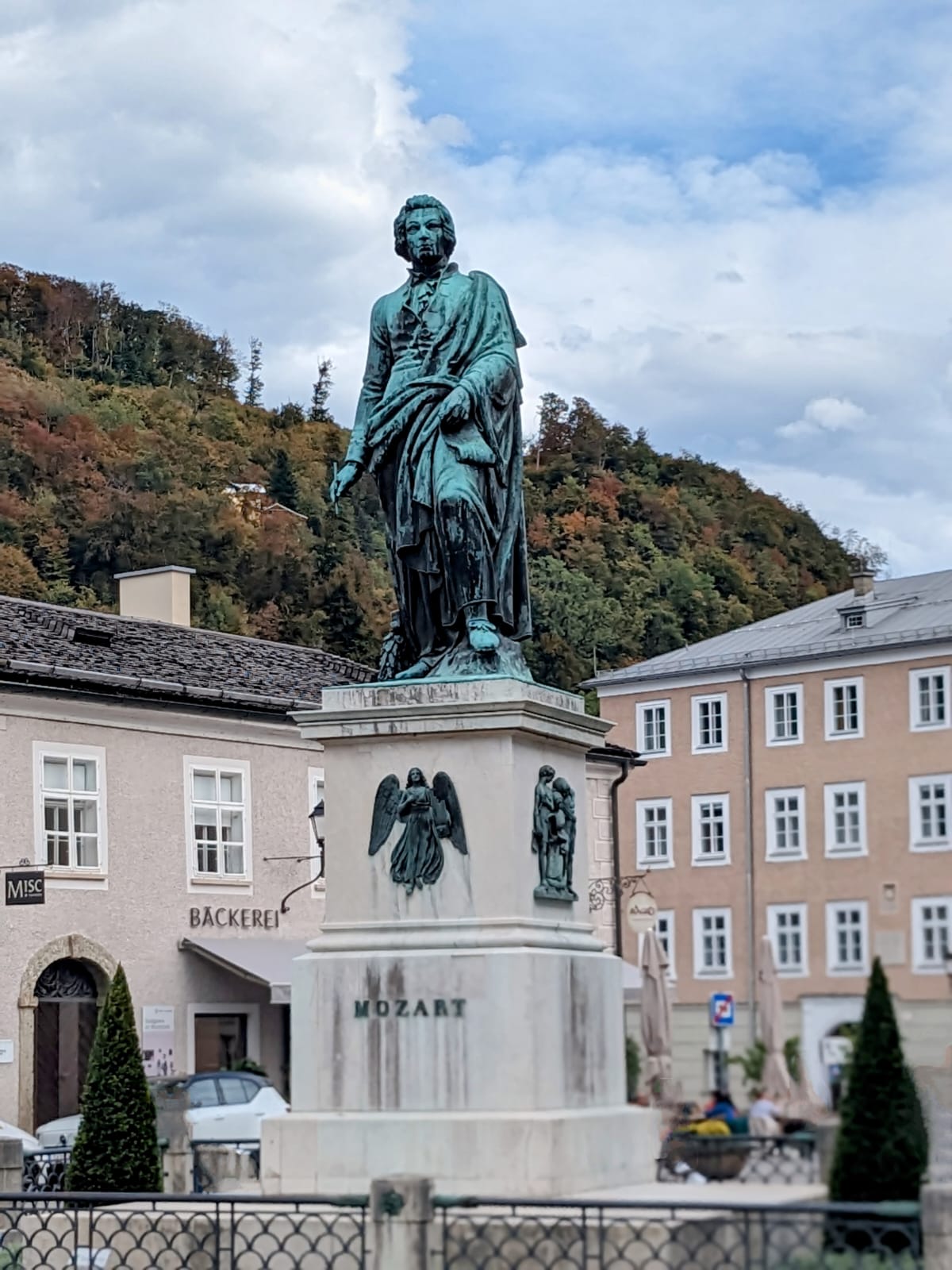

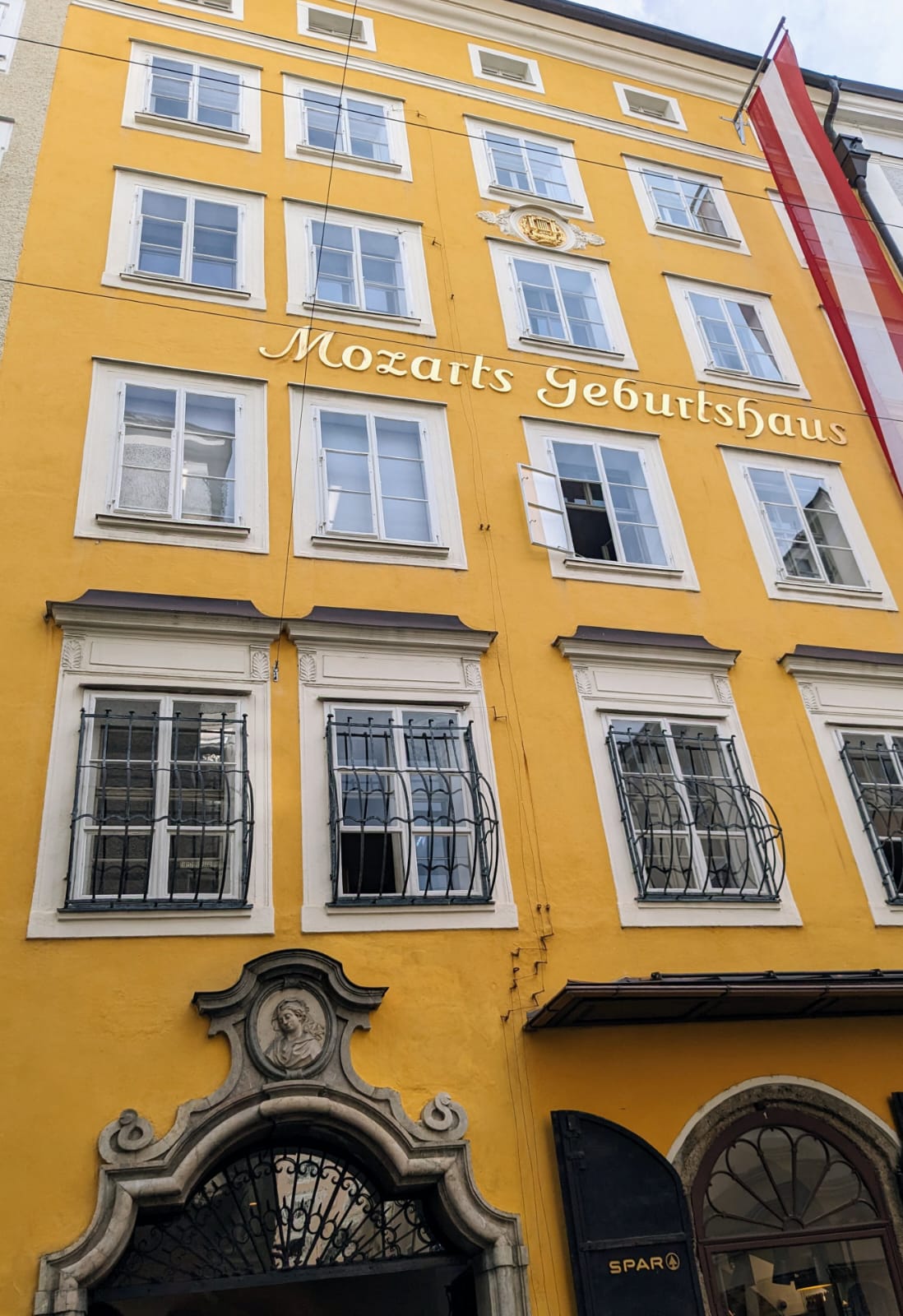
After lunch, we headed to the Mozart’s House. Amadeus Mozart, the famous composer was born in 1756 inside the house “9 Getreidegasse”. Today, the house acts as a monument to the talented composer, containing many treasures from his lifetime. Inside there are 3 stories of exhibits that cover’s Mozart’s family and his time as a composer.
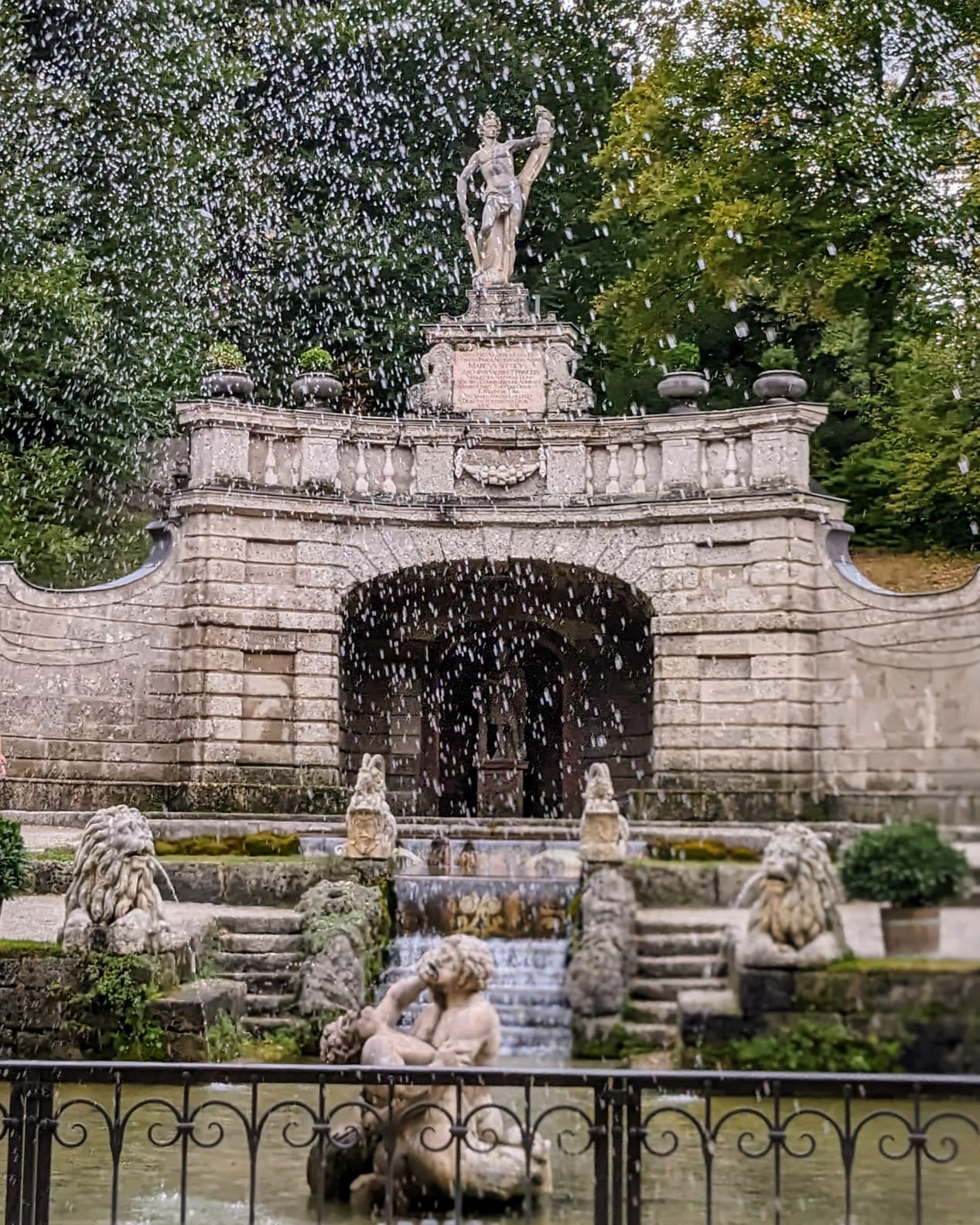
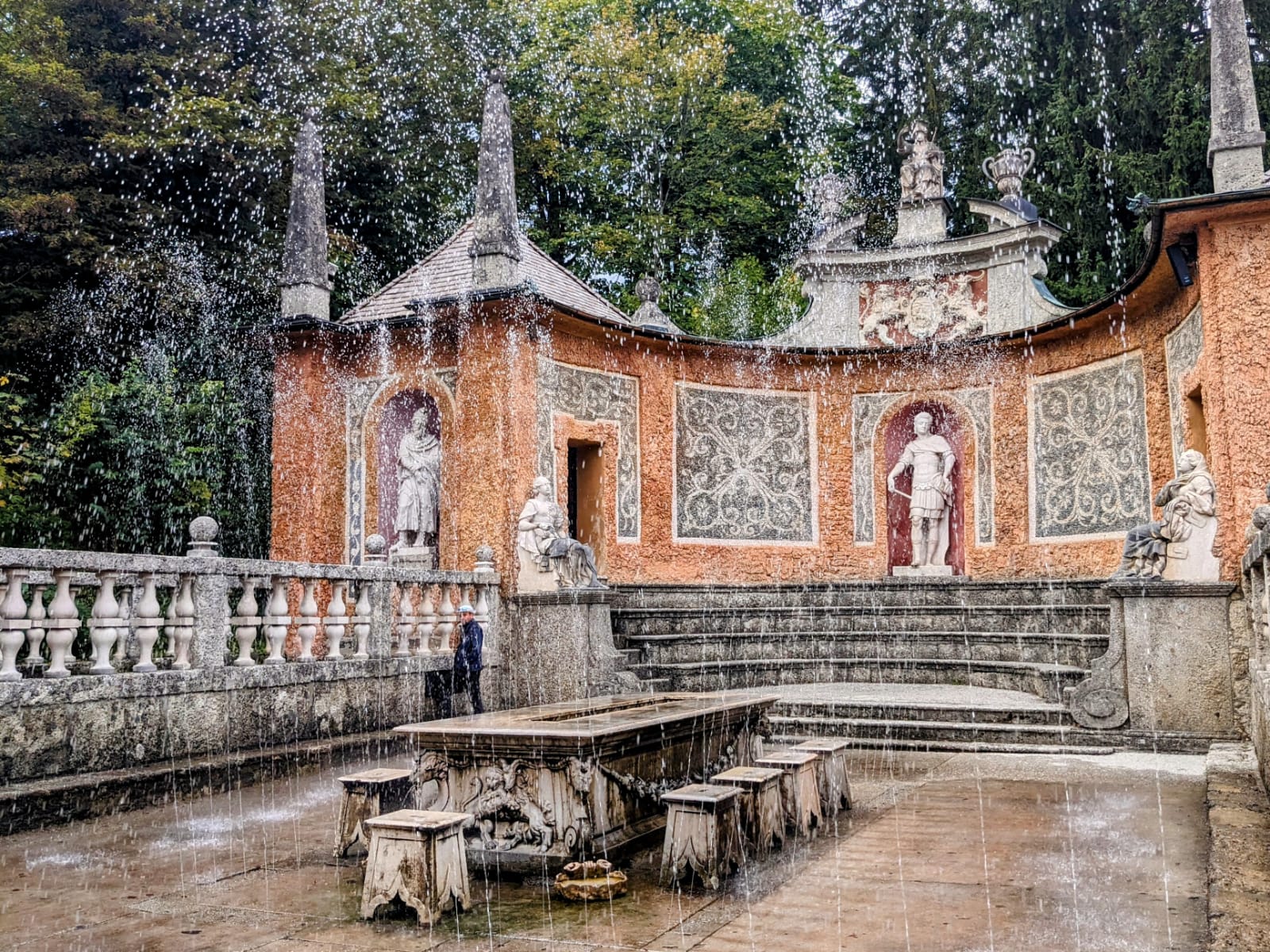
Another great place to visit free on the Salzburg card is the Hellbrunn Palace. It was a bit away from the city center and so, we had to take a bus to get there. The Palace was built by the Prince-Archbishop of Salzburg as a day residence in summer and the place he would invite guests to entertain and humour them. The entrance ticket includes the trick fountains with the guided tour of the Palace with the audio guide as well as the folklore museum. Be ready to get wet as the whole place is rigged with hidden fountains and the staff do switch them on from time to time to catch the visitors off guard, just to let everyone appreciate the whole surprise element by themselves.

Salzburg zoo is one of the top attractions of Salzburg. Hundreds of animals and birds roam freely in the beautiful natural surroundings of this 34 acre zoo enclosure, including the White Rhinos, Jaguars and vultures. Since we were travelling with a kid and the entrance to the zoo being covered in the Salzburg card, we decided to do a quick tour of the zoo. We were pleasantly surprised at how well kept the zoo was, with enclosures resembling as close to the animal’s natural habitat, the animals looked healthy and happy.

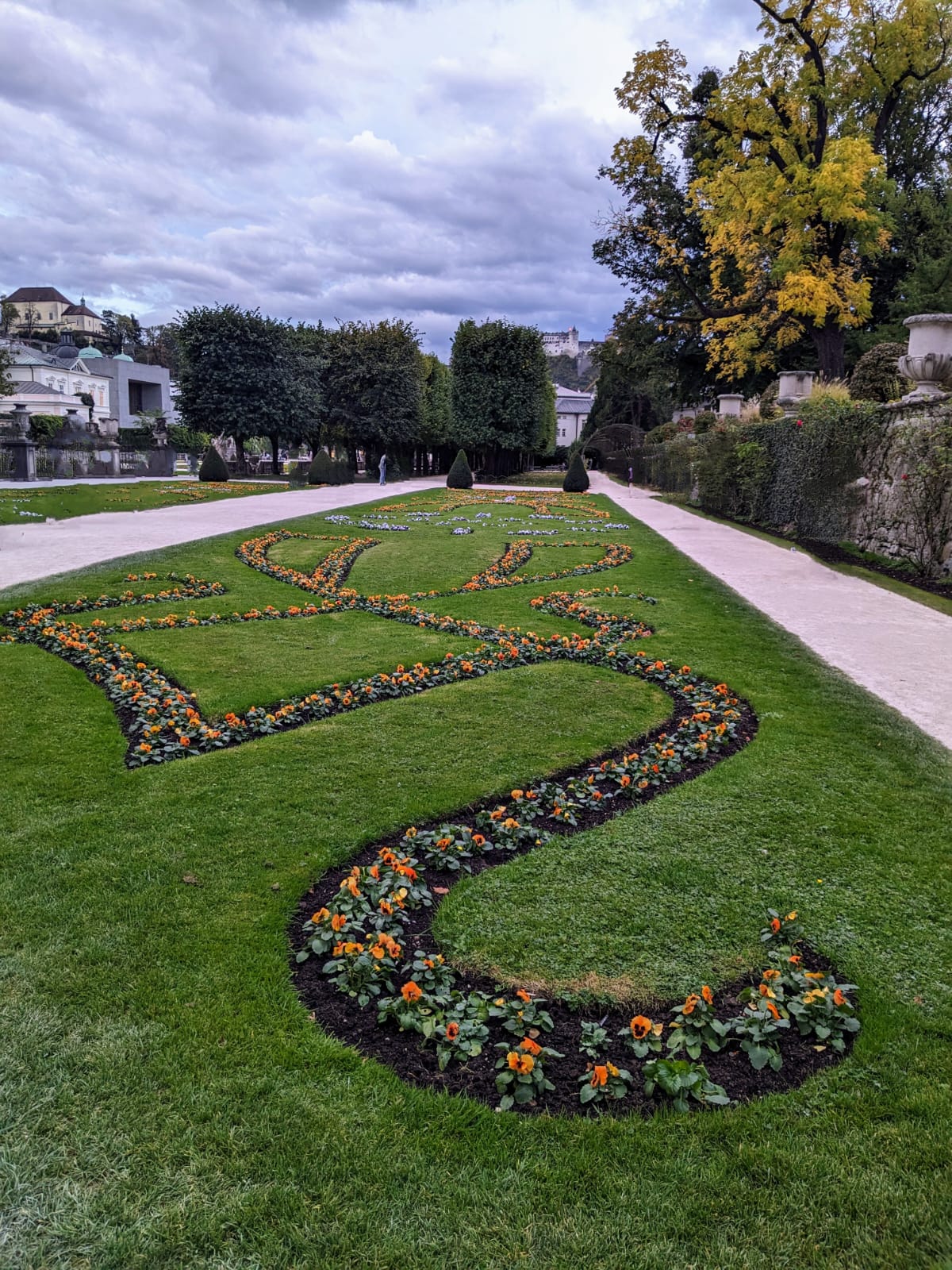
Our last stop of the day was Mirabell Palace & Gardens. We took the bus back from the zoo to get here and it was already late evening. Though the palace gets closed, the gardens were open for viewing. What makes the gardens so special is the numerous flowers and grass laid out in specific patterns so that, when looked at from above, they look like these magnificent outdoor carpets. As you sit on one of the benches of the gardens, you can see and admire the Hohensalzburg Fortress out at the distance.

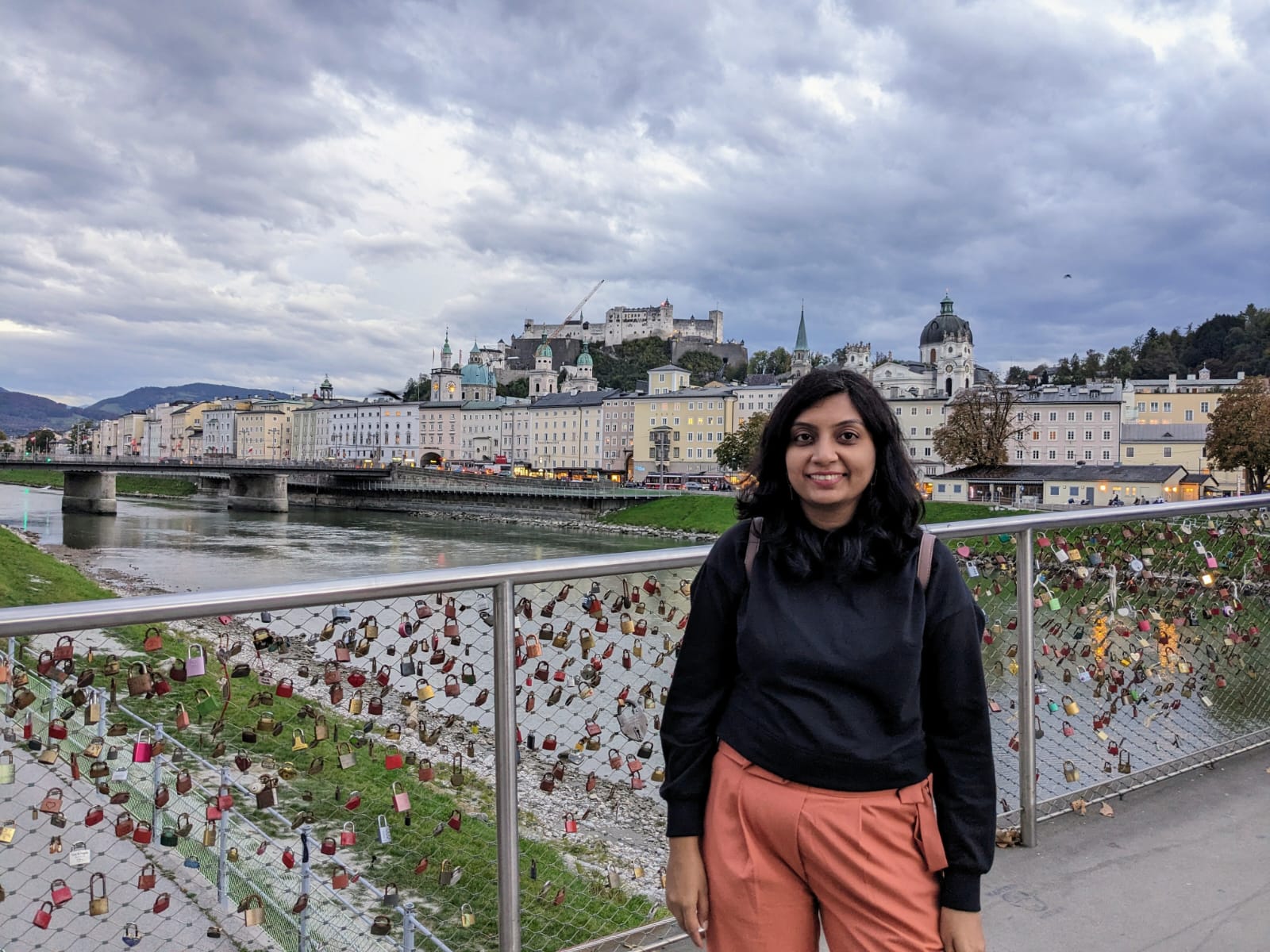
The sun had already set and the lights had started taking effect. As we walked through the old town to reach our parking garage, the whole city seem to have come alive with beautiful lights decorating the various streets of the old town creating a magical experience. Overall it was a day well spent, Salzburg was one of the best European cities we have ever visited. If you can afford it in terms of money and time, do consider staying a night in Salzburg to get the complete experience of Salzburg.
Day 2: Visit Hallstatt

Just 2 hours away from Salzburg and around 3 and half from our stay in Schliersee is Hallstatt, a picturesque alpine village in the heart of Austria. It sits perfectly on the shores of a dazzling lake framed neatly by a soaring host of mountains and without a doubt one of the most iconic sights in all of Europe. We embarked on a day trip to Hallstatt to experience all of that and more. We started early on that day and after a 3 and a half hour non stop ride to Hallstatt, we were lucky enough to find a parking for our car in one of the garages closest to the town. If you turn up late, you may end up parking much farther needing to walk extra or not find any parking at all. We may have gotten a bit lucky because we were travelling in a bit of an offseason.


It was a beautiful sunny day and perfect for a stroll through the town of Hallstatt. From the parking lot, walking for about an hour along the shores of the lake will pretty much take you from one end of the town to the other (Hallstatt viewpoint). But you do end up stopping quite a bit on your journey to take pictures of the breathtaking views of the mountains and the town with it. The path is pedestrian friendly as they block vehicular moment on that road except for the ones from the residents in the town. There are also limited stay options in the town, but they can be pricey. Consider only if you want to avoid the crowd during the peak seasons.
One of the most famous things to do in Hallstatt (time permitting) would be the salt mine tour. There is a train (funicular) that takes you from the town to the top where you can enter the salt mine. The views from the top are also pretty good. Since the caves were supposed to be dark (not suitable with a kid) and we were short on time anyway, we didn’t visit the mines. Instead, we explored the town for a couple of hours, soaking in the beauty of it from different vantage points. The ultimate viewpoint that offers the postcard view of the Hallstatt town is at the end of the town. Even though you will find many people sharing space for photos together, it never gets in the way of getting good pics of your self with the town. We finally stopped for lunch at one of the restaurants in the town before heading back to our stay in Germany.
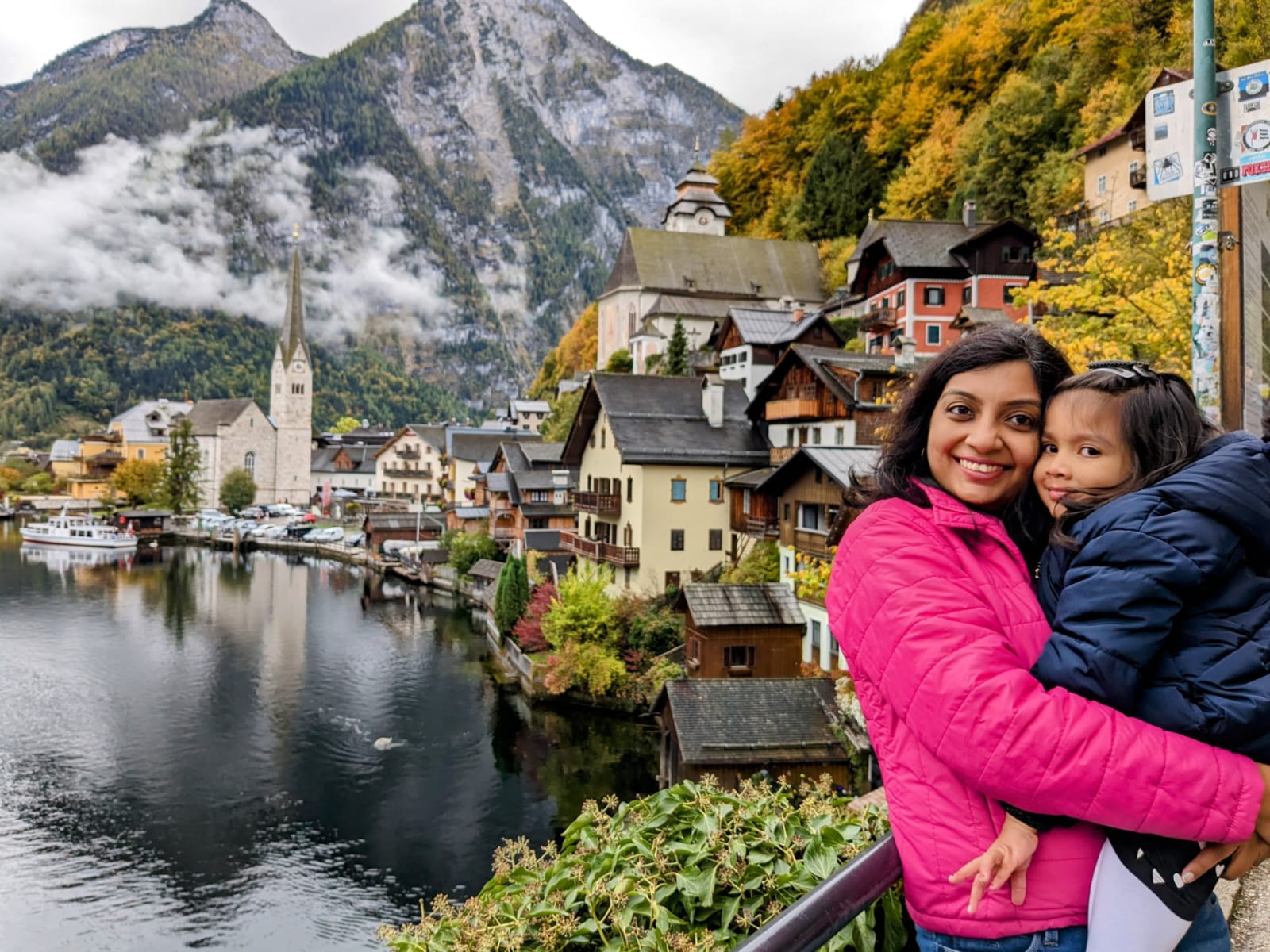
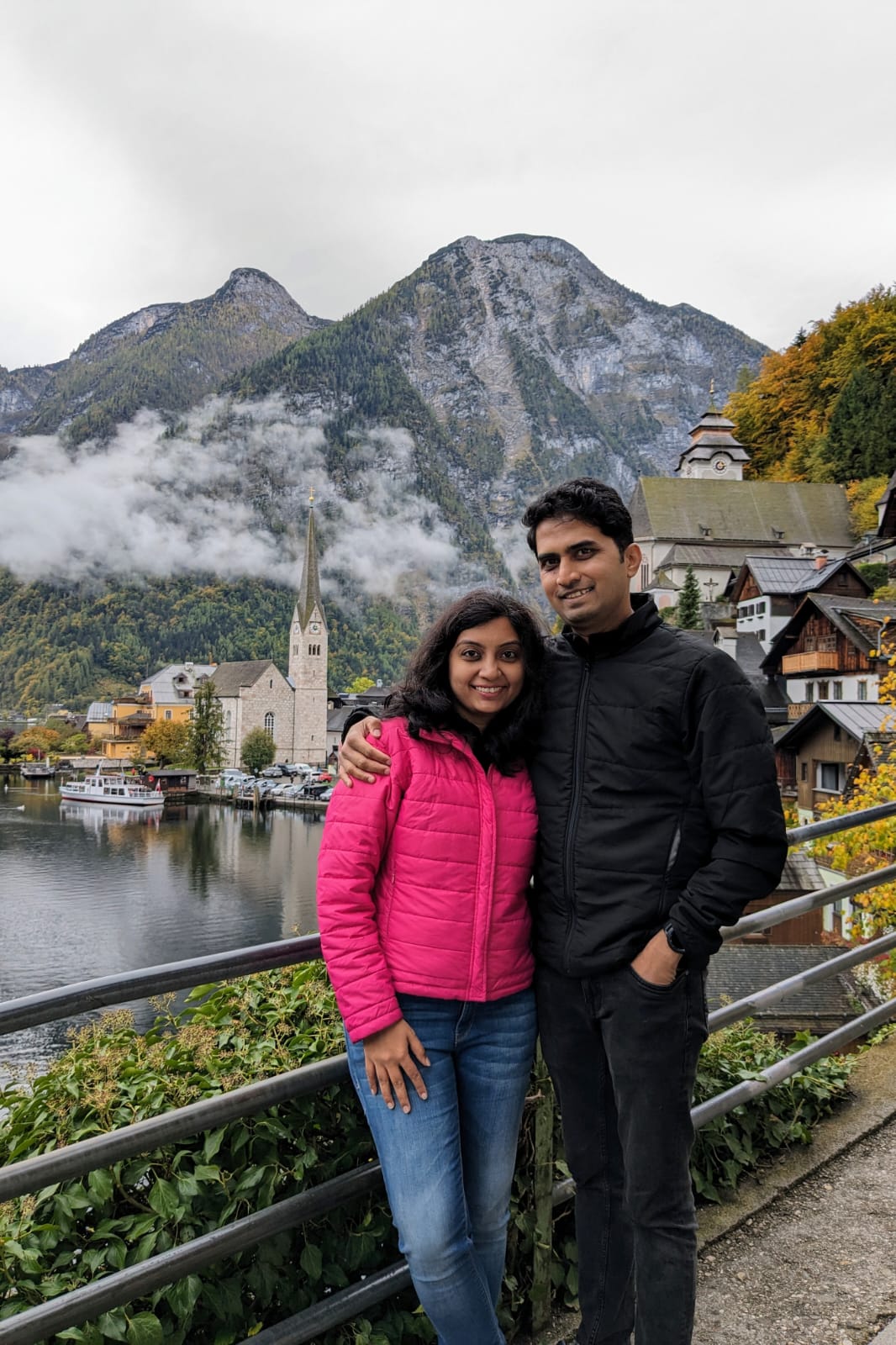
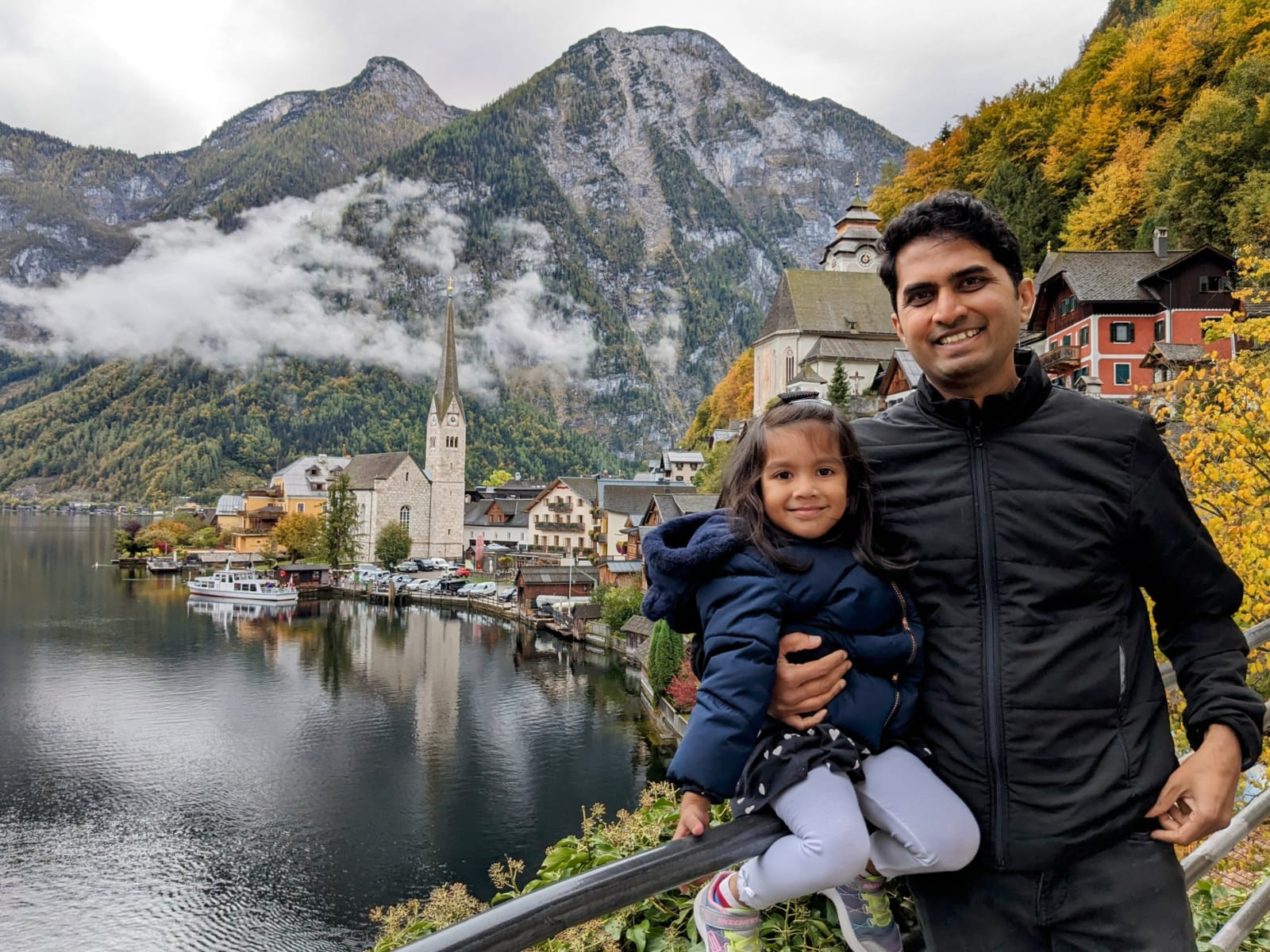

Truth be told, Hallstatt wasn’t originally on our itinerary when we started on this European adventure, mainly because of the additional travel time. But I am glad we did decide to bite the bullet and visit this place in the end. It was so dreamy and easily one of the most memorable places we have ever visited in all of Europe. The hype around this town is totally substantiated.
Day 3: Visit Innsbruck and Swarovski Crystal World
Innsbruck is one of the lesser known Austrian cities which is surrounded by snow capped mountains and famous for skiing during winter months. It has a sizable student population and hence, you will see a lot of people using bicycles on the streets. We had very little time in Innsbruck since we started the day late after a bit of shopping in Germany before coming to Innsbruck. We might have barely touched upon the highlights of the city, but if you have more time, you can consider other spots in Innsbruck that we will mention at the end.

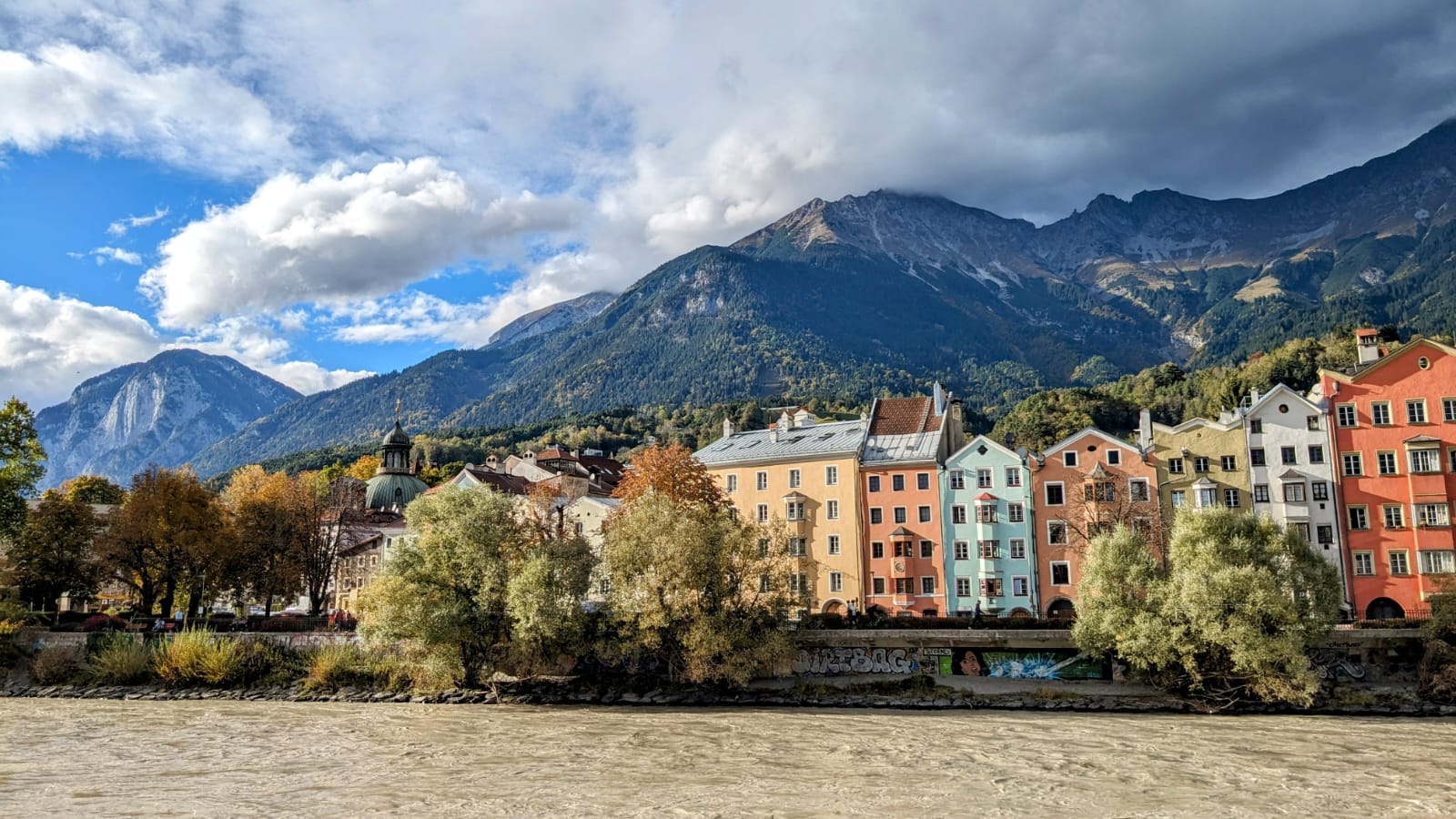
After parking the car at the nearest parking garage, we basically spent couple of hours strolling along the streets of the old town, finally ending at the famous bridge of the city. The old town was quite charming with musicians and street artists performing around all corners of the streets. There were numerous shops and restaurants lining the town walls. The word Innsbruck literally means bridge over river Inn and our final stop at the city center was famous bridge over the river. We spent some time taking the customary insta-worthy photo of colorful houses along the bridge and headed to our next stop – The Swarovski Crystal World.

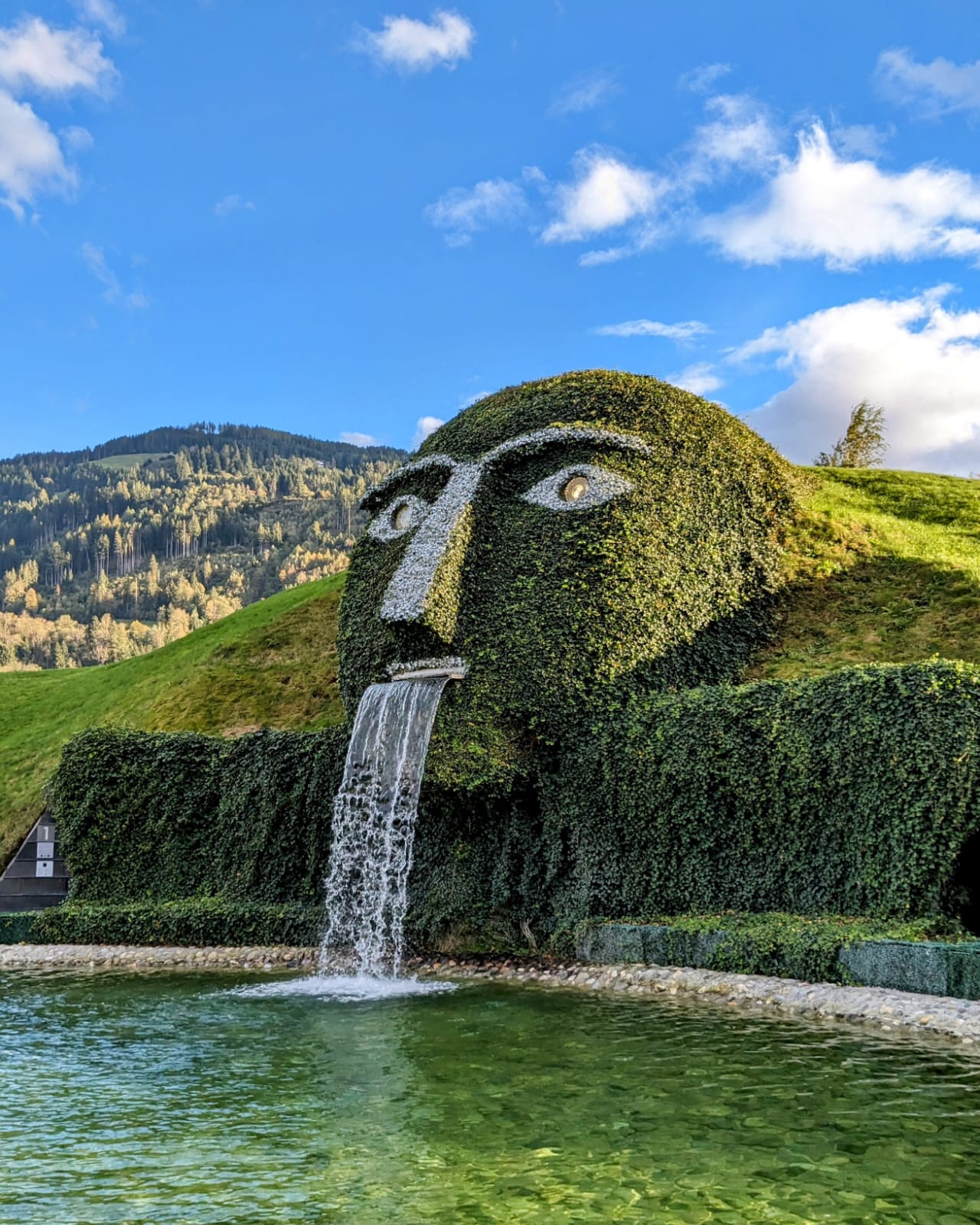
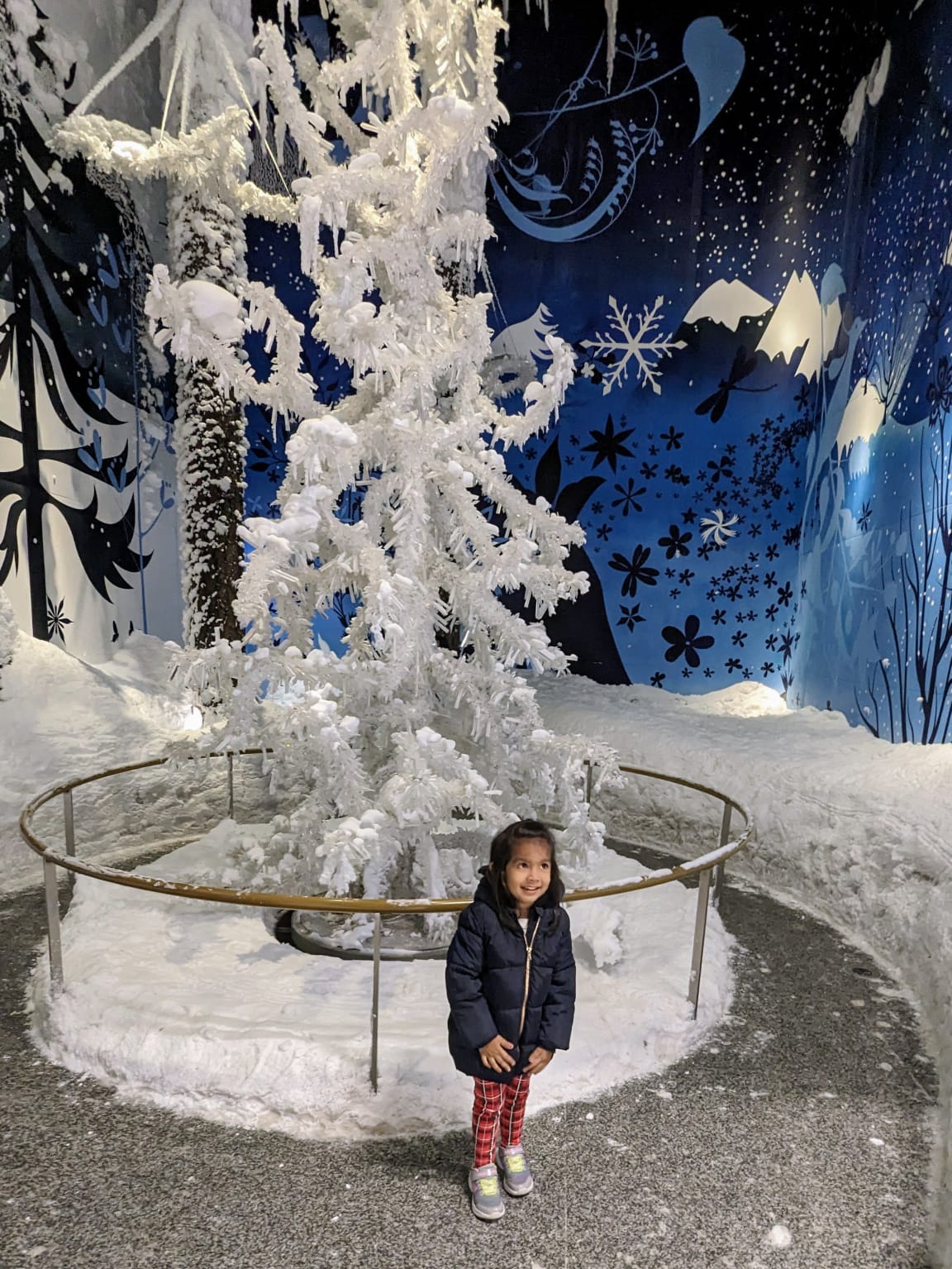
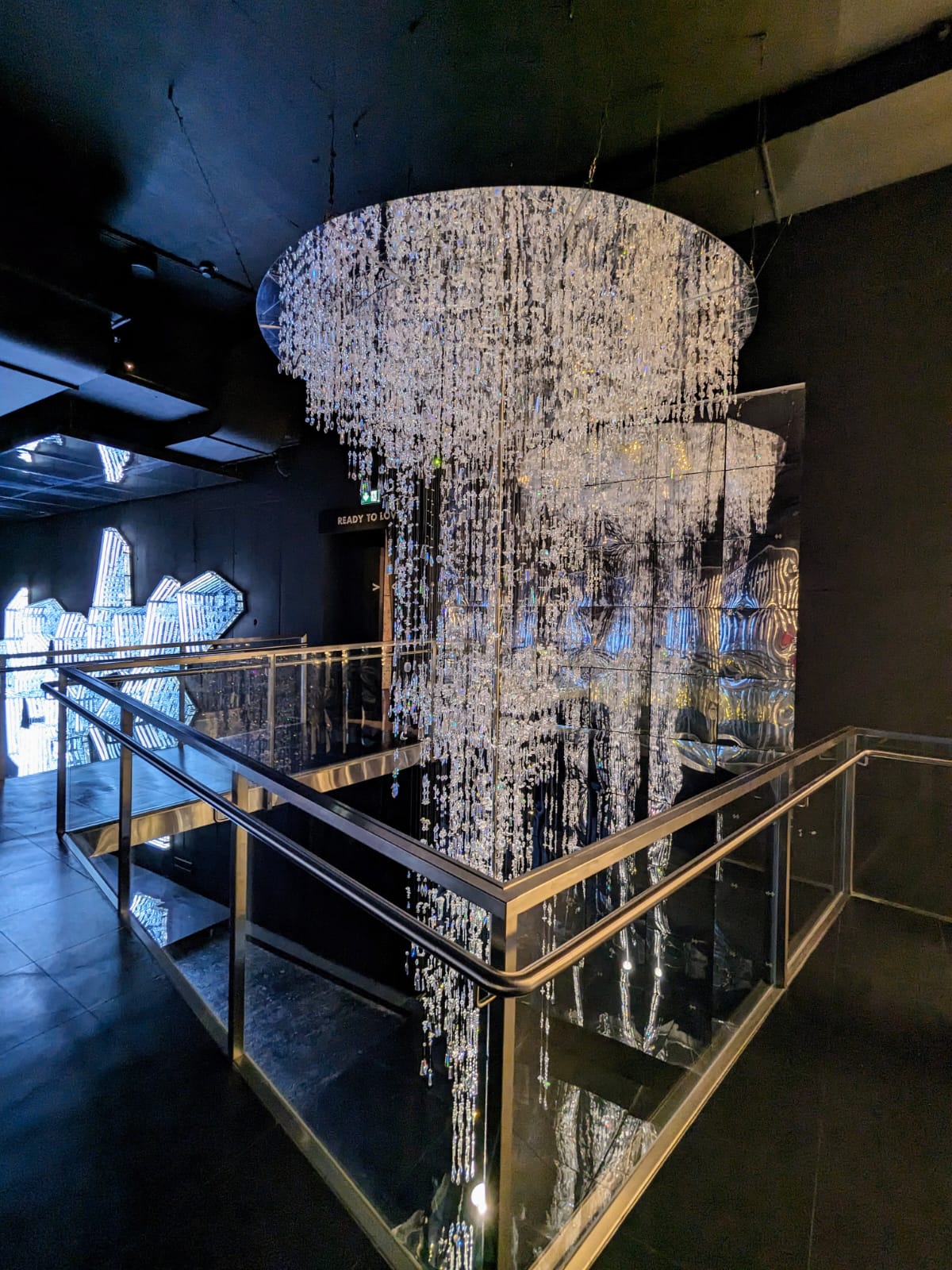
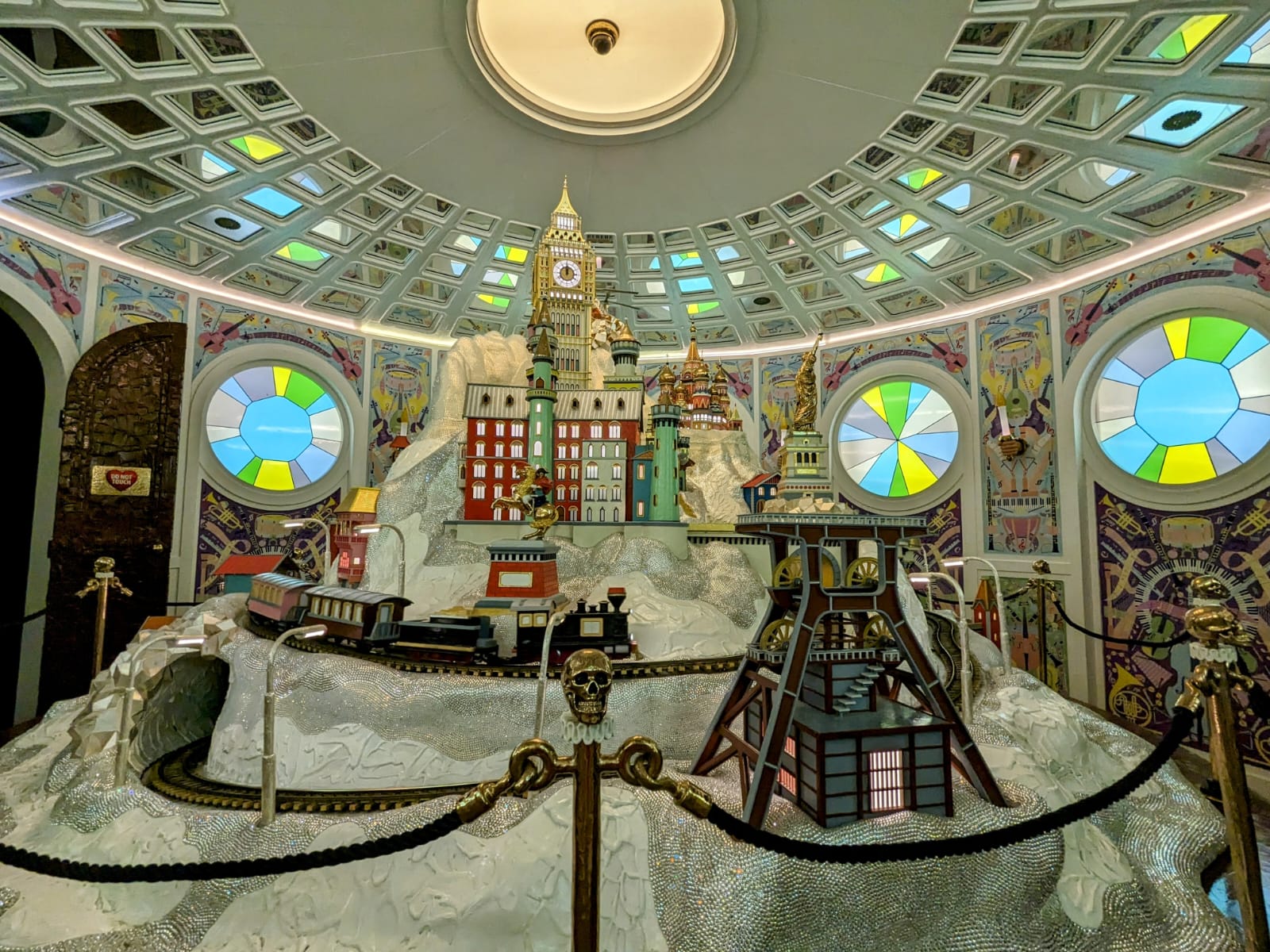
The Swarovski Crystal World is located in the outskirts of the city of Innsbruck. It is a large area which has outdoor greenery as well as a museum experience which celebrates art from various internationally renowned artists and designers interpreting Swarovski crystals in their own unique ways. The entrance costs around 23 Euros for adults and last entry at 18:00. The visit takes about 2 to 3 hours to explore what they call 18 sparkling “Chambers of Wonder” in a sequential manner. Not surprisingly, the visit ends at their store where you can purchase their crystals before leaving to home. The overall experience was good, we wouldn’t put it as spectacular. Some of the chambers were completely passable.


Additional things to do if you have time in Innsbruck –
- Climb the Stadttrum (in Old Town) – This is one of the old town tower used by guards to keep an eye over the city. Climb the 133 steps up the tower to get panoramic views of the city.
- See the Goldenes Dachl (in Old Town) – One of Innsbruck’s famous landmark, this golden roof is part of a two storied museum which documents the era of emperor Maximilian I.
- Go to “The Top of Innsbruck” – You can take a cable car departing from the Congress in the city center to the top of the Innsbruck for some amazing views.
- Visit Hofburg Imperial Palace (in Old Town) – One of the 3 most important cultural landmarks in Austria.
Day 4: Grossglockner High Alpine Road and Zell Am See

The Grossglockner High Alpine Road is the highest surfaced mountain pass road in Austria. It connects Bruck in the state of Salzburg with Heiligenblut in Carinthia. The road is 48 km long and named after the Grossglockner, Austria’s highest mountain. It is open only during the warmer months and can get pretty crowded during peak season. It is only 2 lane and the traffic can get bad because some of the corners can be a bit tight for larger vehicles to pass through and hence the variable time it takes to complete this journey. It sweeps over mountains and through a wild series of switchbacks, winding through valleys, green hills, and glaciers.
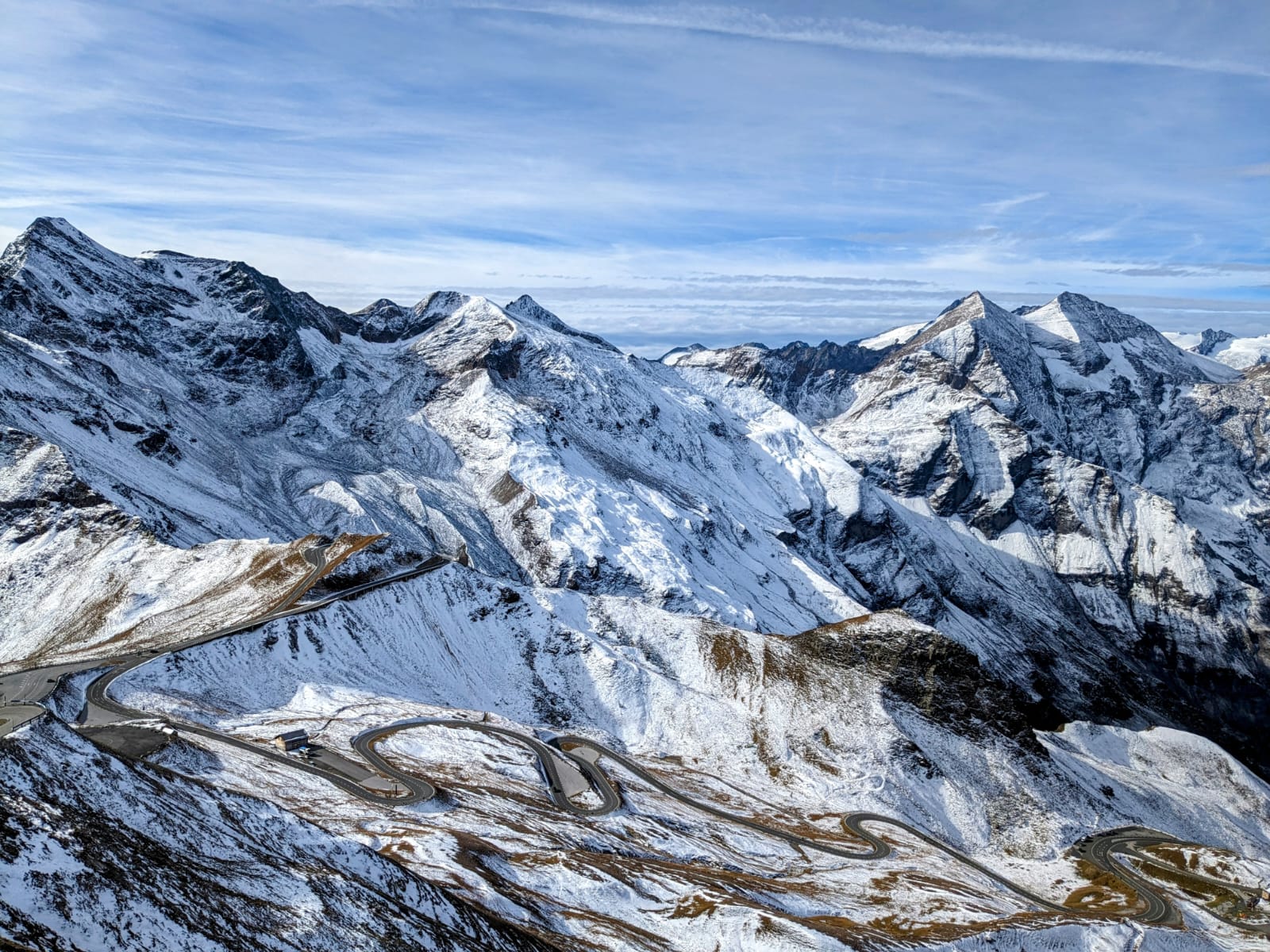

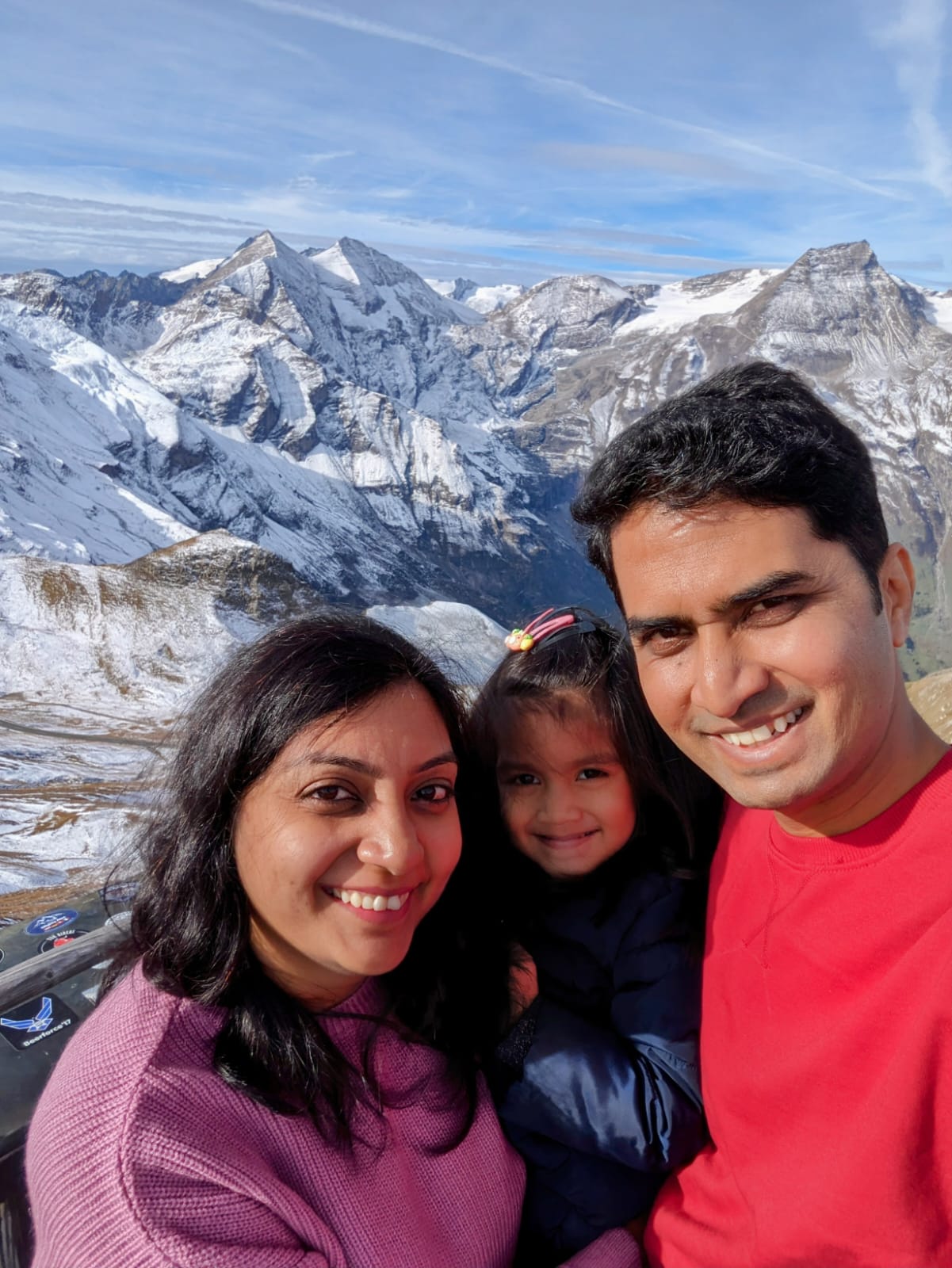
We started early from our stay at Karma Bavaria and it was around 3 hour of drive to get to the base of the road near Zell Am See. There is an entrance fee to the road (~43 Euros for a car- day ticket) and luckily the toll booths were quite empty that day. The drive up was quite picturesque with abundant views of snow filled mountains everywhere and undoubtedly one of the best roads to drive in all of the Alps. It kind of reminds you of the drive to the passes in Ladakh in India but bit more safer with good signages and railings. There are multiple view points where you could stop and take photos and we stopped multiple times during the journey up. One of the highlights of the journey was the lookout that was built for which we had to take a detour on the cobble stone path. But it was well worth it as the views were spectacular and we could get 360 panoramic views of the snow mountains.


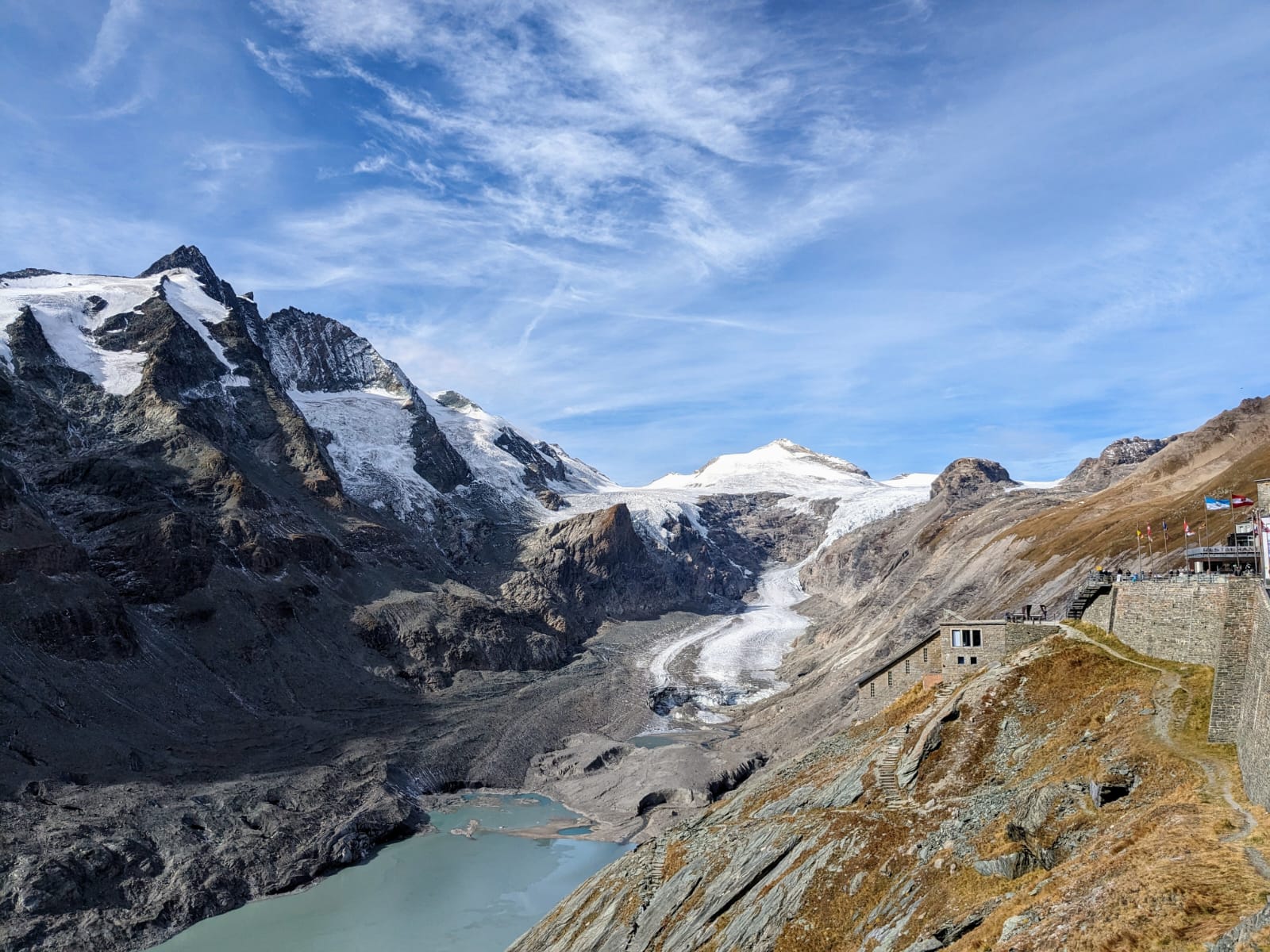
Kaiser-Franz-Josefs-Höhe (a glacier) is both the finish and high point of the Grossglockner High Alpine Road. Here, at 2369 meters altitude, you are high above the Pasterze Glacier, at eye level with the Grossglockner. The journey to the end/top came quicker than we anticipated since the traffic was less. There is a visitor center and Panaroma Restaurant at the end point where we had lunch. From the visitor center, there are numerous trails and paths to explore to get different views of the glacier including the Wilhelm Swarovski observatory. The journey back was mostly uneventful and quick since we didn’t stop anywhere.
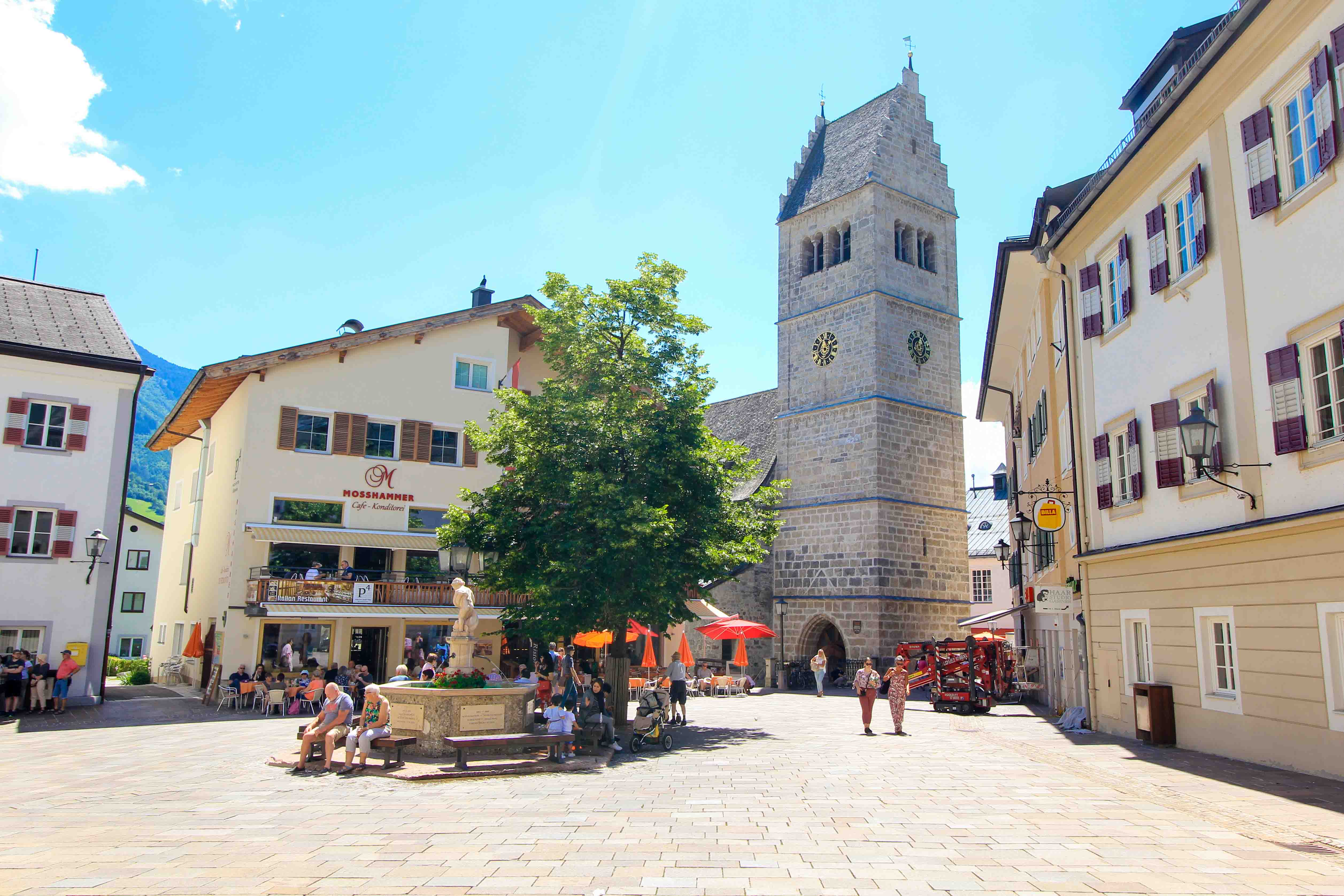
Zell Am See is a beautiful lake town in the state of Salzburg in Austria. It is quite popular among tourists and is worth a short visit to the town. After our adventures on the high alpine road, we parked our car at a paid garage in the town center and explored the town for couple hours before heading back. You can take walks around the lake and the views with backdrop of the mountains are really spectacular. Another popular thing to do is taking a walk through the old town. A nice selection of small local shops sells everything from touristy goods to clothing and sports equipment. One can also go on the panorama boat cruises or rent pedal boats on the lake if you are feeling a bit adventurous. The parking charges were steep per hour and the whole town felt quite pricey (restaurants/shops etc) compared to other parts of Austria maybe because of the high influx of tourists to this town.

Additional Information
Here are a few additional tips that might come in handy for your travel to Austria –
- Driving on Austrian roads require special Vignette sticker. These are available at all local shops at the Austrian borders and costs 10 euros for 10 days.
- Fuel prices are cheaper in Austria compared to Germany. Like us, if you are in a position to chose as you drive between Austria and Germany, chose Austria.
- Some of the souvenirs that are unique to Austria are Marmot plush toys, Snow Globe & Mozart balls.
Final Thoughts
The 4 days we spent in Austrian Alps was undoubtedly the highlight of our whole 10 day travel to Europe. The cities and towns were way more beautiful and picturesque and worthy of longer stays if you can afford it. We will come back again to Austria for sure, to explore more of this and the beautiful Vienna.
 Unending Vacations