
Auroras are the colorful lights that dance in the night sky closer to the poles of the earth. They are truly a beautiful natural phenomena, a gift of nature which should be on the bucket list for most people. These magical illuminations often appear during the winter nights. Auroras are divided into 2 – Aurora Borealis (also called Northern lights) which appear closer to the north pole and Aurora Australis (Southern Lights) which appear closer to the south pole. Since the closest land mass to the south pole is much farther than the ones in the north, Northern Lights are usually much more accessible to people for viewing and hence their popularity among tourists.
How are they created?
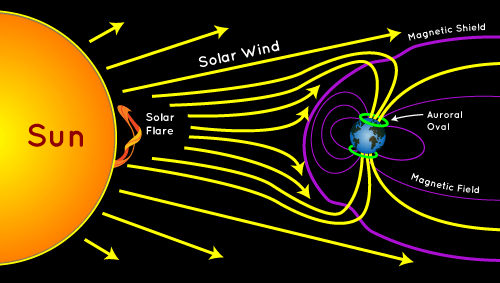
Without getting too technical, it is caused by particles emitted from the Sun colliding with gases in the earths atmosphere. These particles are carried by the fast moving solar winds which carry stream of electrically charged particles from the sun. An invisible shield which is the earth’s magnetic field will deflect these towards the poles of the earth causing magnetic activities around the poles. The colors of the auroras depend on the type of gas interacting with these solar particles and the altitude at which these collision occurs. Green remains the most commonly seen color on auroras while other colors like red, pink and blue can also appear rarely.
When and Where to view the Northern Lights
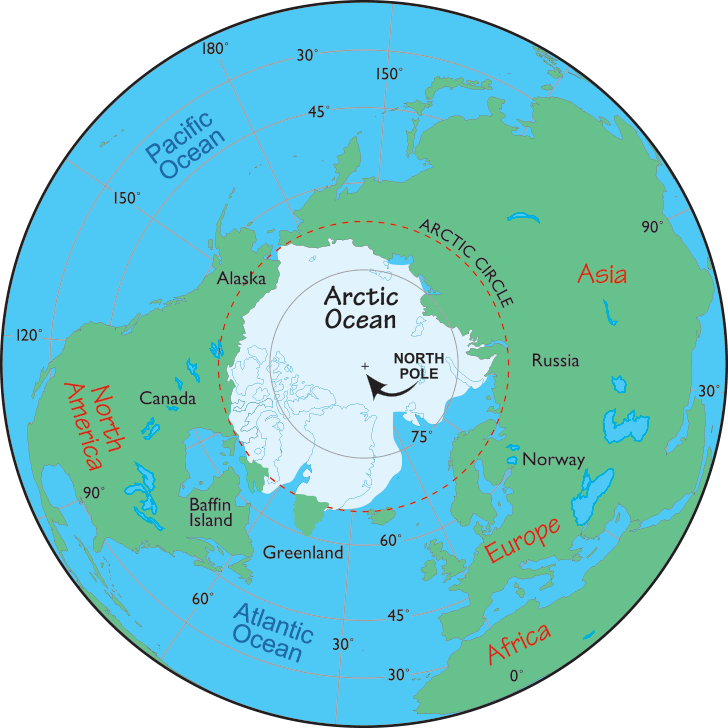
The Northern Lights are mostly seen in countries near the North Pole like Norway, Sweden, Finland, Iceland and Canada. Finnish Lapland remains the most famous of them all for northern lights hunting, while others can also offer equal opportunities such as the Swedish Lapland (Abisko), Northern Norway (Tromso), Svalbard, Iceland, Russia & Canada etc. The best time to travel to the countries closer to the north pole are when the nights are long and dark. That’s basically their winter season, from October to March. But the sub zero temperatures and extreme cold conditions also make it very difficult to stay longer outside and truly enjoy the experience. This is the primary reason why we should all learn more about Northern lights, its technicalities, patterns and predictions to make our lives easier while we hunt for it.
What is Solar Maximum?

Solar maximum is the peak of the sun’s 11-year cycle of activity, when the sun emits more energy, light, and solar radiation. It’s a time when the sun’s magnetic poles flip, and the sun’s surface is covered with more sunspots and solar flares. The year 2024/2025 was marked as one of the Solar Maximums exhibiting heighted solar activity and more particles pushed towards the earth. As solar activity is one of the key factors for auroras, people have reported an exponentially higher share of sightings of northern lights over the past year. This is supposed to go down soon, bringing back the normalcy in terms of aurora viewing which means the sightings are going to become a rare occurrence again, even during winter nights. The next solar maximum is 11 years later at 2035 timeframe.
For people who visited parts of countries closer to the north pole over the past year, solar maximum basically meant that they could stay for a week in those northern parts over the winter and have an almost 100% chance at some form of sighting of auroras over these days (weather permitting). This can’t be said the same going forward when the activities die down and it becomes a matter of luck again to see these lights.
Factors that influence Northern Lights experience
1. Solar Storm
Particles that escape from the sun are carried by the solar wind at high speeds and eventually reach earth’s atmosphere in 2 to 3 days. So it’s technically impossible to even remotely predict a good sighting more than 3 days in advance. That said, if a big storm escaping sun was indeed detected, then its almost a done deal that you will see some sort of activity over the next 1 or 2 days.
2. Weather
Imagine the solar particles hitting the poles of the earth and creating these lights up in the sky and you are unable to view anything from below because of bad weather. This can easily happen and continues to happen for many travelers hunting the lights. Weather plays a very role in sighting Northern Lights, especially the rain and clouds. The only silver lining is that clouds move quickly and there are apps and websites to predict the patterns. One can also drive out a bit to a place which has clear skies to watch the show.
3. Light pollution
Ambient light in the sky again plays another key part of the northern light viewing experience. Just like the weather, even if the lights are dancing in the sky, if you are closer to the city where the light pollution is high, you wont be able to detect them clearly. It’s also imperative that you visit these northern places during winter when the nights are long and dark to give you extra chance at watching these lights. Most times, you also want to avoid full moons (or closer to that) unless the solar activity is very high in which case, its adds another dimension to the photography of these lights.
4. Latitude
Latitude plays key part in the experience as most times, the lights are visible only above a certain latitude (closer to the north pole). That’s why, chances of seeing northern lights is much higher in northern parts of Finland, Sweden, Canada, Russia and Norway compared to their capitals in the south.
Aurora Forecasting Explained

The forecasting of auroras are driven primarily by the strength of the solar particles hitting the earth’s atmosphere. The forecasting is same for any part of the earth – Finland or Iceland. There are mainly 3 sub-elements to this forecasting that you should be aware of –
KP Index
The KP Index is a measure of geomagnetic activity in the earth’s atmosphere. Geomagnetic activity is the origin of the auroras in our night skies and hence the ferocity of that activity is closely monitored in order to maximize chances of witnessing Northern Lights. It is put out as a single digit number ranging from 0 to 9 (9 being the highest activity and represents a very rare and hugely significant geomagnetic storm). The index provides a valuable estimate of where the Northern Lights might be visible from. The larger the number, the chances are higher for lights to be visible even from much down south like Central Europe/America etc.
IMF Direction (Bz value)
Interplanetary Magnetic Field (IMF) is the substance ejected by the sun which enter the poles of the earth. To see aurora you need the Bz direction to be negatives (southward). The negatives Bz means the particles have been pushed toward the earth and creating the glowing light which we see as aurora. You are still able to see aurora when the Bz is not negative or around the 0nT, but it will be a lesser show.
IMF Strength (Bt Value)
This measures the IMF strength hitting the earth. To see bright Northern Lights you need the strength (Bt) to be positive. The stronger it gets, the more intense you will be able to see the aurora
Useful Apps for Aurora hunting
Aurora forecast apps (eg: hello aurora)

There are multiple aurora forecast apps, many of them free as well. One such app is the “hello aurora” app which gives you all these technical indices such as KP, Bt, Bz etc. and also gives you % chance at sighting over the course of next 2 days.
Weather forecast (especially cloud cover)

An app called “Windy” is quite good at predicting weather and it has a view for cloud cover as well which can be extremely helpful in deciding where to move around to get clear skies.
Light pollution

There are many websites where you get information on light pollutions are different geographies around you. One such website is https://www.lightpollutionmap.info/
Aurora Hunting Tours

If you go on to websites like Getyourguide or Viator, you will see number of Aurora hunting tours which operate as a small group running their mini vans and promising 100% chance at sighting or full money back (at least this is true during these golden days of Solar Maximum). We took part in one of them while in Rovaniemi and it was a good experience. The crowd tends to be almost completely new to these auroras and if you are someone semi experienced at these already and want to take more time photographing the lights, this is not for you. These tend to be pricier as well, going all the way upto 200 USD per person. But they do know their way around places in the vicinity, and drive long distances to get you those sightings. Well worth it to at least go on one of them.
So what does a perfect night of Northern Lights viewing looks like
Imagine you have travelled to one of the northern parts of the earth (say Finnish Lapland) during Winter (say December). Being December, the sun barely came out and you get almost 20 hours of darkness. The weather looks good with clear skies all over around you. You are also located in one of the remote parts of the town with very limited light pollution. You heard the news on the internet that a big solar storm is coming towards the earth. The KP index shows the same, putting a high number (say 7) meaning some form of geo magnetic storm occurrence. You go out in the darkness of the sky and start seeing those dancing lights and enjoy the show for 15 to 20 mins changing colors from green to red or pink and dancing all over the sky. Then it suddenly stops and despite of you waiting for many more minutes, it still doesn’t come back. What a bummer! This was supposed to the big night for auroras and all you got was 15 to 20 mins of show, that’s it.
If you think this is it, you are grossly mistaken, as the lights come in waves and that’s where some of the sub elements of aurora forecasting come into the picture. You just have to have the patience to wait it out and wait for the next wave to appear. Of course the weather conditions are bad outside and its impossible to stay outside for too long. This is where tracking Bt/Bz helps. You can stay inside your cozy hut monitoring these numbers, wait for the Bt value to go higher (positive) and Bz value to go negative. Once this happens, come out and you will see, voila, the northern lights appearing again and putting on a show. It will continue to be there as long as the Bt and Bz values are conducive for you. This is the simple science behind northern lights hunting.
Our experience with Northern Lights
Our first experience at Northern lights was when we landed in Iceland. The day we landed in October 2024, a big geomagnetic storm had hit the earth and the KP index was showing 8 (G2 storm). As we moved few kms outside of the Reykjavik city, we were able to see the amazing array of colors of the northern lights in full glory. Since it was our first time, we were truly mesmerized. The only regret from that day was we didn’t know how rare this occurrence was, and we only spent an hour outside watching the show because we had a busy day next day. We were also unaware of some of these technicalities like Bt, Bz values and assumed the show was done and we headed back too quickly.
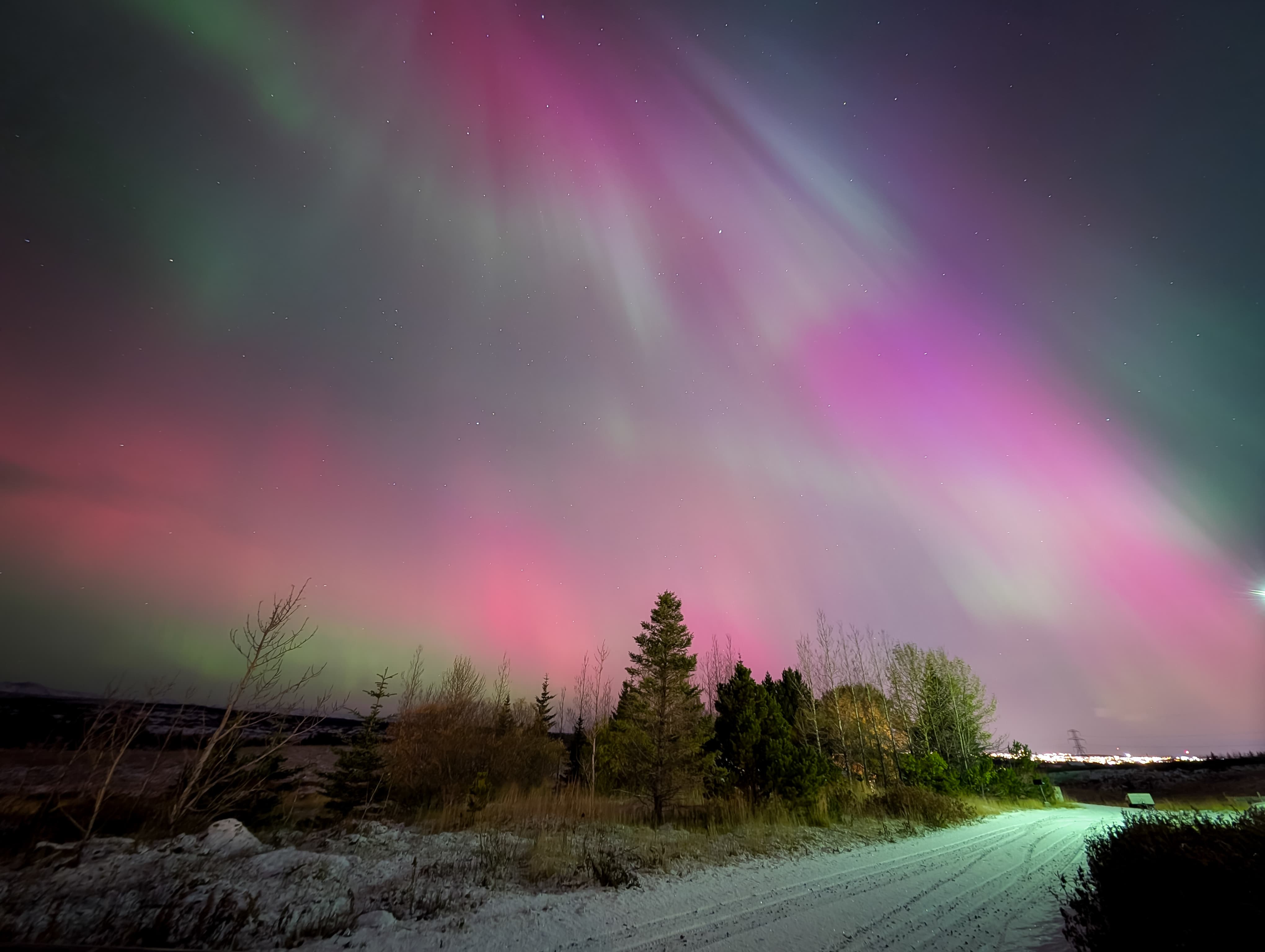

Over the course of the next 3 to 4 days in Iceland, we got opportunities to experience more of the magical phenomenon which were all memorable too.


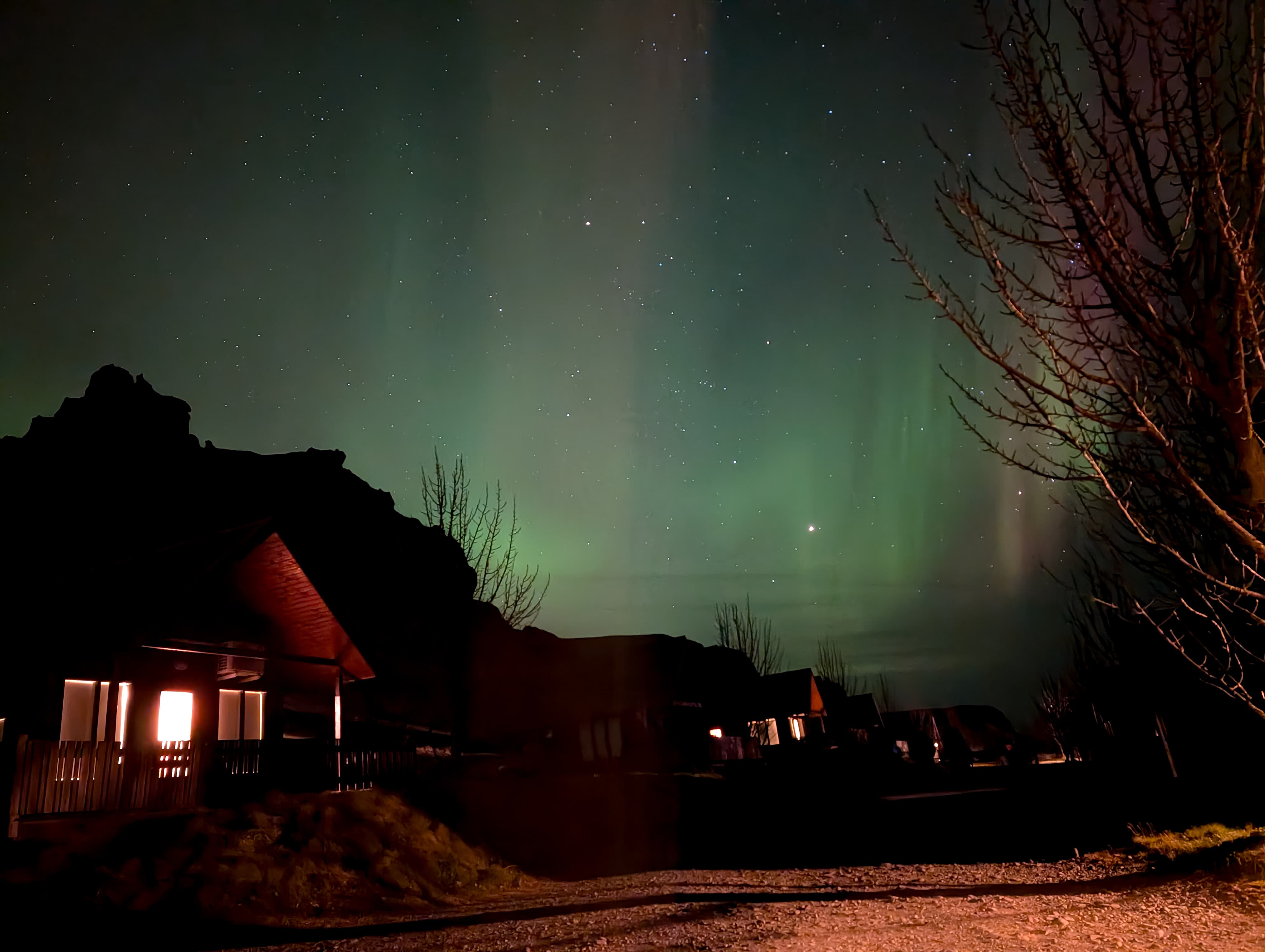
During our trip to Finnish Lapland in December 2024, we had one of the most magical nights of our lives, where the northern lights put on a show for us for almost 12 hours straight. This was when we were in the glass igloo at the famous Kakslauttanen Artic Resort during the end of December 2024. All the conditions that I mentioned above that made for a perfect setting were there – high KP index, clear sky, remote dark setting, we were very very north in the Finnish Lapland, Bt and Bz values were conducive for the most part of the night. The added bonus was that we were inside a glass Igloo. That made for a perfect night one can imagine for northern lights hunting. It gave a beautiful context for photography and we had the added advantage of watching the show from the comfort of our room without enduring the harsh conditions all the time.
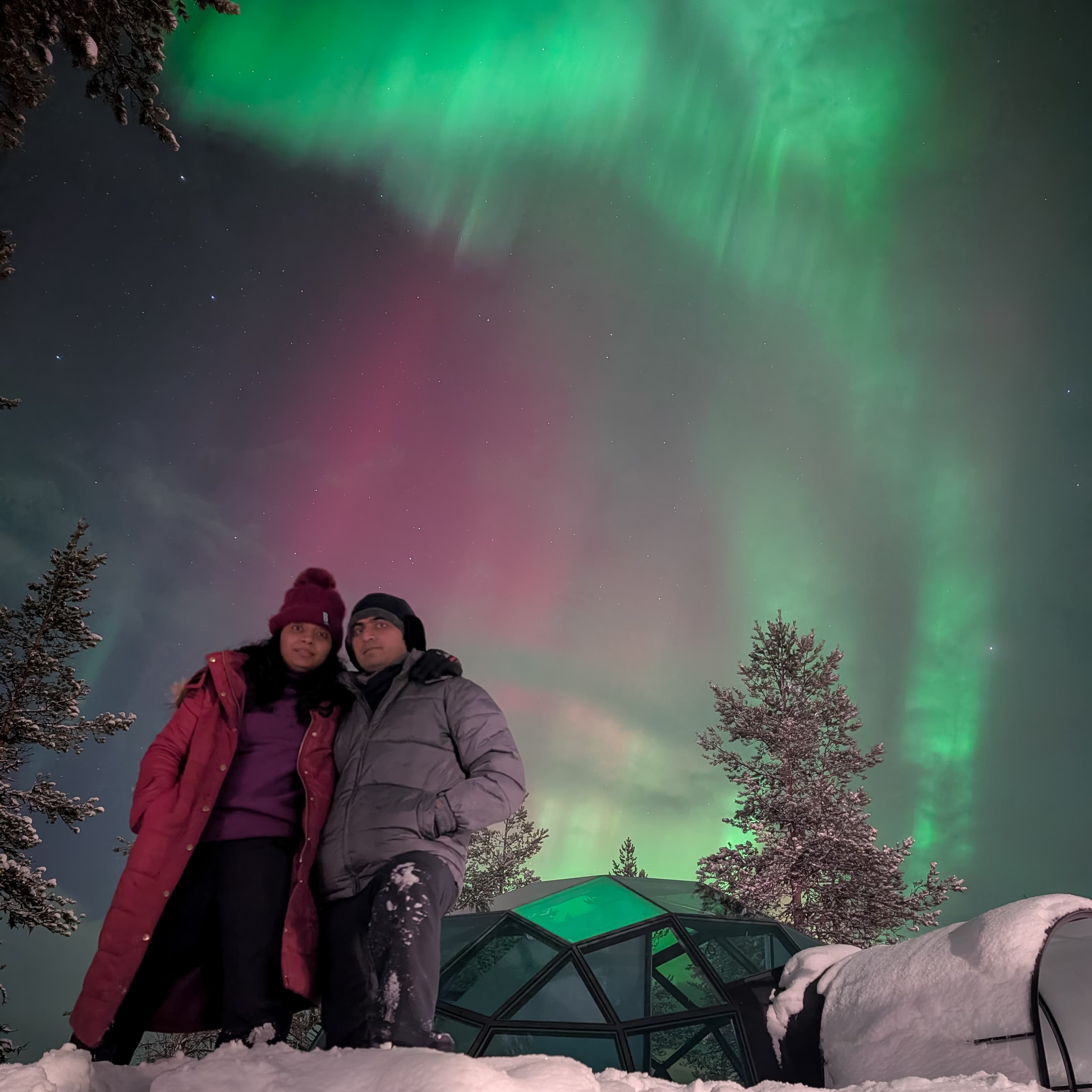

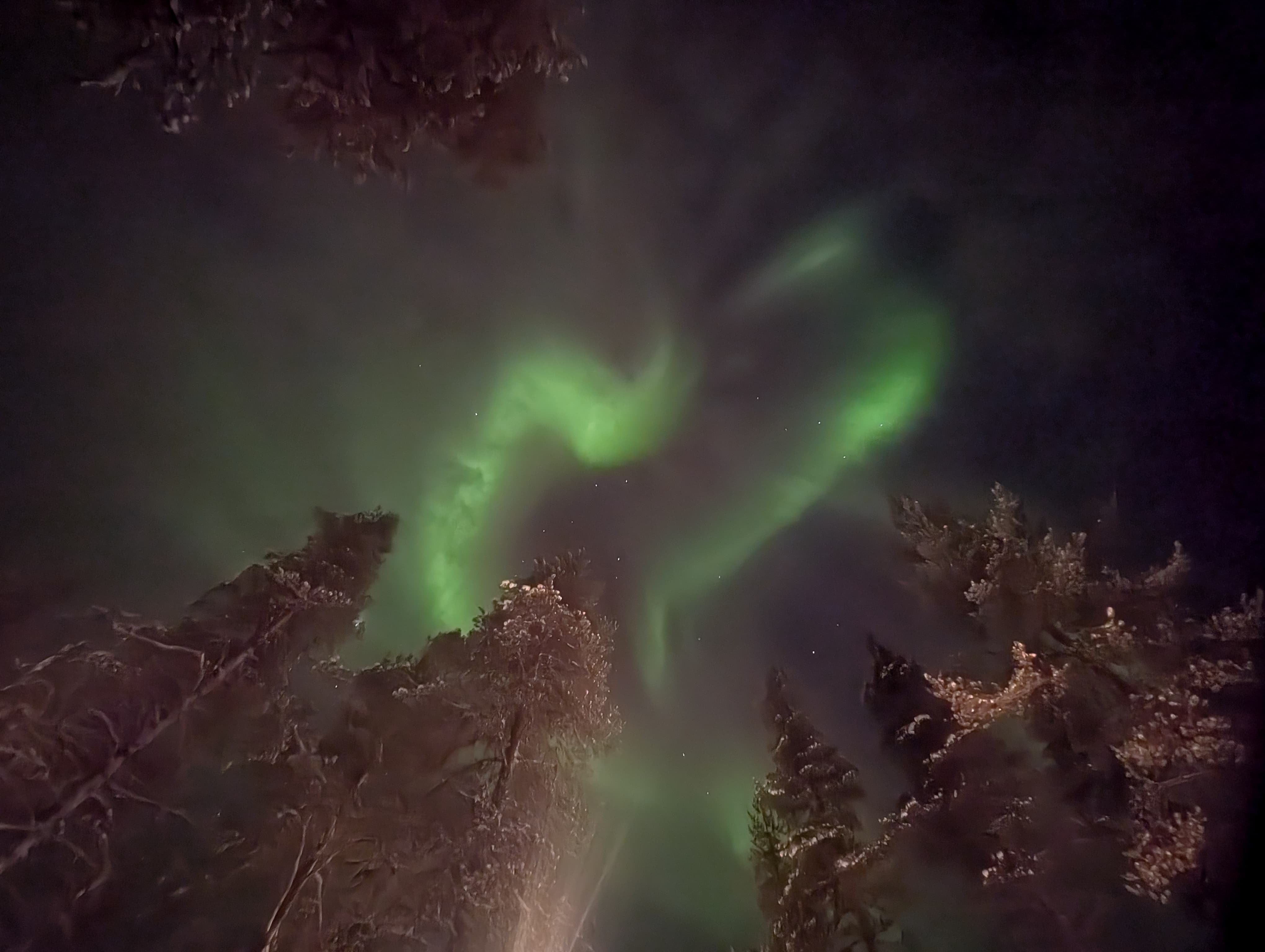
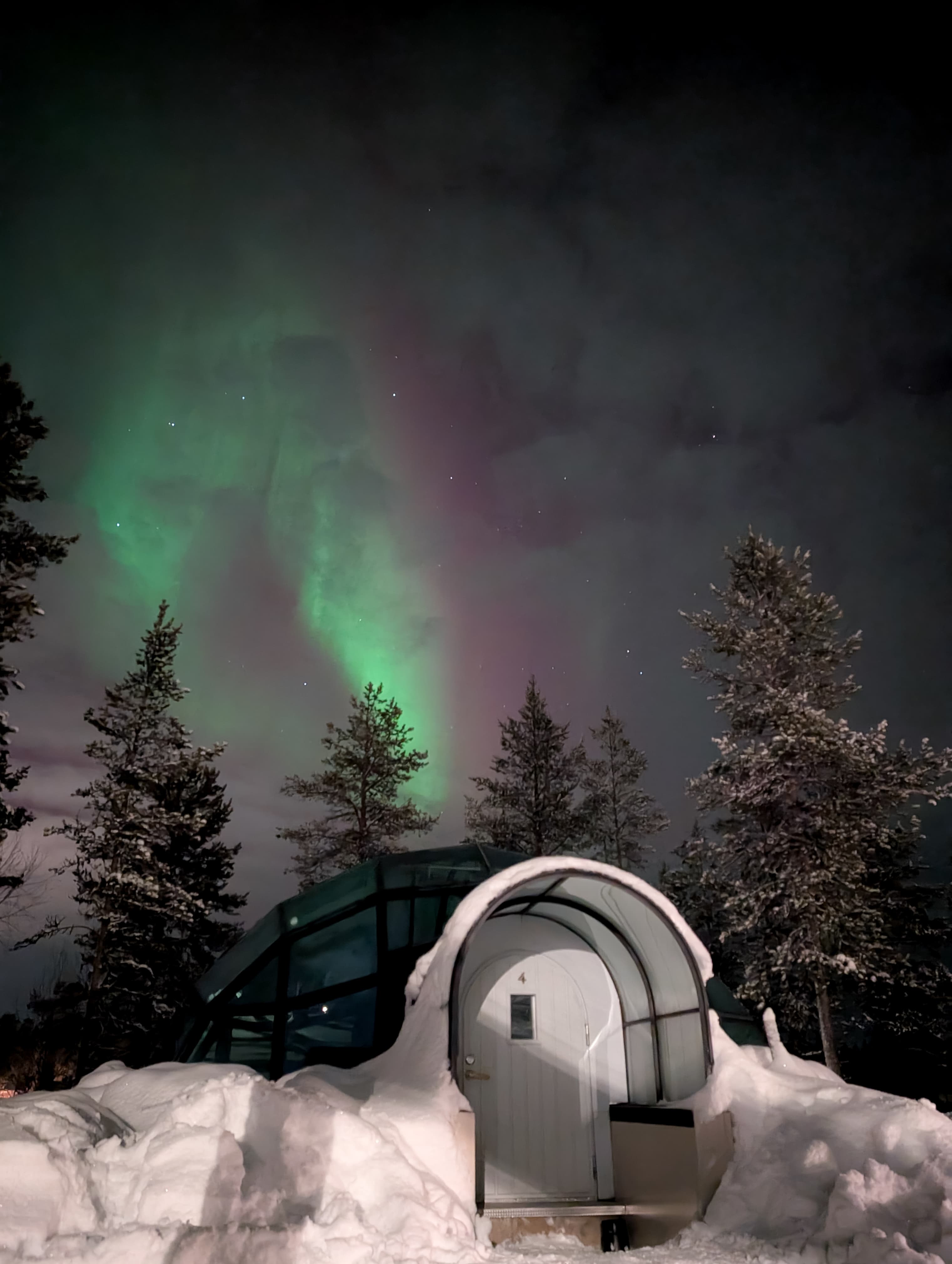

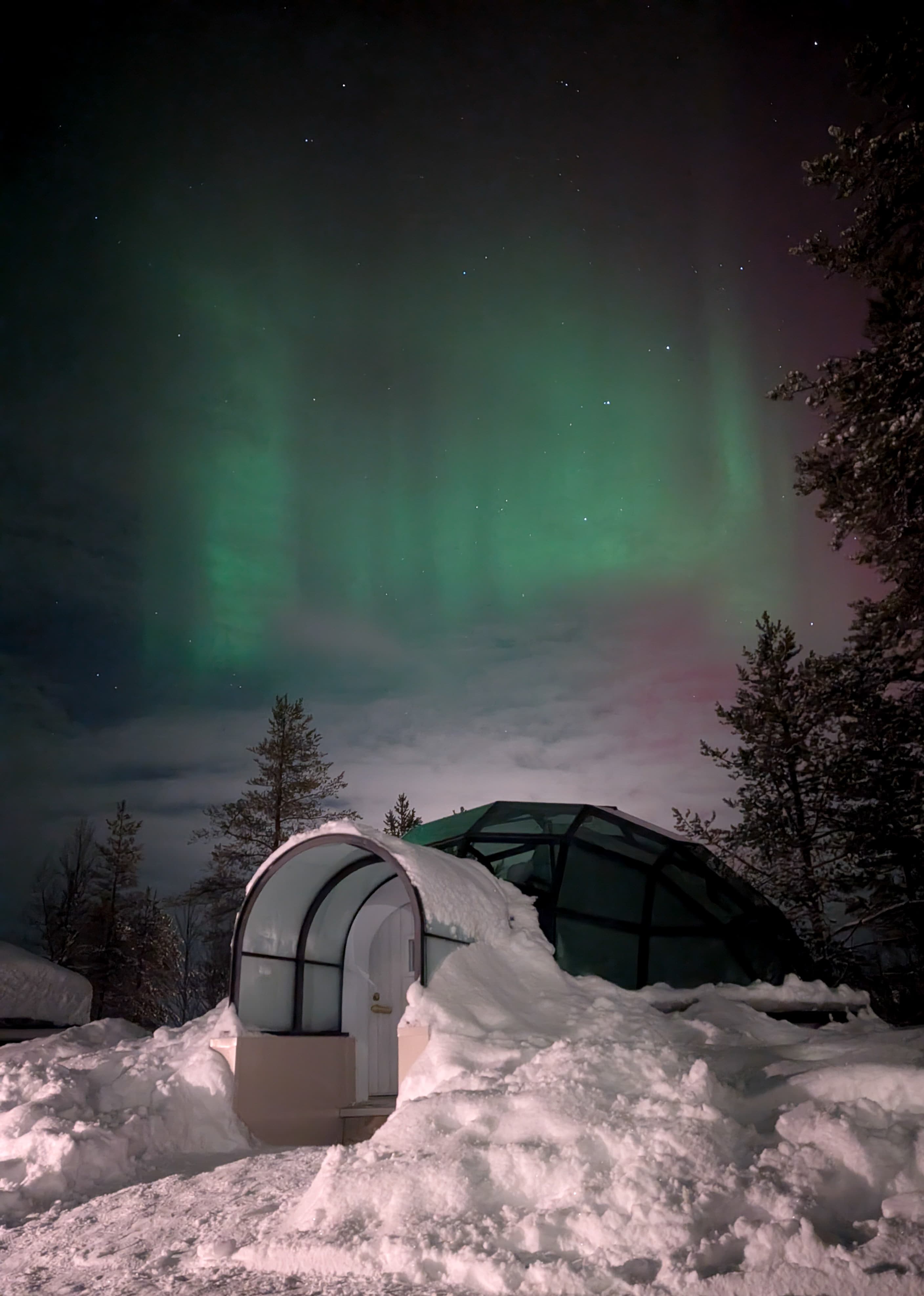

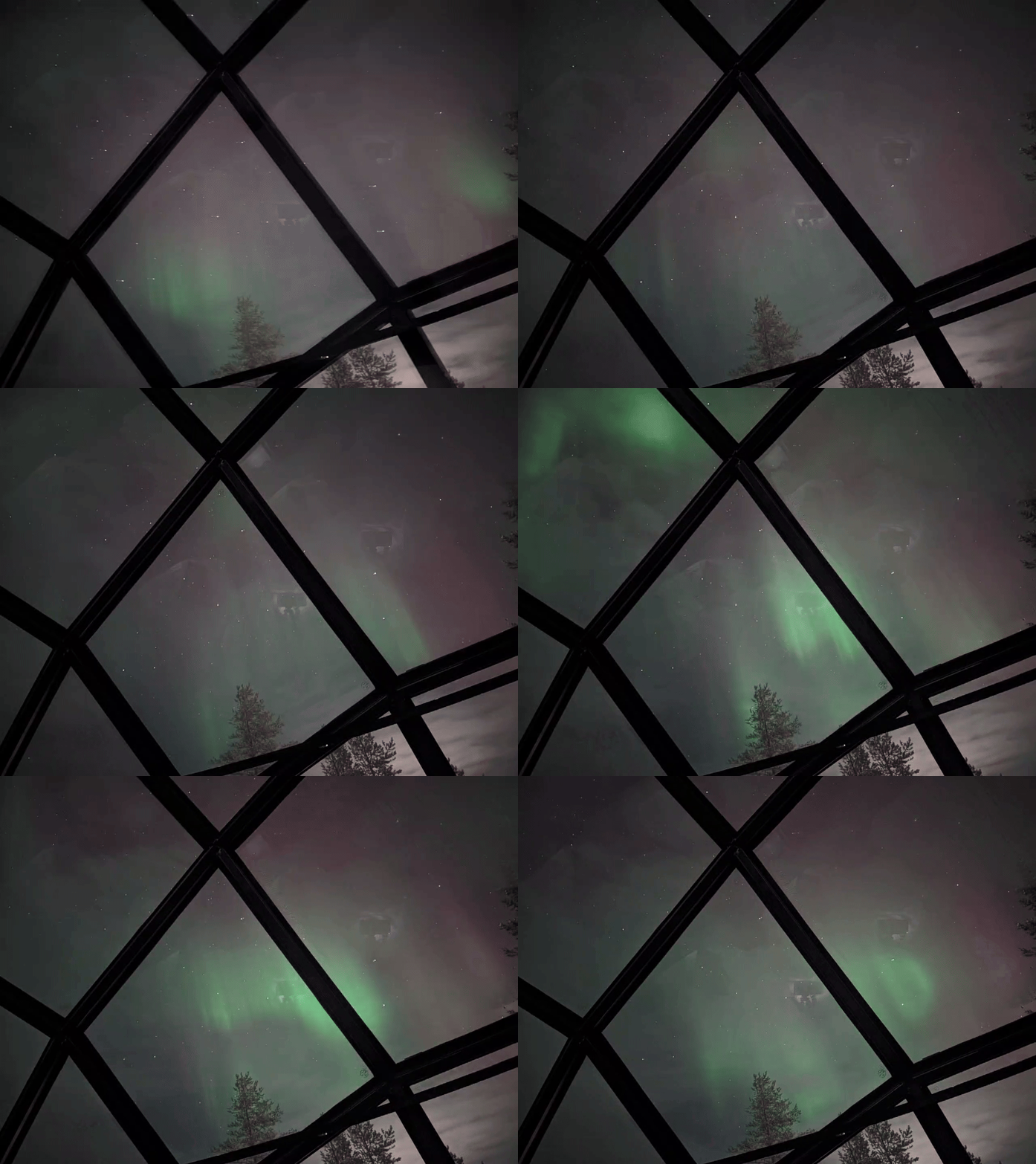

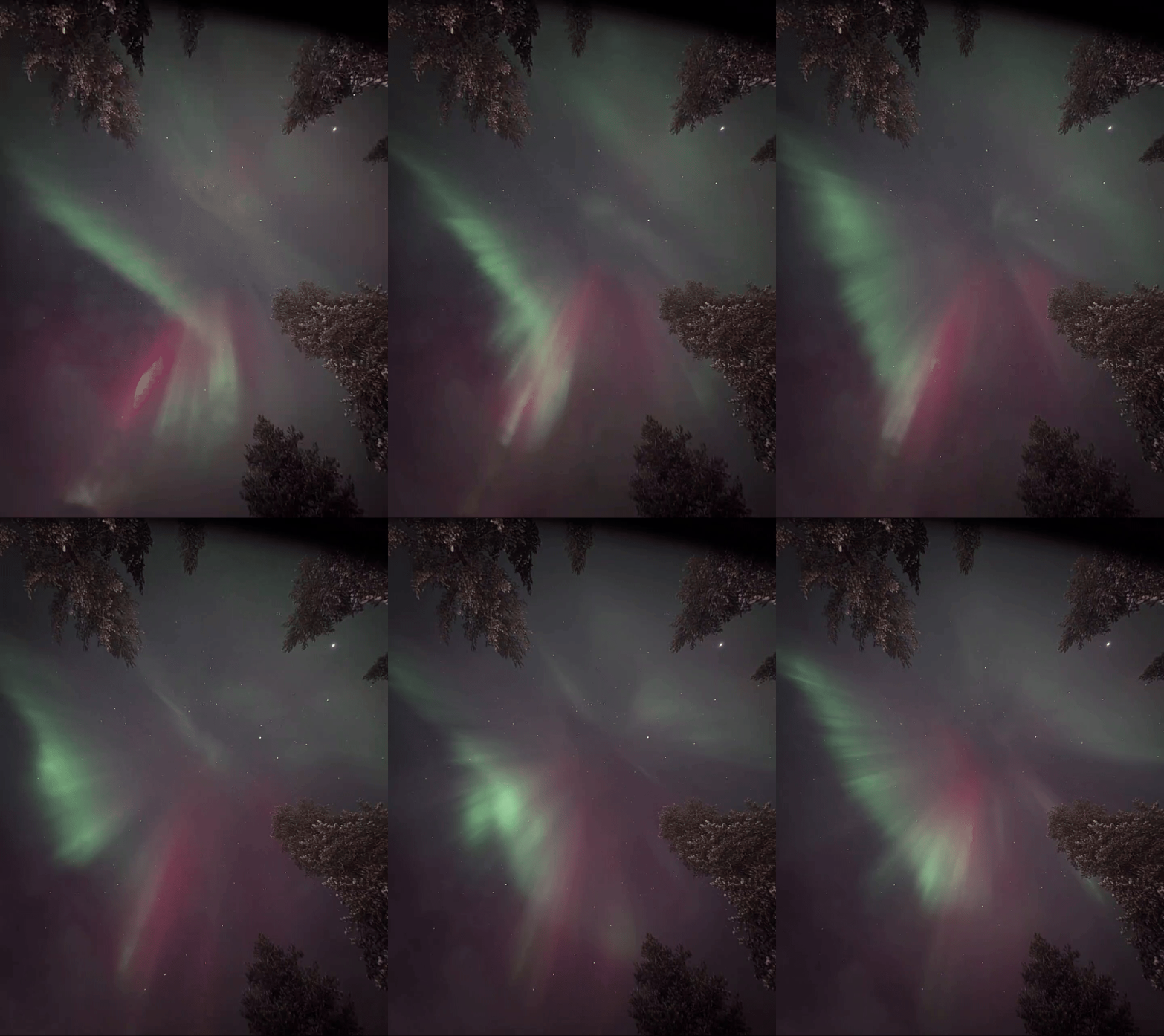
Our experience at Rovaniemi was also quite good. We went on an aurora hunting tour with a smaller group and had to wait a bit (and travel some distance towards the Sweden border) before we could see a good show.

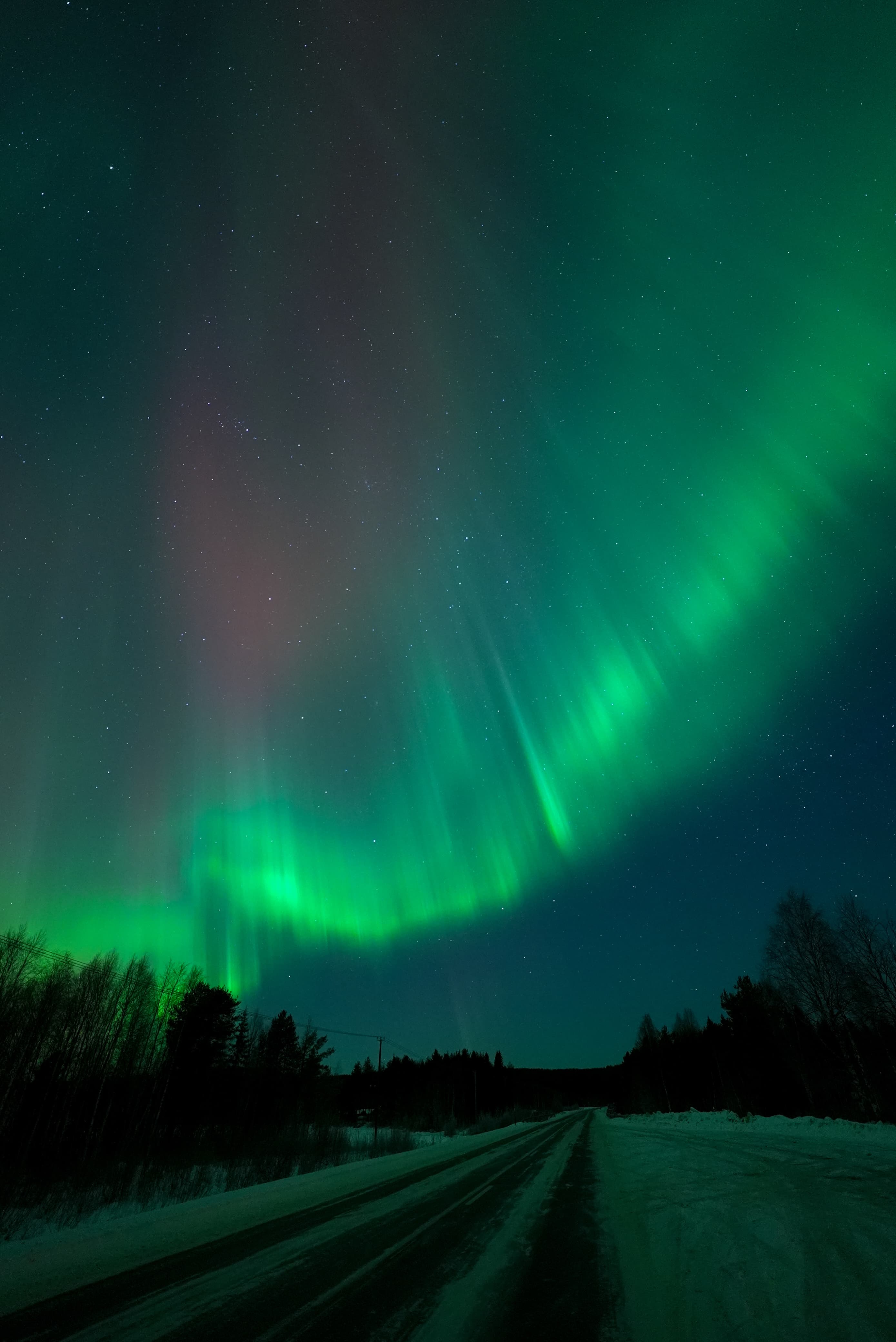
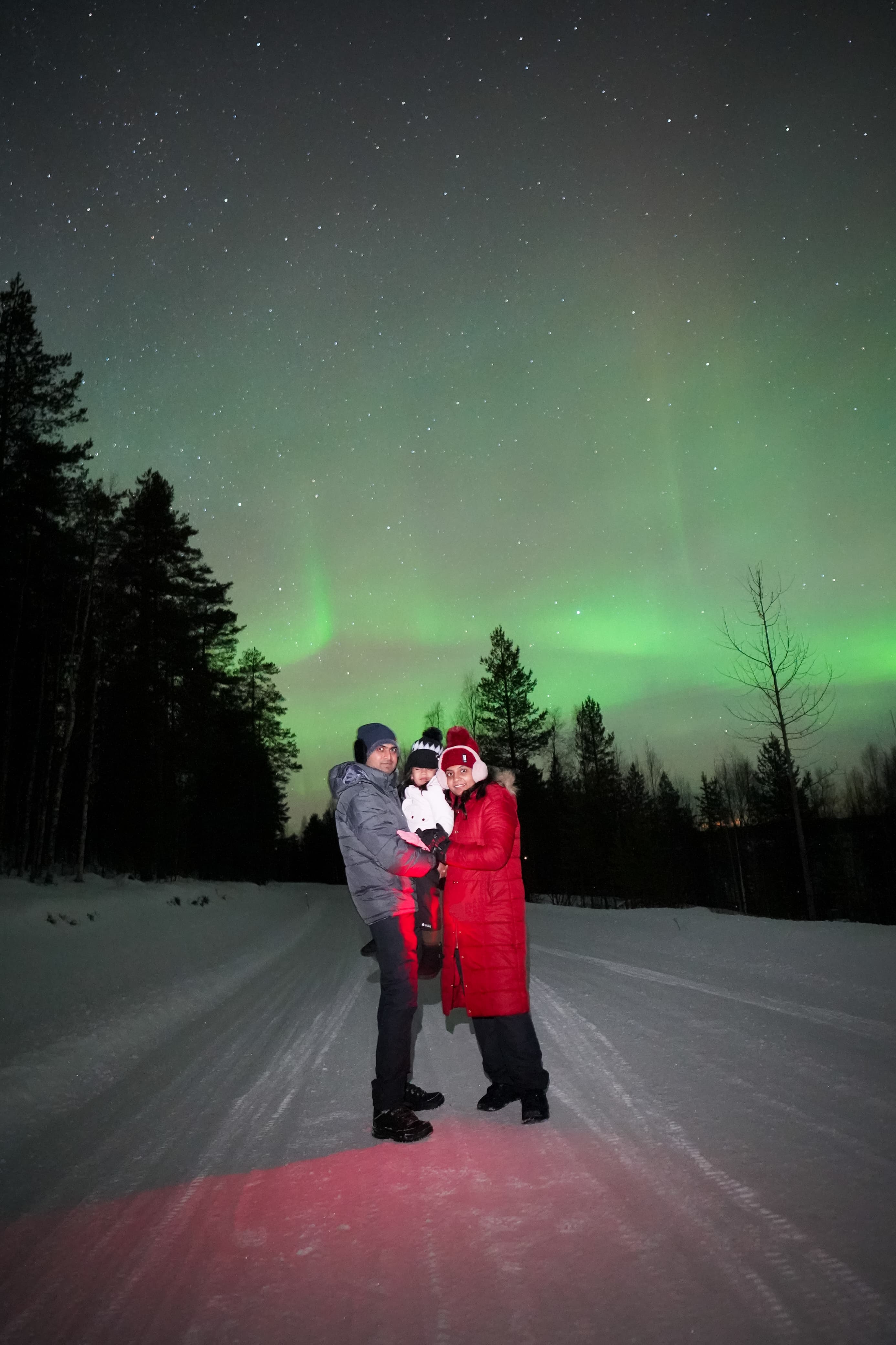
Overall we feel truly blessed to have experienced so many nights with good aurora viewing and within a short span of 3 months, that will be cherished for life.
Photography tips

As auroras are a chemical reaction between particles in the sky, they are better viewed and captured by the camera than with naked eye. That’s why the lights that are seemingly very faint to the naked eye come across very bright in photos. It’s not photoshopped, its just the way it is with longer shutter speed! On our visit to Iceland which is where we encountered northern lights for the first time, we used both DSLR and my Pixel 8 pro. We figured that photos from my Pixel is coming out far superior, so we ditched DSLR completely for our Finland trip and that worked out well overall. I would suggest you take both if you can, and make sure to use them both – more the merrier.
Irrespective of what camera you use, these below tips still are very valid –
1. Use a tripod
Auroras cant be captured well hand held, since the shutter speeds have to be long. Make sure to carry your tripod(s) with you when you travel North. At some places like Iceland, it can get very windy, so make sure the tripod is sturdy enough to withstand the strong winds.
2. Location matters
Make sure to go to a place with limited(or no) light pollution to capture good shots. Having some context in the foreground also helps make the image better.
3. Use proper settings
Shooting in Manual mode is very important for aurora photography. Here are my recommended settings –
1. Focus at Infinity
2. Use the highest Aperture available
3. Use a high ISO, atleast 1600 or higher if you can
4. Choose shutter speed between 4 to 6 seconds. Since the lights move around in the sky, keeping it too long makes the image very bright and lacking detail.
4. Capture Timelapse
If your camera has inbuilt setting for capturing timelapse, do use it as they come out very well. Else, you can capture a series of shots and stitch them together to create timelapses in post processing.
5. Experiment with orientations
If you have time and can, make sure to capture images in both Landscape and Portrait orientation as it gives you more options to choose from during post processing and posting online.
6. Remote shutter control
In these harsh conditions and when you will need to capture lots of shots with the same context or composition, a Bluetooth remote shutter control will come as a blessing in disguise. Make sure to purchase one before departing on your travel.
7. Bonus tip – Pixel Photography
On Pixel 8 pro, I was able to use the Night Sight mode with 6 second shutter speed to capture very good photos almost in an Auto setting. I could also get the Astrophotography mode to kick in to get beautiful shots of the auroras. There is an option in settings where you can choose to capture a timelapse when doing Astrophotography. Make sure to select that as it gives you amazing timelapse video of the auroras without doing any manual work.
 Unending Vacations
[…] Guide to chasing Northern Lights […]
LikeLike