
The Spring time in Japan always brings happy memories to locals and visitors alike. The Cherry blossom season or Sakura season as it’s called in Japan, is one of the best times to visit Japan for tourists! For centuries, the blooming of Sakura has held a special place in the hearts of the Japanese people, inspiring countless works of art, poetry and philosophy. The mesmerizing beauty of pink flowers lining the streets of Japan, dotting landscapes and ancient structures should be something that everyone should get excited about and a classic bucket list item indeed. Our travel to Japan during end of March/early April 2024 remains one of our best travel memories.
But sadly enough, the bloom doesn’t last long (2 weeks typical). The cherry trees typically bloom around March and April of every year with the south of Japan experiencing it first and going up north from there. With the ever changing weather patterns due to global warming, predicting the exact window of full bloom is becoming extremely hard, especially so many months in advance. Timing is of utmost importance as your experience in Japan can vary drastically depending on whether you were able to encounter cherry blossom or not.
How to predict the full bloom
The Typical Window
The typical timeframe of full bloom for cities in the tourist circuit like Tokyo, Kyoto & Osaka is around late March and early April. The Japan Meteorological Corporation starts putting out their forecast of flowering 10 weeks before the predicted bloom (around Jan start). And they continue to give updates to their estimates each week with different revisions each week. Here is a sample prediction of 2024, as predicted on 7 March 2024. The full bloom takes place a week from the predicted flowering date.

Factors affecting blooming
Weather plays a major role in deciding the timing of the full bloom. If the weather during the weeks preceding the cherry blossom season is mild, blossoms will open early. If it is cold, blossoms will open later. Of course, not every tree in a city opens on the same day, as trees in shadowy places, for example, can bloom several days later than trees in sunny places. For this reason, a representative sample tree is selected to define the date of kaika (the opening of the first blossoms) for a whole city. In Tokyo, the sample tree is located at Yasukuni Shrine.
There are also different varieties of cherry trees and the predictions only talk about the majority. You can still encounter early or late blooming varieties of Sakura if you end up missing the main window.
The “Sakura Navi” App

This is a paid app where you can find out information on the forecast of the flowering and full bloom dates of the cherry blossoms and their progress towards flowering (Flowering Meter) all over Japan. Moreover, there are functionalities with which you can enjoy more of the cherry blossoms, such as “Proximity Notification for Cherry Blossom SPOT” where there will be a notification when you are close to a Cherry Blossom SPOT as well as “Stamp Card” where you can record your previously visited locations.
Maximizing your chances at Cherry blossoms
Here are a few tips that can greatly increase your chances of encountering Sakura in Japan
1. Book early – This applies to both flights as well as hotels. Booking early helps you save cost and offer greater choices as the peak Sakura season can be a difficult time to find availability and expensive also. We booked our
2. Stay for long enough – Since the window is so unpredictable and can typically vary by a week either side, planning to stay in Japan for atleast 10 to 14 days gives you greater chance at the encounter. We stayed for 12 days when we went to Japan.
3. Stay Flexible – Since the train networks within Japan are all well connected and super fast, moving around shouldn’t be a big deal, even if you don’t change your stay. Buy the weekly JR pass if you plan on taking the Shinkansen a lot to move around longer distances in that short window. If you can, book stays which have cancellation options as late as possible and book duplicate accommodations for same dates (eg: one in Tokyo and other in Kyoto/Osaka). Keep your itinerary flexible and be ready to move around the days’ activities to react to the latest predictions on blooming. For example, when we were in Kyoto, we realized we are a bit early to full bloom. We front loaded places that are Sakura agnostic like Fushimi Inari, Arashiyama Bamboo forest etc. and saved the best of Kyoto for the last day.
4. Use the tools – Monitor the weekly predictions from Japan Meteorological Corporation. Purchase the “Sakura Navi” app (we did) to offer yourselves greater chance of predicting well and encountering Sakura blossoms.
5. Prepare for the Chaos – The Sakura is obviously very famous among the locals too and they look forward to that each year as much as we visitors do. Just be prepared to encounter large no of people all around who will share this experience with you, especially during the first weekend of the full bloom.
6. Night illuminations – Don’t forget to plan for those night illuminations all around Japan which highlight Sakuras at various places. Illuminations usually are run only for an hour or two and timings vary between places, usually held for a very short two week duration of the full bloom itself.
Best Places to Enjoy Cherry Blossoms in Japan
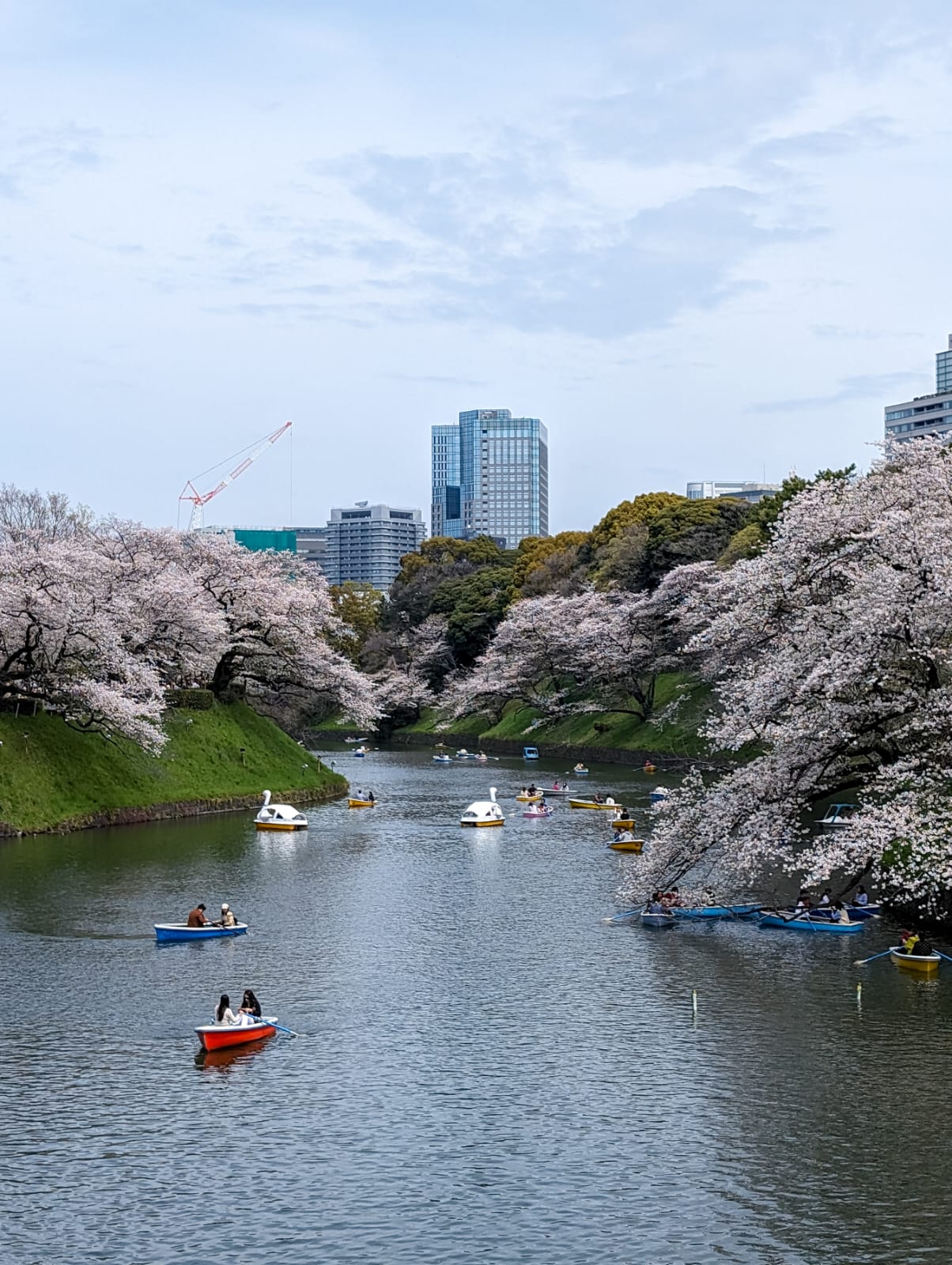
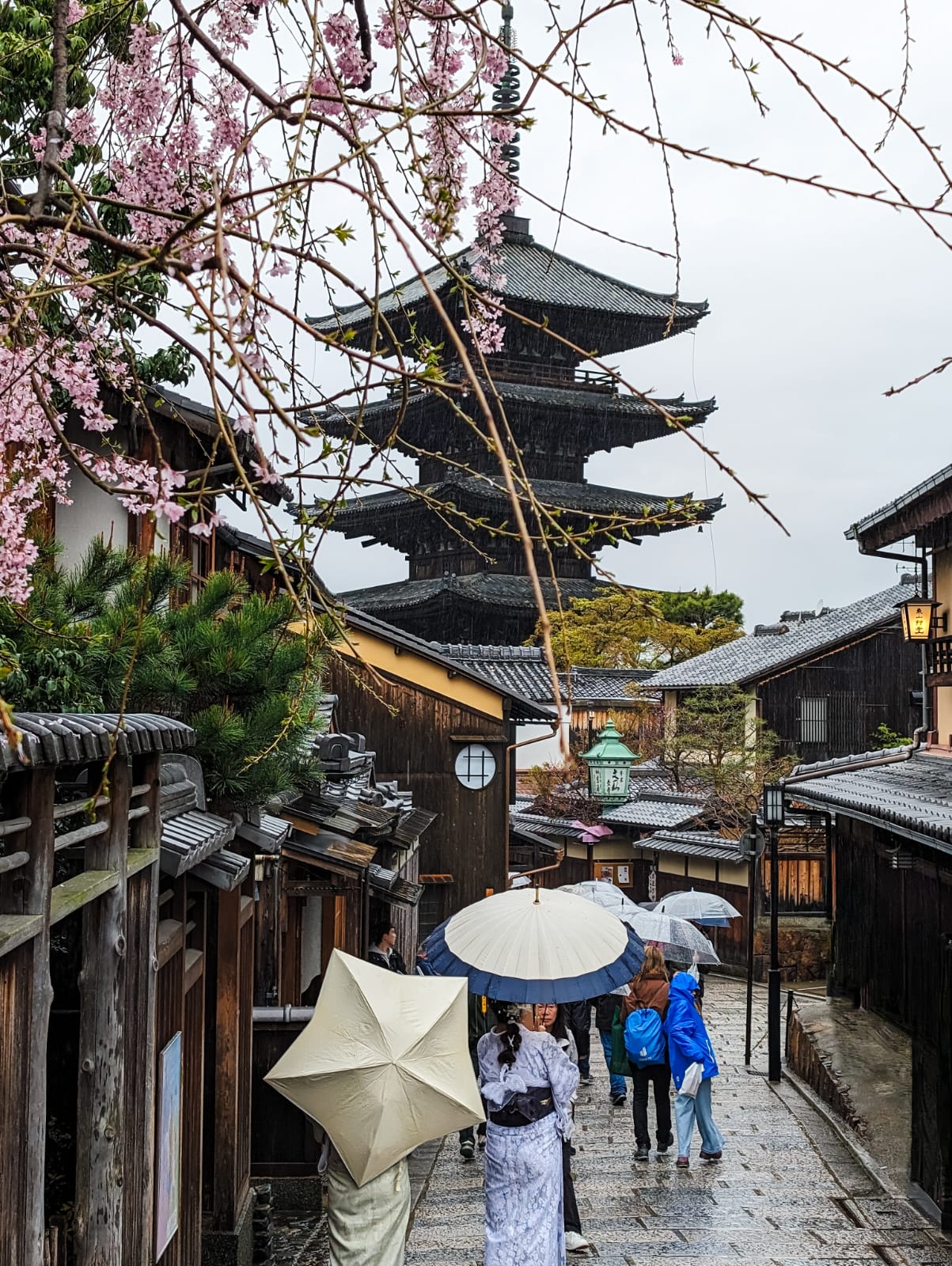
Tokyo and Kyoto offer very different experiences when it comes to Cherry Blossoms. Tokyo is all about abundance of cherry trees and the endlessness of them in full bloom. While Kyoto is about augmenting those pink flowers with an authentic Japanese style architecture like those Pagodas, Temples etc. Depending on what you enjoy, you can tweak around your itinerary or prioritize one over the other, especially considering both of them bloom at around the same time.
Instead of recreating content for what is usually a fairly well documented topic, I am going to leave the link to a good post from Japan-guide.com for reference.
 Unending Vacations
[…] For all the details on how to go about planning for a cherry blossom hunting, refer to this post. […]
LikeLike